



Potassium Acetate Uses: Pharmaceutical API Guide in 2026
Pharmaceutical solid potassium acetate (CH3COOK) is an important active pharmaceutical ingredient and excipient in modern medicine. It plays important roles in treatments that restore electrolytes, buffer pH, and make the metabolism more alkaline. This white crystalline substance, which is made under strict GMP guidelines, meets basic therapeutic needs by providing high-purity potassium ions without too much chloride. It is used in making haemodialysis concentrates and keeping antibiotics stable. Because of its unique chemical profile, it is especially useful for treating hypokalaemia and metabolic acidosis together. This makes it a key ingredient in pharmaceutical formulas around the world as we move toward 2026.
Understanding Pharmaceutical Solid Potassium Acetate: Properties and Applications
Molecular Structure and Chemical Characteristics
The formula for potassium acetate is CH3COOK, and its molecular weight is 98.14. It is the potassium salt of acetic acid. The substance appears as white crystals and dissolves easily in water, alcohol, and acidic liquids. This solubility profile makes it possible for pharmaceutical preparations to dissolve quickly in water, which is very important for injectable formulas that need clean, particle-free solutions. The liver breaks down the acetate anion into bicarbonate, which alkalises the whole body. This is what makes it different from potassium salts that are based on chloride. Pharmaceutical-grade versions are kept more than 99.0% pure, with heavy metal pollution strictly kept below 0.0005% and salt content kept to 0.01%. These requirements make sure that the drug is safe to inject and works with biological formulas that are sensitive.
Core Pharmaceutical Applications
Potassium acetate salt is useful in many important medical situations because it can be used in a variety of ways. It is used as a potassium source in acid concentrates during haemodialysis, keeping the balance of electrolytes exact without adding to chloride overload. This is a big benefit over potassium chloride for people with acid-base disorders. Parenteral feeding mixes use this ingredient to fix a lack of potassium and deal with metabolic acidity at the same time, especially in intensive care units. The chemical is used to protect antibiotics, especially penicillin derivatives, so they don't break down due to changes in pH during production and storage. There is clinical proof that it works as an electrolyte replenisher in people who can't take potassium supplements by mouth. The acetate part breaks down to bicarbonate at a rate of about 1 mEq per gram.
Storage and Handling Protocols
The purity of the product and its healing effectiveness are directly affected by how it is stored. Potassium acetate powder that is used in medicine needs to be kept in containers that are tightly sealed and have a moisture barrier. These containers must be kept in controlled settings where the temperature and relative humidity must be kept below 25°C and below 40%. Because the substance is deliquescent, it needs to be used right away after the bottle is opened to keep it from absorbing water and then caking. Warehouses need to have enough air flow and keep this stuff away from things that don't work with it, like strong acids and oxidisers. Transportation rules say that packages must be handled carefully so that they don't get damaged, and cases must be protected from accidents that could damage the lock. Manufacturers who care about quality use first-in, first-out stocking methods to make sure that batches don't sit around for too long past their suggested shelf life. These steps protect the crystal structure, how well it dissolves, and the chemical purity that are needed for medicinal uses.
Comparative Insights: Pharmaceutical Solid Potassium Acetate vs Alternatives
Solid Form Versus Liquid Potassium Acetate
Choosing between solid and liquid potassium acetate solutions for solid potassium acetate has a big effect on how well they are manufactured and how they are formulated. Solid crystalline material is more stable over time, so you don't have to worry about concentration loss, bacteria contamination, or container rust that can happen with liquid concentrates. Pharmaceutical companies like that weighed solid amounts can be used for precise doses, which lowers the variation in end products from batch to batch. The solid form makes managing supplies easier because it requires less space to store and costs less to ship each unit of the active ingredient. On the other hand, liquid forms may make some ongoing processing processes faster because they don't need to go through the steps of breakdown. For compounding shops and contract makers who need precise strength control across a variety of product types, solid potassium acetate offers unmatched freedom. The solid version can be used with automatic filling systems, which increases production output while still following GMP guidelines.
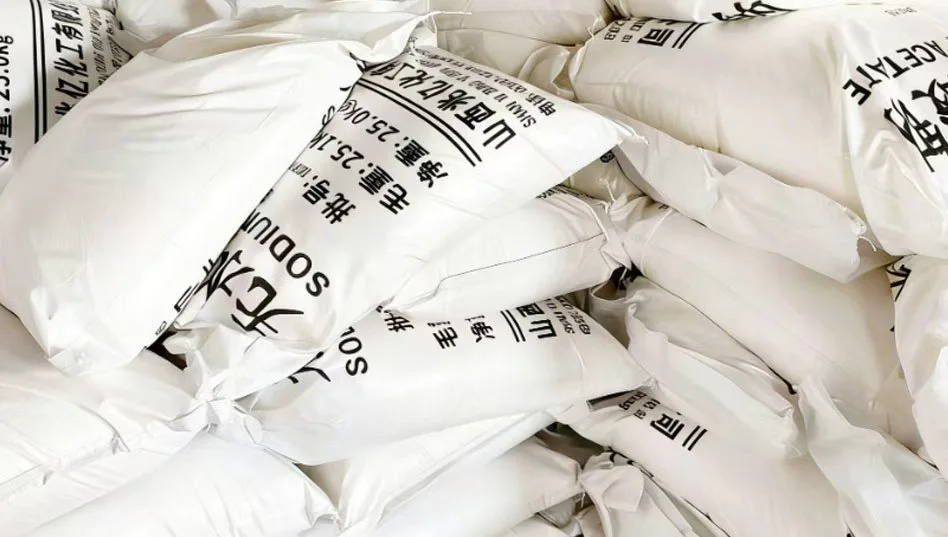
Potassium Acetate Versus Sodium Acetate
Both acetate salts can act as buffers, but their cationic parts make them useful for different medicinal purposes. Potassium acetate treats mixed electrolyte and acid-base disorders by giving hypokalaemic patients important potassium ions and fixing metabolic acidity with the acetate molecule. In contrast, sodium acetate can cause sodium buildup in people with heart or kidney problems, which limits its use in people who are limited in how much fluid they can take in. When electrolytes are changed precisely during dialysis, the potassium version is especially useful because it stops heart rhythms. The pharmacokinetic profiles are very different. For example, potassium acetate is quickly broken down into potassium bicarbonate, which raises the pH level without adding chloride. Clinical studies show that sodium-based options are easier for people with hyperchloremic metabolic acidosis to handle. When making a procurement choice, these treatment differences should be weighed against the needs of the product and the patients that are being targeted.
Quality Grade Variations and Stability Data
Pharmaceutical-grade potassium acetate is cleaned in a way that goes beyond what is required for scientific or food-grade use. The USP, EP, BP, and JP standards set strict limits for heavy metals (like lead, mercury, and arsenic), aluminium content, and endotoxin levels. These are important factors for injectable products. Technical grades that are used for de-icing or industrial processes are contaminated with impurities that make them unsafe for people to use. Accelerated stability studies show that pharmaceutical-grade material stays pure and effective for 36 months when kept according to the instructions, and high-performance liquid chromatography doesn't show any major breakdown. The solid structure doesn't break down at 121°C during normal autoclave sterilisation processes, but the pH of the fluid should be checked after sterilisation. Comparative research shows that pharmaceutical versions have less than 0.01% moisture content, while lower grades have 2-5% moisture content. This has a direct effect on how quickly the mixture dissolves and how stable it is.
Practical Procurement Guide for Pharmaceutical Solid Potassium Acetate
Supplier Evaluation Criteria
To find skilled pharmacy chemistry providers, you need to do more than just compare prices. Potential partners should show up with up-to-date GMP licenses from reputable regulatory bodies, along with records of plant inspections. Check to see if the companies that make medicinal potassium acetate can vertically integrate. This means that they should be able to provide clear information about where their raw materials come from, have in-house labs with ICP-MS and HPLC equipment, and have quality management systems that meet ISO 9001 standards. Established suppliers keep up production levels that allow for steady bulk supplies. Shanxi Zhaoyi Chemical's yearly output of 150,000 tonnes is an example of the scale needed to ensure stable access to pharmaceutical-grade materials. Review the technical support system, including the ability to get help 24 hours a day, seven days a week, and in multiple languages. It is very important to check someone's reputation by looking at their track record with global pharmaceutical companies and talking to people in the same field. When suppliers offer to help with a workplace check, it shows that they value honesty and quality.
Understanding Product Specifications and MOQ
Professionals who buy pharmaceutical solid potassium acetate have to decipher technical specs to make sure that the materials are right for the jobs they're supposed to do. The Certificate of Analysis (CoA) should say that the quality is at least 99.0% and include full residue profiles for heavy metals, chlorides, sulphates, and liquids that are still present. The rate of breakdown is affected by the spread of particle sizes; the specs should match the needs for making pills, injectables, or dialysis solutions. Minimum order numbers can be as low as one metric tonne for test runs or as high as a truckload for large-scale production. You can choose between 25 kg plastic weave bags that are easy to handle and 1000 kg bulk bags that make the warehouse more efficient and lower the cost of packing each unit. Guaranteed shelf lives of 24 to 36 months with proper storage give formulators more freedom in how they make their products and give managers more ways to keep track of their stock.
Pricing Dynamics and Negotiation Strategies
The market in 2026 is complicated because of the costs of raw materials, the price of energy, capital needed to follow rules, and the operations of the global supply chain. Suppliers who are open about their prices list base costs, different packing options, shipping terms, and savings for buying in bulk. Long-term supply deals usually get better prices and make sure that allocations get given first when the market is tight. So that they can compare prices, procurement teams should ask for quotes that include Incoterms (FOB, CIF, DDP), clear points of responsibility transfer, and total landing costs. Value engineering talks with sellers might reveal chances to make things better, like using different wrapping that is better for the environment or combining orders for different product lines. Negotiating payment terms that balance managing cash flow with making sure the supplier's finances are stable are good for both sides of a relationship. To avoid being dependent on just one provider, you should evaluate more than one, keeping the competition high while building smart relationships with key partners that show consistent quality and dependability.
Navigating Regulatory and Compliance Standards
Pharmacopeial Standards and FDA Requirements
Pharmaceutical-grade potassium acetate has to follow the rules set out in the USP, EP, BP, or JP pharmacopoeias, based on the market it is meant for. These consensus standards set identity tests, purity requirements, and testing methods that prove materials are suitable for making drugs. As a condition of FDA registration, API providers must send in a Drug Master File (DMF), which details the production processes, quality control methods, and facility compliance. Type II DMFs let drug companies use information about their suppliers in their New Drug Applications without giving away secret information about how the drugs are made. Teams in charge of buying things should make sure that sellers keep their DMF registrations up to date and help with regulatory checks. Harmonised price classifications and proof of pharmaceutical-grade labelling are needed by import laws. If technical-grade materials are used instead, they could be held at customs and face legal consequences.
GMP Certification and Quality Documentation
Following Good Manufacturing Practices is an important part of making sure that the pharmacy supply chain is honest. Suppliers should show up-to-date GMP certificates, which are given by regulatory authorities or qualified third-party inspectors and show that they have followed pharmaceutical quality standards throughout production. Each package must have full Certificates of Analysis, signed by trained staff and showing test results for each batch for all required factors. Safety Data Sheets (SDS/MSDS) that list hazards, how to handle them safely, and what to do in a situation make sure that safety rules are followed at work. Supporting shelf life claims with stability data and testing dates lets inventory management be smart. Suppliers who value a quality culture put in place change control methods that let customers know about changes to the manufacturing process that might affect the properties of the material. Pharmaceutical businesses can easily meet their compliance responsibilities with the help of documentation packages that include chemical statements, BSE/TSE certifications, and residue solvent studies. Zhaoyi Chemical has KOSHER and HALAL approvals as well as ISO 9001, ISO 14001, and ISO 45001 certifications, which shows that it is committed to quality across a wide range of legal systems.
International Shipping and Logistics Considerations
Getting medicinal chemicals across international borders is a complicated process that needs specialised knowledge. Reliable providers organise goods shipping services, taking care of customs paperwork, labelling dangerous materials, and, if needed, temperature-controlled transport. Lead times for production are usually between 5 and 7 working days, and shipping times for foreign orders depend on where they are going and how they are getting there. Even though it costs more, air freight can quickly meet immediate needs, while ocean shipping is a cheap way to regularly restock goods. Transportation stresses must be able to resist packaging—moisture shield defences, crate locking, and weatherproofing containers keep quality from dropping while in transit. For imports to be legal, they need to have correct business bills, packing lists, and certificates of origin that make clearing customs easier. Experienced sellers offer door-to-door shipping choices under DDP (Delivered Duty Paid) terms. This makes handling easier and makes sure that materials are available on time to keep pharmaceutical manufacturing operations running smoothly.
Conclusion
Pharmaceutical solid potassium acetate is still an important part of making modern medicines. It meets important clinical needs with its unique ability to restore electrolytes and make the metabolism more alkaline. To be successful at buying in 2026, you need to know a lot about quality standards, legal requirements, and the skills of the suppliers that can make pharmaceutical-grade products different from technical options. Strategic buyers work together with GMP-certified makers over a long period of time to get stable quality, dependable supply lines, and technical help for formulating. New uses and improvements in manufacturing point to steady demand growth, which makes smart choices about where to get materials more valuable. The compound's usefulness in haemodialysis, intravenous feeding, stabilising antibiotics, and new therapeutic uses shows how important it will remain in pharmaceutical collections around the world.
FAQ
What amount of purity describes potassium acetate that is used in medicine?
Pharmaceutical-grade material must be at least 99.0% pure, with heavy metals kept below 0.0005% and salt levels kept below 0.01%. It must also meet the requirements of USP, EP, BP, or JP monographs. Technical types with higher levels of impurities are not safe for use with people.
How is the ease of making things with solid potassium acetate compared to liquid forms?
Solid solid types are better for keeping because they are more stable, can be used to accurately measure doses, are cheaper to ship, and don't cause concentration drift problems. The solid version gives you more options for different kinds of formulations while still following GMP standards because it works with automatic delivery systems.
What paperwork should be sent with orders of medicinal potassium acetate?
Each batch needs a full Certificate of Analysis signed by trained staff, Safety Data Sheets with information on hazards, stability data to back up promises about shelf life, and regulatory support documents like food statements and BSE/TSE certifications. Pharmaceutical compliance is easier with GMP certificates and DMF references.
Why should pharmaceuticals use potassium acetate instead of sodium acetate?
Potassium acetate treats both low potassium levels and metabolic acidosis without increasing the risk of sodium overload. It is especially helpful for heart or kidney patients who need to limit their fluid intake. The molecule gives important potassium ions and makes things more alkaline by breaking down acetate into bicarbonate.
Partner with Zhaoyi Chemical: Your Trusted Pharmaceutical Solid Potassium Acetate Supplier
Zhaoyi Chemical has been making acetate for more than 30 years and has GMP-certified production facilities that make pharmaceutical-grade potassium acetate that meets international quality standards. Our yearly capacity of 150,000 tonnes guarantees a steady supply of bulk materials to help your pharmaceutical production operations. Each batch will be of the same high quality, and all the necessary legal paperwork will be provided. We keep our ISO 9001, KOSHER, and HALAL certifications up to date and offer full technical support, plant audit accommodations, and paperwork services in multiple languages. Our pharmaceutical solid potassium acetate maker can give you the clarity, uniformity, and compliance your operations need, whether you need it for haemodialysis concentrates, oral nutrition products, or antibiotic stabilisation. Get in touch with our team at sxzy@sxzhaoyi.com to talk about your unique needs, ask for samples with full Certificates of Analysis, and look into cheap bulk price structures that will help you meet your 2026 buying goals.
References
United States Pharmacopeia, "Potassium Acetate Monograph," USP-NF 2025, United States Pharmacopeial Convention, Rockville, MD, 2025.
Kraut, J.A. and Madias, N.E., "Treatment of Acute Metabolic Acidosis: A Pathophysiologic Approach," Nature Reviews Nephrology, vol. 18, no. 6, pp. 371-383, 2022.
Feriani, M. and Dell'Aquila, R., "Acid-Base Balance with Different Replacement Solutions in Continuous Renal Replacement Therapies," Kidney International Supplements, vol. 10, no. 2, pp. 151-157, 2020.
International Conference on Harmonisation, "ICH Q7: Good Manufacturing Practice Guide for Active Pharmaceutical Ingredients," ICH Harmonised Guideline, Geneva, Switzerland, 2018.
Greenspan, L., "Excipient Development for Pharmaceutical Biotechnology and Drug Delivery Systems," Pharmaceutical Development and Technology, vol. 27, no. 4, pp. 445-459, 2022.
European Medicines Agency, "Guideline on Setting Specifications for Related Impurities in Antibiotics," EMA Committee for Medicinal Products for Human Use, London, United Kingdom, 2021.

USER EVALUATE
Here is the customer's evaluation of us