



What Is Potassium Acetate and Why It’s Essential in Industry and Deicing Applications?
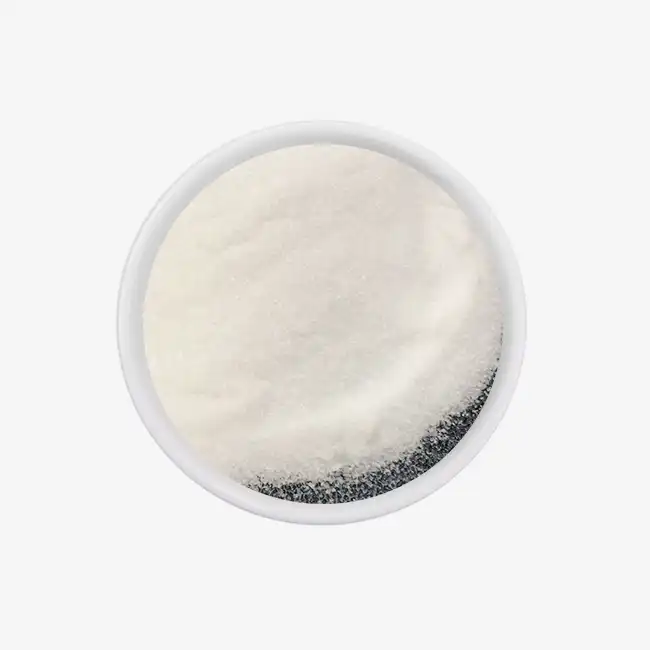
Industrial solid potassium acetate (CH3COOK) is an organic salt that is white and crystalline. It dissolves very easily in water, acids, and alcohols. This very pure substance is now needed for everything from treating garbage to deicing airport runways, digging for oil, and making chemicals. Unlike other options that are built on chloride, this one doesn't corrode and meets environmental safety standards. The solid form has a longer shelf life, is easier to move, and dissolves quickly. This makes it the best choice for businesses that want to be both environmentally friendly and efficient in their supply lines.
Understanding Industrial Solid Potassium Acetate
Molecular Structure and Physical Properties
The formula for the chemical is CH3COOK, and its molecular weight is 98.14 g/mol. Its chemical structure is made up of a stable solid grid formed by potassium cations and acetate anions. This material is different from its liquid version because it comes in a concentrated form. This form saves money on shipping and storage space while still being very soluble—about 253 grams dissolve in 100 millilitres of water at room temperature.
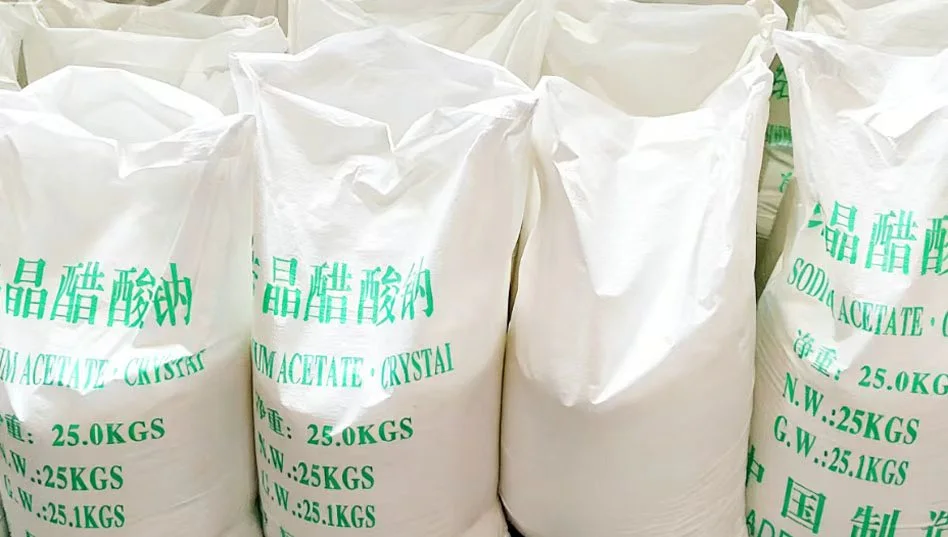
The melting point of the white crystalline powder is 292°C, which shows that it is very stable at high temperatures during exothermic reactions. Because it is hygroscopic, it easily draws water from the air. Because of this, it needs to be packaged in special multi-layer polyethylene or polypropylene bags. The material stays intact for up to two years if it is properly packed and kept in a controlled humidity setting with a level of below 50%.
Critical Quality Parameters
Standards for making industrial-grade materials require purity levels above 98.0%, which makes sure that the active ingredient works as well as possible per tonne. Quality control rules say that salt levels must be less than 500 parts per million and iron levels must be less than 10 parts per million. These rules keep equipment from rusting and keep it compatible with precision metals that are used in chemical production and drilling.
When dissolved in a 5% water solution, the product keeps its pH between 7.5 and 9.0, which means it can naturally balance. This neutral-to-alkaline property keeps infrastructure safe and stops acidic erosion in systems that use it. Reputable producers use batch testing methods that keep track of the amount of wetness, heavy metals, and particle sizes, making sure that the quality is the same from one production run to the next.
Storage and Safety Requirements
To handle a product safely, you must first understand how it melts. Warehouses need to stay dry and have enough air flow to keep things away from heat sources and things that don't go together. Careful loading keeps the bags from getting damaged during transport, which could let moisture get into the goods. Safety data sheets stress the need for protection gloves and glasses when handling the material, even though it is not as harmful as chloride-based deicing products.
Acetate products should only be kept in storage places that are different from acids and oxidising agents. If there is a spill, control means picking up the mess and putting it in the right containers instead of washing with water, which would make the surfaces slippery. Local rules about the environment must be followed when getting rid of waste, but since acetates break down naturally, it's easier to handle garbage than chloride salts, which don't.
Environmental Comparison with Alternative Deicing Agents
When put up against sodium chloride, calcium chloride, and magnesium chloride, solid potassium acetate is better for the environment. Deicers that contain chlorine build up in the ground and in the dirt, polluting them over time and hurting marine and plant life. According to research from the National Research Council, formulations based on acetate have biological oxygen demand (BOD) levels that are much lower than formulations based on urea. This keeps rivers from running out of oxygen.
The molecule breaks down naturally in the presence of microbes, turning into carbon dioxide and water without leaving behind any dangerous substances. Because of this, it is especially useful in sensitive areas near airports and bridges where waste joins waterways that are protected. Studies on plant endurance show that these salts are not as harmful to plants as regular salts, which kill roadside plants by causing osmotic stress and direct tissue damage.
Industrial and Deicing Applications of Solid Potassium Acetate
Chemical Synthesis and Pharmaceutical Manufacturing
This acetate helps make polyurethane faster by speeding up the process between isocyanate and hydroxyl, which forms polymer chains. The high purity keeps the catalyst from getting poisoned, which keeps the reaction dynamics and product output stable. Food-grade and pharma-grade versions are used by pharmaceutical companies as stabilising agents in drug recipes and as building blocks for making potassium-based medicines like Benzylpenicillin potassium.
It is used as a neutralising agent in textile processing plants to change the pH levels during colouring and finishing. Because it dissolves completely, there is no chance of bits remaining that could clog tools or make products less useful. Because the substance doesn't break down or give off gases at low or high temperatures, it can be used in processes that need to be done at high temperatures.

Airport Runway and Highway Deicing
Aviation officials agree that potassium acetate liquids meet the requirements of SAE AMS 1435 for deicing runway concrete. The material works consistently down to -60°C (eutectic point), lowering the freeze point more than many other goods on the market. Calcium chloride breaks down aluminium parts of aeroplanes and lighting systems for runways. Acetate versions, on the other hand, don't damage metals, plastics, or electrical systems.
Highway repair workers like that it doesn't hurt structures as much as rock salt does. Acetate uses that don't speed up steel rust are good for bridge decks, especially those with rebar that is visible. Even though the material costs more per tonne than sodium chloride, the lower application rates needed to melt ice effectively mean lower labour costs and less damage to the environment.
In environmentally sensitive places, municipal governments have switched to acetate-based programs, which have led to less plant death along cleaned roads. Because the substance works well at low temperatures, it doesn't need to be used more than once during winter weather. This saves money and protects natural resources.
Oil and Gas Drilling Fluid Applications
Because it is so good at stabilising shale, oilfield service companies add potassium acetate to high-performance water-based drilling muds. In clay lattice structures, potassium ions trade with sodium ions to stop the wellbore from growing and becoming unstable, which can lead to costly drilling delays. In reacting shale rocks, where regular muds don't work, this electric exchange process keeps the wellbore intact.
Because the combination dissolves easily, changes in density can be made without adding solid particles that could hurt the permeability of the pool. Drilling engineers can make brines that have higher specific gravities while still keeping the fluid clear so that readings taken deep underground are correct. Rheological qualities stay steady during drilling because polymeric fillers like xanthan gum can be used with the material.
When working with deep wells and the temperature at the bottom of the hole is higher than 150°C, temperature stability is very important for industrial solid potassium acetate. Formate salts can break down in very high temperatures, but potassium acetate stays chemically stable. This protects expensive drilling equipment and the output of the deposit.
Agricultural and Fertilizer Industry Use
Fertiliser companies use potassium acetate, which is an easily accessible source of potassium, along with organic carbon to make special mixtures. The acetate part gently raises the pH level in acidic soils, and the potassium part helps plants stay healthy, especially when they are fruiting or under a lot of stress. Premium agricultural product makers who want to run healthy farms will like this dual usefulness.
Soil treatment uses the compound's ability to improve the structure of soil without the problems that come with sodium acetate building up. The organic anion encourages good bacteria activity, which improves the movement of nutrients in the rhizosphere. Foliar sprays with diluted solutions are used in greenhouses to get potassium straight to plant cells during important growth stages.
Why Choose Industrial Solid Potassium Acetate? A Rational Choice Approach?
Advantages Over Market Alternatives
Traditional deicing chemicals like sodium chloride and calcium chloride impose hidden costs through infrastructure damage and environmental remediation. Over decades of chloride exposure, costs add up for things like concrete flaking, steel support rusting, and garden repairs. Potassium acetate gets rid of these long-term problems and performs better at low temperatures.
In some situations, the potassium form of acetate salt is better than other forms. Sodium acetate is a cheaper material, but it doesn't have the rock stabilisation qualities that are needed for digging. Calcium and magnesium acetates are useful in certain situations, but the potassium version is more useful in a wide range of commercial settings.
More and more, environmental laws limit the amount of salt that can enter sensitive rivers and groundwater recharging zones. Forward-thinking cities and towns use acetate-based programs before they need to, so they don't have to pay for compliance costs or lawsuits over environmental damage. The fact that it breaks down naturally fits in with green building certifications and company commitments to sustainability.
Operational Efficiency and Safety Profile
The fact that it doesn't corrode makes tools last longer in a variety of application systems. Chloride exposure speeds up the wear patterns on spray trucks, storage tanks, and pumping equipment, but they still work properly. Acetate solutions can't damage stainless steel parts, so you don't need to switch to an unusual metal.
It is safer to handle than calcium chloride, which releases a lot of heat when it dissolves and can cause burns. Workers like that handling acetate doesn't cause as much skin touch or irritation to the lungs. The bland smell keeps the bad smells that come from some other deicers at bay.
The stable solid form makes storage flexible because it doesn't need warming facilities or any special control beyond keeping dampness out. This makes planning easier for workers who work in more than one satellite site or temporary staging places during the winter.
Emerging Industry Trends
Specifications change for both government and private sector purchases because of sustainability rules. There is more and more pressure on airport managers to leave as little of an impact on the environment as possible while still meeting safety standards. Because the aircraft business wants to have less of an effect on the environment over its entire life, acetate-based deicing is the best technology answer, even though it costs more up front.
When drilling in areas that are sensitive to the environment, performance fluids with little environmental risk are needed. Offshore sites and wells that are close to protected areas can use acetate-based muds that make the runoff less harmful and make it easier to follow the rules. As horizontal drilling goes for longer distances, it needs better stabilisation of shale, which is where potassium acetate comes in handy.
Because of climate change, temperatures are becoming more unstable, so deicing goods need to work in a wider range of temperatures. The performance level of -60°C makes sure that it works during very cold spells that would normally make salt treatments useless. Material dependability during unexpected weather events supports higher prices because they keep operations running smoothly.
Best Practices When Using and Handling Solid Potassium Acetate
Optimal Storage Conditions
To keep solid potassium acetate from absorbing wetness and caking, warehouses must keep the relative humidity below 50%. When using palletised storage, stack heights should be limited so that items don't get squished together too quickly. Using first-in, first-out rules to rotate stock makes sure that older items are used up before they reach their suggested shelf life limits.
Facilities with temperature control are best, but buildings that aren't warm will do in dry areas with low humidity. wetness shields under the boxes stop ground wetness from moving, and leaving enough space between stacks lets air flow. Regular inspections find damage to the packaging before it lets moisture in and lowers the quality of the product.
Protective Measures and Spill Management
To protect yourself, you need gloves that can fight chemicals, safety glasses, and a dust mask when working with powder forms. Even though the material is not very dangerous when breathed in or touched, it is still best to avoid doing so and follow standard workplace hygiene practices. There should be places to wash hands where people can remove things from their skin before they become irritated.
Physical control is more important than water cleaning in spill reaction methods. Dry cleaning or vacuuming collects trash that can be used again or thrown away properly. Even if the material is contaminated, it may still be good for less demanding uses like deicing in factories instead of pharmaceutical-grade uses. Keeping records of spills and how they were cleaned up helps companies stay in line with safety rules.
Transportation and Loading Procedures
By securing goods, it can't move around during transport, which could cause bags to break and materials to be exposed to weather. Covered transport keeps you dry during loading and lifting tasks when it rains. Forklifts that move ton-bags need to be able to carry the right amount of weight and have workers who know how to balance loads.
When unloading, the lowest possible drop heights should be used to avoid damaging the packing. Damage found during transport can be claimed against the shippers through a visual check before acceptance. Moving packages right away to the right place to store them stops them from being exposed to weather that could cause broken packages to start absorbing water.
Disposal and Environmental Compliance
Getting rid of trash follows rules for recyclable organic salts instead of rules for toxic waste. Small amounts can often be mixed and dumped into sewage drains if local officials allow it. However, making sure of the limits on release stops violations. Larger amounts may need to be thrown away in a special way by approved trash management companies.
Using methods for rinsing to make weak solutions that can be spread on land in safe areas increases the compound's fertiliser value. Working together with wastewater treatment plants might make it possible to get rid of the waste through industry cleaning programs. In these programs, the organic carbon helps the denitrification process, which is a good thing.
Conclusion
Industrial solid potassium acetate is a smart choice for a material because it balances performance, environmental duty, and operating efficiency. Due to its usefulness in deicing, drilling, industrial, and farming uses, it gives chemical users a lot of options for how to buy it. The fact that it doesn't corrode and breaks down naturally protects infrastructure and follows the rules at the same time, giving it measured lifespan value beyond the initial cost of the materials. Knowing the compound's technical qualities, its benefits in certain applications, and how to handle it correctly helps you make smart choices about where to get it. As more industries move toward environmentally friendly methods and tighter rules, materials that are both technically superior and safe for the environment will become more important for operations management and supply chain strategy.
FAQ
What is the freezing point of solid potassium acetate used in industry?
It has a freezing point of 292°C, which makes it very stable at high temperatures for commercial uses. Because of this property, it can be used in chemical processes and factories where less stable materials would break down. The higher melting point also makes it easier to store and handle the material because phase changes and degradation don't happen at room temperature.
In digging, how does potassium acetate stack up against other acetate salts?
Potassium acetate is better at stopping shale formation than sodium or calcium acetates because it can exchange potassium ions with clay minerals. This keeps the wellbore from becoming unstable and cuts down on the time that drilling activities can't be used. Because it dissolves easily, thick brines can be made without solid particles that could damage the permeability of the reservoir. This makes it a better choice for defending output zones.
What benefits does acetate-based deicing have for the environment?
Acetate formulations break down naturally and don't build up in earth or groundwater like chloride salts do. Less biological demand for oxygen keeps marine ecosystems from getting hurt by oxygen loss. It is better at not hurting plants than regular salts, so it doesn't damage the scenery along the road and costs more to fix up. It also meets stricter environmental rules.
Partner with Zhaoyi Chemical: Your Trusted Industrial Solid Potassium Acetate Supplier
Since 1988, Zhaoyi Chemical has been making acetate and has over 30 years of experience. They make 150,000 tonnes of acetate every year and are certified by ISO, KOSHER, and HALAL. We provide industrial solid potassium acetate that is guaranteed to be ≥98.0% pure and comes with all the quality paperwork you need to meet your buying needs. Our scientific team helps with deicing programs, drilling fluid recipes, and chemical synthesis projects that can be finished in just five to seven days. Email our team at sxzy@sxzhaoyi.com to talk about bulk prices, special needs, and dependable delivery times that fit your business's plan.
References
Transportation Research Board, National Research Council. "Environmental Impact of Airport Deicing." TRB Special Report Series, 2008.
American Petroleum Institute. "Recommended Practices for Field Testing Water-Based Drilling Fluids." API Recommended Practice 13B-1, 4th Edition, 2019.
Federal Aviation Administration. "Standards for Specifying Construction of Airports." Advisory Circular AC 150/5370-10H, U.S. Department of Transportation, 2018.
Society of Automotive Engineers International. "Aircraft Ground Deicing/Anti-icing Processes." SAE Aerospace Standard AMS1435C, 2017.
American Association of State Highway and Transportation Officials. "Environmental Stewardship Practices, Procedures, and Policies for Highway Construction and Maintenance." AASHTO Publication Code: ESP-2, 2015.
International Organization for Standardization. "Petroleum and Natural Gas Industries—Drilling Fluid Materials." ISO 13500:2008, Technical Committee ISO/TC 67, 2008.

USER EVALUATE
Here is the customer's evaluation of us