



How Potassium Acetate Works as an Electrolyte Source?
When mixed with water, pharmaceutical solid potassium acetate breaks down into potassium ions and acetate ions, which are both important electrolyte sources. The potassium ions directly fix chemical imbalances in cells, and the acetate ions are broken down to bicarbonate, which alkalizes the whole body. This two-way process is especially helpful for healing hypokalemia without adding too much chloride. The molecular weight of this white crystalline substance, CH3COOK, is 98.14, and its purity is higher than 99%. This makes it essential in parenteral nutrition formulations, hemodialysis concentrates, and electrolyte replacement therapies where exact ionic balance is key to good patient results.
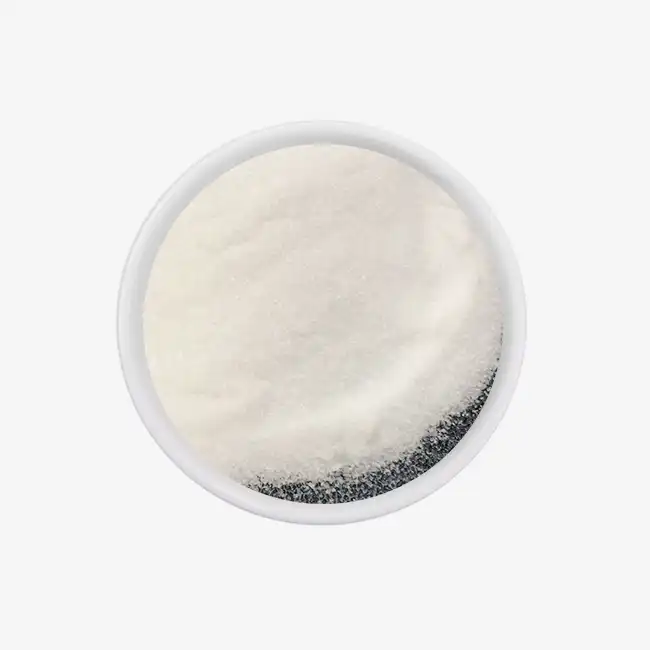
Understanding Pharmaceutical Solid Potassium Acetate
Chemical Composition and Pharmaceutical-Grade Standards
Potassium acetate (CAS NO. 127-08-2) is made up of a solid structure with one potassium cation bound to an acetate anion. The chemical dissolves easily in water, acid, and alcohol, which makes it easy to quickly add to a number of medicinal matrices. For pharmaceutical-grade standards, the quality must be at least 99.0%, with no more than 0.0005% heavy metals and no more than 0.01% chloride contamination. These strict standards separate pharmaceutical versions from scientific or industrial types, which might have impurities that can't be given to people.
Good Manufacturing Practices (GMPs) make sure that particles are all the same size, which reduces the amount of dust that forms during handling and increases the rate of breakdown. The material usually looks like uniform white crystals, and the controlled moisture content keeps it from clumping together too soon, which can happen when hygroscopic salts are stored. Following the instructions in the USP, EP, BP, and JP pharmacopeial guides guarantees that every batch meets the standards set by international regulators, which is a must for medicinal uses.
Physiological Role in Electrolyte Balance
When used in living processes, pharmaceutical solid potassium acetate has two therapeutic roles. The potassium part helps with hypokalemia by bringing back the amounts of potassium inside cells, which are needed for nerve communication, muscle contraction, and heart rate control. At the same time, the acetate part is broken down in the liver and changed into bicarbonate through the citric acid cycle. This biochemical change leads to systemic alkalinization, which makes pharmaceutical solid potassium acetate very good at fixing metabolic acidosis—a state where potassium chloride would make chloride overload worse.
The compound's ability to supply potassium without adding to the chloride load is helpful for people with hyperchloremic acidosis or who need to take extra electrolytes for a long time. This salt is preferred by doctors when dealing with complicated fluid and electrolyte issues, especially in critical care settings where there are many acid-base problems at the same time. The acetate's ability to buffer also keeps the pH stable in medicinal formulas, which keeps acid-sensitive active ingredients from breaking down while they are being stored and given.
Practical Applications Across Pharmaceutical Forms
Pharmaceutical solid potassium acetate can be used in a number of different dose types. In parenteral nutrition formulas, it gives people who can't get nutrition through their intestines the fluids they need. The substance dissolves completely in sterile water for injection, which makes sure that the solutions are particle-free and can be given through an IV. This meets the strict clarity standards of large-volume parenterals.
Pharmaceutical solid potassium acetate is needed to make sure that the electrolytes in dialysate solutions are perfectly balanced when making hemodialysate concentrate. Since there is no extra chloride, nephrologists can fine-tune conductivity without worrying about chemical problems in people whose kidneys aren't working well. The compound's ability to buffer is useful in antibiotic formulations, especially penicillin-based medicines where pH stability is directly linked to shelf life and medicinal effectiveness. Beta-lactam antibiotics in injectable solutions stay effective for longer when balanced with acetate salts, which stop the breakdown processes that are set off by changes in pH.
Pharmaceutical Solid Potassium Acetate vs. Other Electrolyte Sources
Solid Versus Liquid Forms: Stability and Handling Considerations
When you compare solid and liquid potassium acetate, you can see that each has its own benefits that affect your choice to buy. Solid crystalline forms are better for keeping because they stay potent for longer without cooling if they are stored properly. Solid preparations don't have any water in them, so microbes can't grow in them like they can in liquid mixes. This makes quality control easier and increases shelf life. Transportation services also like solid forms because they are more dense per unit volume, which means they are cheaper to ship and easier to handle safely.
In high-throughput production settings where automatic dosing systems need ready-to-use solutions, liquid formulations are more convenient. However, the fact that liquid products need agents and stabilizers adds more factors that affect how well they work together. Solid pharmaceutical-grade material lets makers exactly control the time and concentration of dissolution, making it easier to incorporate into a wide range of production processes. The crystalline structure also lets you see if there is pollution or breakdown, which is not possible with clear liquid solutions.
Potassium Acetate Compared to Alternative Acetate Salts
While sodium acetate does the same job of balancing, it doesn't have the potassium addition that is needed in many clinical situations. Sodium salts don't help patients who need to replace potassium, and they may even make sodium overload worse in people who are limited on fluids. Whether pharmaceutical solid potassium acetate or sodium acetate is used depends on the type of electrolyte shortage being treated. People with hypernatremia should use potassium salts, while people with hyponatremia may need sodium-based options.
Calcium acetate is another comparison point that is often used to bind phosphates in the treatment of kidney disease. Calcium and pharmaceutical solid potassium acetate both provide acetate ions to raise the pH level, but their cation parts work on very different body functions. Calcium supplements help with bone production and controlling parathyroid hormones. Potassium supplements help with heart and muscle function. Formulation scientists choose which of these acetate versions to use based on the therapeutic goal, knowing that the acetate anion's buffering qualities are the only ones that can be switched out, not its ability to correct electrolytes.
Quality Benchmarks and Certification Standards
Leading companies that supply pharmaceutical excipients have strict quality systems that are backed up by international licenses. ISO 9001 quality management standards make sure that production processes are always the same, and ISO 14001 environmental standards show that production methods are environmentally friendly. Facilities that make pharmaceutical solid potassium acetate for medicinal use usually have KOSHER and HALAL certifications. This makes it easier for goods meant for different cultural settings to get to market.
When choosing a supplier, it's best to give more weight to companies that send full Certificates of Analysis with every package. These certificates should show the heavy metal content through ICP-MS testing, residue solvent analysis, and microbiological screening. Traceability systems that allow tracking from batch to batch protect against pollution and make it easier to act quickly during quality reviews. The FDA, EMA, or regional authorities check production facilities to make sure they follow current Good production Practices. This makes sure that goods always meet pharmacopeial standards.
Procurement Insights: Sourcing Pharmaceutical Solid Potassium Acetate
Evaluating Supplier Credibility and Manufacturing Capabilities
Thoroughly qualifying suppliers is the first step to successful buying. Zhaoyi Chemical, which has been making acetate salts since 1988 and is a good example of the production scale and scientific know-how that B2B buyers should look for, was founded in 1988. A production capacity of 150,000 tons per year shows that the infrastructure can handle big contracts without lowering quality or delaying deliveries. The fact that pharmaceutical-grade production facilities are 27,000 square meters and have their own quality control labs shows that a lot of money has been spent on process control and analysis tools.
A supplier's certification portfolio shows how committed they are to meeting foreign standards. Getting ISO 9001, KOSHER, or HALAL certifications shows that you follow quality management systems that are known all over the world. This makes it easier to get finished medicinal goods exported without running into problems with the law. Suppliers that offer foreign paperwork and help with customer facility checks show that they are open and focused on the customer. In addition to low prices, having access to expert help 24 hours a day, seven days a week, preferably from application scientists who are familiar with the challenges of pharmaceutical formulation adds a lot of value.
Balancing Purity, Pricing, and Supply Chain Efficiency
Procurement experts have to make tough decisions about how to balance the cost of materials, the accuracy of specifications, and the dependability of delivery. Pharmaceutical solid potassium acetate costs more than technical grades because it needs to go through more steps of processing, quality testing, and paperwork to make sure it meets pharmacopeial standards. Buyers should fight the urge to use lower-quality materials instead, because problems with the recipe or not following the rules because of impurities will cost a lot more in the long run than saving money on ingredients.
Different sellers have different minimum order amounts. Buying in bulk can unlock volume discounts, but it also comes with costs for keeping goods on hand. Reliable providers give clear wait times—usually five to seven working days for normal pharmaceutical-grade material—so procurement teams can make the best use of stock without putting production at risk. Flexible packaging choices, like 25 kg woven bags for smaller formulation runs or 1000 kg ton-bags for large-scale production, meet a range of practical needs and reduce wasteful material handling.
Purchasing Channels and Risk Mitigation Strategies
When compared to multi-tiered distributor networks, working directly with makers like Zhaoyi Chemical is better for flexibility, technical help, and supply security. Through direct buying, you can avoid the markups that come from middlemen and build relationships with production staff who know exactly what you need for your application. A lot of the time, manufacturers can meet specific purity requirements or particle size ranges that distributor stock that has already been packed can't.
Complete supplier deals should include quality standards, testing procedures, outputs for paperwork, and backup plans in case of supply disruptions. Escrow samples that are kept from each package can be used for future reference testing if problems with the mixture happen. If it's possible, dual-sourcing methods protect against being dependent on a single seller. However, pharmaceutical change control processes make switching suppliers a lot of work. Talking to your seller ahead of time about expected demand lets you plan production in a way that works for everyone, making sure that the supply of materials fits with your production schedules.
Ensuring Safety, Stability, and Quality in Usage
Handling Precautions and Contamination Prevention
To keep its purity and keep people safe, pharmaceutical solid potassium acetate needs to be handled carefully. Because the substance is hygroscopic, it needs to be moved and weighed in dry areas. This is because absorbing water causes caking and could cause weight errors that affect the accuracy of the mixture. Wearing protective gear like gloves, safety glasses, and dust masks should be standard practice because tiny crystals can hurt the lungs while materials are being moved.
Cross-contamination with technical-grade chemicals or other acetate salts can't happen because pharmaceutical-grade materials are kept separate from them by special tools. Stainless steel or high-grade plastic containers don't rust and are easy to clean and validate according to the rules needed in pharmaceutical production. Separated storage places with limited access lower the risk of pollution from substances that don't mix. Monitoring systems that keep an eye on temperature and humidity in the environment let people know right away when conditions exist that could lower the quality of materials before they are used in production runs.
Optimal Storage Conditions for Extended Shelf Life
The chemical should be kept in buildings that are dry, well-ventilated, and away from sources of heat and wetness. Temperature-controlled facilities that keep the air below 25°C and the relative humidity below 40% keep the crystal structure and stop it from hydrating too soon. Original packaging, like 25 kg plastic weave bags or bigger ton-bags, protects the goods at first, but once they're opened, moving them to moisture-barrier containers with desiccant packets makes them last longer.
Separating products physically from harmful chemicals, strong oxidizers, and reactive materials is required by laws for storing dangerous materials and protects the quality of the product. Handling things carefully when moving keeps bags from tearing and materials from spilling, which is wasteful, can cause accidents, and could be bad for the environment. First-in, first-out inventory movement makes sure that older materials get used up before they go bad, so the quality stays the same across all manufacturing efforts.

Dosage Form Compatibility and Formulation Considerations
For injectable products to work, they need to be very pure and compatible with cleanliness. Pharmaceutical solid potassium acetate must not break down or form particles when autoclaved or filtered in a clean way. Before the substance is made, tests should be done to make sure it dissolves completely in clean water for injection, creating clear, colorless solutions that don't contain any bits that could cause an embolism when given intravenously. Testing for compatibility with other parts of the mixture, like vitamins, amino acids, and fatty emulsions in parenteral nutrition, stops precipitation reactions that could be harmful to the patient.
Oral formulas can have less strict quality requirements, but they still need pharmaceutical-grade materials to make sure there are no harmful contaminants. The way a tablet compresses, how it dissolves, and how it tastes all rely on the crystal shape and particle size distribution. Formulation scientists should work closely with producers to make sure that the properties of the materials they buy are compatible with the tools that will be used later and the final products that are wanted. This way, the new materials can be easily added to the processes that are already in place for making other products.
Why Pharmaceutical Solid Potassium Acetate Is the Preferred Electrolyte Source?
Because it can both add potassium to the body and make it more alkaline, this substance meets therapeutic needs that other salts don't. Because it doesn't contain chloride, it doesn't cause hyperchloremic problems in people who need long-term electrolyte treatment. This makes it the usual choice in intensive care and renal medicine. Better dissolving properties get rid of the risk of particles in parenteral uses, and better buffering properties keep pH-sensitive drugs stable over the course of their shelf life.
When big pharmacopeias agree on a product, it makes it easier for pharmaceutical companies to register it around the world because they don't have to figure out how to meet the specific requirements of each area. Due to decades of clinical use, the substance has a well-established safety profile that lowers toxicological worries during new drug applications compared to novel excipients that need extensive safety dossiers.
More pharmaceutical solid potassium acetate is being used because more people are needing home dialysis and mobile parenteral nutrition. This is good for drug companies that use this ingredient because it creates new market possibilities. New developments in controlled-release formulations and mix treatments keep making uses more flexible, which suggests that demand will continue to rise. When suppliers engage in production capacity and quality processes, they set themselves up for success in this growing market, giving buyers peace of mind about their long-term supply security.
Conclusion
Pharmaceutical solid potassium acetate provides important electrolyte functions by adding potassium and alkalinizing the body's fluids. It meets important needs in parenteral feeding, dialysis solutions, and electrolyte replacement treatments. Its pharmaceutical-grade purity, legal acceptance, and ability to work with a wide range of formulations make it an essential product for makers who care about quality. To do good buying, you need to look at sellers' manufacturing skills, certification standards, and the dependability of their supply chains. You also need to make sure that handling procedures protect the integrity of the materials. Knowing how the compound reacts chemically, how it should be stored, and how it performs in different applications gives business-to-business buyers the confidence to source with confidence, making sure their medicinal goods are safe and effective for patients.
FAQ
What distinguishes pharmaceutical-grade from technical-grade potassium acetate?
Pharmaceutical-grade material goes through a lot of cleaning to get rid of heavy metals, salt, and microbes that might be harmful, as required by USP, EP, BP, or JP standards. Technical grades have higher amounts of impurities that make them good for de-icing or industrial processes but not for human use. The production setting, quality testing procedures, and level of detail in the paperwork are all very different between grades, which is why they cost different amounts for pharmaceutical uses.
Can potassium acetate replace potassium chloride in all formulations?
Replacement depends on the goals of therapy. Pharmaceutical solid potassium acetate is useful for treating metabolic acidosis or fixing low potassium levels in people who are overly chlorinated due to high chloride levels. Potassium chloride is still the best choice when chloride adjustment is needed at the same time. The acetate version costs more, but it has metabolic benefits that chloride salts can't match. This means that choices about replacement rely on the situation.
How should pharmaceutical solid potassium acetate be stored after opening packaging?
Moving the stuff right away to containers that are airtight and keep wetness out is important. These containers should be kept in controlled settings below 25°C with relative humidity below 40%. Add desiccant packets to soak up any extra water. Put dates on the packages that say when they should be opened and use first-in, first-out rotation to cut down on contact time. During measuring, keep the items from being exposed to air for long periods of time to avoid hygroscopic caking, which can affect the accuracy of the measurements.
Partner with Zhaoyi Chemical for Premium Pharmaceutical Solid Potassium Acetate Supplier Solutions
Zhaoyi Chemical has been making acetate salts for over 35 years and can provide pharmaceutical solid potassium acetate. Our yearly production capacity of 150,000 tons meets the needs of both small-scale formulation research and large-scale commercial manufacturing. Every batch is checked carefully to make sure it meets the strict standards set by the USP, EP, BP, and JP pharmacopeial groups. Full Certificates of Analysis show that the purity is above 99.0%, the heavy metal content is below 0.0005%, and the chloride contamination is below 0.01%.
We know that choices about procurement involve more than just specs. They also involve things like supply reliability, expert help, and following the rules. Our ISO 9001, KOSHER, and HALAL certifications show that we are committed to meeting international quality standards. Our multilingual paperwork and customer facility audit support make it easy for us to fit into your pharmacy supply chain. Five to seven working days for production lead times and a range of packaging choices, from 25 kg bags to 1000 kg ton bags, make it possible to meet a wide range of operating needs.
Email our technical team at sxzy@sxzhaoyi.com to talk about your unique formulation needs, ask for examples of our products, or get full quotes. Check out our full range of products at zhaoyichemical.com to see how our 30 years of experience in acetate chemistry can help you make better pharmaceuticals. Get your pharmaceutical solid potassium acetate from a company that cares about quality, dependability, and customer satisfaction.
References
1. United States Pharmacopeia. "Potassium Acetate Monograph." USP-NF 2023, Official Compendium Standards, Rockville, MD, 2023.
2. Kraut, Jeffrey A., and Nicolaos E. Madias. "Metabolic Acidosis: Pathophysiology, Diagnosis and Management." Nature Reviews Nephrology, vol. 6, no. 5, 2010, pp. 274-285.
3. Shrikhande, Dhanashree, et al. "Excipient Stability in Pharmaceutical Formulations: A Practical Approach." Journal of Excipients and Food Chemicals, vol. 4, no. 3, 2013, pp. 95-112.
4. European Pharmacopoeia Commission. "Potassium Acetate: Quality Standards and Analytical Methods." European Pharmacopoeia 10th Edition, Council of Europe, Strasbourg, 2020.
5. Mount, David B. "Fluid and Electrolyte Disturbances in Renal Disease." Harrison's Principles of Internal Medicine, 21st Edition, McGraw-Hill Education, New York, 2022, pp. 2985-3001.
6. Handbook of Pharmaceutical Excipients Editorial Board. "Potassium Acetate: Physical Properties and Pharmaceutical Applications." Handbook of Pharmaceutical Excipients, 9th Edition, Pharmaceutical Press, London, 2020, pp. 672-675.

USER EVALUATE
Here is the customer's evaluation of us