



Understanding Potassium Acetate Grades and Purity Levels
It's important to know exactly what the product specs are when you buy chemicals for important business tasks. It's a white, crystalline material called industrial solid potassium acetate (CH3COOK). It dissolves easily in water and is used for many things, from de-icing airports to drilling in oil fields. There is a direct link between grades and pure levels and how well something works, how long it lasts, and how well it meets the law. You need to know how the manufacturing standards, impurity limits, and approval methods work with your business in order to choose the right grade. This guide spells out these differences so that teams in charge of buying can make decisions that are good for both money and success.
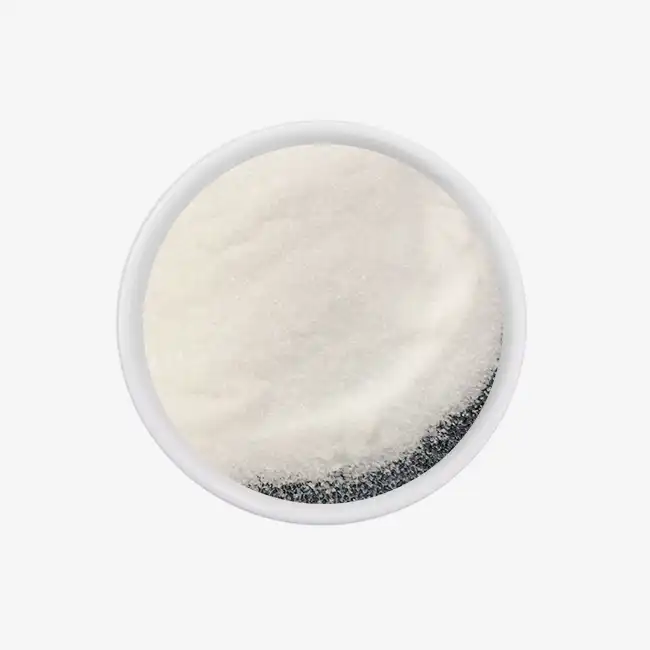
Overview of Industrial Solid Potassium Acetate Grades and Purity Levels
Buyers can better match the product's specs to their needs when they know how the different kinds of industrial solid potassium acetate are grouped. This useful acetate salt is broken down into different types in the chemistry field based on how pure it is and how many flaws are allowed.
Technical Grade: The Workhorse for Industrial Applications
Industrial solid potassium acetate that is technical grade is usually between 98.0% and 99.0% pure, which means it can be used in tough industrial settings. To keep infrastructure from rusting, this grade pays close attention to the amount of salt (below 0.2%) and iron impurities (below 0.05%). The technical grade material is used by airport owners and city highway departments because it lowers the freeze point to -60°C without harming metal like chloride-based materials do. This white crystalline powder doesn't melt easily, so it can be mixed quickly with air-deicing liquids that meet SAE AMS 1435 standards.
Pharmaceutical and Food Grade: Meeting Stringent Regulatory Standards
Industrial solid potassium acetate that is pharmaceutical or food-grade and has a purity level above 99.0% is needed to store food and make drugs. To be sure they meet FDA rules and pharmacopeia standards, these premium types are cleaned up even more and tested in very strict ways. The amount of heavy metals in the water drops to parts per billion, and tests for bacteria show that there are no diseases. This grade is used by food companies to keep things fresh and as a pH buffer. Drug companies add it to recipes where flaws could make the drug less effective or less safe for patients.
Commercial Grade: Cost-Effective Solutions for Less Critical Uses
Something is industrial grade if its purity level is between 95.0% and 98.0%. It is used when the quality of the chemical is not as important. That grade is used in farming to add potassium to fertilizer mixes. The crops are not affected by the slightly higher impurity levels. Since commercial grade is less expensive than other grades, it can be used in large amounts to prepare land and in chemical production processes where there is a low risk of chemical poisoning.
All of the grades have the same molecular weight (98.14 g/mol) and great solubility (about 253 g/100 ml at 20°C). But because of the controlled impurity levels, each group is better for a different type of business situation.
Comparison of Potassium Acetate Grades: Key Factors for Decision-Making
When you compare industrial solid potassium acetate to other things and see it in both solid and liquid form, it's easier to decide what to buy. It is shown in these studies that performance trade-offs have an impact on the total cost of ownership.
Potassium Acetate Versus Sodium Acetate in Denitrification
In wastewater treatment plants, industrial solid potassium acetate or sodium acetate can be used as a carbon source for bacteria that break down nitrogen in wastewater. Potassium acetate costs more per ton than sodium acetate, but it adds good potassium ions that help bacteria' metabolisms without making waste streams more sodium-rich. If a facility has to follow strict sodium rules for their waste, potassium acetate helps them do so in ways that make up for the extra cost. It depends on the rules that are in place and the nature of the water to decide which material to use. Both provide easily biodegradable organic carbon.
Chloride Salts Versus Acetate-Based De-icers
Most of the time, calcium chloride and sodium chloride are used to melt snow and ice, but they damage the tarmac, steel support, and plants next to the road. These problems are solved by industrial solid potassium acetate, which doesn't rust and breaks down on its own. When infrastructure managers figure out total costs, they look at things like less money spent on repairs, a ground that lasts longer, and not having to clean up after repairs. The pH range of 7.5 to 9.0 in a 5% solution is normal to slightly alkaline, which protects delicate runway lighting systems and composite bridge materials. This shows that the cost of goods at the start is only one part of how the economy works as a whole.
Solid Versus Liquid Forms: Logistics and Application Considerations
It is clear that industrial solid potassium acetate is better for industrial use than watery potassium acetate that has already been watered down. It is less expensive to move solid things than wet ones. For instance, there is the same amount of active ingredient in a 25 kg bag of crystals as there is in several drums of 50% solution. Companies that store dry building space instead of hot tanks for liquids find it easier to keep track of how much room they need. By mixing the hygroscopic crystals with water on-site, different ratios can be made. This is done by a reaction that gives off a little heat and helps the mixing process.
The solid form needs to be kept in a place where the humidity level stays below 50% and it doesn't get wet. Multi-layer polyethylene or polypropylene weave bags are often used for this. Liquid forms don't need these steps for handling, but they cost more to ship and make people in cold places worry about how they will keep the product from freezing.
Evaluating Supplier Documentation and Certifications
People you can trust will give you a lot of information that shows the grade standards and how the products are always made. The Certificate of Analysis (COA) report should have details about the amount of wetness, the pH level, the types of impurities, and the percentage of cleanliness for each output run. You can show that you know the rules and care about chemical safety by having Material Safety Data Sheets (MSDS) in the right languages.
Some companies have certifications from ISO 9001 for quality management, ISO 14001 for environmental compliance, and ISO 45001 for workplace health. These show that the company has a plan for making great goods. People who want to buy food and drugs need special licenses, such as KOSHER and HALAL, and proof that the product meets FDA or European Pharmacopoeia standards. Traceability systems that link batch codes to production dates and raw material sources let you act quickly if there are problems with quality. This keeps your supply chain running smoothly for long periods of time.
How Industrial Solid Potassium Acetate is Manufactured and Quality Controlled
Top providers are different from commodity makers because of the steps they take to make their products. These steps directly affect how pure and regular their products are. Buyers can tell how good a seller is by how well they follow these rules for testing and production.
Production Methods Affecting Grade and Purity
Acetic acid and potassium hydroxide or potassium carbonate mix to make a neutral acid. This is how industrial solid potassium acetate is made. Even though the chemistry behind the reaction seems easy, it takes careful control of the amounts of ingredients, reaction temperatures, and crystallization conditions to get a very pure result. The best makers start with materials that are safe for use in medicine and do the processes in tanks that don't rust, so metal doesn't get mixed in.
Crystallization and drying get rid of any water that is still there and separate the product from anything else that isn't good. To meet scientific grade standards, the amounts of chloride and sulfate are dropped through several steps of spinning and washing. Controlled drying at temperatures below 292°C stops thermal breakdown and gets the moisture level to the right level, which is generally less than 2.0% for best store stability.

Quality Testing Standards and Compliance Protocols
How hard their tests are can tell you the difference between stars in the field and average providers. Standard testing methods are used in labs that have titration, ion chromatography, and spectrophotometry tools to make sure the material is of good quality. A silver nitrate titration is used to measure the chloride level. It can find contamination as low as 0.2%. To find out how much iron, lead, and other heavy metals are present at a parts-per-million level, atomic absorption spectroscopy is used.
To check for moisture, Karl Fischer titration or loss-on-drying are used. This keeps things steady while they are being kept. The pH levels of standardized goods show that they can balance and carry out the task at hand. Good manufacturers test each batch of their goods in these ways and keep detailed records that let you follow them all the way through the supply chain.
Storage and Handling Best Practices
If you store something properly, it will keep working well and being clean for as long as it lasts, which is usually two years. When you want to keep industrial solid potassium acetate, you should do so in a dry, well-ventilated area with low humidity. To keep bags safe, they shouldn't touch the floor or be stacked too high, or they could squeeze the bottom layers and cause the caking process to happen faster.
Wet things get soaked up when the temperature changes, so climate-controlled buildings are better than open or partly covered storage. Keep things away from strong oxidizers and acids and other things that don't work well together. This keeps them from getting contaminated and poses safety risks. People who work with bags should always wear the right safety gear, and any broken packaging needs to be remade right away to keep water out.
Covered freight that keeps things dry and out of the rain and hot weather should be part of transportation rules. Bag tears are kept to a minimum by being careful when loading and dumping, so goods don't lose quality before they get to your place.
Benefits of Selecting the Right Potassium Acetate Grade for Your Industry Needs
You can save money, help the environment, and run your business better when you match the right product type to the right application. When you choose the right grade, buying chemicals is no longer just a transaction; it's a choice that adds value.
Operational Efficiency and Performance Optimization
When digging in the oilfield, using technical-grade industrial solid potassium acetate in water-based mud mixes is the best way to keep shale stable. Potassium ions move between the rows of lattices in the clay, stopping them from expanding and contracting. This would stop the digging. There are no solids added to high purity drilling fluid, so the density stays the same. Solids add to the permeability of the pool. One drilling company saw a 22% rise in entry rates when they moved to high-grade industrial solid potassium acetate. It saved a lot of time at work.
Deicing at a major regional airport showed that technical-grade material kept the pavement's friction coefficients above safety levels during winter storms and got rid of the rust-related sensor failures that happened with their old chloride-based program. The chemical that didn't rust made ground support tools last longer and cut down on the number of times planes had to be washed.
Cost Reduction Through Informed Procurement
When commercial-grade industrial solid potassium acetate was added to municipal wastewater treatment plants during certain times of the year, they were able to meet nitrogen release limits while spending less money than plants that used other carbon sources. When the plant bought in 1000 kg ton bags, the purchasing manager said that the cost per unit and the cost of getting rid of the packing trash went down.
Pharmaceutical-grade material was used as a trigger by chemical companies to make polyurethane. This got rid of batch rejects that were caused by side reactions from impurities. Good returns and less rework were thought to cut overall production costs by 8%, even though the cost of raw materials went up.
Environmental Compliance and Sustainability Advantages
When recyclable industrial solid potassium acetate de-icers are used instead of permanent chloride de-icers, watersheds and sea ecosystems are kept safe. Because the material doesn't need much cellular oxygen, it stops oxygen depletion events that hurt fish populations in streams that get water. It's good for the environment that earth bacteria don't make any harmful byproducts when they break down acetate. This helps businesses stay true to their eco-friendly plans and connect with the local community.
Agricultural users like potassium because it feeds plants and keeps pH levels in check without letting sodium build up in the soil, which over time hurts soil health and food yields. The picture of the world fits with the rules for organic farming and other ways of growing that are good for the earth.
Procurement Best Practices for Industrial Solid Potassium Acetate
When you buy something, you should think about more than just the price. They also check to see how dependable the service is, how well they can help with technical problems, and how long the relationship might last.
Evaluating Supplier Credentials and Quality Assurance
First, find out how knowledgeable and skilled at making things a seller is. With roots going back to 1988, Shanxi Zhaoyi Chemical has been making acetate for over 30 years. The machine is 27,000 square meters and can make 150,000 tons of industrial solid potassium acetate a year. This scale rates how well a business can keep big contracts without having to stop making things.
Having a lot of certificates shows that you care about quality control systems. Check that the company has more than just ISO 9001 certification. Make sure they also have ISO 14001 for environmental management and ISO 45001 for health and safety at work. Having certificates like KOSHER and HALAL shows that you can cater to a lot of different customers and cultural needs.
People who work in the same line of work as you can give you customer names. For straight information on how reliable delivery is, how quickly technical help reacts, and how problems are fixed when quality issues show up, talk to procurement managers at companies that are similar to yours.
Pricing Structures and Order Quantity Considerations
You can get better deals if you know how prices work. When people buy a lot of something, they can usually get a tiered discount. But buyers have to weigh the savings on unit costs against how much it costs to store the goods and how much room they have. Some sellers have programs that handle your goods so that you always have the things you need without having to worry about where to store them.
Sometimes prices change because of changes in regular demand, like when it's used for de-icing. You can get better rates and make sure you have enough goods for the busy winter months by forward contracting during slow times. One way for suppliers to build trust is to show their prices along with the costs of goods, labor, and shipping. This makes negotiations more fair and builds trust.
Building Long-Term Supplier Relationships
Transactional buying misses chances to work with providers to make things better. Talk to providers who know a lot about technology about the issues you're having with your apps and the limits of what you can do. They can then tell you what grades are best and how to change the plan. Manufacturers stop being just suppliers when they have on-site workshops and expert help that is ready 24 hours a day, seven days a week.
Set up clear ways to talk to each other and steps for what to do in an emergency. If a provider gives you a personal account manager, it shows that they value your business and will keep things running smoothly even if staff changes happen. When you review a business on a regular basis, you can talk about new wants, quality trends, and better ways to do things.
In the contract terms, lead times should be written down, and goals should be based on how production really works. Good providers, like Zhaoyi Chemical, can make standard grades in 5 to 7 days. This lets you replace quickly without having to keep too much on hand for safety reasons. Both you and the seller will benefit from payment terms that help them stay in business and get cash flow.
Conclusion
You need to know how chemistry standards fit with the needs of different businesses in order to understand the different kinds and amounts of purity of industrial solid potassium acetate. For de-icing and drilling, technical-grade material is best. Its pure level of above 98% and few flaws make sure the job gets done without hurting infrastructure. Pharmaceutical-grade options can be used in food and drugs because they follow strict government rules. Commercial grades are a good choice when slightly higher pollution levels don't affect activities. Good buying doesn't just look at unit prices; it also looks at technical standards, the stability of the source, and the total cost. If you work with experienced manufacturers who can give you all the paperwork, quality certifications, and expert help, buying chemicals can be a strategic benefit.
FAQ
What is the clear amount that we need to set for de-icing the runways?
Industrial solid potassium acetate that is at least 98% pure and of technical grade meets standards in the aircraft business, like SAE AMS 1435. For parts of planes and tools on the ground not to rust, chloride levels must be less than 0.2%. For surfaces not to get stained, iron impurities must be less than 0.05%. For the sake of the world, the material should be able to keep working at -60°C and show that it can break down on its own.
How can we be sure that the things are good before we accept big shipments?
When you buy something, make sure you get a Certificate of Analysis for each batch that shows the pH, the amount of wetness, the percentage of purity, and the profiles of impurities. Reliable suppliers will also give you ways to sample the product so that any lab can check them. You should decide what to accept or refuse in purchase agreements. Also, the goods should be tested by a third party on a regular basis to make sure the seller is living up to their word. Traceability tools that link batch codes to output records let you keep an eye on quality.
Does the kind of potassium acetate really make a difference in how long it lasts?
When kept in the right way, grades with better purity generally last longer. If you store technical and pharmaceutical types in climate-controlled buildings with moisture-proof packing, they will stay in good shape for two years. If industrial solid potassium acetate types have a lot of flaws, they might not be as stable for as long. Getting wet speeds up the caking and clarity loss process, no matter what grade. The way the item is stored is more important for long-term security than its original grade.
Partner with Zhaoyi Chemical for Premium Industrial Solid Potassium Acetate Supply
Zhaoyi Chemical has been making acetate well for more than 35 years and sends it to industries around the world that need it. Our technical-grade industrial solid potassium acetate is ≥99.0% pure and has very low levels of impurities. It is certified by ISO, KOSHER, and HALAL. We help purchasing teams by giving them thorough paperwork, quick technical support 24 hours a day, and production plans that are adaptable to meet urgent needs. We are a dependable source of industrial solid potassium acetate. The fact that we can hold 150,000 tons per year means that we always have enough, even when we're busy. Email our buying experts at sxzy@sxzhaoyi.com to talk about your specific application needs, get full product specs, and learn how our commitment to quality and client relationship can help your business run more easily.
References
1. American Society for Testing and Materials. (2021). Standard Specification for Runway and Taxiway Deicing/Anti-Icing Materials. ASTM International.
2. Environmental Protection Agency. (2020). Evaluation of Acetate-Based Deicing Compounds: Environmental Impact and Performance Characteristics. EPA Office of Research and Development.
3. Society of Petroleum Engineers. (2019). Potassium Acetate Applications in Water-Based Drilling Fluids: Shale Inhibition Mechanisms and Performance Data. SPE Technical Publications.
4. International Organization for Standardization. (2018). Quality Management Systems for Chemical Manufacturing: Requirements and Guidelines. ISO Standards Catalog.
5. Water Environment Federation. (2022). Carbon Source Selection for Biological Nutrient Removal: Comparative Analysis of Organic Compounds. WEF Technical Practice Committee.
6. Food Chemicals Codex. (2020). Potassium Acetate: Specifications and Test Methods for Food-Grade Applications. United States Pharmacopeial Convention.

USER EVALUATE
Here is the customer's evaluation of us