



Potassium Acetate: Environmentally Safe and Efficient Deicer for Critical Infrastructure
When winter weather puts practical safety at risk on runways, roads, and other important infrastructure, decision-makers are often faced with the same problem: how to maintain ice-free surfaces without damaging the environment or speeding up the breakdown of structures. Using deicing solid potassium acetate to melt ice is a huge step forward in solving this problem. As low as -30°C, this white crystalline substance (CH3COOK, CAS 127-08-2) melts ice very quickly and easily, and it doesn't corrode or break down easily either. Acetate-based formulations are better for protecting infrastructure investments and the ecosystems around them than chloride-based salts, which damage concrete and pollute waterways. This is why airports, city governments, and facility managers who want to run their businesses in a sustainable way choose them.
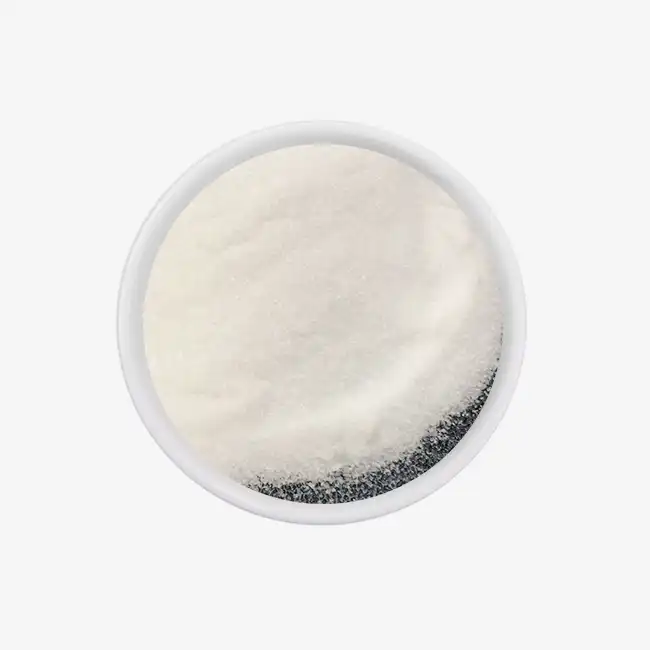
What is Solid Potassium Acetate and How Does It Work for Deicing?
Chemical Composition and Physical Properties
Deicing solid potassium acetate (CH3COOK) has a molecular weight of 98.14 and comes in the form of white crystals that are easy to dissolve in water, acids, and alcohols. This high rate of solubility is very important for deicing because fast dissolving speeds up the melting process. Unlike sodium chloride, which only works at temperatures around -9°C (15°F), this compound stays useful at much lower temps than regular rock salt. It can work at -30°C (-22°F).
There are two main types of the material: solid pellets or prills that can be used when it's dry, and strong liquid solutions that can be used to wet the surface first or spray directly on it. Solid formulations have benefits for long-term keeping and efficient shipping. This is especially important when buying in bulk to get ready for peak season demand.
Freezing Point Depression Mechanism
The deicing process works by lowering the freezing point, which is a collagative feature that depends on the quantity of dissolved particles rather than the identity of the particles. Deicing solid potassium acetate crystals break apart into potassium (K+) and acetate (CH3COO-) ions when they come in contact with water in snow or ice. These ions mess up the network of hydrogen bonds that keep the structure of ice at the molecular level. This stops water molecules from arranging themselves in crystalline lattice patterns.
An exothermic dissolving process is what sets acetate molecules apart from chloride salts. Deicing solid potassium acetate gives off heat as it melts, speeding up the melting process and making it easier to get through layers of ice than endothermic options that soak up heat from the air. This thermodynamic benefit means that cleaning times are shorter and application rates are lower.
Application Methods for Large-Scale Infrastructure
Equipment that is calibrated and planned time are needed for placement to work well. Granular material is spread out on runways, bridge decks, and parking buildings by solid spreaders with spinner discs. Rates of application are usually between 50 and 150 grams per square meter, but they depend on how thick the ice is, how cold it is outside, and how much rain is falling. As part of pre-treatment methods, material is put down before a storm. The hygroscopic nature of deicing solid potassium acetate stops ice from sticking to sidewalk surfaces.
A lot of the time, airports use special vehicles with electronic systems that change the output based on the conditions of the surface, which are tracked by sensors built into the vehicles. These materials are used by highway repair companies in anti-icing programs. Their proactive use lowers the amount of mechanical work needed to remove snow and keeps traffic moving as smoothly as possible during winter weather events.
Benefits and Environmental Impact of Potassium Acetate Deicer
Ecological Advantages Over Chloride-Based Products
Traditional deicing salts with sodium chloride or calcium chloride stay in the ground and water long after winter operations are over. They raise the salinity levels, which is bad for plants and animals that live in watery environments. Environmental engineering studies show that chloride ions build up in groundwater stores. In some urban areas, the levels are higher than what is safe for aquatic life.
Deicing solid potassium acetate has a very different effect on the world. The acetate anion is broken down biologically by microbes, turning into carbon dioxide and water without leaving behind any unwanted substances. Because it breaks down naturally, the compound can be used in places that are good for the environment, like around airports near marshes, on bridge approaches to protected waterways, and at sites close to drinking water sources. When present in the right amounts, the potassium part is actually a good food for soil systems. This is very different from the way salt builds up and hurts the soil.
Operational and Safety Benefits
In addition to being better for the environment, the complex has real practical benefits that make it a good choice for high-value infrastructure. Professional-grade formulas are different in the following ways:
- Non-Corrosive Properties: Regular chloride deicers speed up the oxidation of steel support in concrete buildings, metal airplane parts, and vehicle undercarriages. Tests done by a third-party lab show that deicing solid potassium acetate, when mixed correctly, has corrosion rates on carbon steel below 0.03 g/m²·h. This is 90% lower than calcium chloride under the same conditions. This security makes the infrastructure last longer and lowers the costs of repairs for corrosion and new parts.
- Enhanced Safety Margins: the fast melting action shortens the time that dangerous conditions last, lowering the risk of responsibility and increasing the continuation of operations. According to aviation safety rules, this trait is especially important because longer airport shutdown times cause delays for all airlines.
- Material Compatibility: Acetate solutions have an alkaline pH range (9–11), which means they won't break down concrete, asphalt, or specific finishes that are used on modern infrastructure. Because it works with other things, you don't have to worry about surface etching or joint glue breaking down, which can happen with chloride-based programs.
These benefits make premium deicing materials an appealing value offer for facility managers who have to balance immediate operational needs with long-term asset preservation goals. This is especially true when the cost of replacing infrastructure is much higher than the extra cost of premium deicing materials.
Handling and Storage Guidelines
When handling large amounts, it's important to keep in mind that the chemical absorbs water. Low humidity should be kept in storage areas by making sure there is enough air flow and moisture barriers. Standard packing in 25 kg plastic weave bags or 1000 kg ton-bags makes it easier to handle the goods while keeping their quality during transport. Warehouses need to keep deicing materials away from things that don't go with them and away from heat sources so that the materials don't harden or break down. People who work with concentrated product should wear standard chemical safety gear like gloves and eye protection, even though the material isn't as dangerous to your health as many other deicing compounds.
Comparing Potassium Acetate with Other Common Deicers
Performance Characteristics Across Product Categories
Municipal and corporate purchasing teams look at deicing goods in a number of different ways to see how well they work. Calcium chloride can quickly melt and work at low temperatures, but it can also dissolve water, which makes surfaces slippery, and it can corrode metals, which damages buildings. Another option is magnesium chloride, which is a little less toxic but still works pretty well. However, both types of chloride damage the environment by increasing salt over time.
Sodium acetate is good for the environment in the same ways that deicing solid potassium acetate is, but it needs to be used at higher rates to have the same melting performance because its eutectic qualities are not as good. Some people like urea-based products because they are cheap at first, but they lose their usefulness quickly below -7°C, and the nitrogen in them adds to eutrophication in water bodies, which causes algae blooms that remove dissolved oxygen and hurt aquatic ecosystems.
When compared to other products on the market, deicing solid potassium acetate stands out because it works better at low temperatures, is more compatible with infrastructure, and is actually better for the environment. Even though the materials are more expensive than chloride goods, acetate solutions are often more cost-effective over the course of their entire life cycle, as they cause less rust damage, last longer, and save money on cleaning up the environment.
Supply Chain Considerations for B2B Procurement
Sourcing choices aren't just about unit price; they also involve supply stability, quality consistency, and the ease of logistics. Industrial buyers give more weight to makers who have shown they can meet seasonal demand spikes without having to allocate resources or delay orders. Shanxi Zhaoyi Chemical has factories that can make up to 150,000 tons of chemicals every year. These factories are certified by ISO 9001, ISO 14001, and ISO 45001, which prove that they follow quality management systems and environmental rules.
Total delivered costs are affected by minimum order amounts, lead times, and the logistics of shipping in a big way. Buyers benefit from building relationships with suppliers that have smart ties with foreign shipping companies. This allows for consolidated packages that make the best use of containers and lower the cost of freight per unit. Contract terms that cover price stability, "force majeure" situations, and performance guarantees help lower risks even more for businesses that count on winter repair programs running smoothly.
Procurement Guide for Bulk Deicing Solid Potassium Acetate
Supplier Evaluation Criteria
To choose the right producing partners, you need to look at more than just the prices they offer. Technical specs are the basis for quality control, and professional formulas have to meet strict purity standards (CH3COOK content ≥99.0%, salt ≤0.2%, water insoluble ≤0.05%). A third-party lab test shows that the material fits performance standards, such as a deicing rate of at least 80% in one hour at -20°C and corrosion limits.
Portfolios of certifications show a dedication to quality and market access. ISO marks show that methods for process control and ongoing improvement work. Kosher and Halal certifications make it easier for facilities that need to follow religious dietary rules to do so. This is especially important for food-grade uses or mixed-use buildings. It is important for the aviation business to make sure that goods they buy meet the standards set by SAE AMS 1431, which is an aerospace material guideline.

Contract Structuring and Inventory Management
Supply security and the cost of keeping products in stock should be balanced in good buying strategies. Seasonal patterns of demand can be hard to deal with because winter weather events tend to concentrate consumption into short time frames while long storage periods tie up working capital. Multi-year contracts that include planned deliveries during the months before the season start keep cash flow smooth and make sure that materials will be available during times of high demand.
The total cost of ownership is affected by the storage system needs. Because deicing solid potassium acetate absorbs water, it needs to be stored in a climate-controlled area or in special packaging that doesn't let water in. Buyers who don't have the right storage space can talk to sellers about vendor-managed inventory arrangements. In these cases, sellers keep stock at regional distribution centers and fill orders with shorter wait times. This way, buyers don't have to worry about storage management but still have a guarantee of supply.
Tailored Solutions for Sector-Specific Requirements
Aviation operations need the highest standards of performance and approval. The requirements for buying things include aerospace material standards and batch-specific paperwork that shows how the products were made. Highway repair workers prefer bulk packing choices (1000 kg ton-bags) that work well with spreader tools and require little handling. Ports that handle intermodal operations need supply schedules that are fluid enough to account for irregular vessel landings and short loading windows.
Working with makers who offer application tech help is more valuable than just buying goods. Technical advice on application rates, choosing the right tools, and integrating winter maintenance plans helps operations teams get the most out of the deicing solid potassium acetate they use and get better results from deicing programs they use.
Best Practices and Application Tips for Optimal Results
Timing and Dosage Optimization
When it comes to results, proactive anti-icing tactics work better than reactive deicing methods. Applying the material two to four hours before it's supposed to rain forms a chemical barrier that keeps ice from sticking to the ground. This makes it up to 80% easier to remove the ice later than if it had already built up. Weather tracking systems that include temperature forecasts, precipitation forecasts, and pavement temperature sensors make it possible to make changes at exactly the right time to get the most out of the materials.
When application rates are calibrated, both under-treatment (not enough ice control) and over-application (waste) are avoided. Baseline rates of 50–75 g/m² are good for preventative deicing on surfaces above -15°C. Reactive deicing of existing ice may need 100–150 g/m², based on how deep it has built up. Seasonal adjustment takes into account the fact that temperatures drop during the winter, with higher rates making up for the fact that chemicals are less active when temperatures are very low.
Equipment Selection and Maintenance
Spreading tools has a big effect on how evenly the material is spread and how much is wasted. Spinner disc spreaders have wide coverage patterns that work well on runways and highways, while drop spreaders have more focused placement that works well in parking lots and on walks for people. Regular testing makes sure that the output always matches the goal application rates, and cleaning the equipment after a storm stops corrosion and material buildup in the hoppers and distribution mechanisms.
Pre-wetting solid granules with deicing solid potassium acetate or water solutions makes them stick better to sidewalk surfaces at first, which lowers bounce and scatter during high-speed uses. This method works especially well on bridge decks and other high buildings where crosswinds make it hard to place materials accurately.
Integration with Comprehensive Winter Maintenance Programs
Deicing solid potassium acetate is one part of winter activities that are done all at once. Getting rid of the bulk of the snow by shoveling and cleaning is done mechanically, while chemical treatment takes care of the remaining ice layers and stops them from melting again. Winter repair plans are carried out consistently thanks to training programs that teach workers about the properties of materials, how to use them, and safety rules. Documentation systems that keep track of application rates, weather conditions, and surface performance produce operational data that helps with ongoing improvement and defends material selection choices to groups of stakeholders who are asking the high cost of premium products.
Conclusion
Choosing the right deicing materials is a smart choice that requires balancing the needs of operations, protecting the environment, and keeping infrastructure in good shape. Deicing solid potassium acetate has clear benefits in all of these areas thanks to its recyclable chemistry, non-corrosive formula, and stable low-temperature performance. When purchasing teams look at lifetime costs instead of unit prices, they always see value propositions that favor acetate options for important infrastructure applications. As government pressure to reduce chloride pollution grows and the cost of replacing infrastructure rises, switching to deicing programs that are better for the environment becomes both practical and financially smart.
FAQ
Why choose potassium acetate over traditional rock salt?
Conventional sodium chloride corrodes buildings and plants and stays in water systems for a long time. Acetate mixtures break down naturally, keep metal and concrete from rusting, and keep working at lower temperatures. When it comes to high-value infrastructure like airports, parking garages, and bridges, where lifetime costs favor premium materials, these benefits make all the difference for deicing solid potassium acetate.
How should bulk quantities be stored?
Because the product draws moisture from the air, it needs to be stored in a dry, well-ventilated area. When things are stored, sealed packaging like 25 kg bags or 1000 kg ton-bags keeps them safe. Facilities should keep incompatible substances separate and rotate their collection to make sure that materials are used up within the suggested time frames before hygroscopic effects make flowability impossible.
What kinds of licenses are important for buying things?
ISO 9001 certifies methods for managing quality, ISO 14001 certifies compliance with environmental rules, and ISO 45001 certifies safety at work. SAE AMS 1431 approval is needed by aviation buyers. Kosher and Halal approvals are needed for apps that come in contact with food. Reputable makers provide batch-specific paperwork that helps with tracking and following the rules all along the supply chain.
Does effectiveness decline at extreme temperatures?
Formulations keep melting ice even at -30°C, which is a lot better than rock salt (which works up to -9°C) and other chloride options. When the exothermic dissolution process comes into touch with water, it makes heat, which speeds up melting even in tough circumstances. Increasing the rates of application at very low temperatures makes up for the slower rates of chemical reactions.
Partner with Zhaoyi Chemical for Reliable Deicing Solid Potassium Acetate Supply
Shanxi Zhaoyi Chemical has been making acetate for more than 35 years and can help you with your winter repair work. Our ISO-certified factories make sure that the quality of our deicing solid potassium acetate always meets the high standards of airports, cities, and factories around the world. With the ability to store up to 150,000 tons per year, a range of packaging choices (from 25 kg bags to 1000 kg ton-bags), and smart logistics partnerships, we can guarantee a steady supply even when demand is high during certain times of the year. Get in touch with our technical team at sxzy@sxzhaoyi.com to talk about your unique needs and find out how our environmentally safe deicing solid potassium acetate manufacturer solutions can help you reach your goals for both business excellence and sustainability.
References
1. Transportation Research Board. Guidelines for the Selection of Snow and Ice Control Materials to Mitigate Environmental Impacts. National Cooperative Highway Research Program Report 577, 2007.
2. Airport Cooperative Research Program. Aircraft and Airfield Deicing and Anti-icing Methods and Materials. ACRP Synthesis 6, Transportation Research Board, 2008.
3. Fay, Laura and Shi, Xianming. Environmental Impacts of Chemicals for Snow and Ice Control: State of the Knowledge. Water, Air, and Soil Pollution, Volume 223, Issue 5, 2012.
4. Society of Automotive Engineers. Potassium Acetate Based Runway Deicing/Anti-Icing Fluid. SAE Aerospace Material Specification AMS 1431, 2018.
5. Pacific Northwest Snowfighters Association. Best Management Practices for Winter Roadway Maintenance. Technical Manual, 2019.
6. American Concrete Pavement Association. Guidelines for Deicing Material Use in Protecting Concrete Pavements. Technical Bulletin TB-016, 2020.

USER EVALUATE
Here is the customer's evaluation of us