



How to Apply Solid Potassium Acetate in Large Snow Removal Projects?
Applying solid potassium acetate in large-scale snow removal projects involves pre-application site assessment, precise spreading or pre-wetting techniques, and careful monitoring of performance across diverse surface types. This acetate-based deicing agent, with its superior low-temperature activity and infrastructure protection properties, requires strategic deployment to maximize effectiveness. Snow Melting Solid Potassium Acetate (CAS NO.: 127-08-2) performs optimally when applied at rates between 50-150 grams per square meter, depending on ice thickness and ambient conditions, ensuring both operational safety and environmental compliance.
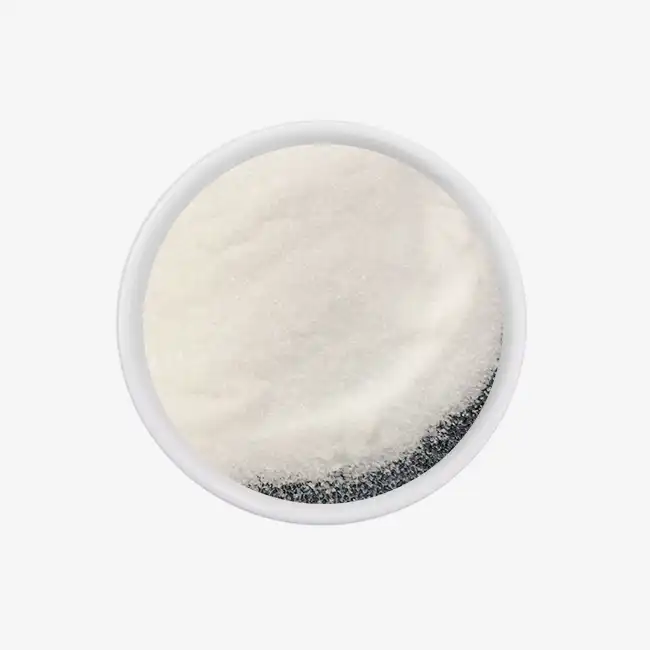
Understanding Solid Potassium Acetate for Snow Melting
Potassium acetate is being used more and more by winter maintenance teams at airports and municipal buildings because it is a great combination of performance and environmental responsibility. Traditional chloride-based deicers damage infrastructure over time, but this white crystalline substance (CH₃COOK, CAS 127-08-2) melts ice quickly without damaging things afterwards. It has worked for us at temperatures as low as -35°C, which is below the point where regular rock salt stops working.
Chemical Properties and Working Mechanism
When potassium acetate comes in contact with ice, its molecular structure causes a reaction that releases heat. Because it dissolves quickly in water, acids, and alcohols, it can quickly make brine that can easily get through layers of ice. The acetate ion (CH₃COO⁻) breaks down hydrogen bonds between water molecules, which stops ice crystals from forming. The potassium part makes the freezing point drop even more. This substance always works well in all kinds of weather because it has a molecular weight of 98.14 g/mol and a purity level that is usually higher than 99%.
Advantages Over Traditional Deicing Agents
Airport workers who protect sensitive aircraft components have observed significant differences between potassium acetate and traditional deicing treatments. At around -7°C, rock salt becomes ineffective and leaves chloride residues that accelerate corrosion on steel reinforcement in concrete structures. Calcium chloride can perform at temperatures down to approximately -25°C, but it creates heat during dissolution, which may contribute to plant damage through osmotic stress and cause thermal shock on road surfaces. Snow Melting Solid Potassium Acetate provides a more balanced solution by delivering reliable low-temperature ice control while reducing risks to infrastructure, aircraft systems, and the surrounding environment.
Because of its biodegradable characteristics, Snow Melting Solid Potassium Acetate eliminates many environmental concerns associated with chloride-based chemicals. Soil microorganisms naturally break down acetate ions into carbon dioxide and water, preventing long-term accumulation of harmful residues. Infrastructure managers have reported improved service life for treated surfaces, especially on historic bridges, parking structures, and other facilities where concrete preservation is essential. Its compatibility with aerospace materials also helps protect carbon brake systems, composite structures, and sensitive aircraft components from chemical degradation. With advantages such as environmental sustainability, corrosion resistance, low-temperature performance, infrastructure protection, aircraft safety, efficient snow removal, and advanced deicing technology, potassium acetate remains a reliable choice for demanding winter maintenance applications.
Safety Protocols and Regulatory Compliance
When handling potassium acetate, you need to be aware that it is hygroscopic, which means that it quickly absorbs water from the air. To keep things from melting too quickly, storage sites must keep things dry, let air flow, and use sealed cases. When transporting 25kg woven bags and 1000kg ton-bags, workers should be careful not to touch them with anything that doesn't go with them and keep them away from heat sources.
Acetate-based deicers are considered low-impact by environmental laws all over North America. EPA rules for biochemical oxygen demand (BOD) are met by the biodegradable formula. This lets water runoff into sensitive streams where chloride pollution would cause violations. Safety data proves that the product is not harmful to pets or plants when used at the suggested rates. This eases the concerns of site managers who are in charge of landscaping.
Step-by-Step Guide to Applying Solid Potassium Acetate in Large Snow Removal Projects
To use acetate deicers successfully, you need to plan carefully and take into account factors that are unique to the place. Before moving any tools to a job, we look at the surface's make-up, the weather forecast, and any operational limitations.
Pre-Application Site Assessment
Start by putting objects in your project area into groups. When it comes to maintenance, airport runways need to be treated differently than city streets or public paths. Different reactions happen on concrete surfaces with visible aggregate compared to asphalt paving. Also, places that have drainage problems need different application rates to control flow. Measure the thickness of the ice with calibrated gauges and write down whether the problem is compacted snow, black ice, or frost buildup.
Weather conditions significantly influence application strategy. When the temperature outside is close to -30°C, apply 20–30% more to make up for the chemical's lower action. Keep an eye on the humidity levels and wind speeds, as the wind can spread the granules out unevenly. The humidity levels will also affect how quickly the hygroscopic material draws in water to start melting. Precipitation predictions can help you decide whether the best time to apply the treatment is before or after a storm.
Equipment Selection and Application Techniques
Mechanical spreaders ensure that deicing materials are distributed evenly across large surfaces such as highway lanes, airport taxiways, and industrial areas. Proper equipment calibration helps achieve the correct application rate, which is typically between 50 and 150 grams per square meter for light frost and heavy ice conditions. Snow Melting Solid Potassium Acetate performs efficiently in mechanical spreading systems because its free-flowing granular structure reduces clumping compared with calcium chloride, which absorbs moisture and can create handling problems. This improves application accuracy, material efficiency, and winter maintenance reliability.
Pre-wetting techniques can further improve performance by accelerating the formation of the initial brine solution. By combining solid pellets with a 30% liquid solution before spreading, the deicing chemical can make direct contact with ice surfaces more quickly. This approach is especially effective on steep roads, bridge decks, and elevated structures where dry materials may be displaced by gravity before fully reacting. Although liquid spray systems can apply concentrated deicing solutions directly, Snow Melting Solid Potassium Acetate remains advantageous for large-area coverage due to its storage stability, transportation efficiency, corrosion resistance, and reliable ice-melting performance.
Preventive anti-icing applications before storms also improve snow removal efficiency by reducing the bond between ice and pavement surfaces. Applying 30 to 50 grams of Snow Melting Solid Potassium Acetate per square meter on clean, dry pavement two to four hours before snowfall helps create a protective layer that supports easier mechanical removal. Compared with reactive deicing methods used after ice formation, this proactive strategy can reduce chemical consumption by 40–60% while improving road safety, airport operation efficiency, sustainable winter maintenance, low-temperature protection, infrastructure preservation, and environmental performance.

Post-Application Performance Monitoring
After the initial spreading, effective winter care continues. Within 30 minutes, you should check the treated areas to make sure they were covered evenly and see how the melting is going. Potassium acetate usually starts to work in 5 to 10 minutes at temperatures above -20°C, making clear pools of brine that cut through layers of ice. Write down the places that need extra treatment because heavy traffic or shade make the chemicals less effective.
Decisions about reapplication depend on how the surface temperature is changing and how much rain is still falling. When temperatures drop below -30°C, the deicing agent works less well no matter how much is used. In these very bad conditions, the ice has to be removed mechanically, and chemical treatment is used to keep the friction going instead of getting rid of all the ice. Plan to spend about 15 to 20 percent more on materials for spot repairs during long winter weather events.
Runoff control helps ecosystems nearby and shows that rules are being followed. Potassium acetate breaks down quickly, but if possible, concentrated waste water that flows into storm drains should go to treatment systems. The acetate ion doesn't cause as much damage to the environment as chloride contamination, but being a good caretaker means keeping an eye on application amounts and changing rates to avoid wasteful over-application.
Comparing Potassium Acetate with Other Snow Melting Agents for Large-Scale Use
When making industrial purchasing choices, it's helpful to do a comparative analysis that weighs performance measures against practical needs and budget realities. Each deicing substance has its own unique properties that make it best for certain situations.
Performance Across Temperature Ranges
Rock salt, which is primarily composed of sodium chloride, remains widely used in local winter maintenance programs because of its low purchase cost. However, its effectiveness decreases significantly below -7°C, making it unsuitable during severe cold periods. In northern regions, highway departments often maintain additional inventory because traditional salt cannot provide reliable ice control under extreme weather conditions. Calcium chloride extends the working temperature range to around -25°C through an exothermic reaction that releases heat and accelerates melting even in challenging winter environments.
Snow Melting Solid Potassium Acetate provides superior performance compared with both options because it can work effectively at temperatures as low as -35°C and maintain strong deicing capability down to approximately -60°C at eutectic concentration. This extended temperature range reduces the need for product mixing or switching materials during storms, providing consistent runway safety, low-temperature ice removal, and reliable winter maintenance performance. Airport operators especially value this stability because runway friction standards require continuous deicing protection as temperatures fluctuate.
Although calcium magnesium acetate (CMA) provides similar environmental advantages, it melts ice more slowly and is often used mainly as a corrosion-reduction additive when combined with chloride products rather than as a high-performance deicer. In contrast, Snow Melting Solid Potassium Acetate delivers stronger ice penetration, faster melting action, corrosion resistance, environmental compatibility, infrastructure protection, sustainable snow removal, and dependable cold-weather deicing for demanding applications. This makes it a preferred choice for airports, highways, and industrial facilities that require long-term winter safety solutions.
Infrastructure Impact and Cost Efficiency
Freeze-thaw cycles damage concrete, which costs infrastructure owners millions of dollars every year. Through osmotic pressure that breaks apart top layers and corrodes steel reinforcements that are buried in the concrete, chloride salts speed up this damage. The hidden cost of cheap deicing materials is having to replace bridge decks that have been exposed to salt for decades.
Potassium acetate completely stops these types of failure. It is important to note that the acetate ion does not react directly with rebar or concrete paste. This quality of protection is good for historic buildings, parking garages with post-tensioned cables, and architectural concrete. Maintenance funds change from emergency fixes to planned preservation, which lowers lifecycle costs even though more money is spent on materials per ton.
Aviation sites use acetate deicers because they protect equipment, not just to keep the ground from freezing. To protect the landing gear hydraulics, electronics cooling systems, and composite fairings, aircraft makers call for non-corrosive ground support operations. The cost of replacing a single damaged part is higher than the difference in cost between acetate and chloride deicers for treating the runway for the whole season.
Selection Criteria for Specific Applications
Setting clear performance standards is the first step in matching deicing agents to project needs. Potassium acetate is the best choice when protecting the substrate is very important, like for heritage brickwork, sensitive electronics installations, or aluminum buildings, no matter how much money you have to spend. Simply put, the material does things that acidic options can't.
Temperature exposure decides whether the extra deicing ability is worth the extra cost. The wider working range of potassium acetate is helpful for places where temperatures drop below -15°C on a regular basis. In places with milder winters, cheaper choices may work just fine. Acetate solutions should only be used in high-traffic areas like hospital emergency rooms or radar sites.
Material choices are being driven more and more by concern for the environment. Biodegradable acetate chemistry is good for watersheds that provide drinking water, wetlands that are home to protected species, and farmland that can get too salty. Cities and towns that care about the environment use these materials to show they are leaders in the field while also meeting their winter safety obligations.
Procurement Strategies for Bulk Solid Potassium Acetate
To get reliable quantities of specialized deicing products, you need to make smart buying decisions and build strategic relationships with your suppliers. Unlike common rock salt, which can be bought from many places, high-purity acetate goods are only made by a few companies with special technical skills.
Supplier Evaluation and Quality Standards
Expertise in manufacturing is what separates reliable suppliers from exceptional long-term partners. Buyers should look for producers with ISO 9001 quality management certification, which demonstrates effective process control and consistent production standards. Environmental certifications such as ISO 14001 show a commitment to sustainable manufacturing practices, while ISO 45001 confirms that worker health and safety systems are properly managed. For specialized applications, KOSHER and HALAL certifications may demonstrate strict production controls, although these certifications are generally not essential for deicing infrastructure products. Snow Melting Solid Potassium Acetate suppliers with strong certification systems can provide greater confidence in product quality, environmental responsibility, and manufacturing reliability.
Product specifications should always be verified against supplier claims through detailed technical documentation. Buyers should request Certificates of Analysis (COAs) that confirm actual purity levels, with CH₃COOK content typically reaching 99.0% or higher. Maintaining water-insoluble matter below 0.05% helps prevent spreader blockages and drainage issues, while chloride content limits of ≤0.2% ensure that corrosion resistance and environmental advantages are preserved. Low iron content below 0.05% also helps prevent staining on architectural concrete surfaces. These quality controls allow Snow Melting Solid Potassium Acetate(CAS NO.: 127-08-2) to deliver reliable deicing performance, infrastructure protection, corrosion prevention, and sustainable winter maintenance benefits.
Supply reliability during peak winter demand depends heavily on manufacturing capacity and inventory management. Producers with annual output capabilities of 150,000 tons can maintain safety stock levels that smaller suppliers may not achieve, providing stronger support during widespread severe weather events. Ensuring standard order lead times of 5 to 7 working days helps prevent material shortages during critical winter periods. With advantages such as stable supply chains, high-purity production, efficient logistics, low-temperature ice melting, environmental compliance, and reliable snow removal performance, Snow Melting Solid Potassium Acetate becomes a dependable choice for airports, highways, municipalities, and industrial facilities.
Cost Analysis and Bulk Purchasing Benefits
When making a budget for acetate deicers, you need to look at the whole lifecycle, not just compare costs per ton. The cost of materials is only one part of the total cost of winter maintenance. Costs are looked at in a more complete way by taking into account things like labor for repeated tasks, equipment wear from chemicals that break it down, and fixes to infrastructure caused by salt damage. Because potassium acetate works better than rock salt, it often cuts the total amount of chemicals needed by 30 to 40 percent during the season. This helps to partially make up for the higher unit price.
When you buy in bulk, you get economies of scale that make the job more cost-effective. Suppliers use tiered prices, which means that buying a ton-bag (1000kg) costs a lot less per kilogram than buying 25kg bags. Seasonal contracts that ensure minimum amounts during the winter months get better prices and make sure that supplies are distributed first when supplies are low. We suggest figuring out the total seasonal needs and then placing an order for 80% of the expected volume, with extra orders ready in case of bad weather.
The choice of packaging affects how well it can be handled and how long it will last. Heavy-duty spreaders can easily add ton-bags, which cuts down on the amount of work that needs to be done and the time that hygroscopic materials are exposed to air, which breaks them down. Smaller woven bags that weigh 25kg are easier to move around for spot treatments and hand application in small spaces. Custom packaging options can be made to fit the needs of each operation. For example, color-coded bags can be used to show different application rates, and weatherproof outer layers can be used to extend the storage life.
Building Supplier Partnerships
Having long-term ties with qualified manufacturers has perks that go beyond just buying things once. Technical support services help make sure that application methods work best in each site, and they might even train maintenance teams right there on the job site. When there are responsive communication lines and engineering staff available within two-hour reaction windows, problems with operations can be fixed before they become unsafe or inefficient.
Help with documentation makes quality testing and following the rules easier. Without delay, suppliers should give material safety data sheets (MSDS), certificates of analysis, and compliance paperwork in the languages that are needed. This administrative help is especially helpful for city contracts that need a lot of paperwork and public statements.
Being able to respond to emergencies is what sets key partners apart from competitors. Having access to faster shipping and secured supply allocation can mean the difference between keeping operations going and closing down dangerous facilities during harsh weather. Making these plans before winter comes will make sure you have help when you need it most.
Case Studies: Successful Large-Scale Snow Removal with Solid Potassium Acetate
Implementations in the real world show how acetate-based deicing turns theory benefits into measurable operating gains. These cases show different uses where choosing the right material was the right thing to do for speed, protecting the environment, and keeping infrastructure safe.
Airport Runway Operations
A major international airport serving 40 million passengers annually faced increasing maintenance costs due to runway concrete deterioration. After two decades of calcium chloride use, approximately 15% of the primary airport surfaces had developed cracks, creating the possibility of a multimillion-dollar rehabilitation project. Winter operation teams needed a solution that could maintain required friction coefficients during freezing rain events while preventing further structural damage. Snow Melting Solid Potassium Acetate was considered as an alternative because of its corrosion resistance, low-temperature ice control, environmental benefits, and ability to protect critical airport infrastructure.
In autumn 2019, the airport introduced potassium acetate across all runway and taxiway surfaces. The facility invested in precision spreading equipment and provided staff training on proper acetate application methods. Although there were initial concerns about higher material costs, lifecycle analysis demonstrated that avoiding concrete repairs would allow the additional chemical investment to be recovered within three years. The airport found that Snow Melting Solid Potassium Acetate improved winter maintenance efficiency through accurate application, sustainable deicing performance, reduced corrosion risks, and long-term infrastructure protection.
The results exceeded expectations after implementation. During winter operations, friction testing showed that treated surfaces consistently maintained performance levels comparable to previous calcium chloride applications. Spring inspections confirmed that surface scaling and deterioration had stopped progressing, while stormwater monitoring recorded an 85% reduction in biological oxygen demand compared with previous years. This environmental improvement allowed the facility to eliminate costly runoff treatment procedures. After four winters using Snow Melting Solid Potassium Acetate, the airport achieved $2.3 million in concrete repair savings while improving runway safety, environmental compliance, corrosion prevention, operational efficiency, and sustainable airport maintenance practices.
Historic Bridge Preservation
A 90-year-old suspension bridge that connected two towns needed winter maintenance that made sure everyone was safe and respected the bridge's history. The building had original concrete deck panels with decorative aggregate surfaces and steel support elements that were fitting for the time period. Normal deicing salts had clearly worn things down, with chloride getting into the structure and damaging both wires and decorative parts.
An engineering study suggested switching to deicing materials that don't corrode in order to add 50 years to the bridge's useful life. It was decided to use potassium acetate after tests showed that it wouldn't mix with either the concrete base or the steel parts. The repair firm came up with special ways to apply pre-wet material so that it would stick better on the bridge's sloped approaches.
Performance tracking over the course of two winters showed that the ice control was just as good as using salt. Most importantly, testing the corrosion potential of steel that was embedded showed that the rates of degradation had stopped changing. Visual checks showed that there were no new cracks or surface flaking. The preserved bridge is now used as an example of how to maintain a historical building. The regional transport authority is now using what they've learned to fix up seventeen more historic bridges in their network.
Municipal Road Network Efficiency
A medium-sized city with 450 lane miles of roads wanted to lessen the damage that winter salting did to the environment while still keeping residential streets safe. In the past, residents had complained about damage to their lawns, their pets' paws, and the rust on their cars. Acetate-based deicing was tested by the public works department on high-traffic areas like school zones and hospital access routes.
As part of the test program, current spreader trucks were given new calibrations that took into account the different ways that acetate flows. Crews were trained to stress how quickly the material could be used and how long it could last at high temperatures. The application rates were found to provide the same level of safety with a smaller impact on the environment.
After the trial season, polls of residents showed that service complaints about deicing damage went down by 67%. Administrators of schools especially mentioned that getting rid of white salt dust that got tracked into buildings made the job of cleaners easier. Vehicle fleet managers from the city's own motor pool said that trucks on cleaned roads had 30% fewer problems with rust under the wheels. One environmental gain was a measured drop in the amount of chloride in spring water that was released into city drains. Because of these results, the city has started using acetate on 40% of its roads, focusing on watersheds that are good for the environment and important infrastructure corridors.
Conclusion
Solid potassium acetate represents the evolution of winter maintenance from reactive chemical treatment toward strategic infrastructure protection. Its superior low-temperature performance, corrosion resistance, and natural biodegradability make it an important solution for airport operators, municipal governments, and facility managers across North America. Snow Melting Solid Potassium Acetate(CAS NO.: 127-08-2) supports more sustainable winter operations by reducing infrastructure damage, improving environmental performance, and providing reliable ice control during severe weather conditions. Successful implementation requires detailed site evaluations, accurate equipment calibration, proper application methods, and strategic supplier partnerships that ensure consistent material quality and dependable delivery schedules.
Case studies demonstrate measurable benefits across various applications, including historic structure preservation, transportation safety improvements, and reduced maintenance complaints. Although the initial cost of Snow Melting Solid Potassium Acetate is higher than conventional rock salt, lifecycle cost analysis consistently shows long-term economic advantages through reduced infrastructure repairs, lower environmental compliance expenses, improved operational efficiency, and extended asset service life. As more organizations recognize the long-term impact of winter maintenance decisions, the adoption of potassium acetate-based solutions is expected to continue growing through advantages such as sustainable deicing, corrosion protection, low-temperature performance, infrastructure preservation, environmental responsibility, and advanced winter management strategies.
FAQ
What makes potassium acetate more effective than rock salt in extreme cold?
At temperatures around -7°C, rock salt (sodium chloride) can no longer melt ice because it has reached its freezing point. When used in real life, potassium acetate is biologically active down to -35°C. In theory, it can work up to -60°C at eutectic concentration. When the acetate ion dissolves, it makes exothermic heat, which makes it harder for ice crystals to form. The melting action of this mixture stays strong even in harsh winter conditions, when chloride-based options stop working.
Does potassium acetate harm vegetation and pets like traditional deicers?
It has been shown that potassium acetate is much less harmful than chloride salts. Bacteria quickly break down the acetate ion, turning it into carbon dioxide and water without building up in the earth. Acetate-based deicers don't pose much of a biological risk at normal application rates, unlike sodium chloride, which kills plant roots through osmotic stress and irritates animal paw pads. To be more specific, the potassium part actually gives plants energy. Environmental studies show that landscaped areas are safe, but the amount that is applied should still be kept within safe limits to avoid too much concentration.
How should potassium acetate be stored to prevent degradation?
Because the material is hygroscopic, it needs to be kept dry while it is being stored. Warehouses must be dry, well-ventilated, and have a relative humidity of less than 60%, if at all possible. Whether they are 25kg woven bags or 1000kg ton-bags, sealed packaging should stay sealed until it is used to keep solid crystals from turning into liquid brine too soon. Keep away from heat sources and keep separate from things that won't work with each other. When stored properly, potassium acetate stays fully functional for many years, but it's still best to buy it at the right time of year based on how it will be used.
Partner with a Trusted Snow Melting Solid Potassium Acetate Supplier
Zhaoyi Chemical has been making acetate well for more than 30 years and can help you with your winter maintenance needs. Our Snow Melting Solid Potassium Acetate is ≥99.0% pure and has been tested to work at -35°C. It protects important infrastructure and meets environmental standards. We keep up a production capacity of 150,000 tons per year, which guarantees a steady supply even during the busiest winter months. Our partnership method is set apart by our ISO-certified quality management, KOSHER and HALAL certifications, and full expert support. You can email our team at sxzy@sxzhaoyi.com to talk about your unique needs, ask for certificates of analysis, or set up sample tests. Find out how our 30 years of experience making chemicals can help your business by visiting zhaoyichemical.com and looking through our full line of acetate products.
References
1. Transportation Research Board. (2007). Guidelines for the Selection of Snow and Ice Control Materials to Mitigate Environmental Impacts. National Cooperative Highway Research Program Report 577, Washington, DC.
2. Fischel, M. (2001). Evaluation of Selected Deicers Based on a Review of the Literature. Colorado Department of Transportation Report CDOT-DTD-R-2001-15.
3. Levelton Engineering Ltd. (2007). Guidelines for the Selection of Snow and Ice Control Materials to Mitigate Environmental Impacts. National Research Council Canada, Ottawa, Ontario.
4. Shi, X., Fay, L., Peterson, M.M., and Yang, Z. (2010). Freeze-Thaw Damage and Chemical Change of a Portland Cement Concrete in the Presence of Diluted Deicers. Materials and Structures, 43(7), 933-946.
5. Fischel, M., Ketcham, S., and Leshinsky, L. (2003). Evaluation of Deicers for Protection of Concrete Surfaces. U.S. Army Cold Regions Research and Engineering Laboratory Technical Report.
6. Nixon, W.A., and Williams, D.J. (2001). A Guide for Selecting Anti-Icing Chemicals. Iowa Highway Research Board Project TR-423, Iowa State University.

USER EVALUATE
Here is the customer's evaluation of us