



Solid Potassium Acetate Enhances Winter Maintenance for Airport Taxiways
When winter storms threaten airport operations, maintenance teams need deicing solutions that work fast, protect infrastructure, and meet environmental standards. Snow Melting Solid Potassium Acetate (CAS NO.: 127-08-2) delivers all three, offering airport operators a powerful alternative to traditional chloride-based deicers. This crystalline compound (CH3COOK) functions effectively at temperatures as low as -35°C, making it an essential tool for keeping taxiways, aprons, and critical airport surfaces operational during severe weather events. Unlike conventional rock salt or calcium chloride, this acetate-based solution protects sensitive aircraft components and concrete surfaces while breaking down naturally in the environment.
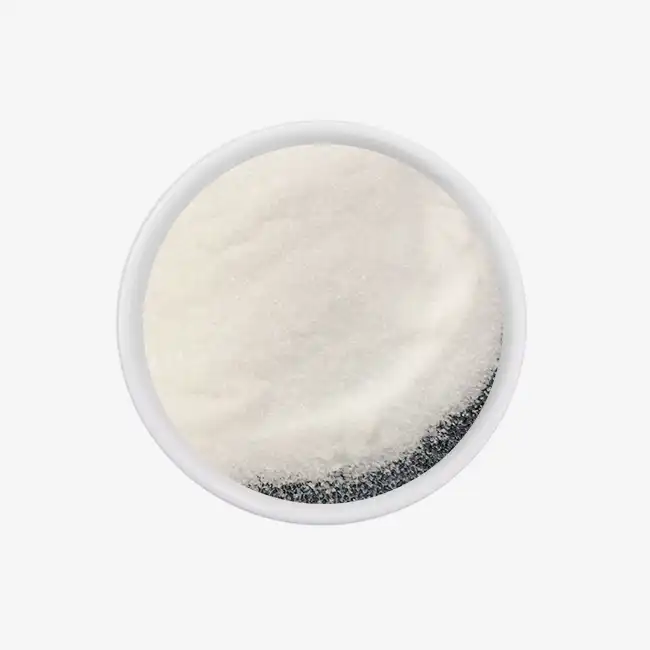
Understanding Solid Potassium Acetate and Its Role in Snow Melting
Airport taxiways need deicing products that get rid of ice quickly while also protecting the infrastructure. Snow Melting Solid Potassium Acetate meets this need because it has special chemical qualities that stop ice from forming without the damaging effects of chloride salts.
Chemical Mechanism and Performance Characteristics
Snow Melting Solid Potassium Acetate has a molecular structure that lets it quickly pass through ice layers (molecular weight 98.14 g/mol, CAS 127-08-2). These white crystalline pieces cause an exothermic reaction when they mix with water. This reaction makes heat and lowers the freezing point of water. This two-step process breaks the link between ice and sidewalk surfaces better than many others. The combination still works in very cold temperatures, below -7°C, where rock salt loses most of its usefulness. It is possible for Snow Melting Solid Potassium Acetate to work at temperatures below -30°C, and its theoretical eutectic point is as low as -60°C.
Material Compatibility and Infrastructure Protection
Deicers that use chlorine can damage delicate materials on airport surfaces over time. When standard salts come in contact with concrete taxiways, they crack and flake, and steel reinforcing bars rust more quickly. When aircraft parts are exposed to chloride residues tracked from treated surfaces, they can break down. This is especially true for landing gear, avionics housings, and composite materials. Formulations based on acetate get rid of these worries. Bacteria in the soil break down the biodegradable acetate ion into carbon dioxide and water without leaving behind any harmful chemicals. Because of this, Snow Melting Solid Potassium Acetate is very useful for airports that have to follow rules about how they release waste into the environment or for sites that are close to watersheds.
Solubility and Application Efficiency
This deicing agent works right away on ice and snow because it dissolves easily in water, acids, and alcohols. The free-flowing grainy form doesn't harden during storage as long as it's handled correctly, which lets motorised spreaders apply the product at the same rate every time. This operational reliability cuts down on waste and makes sure that large taxiway surfaces are covered evenly. This leads to better cost management and more predictable performance during bad weather.
Comparing Potassium Acetate with Other Deicing Chemicals for Airport Use
Before you can choose the right deicing agent, you need to know how the different ones work in real life. When making purchases, airport maintenance teams have to think about how effective the items are, how they will affect the infrastructure, how they will affect the environment, and how much they will cost to run.
Performance Against Traditional Rock Salt
Rock salt, or sodium chloride, is still widely used because it is cheap, but this benefit seems to go away when you consider the damage it does to infrastructure and the temperature range it covers. Around -7°C, rock salt stops working well, which is right when many winter storms get worse. The chloride ions break down the concrete paste, which means it needs expensive repairs. Snow Melting Solid Potassium Acetate works at much lower temperatures and keeps the strength of concrete intact for a long time. Even though the original cost of the materials is higher, acetate-based solutions often have a lower total lifetime cost when you consider the lower costs of infrastructure upkeep, equipment corrosion, and cleaning up the environment.
Advantages Over Calcium Chloride
While rock salt doesn't work as well in cold temperatures, calcium chloride does, up to about -25°C. But it has the same corrosion issues as all compounds that are chloride-based. Calcium chloride also makes surfaces slippery when it melts, which can be dangerous on taxiways where planes need to have the most grip possible. Calcium chloride is hygroscopic, which means it pulls water from the air. This can cause problems when the temperature changes. Snow Melting Solid Potassium Acetate works better than these other chemicals and doesn't cause any problems during operation. It keeps surfaces safe from friction for longer and doesn't cause corrosion, which increases the cost of long-term maintenance.
Comparison with Sodium Acetate
Like Snow Melting Solid Potassium Acetate, sodium acetate is good for the earth because it breaks down naturally without hurting ecosystems. Snow Melting Solid Potassium Acetate, on the other hand, melts ice more quickly and strongly, which is especially helpful during sudden storms when airports need quick results. When small amounts of potassium ions get into planted areas, they help prepare the soil. This is different from sodium ions, which can build up and hurt plants. Because of these changes in performance, Snow Melting Solid Potassium Acetate is the best choice for important infrastructure where delays can cost a lot of money and put people in danger.
Environmental Profile and Regulatory Compliance
Many airports have to follow strict rules about how much chloride can be in rainwater flow. Traditional deicers pollute groundwater and hurt marine species in the water they enter. Alternatives based on acetate help facilities meet EPA rules and local environmental laws. When used correctly, acetates' biochemical oxygen demand (BOD) stays low enough to handle, and the chemicals break down fully without building up in soil or water. This compatibility with the environment helps airports that want to get LEED approval or that have to follow consent decisions about water quality.
Best Practices for Applying Solid Potassium Acetate on Airport Taxiways
To get the most out of any deicing agent, you need to use it correctly, with the right tools, and at the right time. By paying attention to these operational factors, airport repair teams can make the most of their Snow Melting Solid Potassium Acetate plans.
Optimal Application Rates and Spreading Techniques
For deicing to work, the spreaders must be calibrated so that the granules are evenly spread across the taxiway surfaces. Rates of application are usually between 50 and 150 pounds per lane mile, but they depend on the temperature of the surface, the severity of the storm, and the thickness of the ice. Mixing solid pellets with liquid deicer solutions before applying them is called pre-wetting. This can improve performance by speeding up the melting process. When maintenance crews use Snow Melting Solid Potassium Acetate and put it on before it starts to snow or rain, anti-icing methods work especially well. This cautious approach keeps ice from sticking to the ground, which makes it easier to remove later and uses fewer chemicals overall. During the winter, spreaders should be calibrated on a regular basis to make sure they keep accurate delivery rates even as the equipment wears out.
Equipment Selection and Maintenance
With only a few small changes, standard spreading equipment that is used for rock salt can also be used for Snow Melting Solid Potassium Acetate. When kept properly, the free-flowing nature of good Snow Melting Solid Potassium Acetate granules keeps them from clumping and bridging in hopper boxes. Although stainless steel or polymer-coated spreaders last longer, normal carbon steel equipment doesn't break down as quickly because acetates don't corrode. Each shift's equipment should be cleaned at the end of the shift so that dust doesn't build up and affect later uses. Due to its hygroscopic properties, Snow Melting Solid Potassium Acetate can absorb water vapour from the air, which could lower the quality of the material. This is the main storage concern.
Timing Strategies for Maximum Effectiveness
Maintenance teams can time applications to have the most effect when they use weather monitoring systems. When the temperature of the ground drops to 1-2°C above freezing and rain is expected in the next six hours, de-icing should start. This method stops ice from forming instead of having to be removed after joining, which usually cuts the total amount of chemicals used by 20 to 30 percent. During active storms, the time between reapplications depends on how much rain is falling and how much traffic is on the roads. During heavy weather, high-use taxiways may need to be treated every two to four hours, while secondary areas may need to be treated every six to eight hours. Applications made after a storm take care of any ice patches that are still there and keep them from refreezing when the temperature changes.
Safety Protocols and Environmental Compliance
People who work with Snow Melting Solid Potassium Acetate should follow standard chemical safety procedures and wear the right safety gear, like gloves and eye protection. Compared to many industrial chemicals, this material is not very dangerous, but coming into direct contact with concentrated solutions can irritate the skin. Having enough air flow in storage areas keeps dust from building up while materials are being moved. For environmental safety, application rates must be watched to make sure they are not too high. Too much chemical use raises operating costs without better performance and may also raise the BOD level in stormwater outflow. Systems that keep records should keep track of how much something is used, the weather, and where it is used so that responsible management can be shown during regulatory reviews or environmental audits.
Procurement and Supplier Selection Guide for Solid Potassium Acetate
When airport buying teams look for deicing agents, they face some unique problems. The way demand changes with the seasons, how important it is for suppliers to be reliable, and technical requirements all play a role in how suppliers are evaluated and chosen.
Quality Specifications and Certifications
For use in airports, high-quality Snow Melting Solid Potassium Acetate must be at least 99.0 percent pure (CH3COOK content). Lower pure types have impurities that make melting less effective and may introduce contaminants that hurt the quality of stormwater. Water-insolubles should stay below 0.05 percent so that residue doesn't build up on the road and drainage systems don't get clogged. Specifications for chloride content (≤0.2%) make sure that the product protects against corrosion as promised without creating the problems it's meant to fix. Iron content limits (≤0.05 percent) keep high-visibility airport surfaces from getting stained or looking bad in other ways. Suppliers should include Certificates of Analysis (COA) with every package that list these factors and include information on how to track each lot.
Supplier Reliability and Service Capabilities
Demand spikes in the winter are hard on supply chains because they are hard to predict. Suppliers that keep enough inventory on hand and can handle a variety of logistics needs help airports keep running during long storms. Production capacity is important. Companies with factories that can make at least 150,000 tonnes of goods a year tend to have more stock on hand than smaller businesses. Shipping prices and arrival times are affected by where you live, which is why North American airports are good for local manufacturers. A lot of value is added by service features that aren't part of the product itself. Technical support teams that answer questions about applications or help with fixing within two hours keep operations from being interrupted, which costs a lot of money. Suppliers who offer customised formulations for certain climate conditions or equipment configurations show that they care about their customers' success rather than just selling standard products.
Bulk Purchasing Strategies and Logistics
By committing to large purchases before winter, seasonal buying helps airports get better deals. However, depending on the facility's storage capabilities, this strategy may not work because of space issues. Because Snow Melting Solid Potassium Acetate absorbs water, it needs to be packed in sealed, watertight containers. These are usually 25 kg plastic woven bags or 1000 kg ton-bags with moisture barriers. Storage areas must be dry, well-ventilated, and away from sources of heat and materials that don't go together. Just-in-time delivery programs from suppliers combine the lower costs of buying in bulk with the limited space for storing by keeping safety stock at regional distribution centers so that supplies can be quickly restocked. Transportation costs have a big effect on the total landed cost. When suppliers quote FOB (Free On Board), the buyer is responsible for shipping. CIF (Cost, Insurance and Freight) or DAP (Delivered At Place) terms give buyers more price certainty and make the buying process easier.
Evaluating Total Cost of Ownership
The cost of materials per tonne is only one part of the total costs of ownership. How well a drug is used affects how much of it is used. Formulations with higher purity often work better with less use, which makes up for their higher cost. The value of preserving infrastructure should be taken into account in economic research. Deicers that stop equipment from rusting and concrete from breaking down lower long-term capital costs, even if chemical costs are higher this year. Environmental compliance costs, such as treating sewage, keeping an eye on things, and possibly fixing problems, favour goods that have less of an effect on the environment. Reliability in operations during severe weather events keeps flights from being delayed or diverted, which can cost a lot of money. Comprehensive cost modelling shows that savings that seem to come from cheaper options often go away when these total ownership factors are taken into account.

Case Studies and Future Trends in Potassium Acetate Snow Melting at Airports
Implementing acetate-based deicing tools in the real world is a great way to learn about their pros and cons. These examples help airports make decisions about whether to switch programs or make them better.
Regional Airport Implementation Success
For taxiway maintenance, a medium-sized commercial airport in the northern United States switched from calcium chloride to Snow Melting Solid Potassium Acetate after having problems with concrete wearing down over and over again. Over three winters, the building saw a 40% drop in the number of spring pavement repair needs, even though it snowed more than usual during the review time. The maintenance team noticed that the ice was melting faster, especially early in the morning, when quick runway preparation was needed for the first departure banks. Monitoring the environment showed big drops in the amount of chloride in the stormwater runoff. This meant that the facility met state water quality standards without having to spend more money on treatment infrastructure. While chemical costs went up about 30% compared to the previous calcium chloride program, overall winter maintenance costs went down 15% when fewer hours of work, fixes to equipment, and concrete rebuilding projects were taken into account.
International Hub Operational Experience
Snow Melting Solid Potassium Acetate (CAS NO.: 127-08-2) was used on 12 kilometres of taxiway floors at a major international airport that handles both passenger and cargo traffic. This is one of the biggest acetate-based projects in the world. As the building is open 24 hours a day, seven days a week, it is important that it recovers quickly after a storm. Maintenance teams came up with special application protocols that used pre-wetting techniques to lower the rate of granular application by 25% while keeping performance standards the same. When temperatures changed quickly during the freeze-thaw cycle, making it hard to handle the ice, the airport had a lot of success. Unlike older chloride-based programs that sometimes needed to be applied more than once when temperatures changed around freezing, Snow Melting Solid Potassium Acetate kept surfaces from slipping during changing times. Because there is less chloride in the gate areas and taxiways, aircraft maintenance departments said they had to do fewer inspections and repairs on landing gear parts that were corroded.
Emerging Technologies and Smart Integration
Improvements in aviation technology make it possible to make deicing systems work better. Sensors that measure the temperature of the ground, the amount of water in the air, and storm predictions are now all built into weather tracking systems so that automated application suggestions can be made. Based on real-time conditions, these smart systems figure out exactly how much chemical is needed. This cuts down on waste while still making sure there is enough covering. Some airports try heated pavement systems with Snow Melting Solid Potassium Acetate added during very cold weather. This creates a mixed method that uses both energy and chemicals in a balanced way. Researchers are still working on better formulations, and companies are making products with corrosion inhibitors, performance boosters, and longer-lasting protection. Nanotechnology shows promise for making deicing benefits last longer with less chemical.
Sustainability Alignment and Regulatory Evolution
Environmental rules are getting stricter around airport operations, especially when it comes to how they affect water quality. In order to keep safety standards, the FAA and EPA work together on papers that tell airports how to use deicing methods that are better for the environment. These environmental goals are in line with Snow Melting Solid Potassium Acetate, which helps businesses leave less of an impact on the environment without affecting their ability to do their jobs. More and more, buying decisions are influenced by carbon footprint factors. Life cycle assessments that compare the amount of energy needed for production, the amount of pollution released during transportation, and the environmental effects at the end of the product's life show that Snow Melting Solid Potassium Acetate is better than chloride alternatives. A number of airports now include environmental performance measures in their supplier scorecards, along with cost and delivery reliability. This all-around evaluation method takes into account that the choice of chemicals has effects that go beyond just winter operations. They can have long-lasting effects on the health of the community's infrastructure and the environment.
Conclusion
For airport winter repair, you need methods that get rid of ice quickly, protect infrastructure, and care for the environment. All three conditions can be met by Snow Melting Solid Potassium Acetate (CAS No.: 127-08-2), which works well at low temperatures, doesn't corrode, and breaks down naturally. The substance is more effective than chloride-based options at temperatures as low as -35°C. It also protects concrete surfaces, aircraft parts, and ecosystems nearby. Instead of just looking at the cost of the materials, procurement teams should look at how pure the products are, how stable the supply lines are, how well they can help with technical issues, and the total cost of ownership. Real-world applications show measurable benefits, such as fewer repairs to the pavement, shorter clearing times, and better environmental compliance. As environmental standards for flight change, acetate-based deicing systems help airports stay in line with the rules while still running at their best during winter weather problems.
FAQ
What effective temperature range does potassium acetate maintain compared to rock salt?
Around -7°C, rock salt stops working as well, so it's not a good choice during very cold spells. Snow Melting Solid Potassium Acetate can be used at temperatures as low as -30°C, and its eutectic point is thought to be -60°C. This longer operating range makes sure that airports can keep running even in the coldest winter months, when weather-related risks to flight operations are highest. Because it works better at low temperatures, it gets rid of the need for backup goods or the layered application methods that are needed when temperature-limited deicers are used.
Does potassium acetate damage concrete or steel infrastructure?
Deicers that are based on acetate don't corrode, so they can be used on both metal and concrete surfaces. Chloride salts can get into the cracks of concrete and damage support bars. Snow Melting Solid Potassium Acetate, on the other hand, breaks down naturally and doesn't cause chemical breakdown. Airports that use acetate formulations say that concrete flaking, scaling, and reinforcement corrosion are much less common. This infrastructure security makes pavement last longer and lowers the amount of money that needs to be spent on early repair projects. The material is compatible with aeroplane metals and composite materials according to standards set by the aerospace industry.
How should facilities store potassium acetate to maintain product quality?
Because Snow Melting Solid Potassium Acetate absorbs water, it needs to be stored with care. Facilities should keep sealed, watertight packages in facilities that are dry, well-ventilated, and away from sources of heat. Once the packaging is opened, the material should be used quickly or wrapped again to keep it from absorbing moisture from the air. When stored correctly, clumping doesn't happen, which can affect how well the spreader works, and the material stays free-flowing, which is important for maintaining consistent application rates. Double-lined packaging offers extra protection, and 25 kg woven bags or 1000 kg ton-bags are available to fit different facility sizes.
Partner with Zhaoyi Chemical for Reliable Airport Deicing Solutions
Zhaoyi Chemical has been making acetate for more than thirty years and can help airport winter maintenance workers who need reliable Snow Melting Solid Potassium Acetate solutions. Our factory is ISO 9001, ISO 14001, and ISO 45001 approved, and we follow strict quality standards for every batch, including requirements for ≥99.0% purity and thorough testing methods. With a yearly capacity of 150,000 tonnes, we make sure that there is a steady supply, even during the busiest winter months when other providers are running out. Our technical help is available 24/7 and responds to application questions within two hours. We also offer flexible logistics that can accommodate FOB, CIF, and DAP shipping terms, which are good for airport owners. You can email our team at sxzy@sxzhaoyi.com to talk about bulk purchasing programs, get free samples, or get recommendations that are tailored to the climate and operational needs of your facility. As a reliable provider of Snow Melting Solid Potassium Acetate to airports around the world, we help maintenance teams keep infrastructure safe, meet environmental standards, and protect buildings during the winter.
References
1. Transportation Research Board. "Airport Winter Safety and Operations." National Academy of Sciences, 2019.
2. Federal Aviation Administration. "Standards for Specifying Construction of Airports: Advisory Circular 150/5370-10H." U.S. Department of Transportation, 2018.
3. Environmental Protection Agency. "Preliminary Data Summary: Airport Deicing Operations." Office of Water, 2020.
4. American Concrete Institute. "Guide to Deicer Scaling Resistance in Concrete: ACI 201.2R-16." Farmington Hills, 2016.
5. Shi, Xianming and Laura Fay. "Strategies for Managing Snow and Ice: Moving Beyond Road Salt." TR News, Transportation Research Board, 2017.
6. Aviation Environment Federation. "Best Management Practices for Airport Deicing: Environmental Stewardship Guidelines." International Aviation Sustainability Working Group, 2021.

USER EVALUATE
Here is the customer's evaluation of us