



How to Choose Potassium Acetate Deicing Liquid for Airport Ground Support Equipment
To choose the correct deicing liquid potassium acetate for airport ground support equipment, you need to pay close attention to performance requirements, environmental standards, and the dependability of the provider. This solution that doesn't contain chlorine is the best choice for airport operations because it melts ice down to -60°C and keeps sensitive airplane metals and concrete infrastructure from rusting. Unlike chloride-based salts that weaken structures or urea formulations that put too much biological oxygen demand on waterways, deicing liquid potassium acetate solutions break down quickly and are safe for the environment, which is in line with current aviation safety rules and environmental commitments.
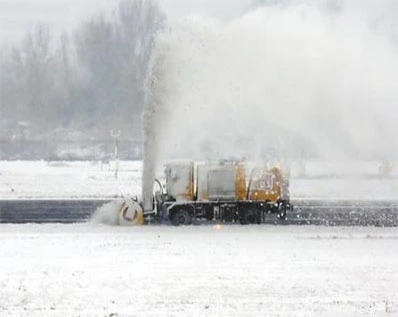
Understanding Potassium Acetate Deicing Liquid and Its Benefits
When airports are open in the winter, they need chemical treatments that get rid of ice quickly while also protecting equipment. Because of its unique chemical structure (CH₃COOK, CAS 127-08-2), deicing liquid potassium acetate is a clever way to deal with this problem. This clear, colorless liquid is a strong cryogenic agent that lowers water's freezing point greatly to stop ice bonds from forming on important surfaces.
Superior Freezing Point Depression
The recipe based on acetate works well to remove and penetrate ice at temperatures where other products fail. When used at 50–60% strength, this solution stays flexible and works well even when temperatures are very low. The specific gravity of 1.25 to 1.30 makes sure that the liquid can get through layers of ice, making it less likely to stick to ground and equipment. This density advantage makes it easy to move frozen weather while keeping the friction levels that are needed for safe airplane movement.
Environmental Compatibility
Environmental rules about managing waste and protecting ecosystems are getting stricter for aviation sites. Deicing liquid potassium acetate breaks down quickly without releasing nitrogen chemicals that make the water getting it need more biological oxygen. Compared to salt-based options, this formulation has less of an effect on nearby soil and plants, which eases worries about long-term environmental buildup. This biodegradability profile follows the rules set by environmental protection agencies and helps airports get sustainable approvals.
Infrastructure Preservation
In winter repair work, corrosion is one of the most expensive effects. Aluminum alloys used in airplanes, magnesium parts, concrete beams, and steel structures for bridges all break down faster when they are exposed to traditional chloride salts. Because it doesn't contain chloride, deicing liquid potassium acetate gets rid of these rusting routes. Testing shows that the rate of rust for carbon steel is less than 0.03g/m³·h and the rate of degradation for concrete is less than 0.01mm per year. These are much lower rates than chloride options. This protection increases the life of tools and lowers the cost of upkeep for ground support teams.
Core Criteria for Choosing Potassium Acetate Deicing Liquid
When airports need to buy deicing options, they need to be carefully evaluated across a number of performance factors. The technical requirements must match the working needs while also taking into account the available funds and logistics.
Technical Performance Specifications
Concentration amounts have a direct effect on how well deicing works and how efficiently it is applied. Professional-grade formulas usually have between 50 and 60% deicing liquid potassium acetate, which is the best mix between efficiency and cost-effectiveness. Checking this percentage with paperwork from the provider makes sure that the results are the same every time the application is run.
Purity standards for deicing liquid potassium acetate keep tools safe and make sure that environmental rules are followed. Important factors include having less than 0.01% salt, less than 0.002% iron, and less than 0.01% heavy metal pollution (measured as lead). These limits keep rust and pollution from happening by accident and make sure that automatic spray systems can work with them. The pH range of 7.5 to 9.2 is a balancing range that can neutralize acidic conditions without putting the system at risk of damage from alkaline conditions.
The operating temperature ranges are based on the freezing point properties. Quality goods keep working at -30°C, and eutectic formulas can reach -60°C, giving you extra safety in case of extreme weather. The deicing rate specs should show that 80% or more of the ice is gone in an hour at -20°C, which means that working areas can be used again quickly.
Regulatory Compliance and Certifications
Specifications like SAE AMS 1435 for runway deicing fluids set basic performance standards for the aviation business. Making sure that goods meet these standards for aerospace materials makes sure that they work with airport rules and responsibility systems.
Environmental approvals back up claims that something biodegradable and safe for the environment. Standardized testing methods that show products are biodegradable by 90% or more provide proof for environmental impact studies and regulatory reporting. ISO certifications (9001 for quality management, 14001 for environmental systems, and 45001 for workplace health) show that a seller is committed to quality control and growth processes that are both systematic and ongoing.
Supply Chain Reliability
When bad winter weather happens, there is an immediate and high demand for deicing products. The production ability and inventory management methods of suppliers have a direct effect on the continuity of operations. Manufacturers whose yearly production capacity is more than 100,000 tons show the scale that is needed for a steady supply of large goods. Lead times should be flexible enough to handle emergency orders, and reputable providers should keep safety stock so that in-stock goods can be delivered 24 hours a day.
Choices of packaging affect how easy it is to handle and how much space is needed for keeping. If an airport has the right holding facilities, bulk transfers in 1000L IBC tanks work well for high-volume operations. Flexitank choices offer cost-effective ways to ship containers when buying things from other countries. Figuring out these details is important for getting a correct total cost of ownership estimate, which includes costs for shipping, storing, and dealing.
Comparing Potassium Acetate to Alternative Deicing Liquids
There are a lot of different chemicals on the market for deicing, and each one has its own pros and cons. Knowing these differences helps you make a smart choice that fits your business objectives.
Sodium Acetate Versus Potassium Acetate
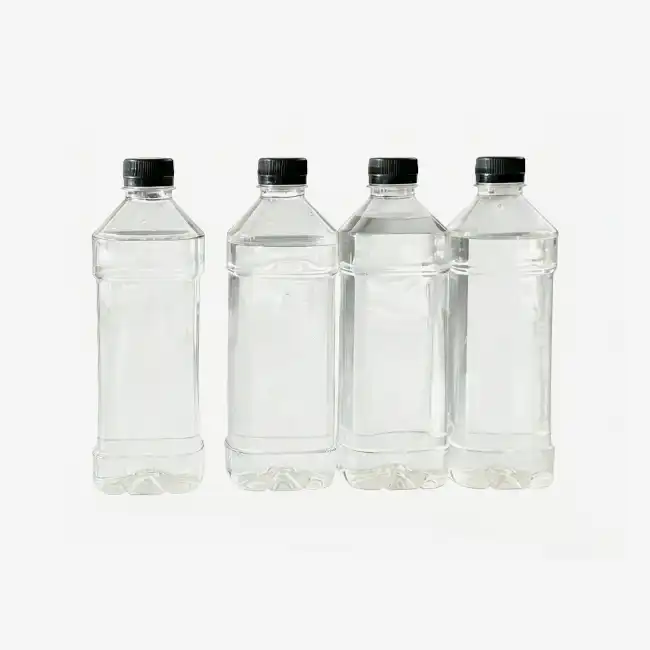
Both deicing liquid potassium acetate versions are better for the environment than chloride salts. Deicing liquid potassium acetate is better at lowering the freezing point than sodium-based alternatives, allowing for lower working temperatures. Because of its density profile, the deicing liquid potassium acetate version also has better entry properties. Even though sodium acetate is cheaper per unit volume, deicing liquid potassium acetate versions often justify the higher cost through better performance, lower application amounts, and greater dependability in harsh circumstances.
Chloride-Based Products
Calcium chloride and magnesium chloride are two common and inexpensive ways to melt ice. At normal temperatures, these salts melt ice well, but they pose serious rusting risks to metals used in airplanes, concrete structures, and steel parts. Because chlorides stay in the environment for a long time, they can pollute groundwater and species nearby. Regulatory changes are making it harder to use salt near sensitive environmental sensors, which makes it harder for airports that want to be environmentally friendly to do so. Total cost studies for deicing liquid potassium acetate need to take into account the costs of fixing the environment and fixing up infrastructure that is breaking down faster.
Urea and Glycol Formulations
Urea-based deicers don't cause rust, but they do put a lot of biological oxygen demand on the water they enter, which could hurt marine ecosystems. Products made from ethylene glycol and propylene glycol work well to lower the freezing point, but they are poisonous and need to be disposed of carefully. Glycol recycling systems make operations more difficult and cost more to buy. Deicing liquid potassium acetate gets rid of these problems with environmental management while still melting as well as or better than other materials. Deicing liquid potassium acetate is a special material because it has many benefits, including great performance at low temperatures, low rust, fast biodegradability, and fewer environmental management needs. These benefits lead to lower total ownership costs because the equipment lasts longer, it's easier to meet environmental standards, and the owner is less likely to be sued.
Procurement Guide for Potassium Acetate Deicing Liquid
A successful buying process includes more than just knowing what the product is. It also includes evaluating suppliers, checking the quality of their work, and coordinating transportation. Systematic evaluation across these dimensions makes sure that there is a steady supply of materials that meet practical needs.
Supplier Credential Assessment
Experience and technical skills of the manufacturer show how reliable and capable they are of providing help. Companies that have been making chemicals for decades show that they are stable and have a lot of experience. Modern machinery and production facilities that cover a large area show that money has been spent on quality and capability. Shanxi Zhaoyi Chemical Co., Ltd. was founded in 1988 and has production sites that cover 27,000m². They can make 150,000 tons of chemicals every year, which is a good example of the size and experience needed for airport supply partnerships.
Portfolios of certifications prove that quality control methods and products are honest. ISO 9001 certification proves that quality control methods are standardized and have written rules and ways to keep improving. ISO 14001 shows how to set up an environmental management system, which is important for items that claim to be good for the earth. While KOSHER and HALAL certificates are mostly useful for food-grade uses, they also mean strict rules on purity and no contamination, which are helpful for technical uses.
Quality Verification Procedures
Asking for samples of materials lets someone else test them and make sure they meet the requirements before committing to large sales. A lab test should confirm the concentration amounts, purity factors (such as chlorine, iron, and heavy metals), pH range, and freezing point details. When you compare certificates of analysis from the seller with test results from a third party, you can be sure that they are accurate and consistent.
Safety data sheets, or MSDS, tell you how to handle and store something safely, as well as what to do in an emergency. A thorough study of the MSDS makes sure that it works with the building's systems and training programs for staff. Documentation should make it clear what temperatures are safe for keeping, what materials don't work with each other, how to keep things contained, and how to get rid of them.
Negotiating Terms and Logistics
The terms of trade have a big effect on landing prices and how risk is distributed. FOB (Free on Board) agreements turn over duty at the shipping port, so buyers have to handle customs and foreign shipping. Cost, Insurance, and Freight (CIF) terms include delivery to the target port with insurance coverage. This makes operations easier but could raise costs. DAP (Delivered at Place) offers door-to-door service, with the seller taking care of all the shipping. This is the most convenient option for buyers who don't know much about imports.
Minimum order amounts affect how much product is bought and how often orders are made. Aligning MOQ with store space and consumption rates saves money on working capital and keeps supplies going. Volume-based prices may offer economies of scale, but buyers need to weigh the saves on unit costs against the costs of keeping inventory and the length of time a product can be stored.
For delivery of deicing liquid potassium acetate to be reliable during the busiest times of the winter, there needs to be clear communication and written agreements. Setting up priority supply relationships or contracted amounts gives you peace of mind during times of high demand when spot market access is limited.
Best Practices for Using and Storing Potassium Acetate Deicing Liquid
To get the best speed and safety, you need to follow the right saving and application methods. These practical factors make products work better and keep people and equipment safe.
Application Techniques
By using deicing liquid potassium acetate liquids before precipitation events, pre-treatment methods get the best results. This method of deicing makes a chemical shield that stops ice bonds from forming. This makes removal easier mechanically and uses fewer chemicals overall. Application rates depend on the weather and the state of the ground, but for preventative treatments, they are usually between 20 and 40 gallons per lane mile.
Equipment fit makes sure that the load is spread evenly and stops motor problems. To keep parts from rusting, spray systems should use stainless steel or HDPE. Choosing the right nozzle can change the size of the droplets and how they cover the surface. Finer atomization makes surface touch better, but it may cause more drift when it's windy. Application equipment that is calibrated makes sure that dilution ratios and dose rates are correct.
When to reapply depends on how much rain there is, how the temperature changes, and how traffic flows. By keeping an eye on the surface conditions and weather reports, you can re-treat the area before ice builds up and makes it less safe. When you combine visual checks with temperature tracking, you get useful information that you can use to make decisions about applications.
Storage Requirements
Keeping things in the right way keeps the chemicals intact and extends the shelf life of the product. Facilities should have dry, well-ventilated areas that are safe from high temperatures. Deicing liquid potassium acetate solutions don't freeze at the amounts recommended, but temps should stay above -10°C in storage areas to keep crystals from forming near the walls of containers. Heat above 40°C may speed up the breakdown of containers, so they should not be exposed to it.
Container flexibility keeps things from getting dirty or lost. Stainless steel and high-density polyethylene (HDPE) are good materials for containment because they don't react chemically. Over long periods of storing, iron contamination may happen in carbon steel barrels. Secondary containment systems keep spills from happening and can hold 110% of the amount of the biggest holding tank.
Safety and Handling Protocols
When handling deicing liquid potassium acetate, you don't need as much personal safety equipment as when handling acidic substances. Standard ways to handle chemicals include wearing safety glasses, gloves that can handle chemicals, and protective clothing that keeps skin from coming into touch with chemicals. The slightly basic pH range (7.5–9.2) can cause minor soreness but doesn't pose the serious risks that come with strong acids or bases.
When there is a spill, the right way to handle it is to limit it with absorbent materials, keep it from getting into the draining system, and collect it so it can be thrown away or used again. Deicing liquid potassium acetate breaks down naturally, so it's not as important to clean it up right away as it would be with lingering poisons.
Conclusion
When picking a deicing liquid potassium acetate product for airport ground support equipment, you have to think about how well it works technically, how good it is for the environment, and how much it costs. This biodegradable, non-corrosive method keeps important equipment safe and reliably removes ice in very cold weather. For buying to go smoothly, product specs must be checked, seller credentials must be evaluated, and logistics must be set up to ensure supply stays steady during times of high demand. Using the right tools and storing things in the right way will make them work better and safer. Airport operations get reliable winter maintenance solutions that are in line with their commitments to operational success and environmental care by putting quality, certification, and provider experience at the top of their list of priorities.
FAQ
Is potassium acetate safe for airport infrastructure and aircraft?
The safety of deicing liquid potassium acetate for use in airports is very high. Unlike chloride-based salts, it doesn't corrode carbon steel at rates higher than 0.03g/m³·h and doesn't break down concrete at rates higher than 0.01mm per year. The non-chloride chemistry keeps airplane aluminum metals, magnesium parts, and structural steel from getting damaged. Environmental tests have shown that biodegradability is higher than 90%, which ends worries about long-term pollution. Because of its high safety rating, deicing liquid potassium acetate is the best way to protect important airport assets while still meeting strict flight industry standards.
How do I verify product quality from potential suppliers?
To check the quality, you must first ask for records of analysis that show the concentration (50–60% deicing liquid potassium acetate), purity factors (chloride ≤0.01%, iron ≤0.002%, heavy metals ≤0.01%), pH range (7.5–9.2), and freezing point (-30°C to -60°C). Samples are tested in a separate lab to make sure they meet the specifications. Systematic quality management is shown by supplier certifications like ISO 9001, ISO 14001, and industry-specific accreditations. Going over safety data sheets and asking for customer examples is another way to make sure that the delivery cycles are consistent and reliable.
What advantages does potassium acetate offer over traditional salt-based deicers?
Deicing liquid potassium acetate stops the corrosion harm that chloride salts cause, which makes structures and equipment last a lot longer. The fast biodegradability (>90%) keeps the environment from building up and water ecosystems from being damaged by lingering chlorides. Better freezing point depression keeps working at lower temperatures, giving you extra safety during extreme weather. Even though deicing liquid potassium acetate costs more per unit than traditional salts, it is better for professional airport operations that want to protect their assets over the long term because it requires less upkeep, is easier to comply with environmental laws, and lowers their risk of being sued.
Partner with Zhaoyi Chemical for Premium Deicing Solutions
Zhaoyi Chemical has professional-grade deicing liquid potassium acetate that is made to the top standards in the industry and is ready to meet your airport ground support equipment needs. With three decades of experience making chemicals and ISO 9001, ISO 14001, and ISO 45001 certifications, we can guarantee consistent quality and a steady supply for your important winter activities. We keep a lot of stock on hand so that orders can be filled right away. We offer 24-hour shipping and a variety of flexible packaging choices, such as 1000L IBC tanks and flexitanks. Our technical team gives you detailed application advice and specs that are made to fit the needs of your building. You can email us at sxzy@sxzhaoyi.com to get samples, talk about your unique needs, or get full quotes from a reliable deicing liquid potassium acetate supplier that wants your business to succeed.
References
Transportation Research Board. "Airport Winter Safety and Operations." National Academy of Sciences Special Report 298, Washington DC, 2012.
Federal Aviation Administration. "Advisory Circular 150/5200-30D: Airport Winter Safety and Operations." U.S. Department of Transportation, 2019.
SAE International. "AMS 1435: Fluid, Generic, Deicing/Anti-Icing, Runways and Taxiways." Society of Automotive Engineers Aerospace Material Specification, 2018.
Environmental Protection Agency. "Best Management Practices for Airport Deicing Stormwater." Office of Water Publication EPA-833-B-12-001, 2012.
Fischel, M. "Evaluation of Selected Deicers Based on a Review of the Literature." Colorado Department of Transportation Report CDOT-DTD-R-2001-15, 2001.
American Association of Airport Executives. "Airfield Pavement De-icing and Anti-icing: Planning and Implementation Guidelines." AAAE Operations and Maintenance Technical Manual, 2017.

USER EVALUATE
Here is the customer's evaluation of us