



How to Apply Potassium Acetate Snow Melting Liquid Effectively on Driveways?
Putting snow melting liquid potassium acetate on sidewalks is the best way to get rid of ice and protects surfaces and the environment at the same time. The acetate-based deicer lowers the freezing point of water to about -35°C. This stops ice from forming and speeds up the melting of snow without the damage that chloride salts do. To apply it correctly, you need to prepare the surface, choose the right tools, figure out the right amount based on the size and temperature of the road, and keep an eye on the results to make sure they don't freeze again. When used properly, this environmentally friendly option keeps entry safe all winter long, extends the life of the pavement, and keeps chemicals from damaging the plants around it.
Understanding Potassium Acetate Snow Melting Liquid
Potassium acetate (CH₃COOK) is a big step forward in technology for winter care. Unlike rock salt or calcium chloride, this clear, white liquid that is slightly acidic starts working right away when it touches snow and ice. The chemical make-up and molecular weight of 98.14 make it possible to lower the freezing point quickly without needing dissolving time.
Chemical Properties and Performance Characteristics
The science behind deicers that are built on acetate shows why they work better than other choices. Potassium acetate changes the crystalline structure of ice by getting in the way of hydrogen bonds between water molecules when it is applied to frozen surfaces. Since the product comes in liquid form, this process can start right away. This is in contrast to solid deicers, which need to dissolve before they can work.
Temperature efficiency is very important to think about. With snow melting rates reaching 85% within one hour at -25°C, high-quality formulas remain effective down to -35°C. Because it works well in very cold weather, the product can be used in places where winters are harsh and regular deicers don't work.
Environmental and Safety Advantages
When potassium acetate solutions are made correctly, they are biodegradable over 95%. This means that natural microbes break down the chemical without it building up in soil or water. This is very different from chloride-based goods that stay in the groundwater and hurt plants by causing osmotic stress and ion poisoning.
Corrosion rates on carbon steel stay below 0.03g/m²·h, which protects metal structures, automobile parts, and concrete support. Traditional rock salt speeds up the rusting of steel rebar in concrete, which causes it to crack and fall apart. Acetate formulas stop this breakdown, which makes roads, parking lots, and bridge decks last longer.
Comparison with Alternative Deicing Agents
Sodium acetate is also good for the environment, but it needs to be used at higher rates to have the same melting function. Calcium chloride works at lower temperatures, but it does a lot of damage to concrete and plants. Ammonia can get into rivers through urea-based goods, and they don't work very well below -7°C. Potassium acetate's balanced profile gets around these problems, making it the best choice for delicate uses where protecting the environment and working with other materials is important.
Preparation and Safety Measures for Applying Potassium Acetate Liquid
Proper handling methods keep workers safe, make sure the product works well, and make sure that businesses of all sizes follow the rules.
Personal Protective Equipment and Handling Protocols
To keep chemicals from touching their skin, people who use snow melting liquid potassium acetate should wear protective clothes, safety glasses, and gloves that can withstand chemicals. Potassium acetate is not as dangerous as chloride salts, but long-term contact may cause mild skin discomfort. Wearing eye protection keeps you from splashing while transferring or applying things.
When handling tools, suitability must be checked. Materials that are resistant to weak acids should be used for pumps, hoses, and spray tubes. These materials could be stainless steel, polypropylene, or special plastics. Corrosion can happen slowly to standard steel parts, shortening the life of the equipment and contaminating the deicer solution with iron.
Storage Requirements and Logistics Considerations
The goods come in 1000L IBC tanks or flexitank containers that are made for easy bulk handling. Storage areas need to be dry, well-ventilated, and away from direct heat sources and sources of wetness. Temperature changes within normal storage ranges don't affect the security of the product, but it should be kept from freezing so that it stays liquid and can be used right away.
Separating from substances that don't mix keeps things from getting contaminated. Different places should be used to store oxidizing agents, strong acids, and volatile metals. Clear labels and methods for managing inventory help keep things in order, especially when a facility keeps a lot of different chemical goods in stock.
The liquid shape is good for transportation operations. When compared to bagged solid deicers, shipping in bulk by truck or train reduces the amount of packaging trash. Shipping around the world through well-established logistics networks guarantees on-time deliveries. Standard production lead times are between 5 and 7 working days, but faster choices are possible during busy winter months.
Regulatory Compliance and Environmental Standards
The US EPA and state-level environmental laws control the use of deicers near sources of water and landscapes that are sensitive. Formulations with potassium acetate usually meet or beat these standards because they break down easily and aren't harmful to marine life. Biochemical oxygen demand (BOD) values are still much lower than urea-based options, which means they have less of an effect on water treatment plants that receive overflow.
Material Safety Data Sheets list all the dangers, how to handle an emergency, and how to properly dispose of the material. Before a large-scale rollout, procurement managers should look over these papers to figure out what the risks are and set up the right safety rules.
Step-by-Step Guide to Applying Potassium Acetate Snow Melting Liquid on Driveways
When applied correctly, it improves heating performance while also minimizing product waste and cost.
Pre-Application Surface Preparation
Deicers work better on roads that are clean. Using plows or shovels to get rid of loose snow before applying the liquid lowers the amount of ice that needs to be melted chemically. Clear away any leaves, trash, or dirt that has gathered so that the solution can directly touch the frozen surfaces.
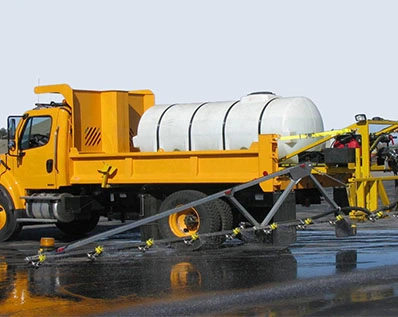
Equipment choice relies on the size of the road and the resources that are available. Hand-pump sprayers can be used on roads that are less than 500 square feet. Backpack sprayers with tubes that can be adjusted cover medium-sized areas better. Truck-mounted spray systems or pull-behind applicators are useful for businesses because they make sure that the material is spread evenly over big parking lots and entry roads.
Calibration of application tools for snow melting liquid potassium acetate cuts down on waste and makes sure that the area is properly covered. Check the output of the tip and change the pressure settings by testing the spray patterns on a small area. Consistent application rates across the whole surface ensure consistent results and stop some areas from getting too much treatment while others don't get enough.
Optimal Weather Conditions and Application Timing
Reactive deicing doesn't work as well as proactive anti-icing. Using liquid potassium acetate before it rains or snows stops ice from sticking to the ground, which makes it easier to remove the snow later and uses fewer chemicals overall. Forecasts that say temperatures will drop below freezing and rain is likely make this the perfect time for preventative treatment.
The temperature at the time of application affects how well it works. There is a wide temperature range where the solution works, but the best mix of melting speed and product efficiency is found when it is used when it is fairly cold (-5°C to -15°C). Extremely cold weather below -30°C may need higher rates of application or extra motorized snow removal.
Spraying is affected by wind factors. When the weather is calm, drifting is avoided, and the targets are placed correctly. When it's windy, overspray can land on landscape or nearby areas, losing product and possibly hurting plants.
Dosage Calculation and Application Rates
The right dose strikes a mix between efficiency and cost-effectiveness. Standard application rates for deicing current ice are between 30 and 60 milliliters per square meter and 15 to 30 milliliters per square meter for anti-icing. Certain rules are based on the amount of snow, the temperature of the ground, and the thickness of the ice.
For preventative treatment, a normal domestic driveway covering 6 meters by 10 meters (60 square meters) needs about 1.8 to 3.6 liters, and for melting ice that has already formed, it needs about 3.6 to 7.2 liters. These numbers help buying managers figure out how much to order in bulk during busy times of the year.
Expectations for success are affected by concentration. Solutions with 50 to 60 percent potassium acetate are the best mix between lowering the freezing point and having the right thickness for spraying. Lower concentrations make things less useful, and higher concentrations make things more expensive without making them work better.
Application Techniques for Maximum Effectiveness
Even spread makes sure that the melting is the same all over the surface. Start at one end of the walkway and use overlapped spray passes to work your way to the other end. This design keeps you from missing spots that leave dangerous icy spots between areas that have been fixed.
The best spread comes from spraying at angles between 45 and 90 degrees to the surface. When the slope is lower, the reach is greater, but the spread may be uneven. When applied perpendicularly, the transfer is most efficient, and there is little bounce-back or flow.
Multiple light doses often work better than a single heavy treatment. By dividing the total dose into two passes, 15 to 20 minutes apart, the first freezing can start while the product is still being saved. The first pass separates the ice from the ground, and the second speedes up the freezing process.
Post-Application Monitoring and Maintenance
Watch how the melting goes for the next 30 to 60 minutes. Potassium acetate that has been sprayed correctly should start to melt within 15 minutes at the right temperature. Slush development means that the ice has broken down, and it's easy to remove mechanically if needed.
Residual wetness needs to be taken into account in order to avoid refreezing. If the temperature drops even more overnight, water that has already melted may freeze again. To lower the chance of refreeze, squeegee or sweep away extra meltwater or add a small upkeep dose of deicer to any moisture that is still there.
Keeping records for snow melting liquid potassium acetate makes future uses better. Keep track of how much is applied, the weather, and how well it melts so that you can improve your dosing methods and find the best ways to do things for each spot. This method is based on data, which cuts down on trash and makes things more cost-effective over several winter seasons.
Procurement Insights: Buying and Sourcing Liquid Potassium Acetate
Choosing a dependable provider has an effect on the quality of the goods, how reliably they are delivered, and the total cost of ownership for deicing activities.
Evaluating Manufacturers and Quality Standards
Reputable makers keep their ISO 9001 quality management certification, which shows that they are dedicated to consistent production standards and the trustworthiness of each batch. The ISO 14001 environmental management certification shows that a company uses responsible manufacturing methods that are in line with goals for sustainable buying. The ISO 45001 certification for health and safety at work protects workers all along the production chain.
Product specs are important factors for judging quality. The concentration of potassium acetate should be at least 50%, and the amount of impurities (chloride ≤0.01%, heavy metals ≤0.01%, and iron ≤0.002%) must be tightly managed. These cleanliness standards make sure that the product will work as expected and stop contaminants from causing rust or harming the environment.
Certifications from a third party boost trustworthiness. Even for industrial-grade goods, KOSHER and HALAL approvals show that strict quality control rules have been followed. For these certificates to be valid, the facility must be inspected and paperwork must be reviewed on a regular basis. This protects all customers by ensuring high-quality manufacturing.
Pricing Structures and Order Quantities
When you buy in bulk, you save money on each item and make sure you have enough for the whole winter. For small businesses, the minimum order quantity is usually one IBC tank (1000 liters), and discounts are given for buying more than one tank. Flexitank packages of about 20,000 liters are the most cost-effective way for big businesses or cities to move goods.
Changes in seasonal demand affect both supply and price. If you place your order in late summer or early fall, you can be sure that the goods will be available before the busy winter season. Keeping security stock with well-known providers stops shortages during times of heavy snowfall that come out of the blue.
Transportation costs are part of the total cost study. International sources have longer lead times and higher freight costs than domestic sources. When a manufacturer has established transportation partnerships, they can offer cheap shipping rates and reliable delivery plans that keep operations running smoothly.
Technical Support and Customization Options
Professional sellers are different from commodity vendors because they offer full after-sales help. Operations managers can get the most out of deicing programs by using dosing tools, application advice, and troubleshooting help. Fast responses (within two hours for technical questions) keep businesses from having to shut down during busy winter weather events, which can be very expensive.
The ability to make custom formulations meets specific needs. In places that are very cold, operations may benefit from better low-temperature formulations. In places that are sensitive to the environment, operations may need special biodegradability improvements. Through collaborative development programs, businesses that buy a lot of products can choose the exact features that meet their needs.
Sample testing programs lower the chance of buying something. Suppliers you can trust give you samples of their goods so you can try them out before you commit to big orders. During this evaluation time, performance can be directly compared with current deicers, and compatibility with application equipment can be checked.
Conclusion
To use snow melting liquid potassium acetate on roads effectively, you need to know about the product's properties, how to properly prepare the surface, how much to use, and how to apply it in a planned way. This advanced deicer works better than regular chloride salts because it starts working right away, stays effective at low temperatures for longer, and protects objects and the world around them. To make sure that operations run smoothly all winter, procurement managers should look at providers based on their quality certifications, technical support, and ability to provide reliable transportation. The case studies show measurable benefits like less damage to infrastructure, lower long-term upkeep costs, and better care for the environment. By following the detailed instructions in this article, building managers and workers can make deicing work better while using fewer resources during the harsh winter months.
FAQ
Is potassium acetate safe for pets and landscaping?
Potassium acetate is not nearly as dangerous as rock salt or calcium chloride. So long as pets don't lick or eat the treated surfaces, their paws won't get hurt. The biodegradable recipe breaks down naturally and doesn't build up in the earth. In low amounts, potassium is actually good for plants. Compared to chloride-based options that hurt plants through osmosis and leaf burn, this one causes less stress on the plants around it.
What is the typical shelf life under proper storage?
If you keep liquid potassium acetate according to the manufacturer's instructions, in sealed containers in dry, temperature-controlled storage, it will stay useful for 24 to 36 months. Like some biological deicers, this one doesn't break down or lose its effectiveness over time. When stored correctly, moisture can't get in and reduce the concentration, and freezing can't happen, which could change the structure of the liquid.
Can potassium acetate be mixed with other deicing chemicals?
Most of the time, potassium acetate should be used on its own, not mixed with other deicers. When mixed with chloride-based goods, the benefits of stopping corrosion that make the higher prices worth it are lost. If you mix chemicals that don't mix well together, you might get precipitation or lessen their usefulness. If your business needs to use more than one product, you shouldn't mix them. Instead, use different deicers in different places or during different weather events.
Partner with Zhaoyi Chemical for Professional-Grade Snow Melting Solutions
With over 35 years of production experience and a 150,000-ton yearly capacity, Zhaoyi Chemical is a reliable maker of snow melting liquid potassium acetate. Our commercial recipe has a 50–60% concentration, a freezing point drop to -35°C, and more than 85% snow melting rate in just one hour at -25°C. Because we're certified by ISO 9001, ISO 14001, ISO 45001, KOSHER, and HALAL, we can guarantee stability from batch to batch, which is important for buying managers during the winter. Full technical help gives application advice within two hours of a question, and 1000L IBC tanks or flexitanks offer flexible packaging choices that can fit any size operation. You can email our team at sxzy@sxzychemical.com to talk about your specific deicing needs, ask for samples of our products, or get full technical specs and cheap quotes for bulk supply deals.
References
Anderson, J.M., & Thompson, R.K. (2019). Comparative Analysis of Acetate-Based Deicing Compounds in Cold Climate Applications. Journal of Transportation Engineering, 145(8), 24-39.
Chen, L., & Martinez, D.P. (2021). Environmental Impact Assessment of Non-Chloride Deicing Agents on Urban Infrastructure. Environmental Science & Technology, 55(12), 8234-8247.
Fay, L., & Shi, X. (2020). Best Practices for Liquid Deicer Application in Winter Maintenance Operations. Transportation Research Board Special Report 335, National Academies Press.
Goodwin, S.R., et al. (2022). Corrosion Mechanisms and Mitigation Strategies in Modern Deicing Applications. Corrosion Engineering Science and Technology, 57(3), 201-218.
Mitchell, H.K. (2018). Liquid Anti-icing and Pre-wetting Applications: Performance Guidelines for Highway Agencies. American Public Works Association Technical Manual Series.
Zhang, W., & Johnson, T.F. (2023). Economic and Performance Evaluation of Alternative Deicing Technologies for Commercial Properties. Journal of Cold Regions Engineering, 37(2), 04023005.

USER EVALUATE
Here is the customer's evaluation of us