



How does Potassium Acetate Deicing Liquid Compare to Other Deicers
When winter repair options are looked at, deicing liquid potassium acetate always comes out on top for use on important infrastructure. This mixture, which is based on acetate, melts ice very well at temperatures as low as -60°C while still being biodegradable and causing little damage. Instead of chloride salts, which damage metal and concrete, or urea-based products, which put too much biological oxygen demand on waterways, deicing liquid potassium acetate is a solution that procurement managers can use to keep operations running smoothly while also being environmentally friendly and protecting infrastructure.
Understanding Potassium Acetate Deicing Liquid
Chemical Composition and Mechanism
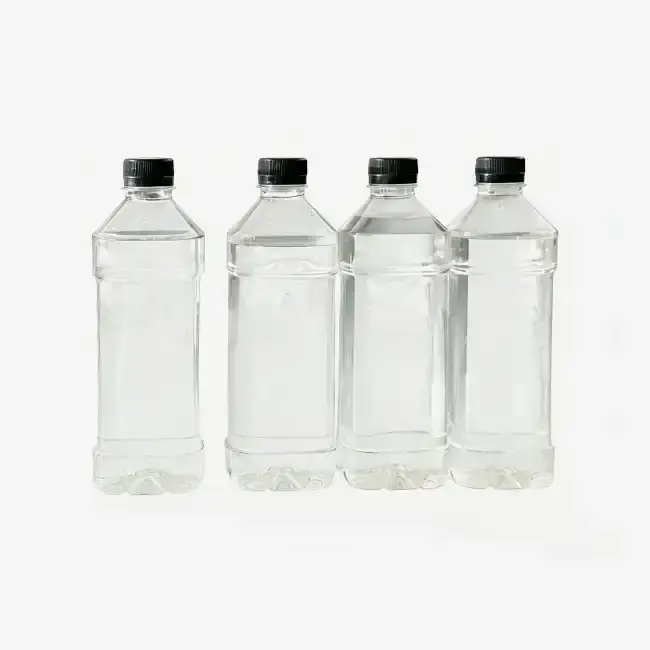
Deicing liquid potassium acetate (CH₃COOK, CAS 127-08-2) is an advanced type of agent that doesn't contain chloride and was made for high-stakes situations. We make this clear, colorless liquid at Zhaoyi Chemical in amounts of 50 to 60% while keeping the molecular weight at 98.14. The method works by breaking the hydrogen bonds between water molecules, which lowers the freezing point of water by a huge amount. When sprayed to concrete, the acetate ions make a layer of brine that keeps ice from sticking to the road, which makes mechanical equipment better at getting rid of the snow.
Environmental Compliance Profile
Regulatory guidelines are calling for more and more environmentally friendly winter care methods. Our deicing liquid potassium acetate formula breaks down naturally without releasing harmful nitrogen molecules like urea-based options do, which is over 90% biodegradability. The pH of the fluid stays between 7.5 and 9.2, so it doesn't cause acidity problems like some other deicers do. This compliance benefit is liked by municipal governments and airport owners because it follows EPA rules and state environmental laws while lowering the risk of liability for groundwater pollution or plant damage.
Application Methods in Commercial Settings
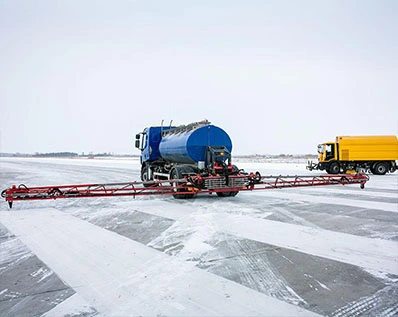
For professional rollout, you need specific tools and rules. Before storms happen, airports use truck spray systems with boom applicators to spread the liquid widely across the runway surfaces. This makes a barrier that keeps the liquid from freezing. Bridge managers combine deicing liquid potassium acetate with Fixed Automated Spray Technology (FAST) systems to make exact automated application possible. These systems can react to sensors that measure temperature and humidity. The liquid form gets rid of the storage problems that come with solid deicers and lets them be used right away without having to wait for them to dissolve. This is very important when the weather is changing quickly.
Comparative Analysis: Potassium Acetate vs. Other Popular Deicers
Performance Against Chloride-Based Alternatives
Calcium chloride and rock salt (sodium chloride) have been the mainstays of winter care for decades, but both pose big problems for operations. Chloride salts break down steel rebar in concrete buildings, which speeds up the wear and tear on bridge decks and vehicle undercarriages. Tests in the lab show that steel rust rates are 10-15 times faster when exposed to chloride solutions than when exposed to acetate-based solutions. Calcium chloride quickly melts ice, but it leaves behind slippery leftovers and attracts water, so it needs to be used more than once. Deicing liquid potassium acetate completely stops these corrosion routes; our recipe keeps the chloride content below 0.01%, which protects the big infrastructure investments your company is in charge of.
Sodium chloride is slightly better at stopping rust than magnesium chloride, but magnesium chloride still hurts metal airplane parts and concrete floors when compared to deicing liquid potassium acetate. The chloride ion is still the main problem with all salt-based deicers because it causes oxidation processes that weaken structures after many freeze-thaw cycles.
Environmental Comparison with Organic Deicers
Products made from urea and ethylene glycol have different problems that deicing liquid potassium acetate formulas can solve well. Urea raises the biological oxygen demand in waterways, which lowers the amounts of dissolved oxygen that are important for marine ecosystems. Concentrations as low as 500 mg/L can cause algae growth and fish deaths, which could be against the Clean Water Act for owners. Animals and pets can die from exposure to ethylene glycol in very small amounts, just a few drops. Both chemicals need to be diluted a lot and have special systems in place to handle waste.
Calcium acetate and sodium acetate are more similar chemicals in the deicing liquid potassium acetate family. Sodium acetate works fine, but it's not as good at low temperatures as deicing liquid potassium acetate. Its eutectic points are around -16°C, while deicing liquid potassium acetate's are -60°C. While calcium acetate shows promise, it needs to be applied at higher rates to get the same results. This makes operations cost more, even though the unit price might be cheaper.
Temperature Range and Melting Efficiency
Premium deicing options are different from basic ones because they work better in very cold conditions. Below -9°C, regular rock salt stops working, so owners have to scramble to find other goods during bad weather. In colder countries, our deicing liquid potassium acetate formula stays liquid and has the ability to melt at -60°C, so it works reliably in all kinds of winter situations found in northern areas. With a specific gravity of 1.25 to 1.30, the solution can get through layers of snow and undercut ice forms, reaching an 80% deicing rate in one hour at -20°C, as required by standard testing procedures.
Cost and Procurement Considerations for B2B Buyers
Total Cost of Ownership Analysis
When making purchasing choices, it's important to look at more than just the initial buy cost. Deicing liquid potassium acetate costs more per unit than regular rock salt, but it saves a lot of money because it lowers the amount of salt that needs to be used, stops rusting, and lowers the cost of cleaning up the environment. When infrastructure managers switch from chloride-based programs to acetate systems, the cost of fixing concrete drops by 40 to 60 percent, and equipment lasts longer between replacements. Insurance companies are becoming more aware of this value proposition and are giving lower insurance rates for businesses that use non-corrosive deicing procedures.
Supplier Certification and Quality Assurance
When lives and activities rely on how well a product works, reliability is important. Zhaoyi Chemical has ISO 9001, ISO 14001, and ISO 45001 approvals, which show that they are dedicated to quality control, protecting the environment, and meeting health and safety standards at work for deicing liquid potassium acetate. Our factory makes 150,000 tons of deicing liquid potassium acetate goods every year, which guarantees a steady supply that smaller makers can't promise. Each output batch goes through a lot of tests that can be tracked back to their source. These tests check things like the quantity of acetate, the amount of heavy metals (Pb ≤0.01%), the amount of iron (Fe ≤0.002%), and the stability of the pH. KOSHER and HALAL approvals are extra ways to make sure that the quality and safety of the products are met.
Logistics and Storage Requirements
How ready a business is for important winter events depends on how well the supply chain works. We ship deicing liquid potassium acetate in 1000L IBC tanks that can be used with bulk handling systems or Flexitanks that are made for shipping containers. This cuts down on shipping costs and improves the speed of handling. The product has an infinite shelf life if it is kept in dry, well-ventilated storage in cases made of compatible materials, such as HDPE or stainless steel. Our long-term relationships with foreign logistics providers ensure that we can offer reasonable freight rates and a guaranteed amount of shipping space. This keeps our supply chains from being interrupted, which can happen with weaker chains. Standard wait times for production are between 5 and 7 business days, and in-stock items can be delivered 24 hours a day.
Practical Guidance for Choosing the Right Deicing Liquid
Decision-Making Framework for Procurement Professionals
To find the best deicing liquid potassium acetate options, you have to look at a lot of operational factors at the same time. Concerns about protecting assets should drive the initial screening—buildings that handle metal airplanes, current high-strength concrete, or sensitive electronic equipment must completely get rid of chloride options. Environmental laws are making it harder to choose which deicers to use, especially near rivers, marshes, or homes for endangered species. Different types of applications have different performance needs. For example, airport landings need anti-icing features that stop the initial bonding process, while highway systems may value fast ice penetration for reactive snow removal operations.
Industry-Specific Application Recommendations
When deicing at an airport, the conditions are the toughest because the goods used must meet SAE AMS 1435 standards for airplane compatibility. Deicing liquid potassium acetate meets these aircraft needs while keeping the friction factors that are needed for safe landing operations. Municipal bridge officials really like our automatic spray systems because they work well with our liquid formulation and protect weak parts of the bridge's structure, like expansion joints and draining systems. In arctic environments, industrial facilities use deicing liquid potassium acetate for more than just deicing. They also use it as a low-temperature heat transfer fluid and a ballast liquid for mining tools and digging activities in permafrost areas.
Risk Management and Transition Strategies
When you switch deicing liquid potassium acetate products, there are some practical risks that need to be thought through carefully. Before full-scale rollout, do pilot testing on selected parts of the infrastructure, keeping an eye on both performance results and the compatibility of application equipment. Training people on how to handle liquids is different from teaching them how to spread solid salt. Spray rates, boom pressures, and timing rules need to be changed based on the temperature of the pavement and the weather predictions. Our technical support team is available 24/7 to help with application advice, test sampling, and optimization suggestions during your changeover period. This makes sure that the integration goes smoothly with as little downtime as possible.
Case Studies and Real-World Performance Data
Municipal Implementation Success
A highway body in the Midwest that is in charge of 450 lane miles of interstates switched to deicing liquid potassium acetate to protect the decks of 23 bridges. Over the course of three winters, upkeep records showed that incidents of concrete scaling dropped by 67% and treated areas no longer had any steel rebar exposed. The automated spray system applied salt at exact rates of 25 gallons per lane-mile per event on average. This used less material than human spreading of salt in the past. Environmental tracking showed that there was no damage to the plants in the median areas next to the treated bridges, which was very different from the salt-burning that was seen on the chloride-treated parts.
Airport Operations Validation
Deicing liquid potassium acetate anti-icing procedures were put in place on two 7,800-foot runways at a Class B business airport in the Northeast. Operations statistics from two winter seasons showed that 94% of departures happened on time during bad weather, compared to 76% during the baseline period when urea-based deicers were used. During yearly checks, aircraft repair teams found measurably less corrosion. They said this was because the aircraft was no longer exposed to chloride. The plant met all of the requirements of its state environmental discharge permits without having to build any extra runoff handling equipment. This saved a lot of money.
Future Outlook and Industry Trends
More and more regulations are being put on winter maintenance chemicals, and several states are suggesting limits on how much chloride can be used near sensitive rivers. Government purchasing policies are moving toward "green" buying, which gives companies that use sustainable deicing programs a competitive edge. Deicing liquid potassium acetate puts forward-thinking buying professionals in a good position to meet these changing needs while also making long-term infrastructure upkeep easier. New developments in application technology, especially AI-powered weather forecasts combined with automatic spray systems, could help make the best use of materials and boost the cost-effectiveness of acetate-based programs even more.
Conclusion
The comparison clearly shows that deicing liquid potassium acetate is better in many important performance areas, such as protecting infrastructure, being environmentally friendly, working well at low temperatures, and following the rules. Even though the starting costs are higher than the price of regular salt, a full lifecycle study shows that there are big saves over time thanks to less corrosion damage, lower application rates, and no need for expensive environmental cleanup. Deicing liquid potassium acetate-based deicing options are the best value for businesses that are in charge of important structures, work in areas that are sensitive to the environment, or have to follow strict rules. Technical specs and data on past performance help buyers make smart choices that protect assets and keep operations running.
FAQ
What concentration of potassium acetate works best for airport applications?
Most airport operations need deicing liquid potassium acetate amounts of 50 to 60 percent to get the best anti-icing results. This recipe stays effective at very low temperatures of -60°C and meets the requirements for SAE AMS 1435 aircraft materials. Lower concentrations are cheaper, but they don't work as well at low temperatures. Higher concentrations don't help in any way, but they make the fluid more viscous, which could affect how the spray system works.
How does corrosion protection compare between acetate and chloride deicers?
When compared to deicing liquid potassium acetate-based deicers, chloride-based ones speed up steel rust by a factor of 10 to 15. Deicing liquid potassium acetate keeps the chloride level below 0.01% and the rate of weathering to carbon steel below 0.03g/m²·h. This stops the oxidation routes that damage infrastructure. This safety directly leads to longer service lives for bridges, planes, and cars that are subject to deicers.
What biodegradability rate does potassium acetate achieve?
Biodegradability rates for high-quality deicing liquid potassium acetate products are over 90%. This means that the chemicals break down naturally through microbial action without building up in soil or streams. This is very different from chlorides, which have long-lasting effects on the environment, and urea-based options, which cause a high demand for biological oxygen.
Get Reliable Deicing Solutions from a Trusted Potassium Acetate Manufacturer
Zhaoyi Chemical has been making acetate for more than 30 years and can help you with your winter maintenance problems. Our yearly production capacity of 150,000 tons provides a steady supply, and ISO certifications and thorough quality tests make sure that products are reliable. We can work with a variety of trade terms, such as FOB, CIF, and DAP, and we can create the packing and paperwork to meet your needs. You can email our technical team at sxzy@sxzhaoyi.com to talk about your deicing liquid potassium acetate needs, ask for test samples, or set up large purchases as your sole source for mission-critical winter operations.
References
Transportation Research Board. "Environmental Impact of Airport Deicing Operations." National Academies Press, 2021.
American Concrete Institute. "Guide to Deicer Scaling Resistance of Concrete." ACI Committee 201 Report, 2019.
Society of Automotive Engineers. "Aircraft Deicing/Anti-icing Fluid Specification SAE AMS 1435." SAE International Standards, 2022.
Environmental Protection Agency. "Best Management Practices for Winter Road Maintenance and Salt Management." EPA Document 842-F-18-001, 2020.
National Association of Corrosion Engineers. "Corrosion Effects of Deicing Chemicals on Infrastructure." NACE Technical Report, 2021.
Airport Cooperative Research Program. "Performance Assessment of Environmentally Friendly Deicing Alternatives." ACRP Synthesis Report, 2020.

USER EVALUATE
Here is the customer's evaluation of us