



Liquid Potassium Acetate Supports Safer Airport Taxiway Maintenance
Winter storms pose serious operational challenges for airports across the United States, threatening flight schedules and passenger safety. Deicing liquid potassium acetate(CAS NO.: 127-08-2) has emerged as a trusted solution for airport operators seeking safer, more environmentally responsible alternatives to traditional chloride-based deicers. This non-corrosive, biodegradable agent effectively prevents ice bonding on taxiways and runways while protecting critical infrastructure from chemical damage. Aviation facilities nationwide are discovering that potassium acetate formulations deliver reliable freeze-point depression down to -60°C, ensuring continuous operations even during severe winter weather events.
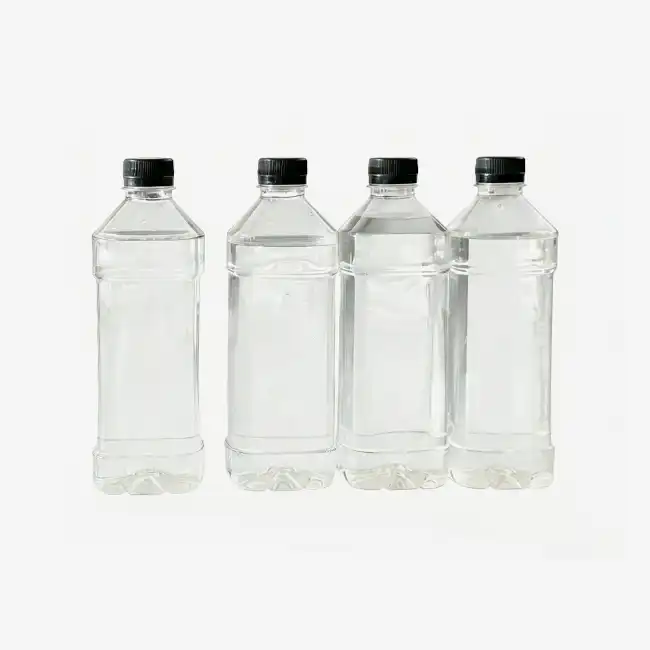
Understanding Liquid Potassium Acetate for Airport Deicing
Airport repair teams need ways to get things done while also keeping everyone safe. Deicing liquid potassium acetate (CH₃COOK, CAS 127-08-2) is a special anti-icing substance that was made to be used in aeroplanes. Unlike regular rock salt or calcium chloride, this clear, colourless liquid can get through layers of snow and ice through a cryogenic process. It does this by lowering the freezing point of water on sidewalk surfaces, which breaks up the crystalline structure of ice.
Chemical Composition and Mechanism of Action
Deicing liquid potassium acetate is perfect for airports because of the way its molecules are structured. This deicing liquid potassium acetate usually has between 50 and 60% active concentration. Its molecular weight is 98.14. When put on taxiway surfaces before it rains in the winter, it forms a barrier layer that stops ice from sticking, which makes it easier for machines to clear away snow. The specific gravity of 1.25 to 1.30 makes sure that the solution moves water around well, which stops ice from forming at the sidewalk contact.
Safety Profile for Personnel and Equipment
Ground workers at airports have to work in tough situations where they have to keep chemical exposure risks to a minimum. The pH level of deicing liquid potassium acetate stays between 7.5 and 9.2, which is much lower than the pH level of many industrial deicers. This mixture lowers the chances of skin irritation and gets rid of the breathing problems that come with chloride dust in the air. Corrosive attack can't happen to aircraft parts, especially aluminium metals and carbon brake systems. Deicing liquid potassium acetate meets the strict Total Immersion Corrosion (ASTM F 483) and Sandwich Corrosion (ASTM F 1111) standards needed by aircraft officials, according to tests done by a third party following SAE AMS 1435 guidelines.
Environmental Advantages Over Traditional Salt
Authorities are paying more attention to airports that are close to sensitive watersheds because runoff can pollute the water. Deicing liquid potassium acetate breaks down quickly at low temperatures and doesn't release any harmful nitrogen chemicals. It also has a much lower Biological Oxygen Demand (BOD) than goods made from urea. Chloride salts pollute groundwater and kill plants near airports; deicing liquid potassium acetate doesn't have these problems and work at very high and very low temps. In winter situations, it is possible to follow the EPA's discharge guidelines without putting operating safety at risk.
Comparing Liquid Potassium Acetate with Other Deicing Solutions
Before making a purchase choice, it's important to carefully look at how different chemical classes work. Airport managers have to weigh how well the airport works right now against how much it will cost in the long run and how it will affect the environment.
Performance Analysis Across Temperature Ranges
Calcium chloride and magnesium chloride goods work well down to about -25°C, which is enough for many places but not enough for airports in the north during very cold spells. Compounds based on urea stop working above -15°C and cause problems with nitrogen pollution. Sodium acetate is similar to deicing liquid potassium acetate, but its freezing point is a little higher. Deicing liquid potassium acetate stands out because it stays liquid and keeps its anti-icing qualities at temperatures as low as -60°C, giving you a big safety margin in case the weather gets worse than predicted.
Infrastructure Protection and Longevity
The secret costs of chloride-based deicers build up over time by speeding up the breakdown of concrete surface, rebar corrosion, and damage to lighting systems that are built into the runway. When airports spend money to improve their infrastructure, they can't use chemicals that are bad for the improvements. Deicing liquid potassium acetate has special inhibitor packages that protect metal parts without the harsh oxidation patterns that come with chloride salts. When chlorides get into concrete, they cause expensive flaking and structural weakness that deicing liquid potassium acetate completely stops. This defence is especially helpful for bridge decks.
Environmental Impact Assessment
Protecting ecosystems is more than just a matter of preventing runoff. Soils that hold too much chloride change the plants that grow along flight paths, and salt spray hurts woods nearby. These side effects lead to liability issues and problems with getting along with others in the community. Deicing liquid potassium acetate breaks down naturally in the presence of microbes, turning into carbon dioxide and water without leaving behind any long-lasting environmental effects. Studies on aquatic toxins show that it has little effect on fish and insect populations. This is an important thing to keep in mind for airports that are close to rivers or the coast, where managing stormwater can conflict with protecting habitats.
Best Practices for Applying Potassium Acetate Deicing Liquid on Airport Taxiways
To get the most out of deicing liquid potassium acetate programs, you need to pay attention to how they are stored and how they are used. Operational teams can do their jobs better if they know how to use the right techniques.
Application Techniques and Equipment Requirements
Deicing liquid potassium acetate is used in successful anti-icing programs before weather events happen instead of waiting for ice to form. Tanker trucks with spray booms spread the liquid evenly across the taxiways at rates of 40 to 100 gallons per lane mile, which can be changed based on weather forecasts and the condition of the pavement. The solution gets into the cracks in the ground and forms a pool that keeps ice from sticking together even as it rains. Installing Fixed Automated Spray Technology (FAST) systems on bridges allows for exact, computer-controlled application that is set off by temperature and moisture monitors. This means that no one has to be there to help when it freezes over night.
Optimal Dosage Guidelines
Not applying enough leaves weak spots where ice can form, and applying too much wastes resources without making things work better. Supervisors of airport maintenance adjust application rates based on the temperature of the pavement, the length of time that rain is expected, and the flow of traffic. Pre-wetting techniques, like using deicing liquid potassium acetate right before motorised snow removal, lower the amount of chemicals that need to be used and make the plough work better. When to reapply depends on the weather, but most airports plan for extra doses every 12 to 24 hours during long storm systems.
Storage and Handling Protocols
If you store deicing liquid potassium acetate properly in stainless steel, high-density polyethylene (HDPE), or fibreglass tanks, it will last forever. Temperature control should be used in warehouses so that products don't freeze and thaw more than they need to, but the product can handle temperature changes well. Material Safety Data Sheets (MSDS) are sent with every shipment. They explain how to handle the goods in a way that keeps workers safe and keeps the quality of the goods. Even though the chemical isn't very dangerous, it still has to be transported according to standard rules for toxic materials. Having the right paperwork in order keeps regulatory problems from happening during interstate shipping.

Real-World Performance Data
When deicing liquid potassium acetate plans are put in place, airports report measurable operational gains. When a major hub in the northeastern United States switched from sodium chloride-based solutions to deicing liquid potassium acetate, the number of minutes that runways had to be closed dropped by 40% during the winter. The treated surfaces kept their better friction coefficients, which meant that work could continue in bad weather that had previously meant full ground stops. Analysis of maintenance costs showed that the higher cost of deicing liquid potassium acetate was more than made up for within three operating seasons, thanks to less equipment corrosion and longer pavement life.
Procuring Liquid Potassium Acetate for Airport and Industrial Use
Strategic buying is more than just looking at unit prices. It also looks at how reliable suppliers are, how they make sure quality, and how well they can handle shipping. Supply chain problems during important winter weather windows are not acceptable for aviation operations.
Quality Standards and Certification Requirements
Reputable companies that make deicing liquid potassium acetate have strict quality control programs that follow international rules. ISO 9001 certification shows that production processes are organised, and ISO 14001 certification shows that environmental management rules are followed. Even though KOSHER and HALAL certifications are mostly used for food-grade products, they mean that production is closely supervised, which means that the products are always pure. To avoid unexpected rust problems, buyers should ask for Certificates of Analysis (CoA) with every shipment. These should show concentration levels, trace metal content (iron ≤0.002%, arsenic ≤0.0004%, lead ≤0.01%), and chloride pollution below 0.01%.
Evaluating Supplier Credentials
When airports are looking for deicing liquid potassium acetate(CAS NO.: 127-08-2) suppliers, Shanxi Zhaoyi Chemical Co., Ltd. is a good example of a company that can make what they need. Established in 1988 and with more than 30 years of experience making deicing liquid potassium acetate, this company runs a 27,000-square-meter plant that can make 150,000 tonnes of deicing liquid potassium acetate every year. Such a large scale makes sure that inventory is always available, even during times of high demand when area sellers often run out of stock. The company follows the SAE AMS 1435 aerospace material standards and thorough testing methods, such as checking the refractive index to make sure the concentration is correct and the flash point analysis to make sure the products are safe. This gives procurement pros faith in the consistency of the products.
Bulk Ordering and Logistics Management
Large airports need supply systems that work well and time the coming of goods with storage space and regular demand curves, and for deicing liquid potassium acetate, this means selecting appropriate packaging options such as 1000L IBC tanks or flexitanks for shipping containers, while working with manufacturers that offer flexible trade terms (FOB, CIF, DAP) and maintain safety stock for 5–7 business day lead times, with emergency delivery plans available for sudden storms that deplete on-site supplies. Different operational scales and infrastructure configurations can be accommodated by different types of packaging, such as 1000L IBC tanks and flexitanks for shipping containers. By building relationships with manufacturers who offer flexible trade terms (FOB, CIF, DAP), airports can get the best freight rates and make sure there is always space for shipping through smart partnerships with global logistics providers. Managing lead times becomes very important. Manufacturers with safety stock can fill orders within 5–7 business days, but custom formulas or special packing may make delivery times longer. Emergency delivery plans, which can be made with committed suppliers, are very helpful during sudden storms that use up on-site supplies.
Future Trends and Innovations in Airport Deicing with Potassium Acetate
Changes in environmental laws, new technologies, and unpredictable weather are all affecting how airports do their winter maintenance. Forward-thinking buying teams set up their businesses to take advantage of new developments.
Enhanced Formulation Technologies
The main goal of research into next-generation deicing liquid potassium acetate is to increase the temperature ranges where they work while also making them less harmful to the environment. Bio-based corrosion inhibitors in additive packages promise even softer interactions with delicate aircraft parts. Viscosity stabilisers are being worked on to help surfaces stay in place better in high winds, which will cut down on the number of times they need to be applied and the total amount of chemicals that are used. These new ideas keep current application equipment compatible while providing measurable performance gains that justify small cost increases through cost savings in operations.
Integration with Smart Infrastructure Systems
More and more, modern airports use sensor networks to keep an eye on the temperatures, wetness levels, and formation of ice on the runways and taxiways in real time. Automated decision support tools look at both present conditions and weather forecasts to figure out the best time and amount of medicine to use. Spray systems that are connected to the internet get wireless directions that make sure chemicals are only used where and when they are needed. This smart infrastructure cuts down on waste and pollution, and it frees up maintenance teams to focus on big-picture planning instead of heavy lifting during storms. Because deicing liquid potassium acetate is a liquid and its chemical behaviour can be predicted, it works well with these automated systems. This is in contrast to solid products, which need special equipment for spreading and are harder to control precisely.
Regulatory Evolution and Sustainability Mandates
Environmental agencies at the federal and state levels keep putting more limits on chloride releases near protected rivers. As more people look into how flight infrastructure affects the environment, there is more pressure on airports to show that they are good environmental managers. Adopting deicing liquid potassium acetate puts facilities ahead of the curve when it comes to regulations, so they don't have to make expensive changes or make quick chemical swaps during mid-season compliance problems. Sustainability reporting rules are now common in the aircraft business. Operators who can show measurable drops in the use of harmful chemicals and damage to ecosystems are favoured. Including these practices in today's buying requirements will keep operations running smoothly tomorrow and raise the company's environmental responsibility image, which is a trait that regulators and stakeholders alike value.
Conclusion
For airport taxiway care, we need methods that don't give up on either operating safety or environmental duty. Deicing liquid potassium acetate formulations have shown their worth by consistently working well in harsh conditions, protecting infrastructure in a way that makes assets last longer, and having eco-friendly properties that meet stricter regulatory requirements. When procurement professionals look at different deicing choices, they find that deicing liquid potassium acetate(CAS NO.: 127-08-2) save them money in the long run, even though the chemicals cost more at first. This is especially true when you consider the lower corrosion damage and better operating continuity. As winter weather trends become less predictable and standards for sustainability rise, airports that work with dependable producers set themselves up for future seasons of operating excellence.
FAQ
Is potassium acetate safe for concrete pavement and surrounding environments?
It is true that deicing liquid potassium acetate works very well with concrete surfaces. Deicing liquid potassium acetate doesn't cause alkali-aggregate reactions or freeze-thaw damage like chloride salts do. Instead, they eat away at concrete and rebar that is embedded in it, which leads to spalling and structural failure. Chemicals can't damage cementitious materials because the formulation has a neutral pH. Tests on the environment show that the chemicals break down quickly through natural microbial processes, leaving no residues in the soil or groundwater. It is still not very harmful to aquatic life, so it can be used near sensitive rivers where chloride contamination would be against the rules for release permits.
How does cost compare between potassium acetate and traditional rock salt?
The initial costs of getting deicing liquid potassium acetate are much higher than the price of rock salt. Total cost of ownership research, on the other hand, shows a different picture of economics. Chloride-based goods require a lot of repairs to be made to infrastructure, like resurfacing pavement, replacing metal parts, and keeping up with drainage systems. These repairs add up to big costs over the life of a building. Long-term prices are lower with deicing liquid potassium acetate, and efficiency is higher because they work better at low temperatures. Many airports say they reach break-even points in three to five seasons, taking into account longer pavement life, less equipment corrosion, and fewer operating disruptions caused by bad weather that hurt income.
What storage considerations affect product shelf life?
If you keep deicing liquid potassium acetate in containers that are compatible with it, like stainless steel, HDPE, or fibreglass tanks, it will stay fresh for a very long time. While warehouses should protect products from big changes in temperature, the products themselves can freeze and thaw without breaking down. Refractive index testing is used to check the concentration once a year to make sure that solutions stored for more than two years will still work. Keep things away from materials that don't work well together, especially strong oxidisers, to avoid contamination. Deicing liquid potassium acetate have a slightly acidic smell that can be fixed by making sure storage places have enough air flow. At normal handling concentrations, the product does not pose any breathing risks.
Partner with Zhaoyi Chemical for Reliable Deicing Solutions
Zhaoyi Chemical has been making deicing liquid potassium acetate for 35 years and is the best company for airports and infrastructure owners who need reliable winter repair options. Our enterprise-grade deicing liquid potassium acetate for sale is certified by ISO 9001, ISO 14001, and ISO 45001, which show that we are dedicated to quality and uniformity. It also meets SAE AMS 1435 aircraft standards. When aviation facilities work with our team, they can access our annual production capacity of 150,000 tonnes. This makes sure that products are always available, even during peak demand times in the winter when supply shortages could affect operations.
We know that choices about what to buy include more than just the product specs. They also include logistics dependability and technical help. Our 1000L IBC tanks and flexitanks are flexible packing choices that can be used for a wide range of operations. We also have established relationships with international shipping partners that ensure cheap freight rates and reserved cargo space. Standard order fulfilment takes between 5 and 7 business days, and emergency shipping options are available in case of bad weather. Our technical team helps you get the most out of your investment in safer, longer-lasting winter maintenance by giving you advice on how to use the products, how to get the best dosage, and how to keep an eye on their performance.
Email Zhaoyi Chemical at sxzy@sxzhaoyi.com right now to talk about your deicing needs at the airport. Ask for specific technical data sheets, information on bulk prices, and certification paperwork that will help you make smart choices about what to buy. You can look at our full line of deicing liquid potassium acetate products at zhaoyichemical.com and find out why leading airports trust our solutions to keep their operations going during severe winter weather.
References
1. Federal Aviation Administration. (2018). Airport Winter Safety and Operations: Advisory Circular 150/5200-30D. U.S. Department of Transportation.
2. Society of Automotive Engineers International. (2020). SAE AMS 1435: Fluid, Generic, Deicing/Anti-icing Runways and Taxiways. SAE Aerospace Material Specification.
3. Transportation Research Board. (2019). Environmental Impacts of Airport Pavement Deicing Products. National Academies of Sciences, Engineering, and Medicine.
4. American Society for Testing and Materials. (2021). ASTM F 483: Standard Test Method for Total Immersion Corrosion Test for Aircraft Maintenance Chemicals. ASTM International Standards.
5. Environmental Protection Agency. (2017). Best Management Practices for Airport Deicing Stormwater. EPA Office of Water, Wetlands, Oceans and Watersheds.
6. International Civil Aviation Organization. (2016). Airport Services Manual Part 2: Pavement Surface Conditions. ICAO Document 9137-AN/898.

USER EVALUATE
Here is the customer's evaluation of us