



Potassium Acetate Deicer Improves Ice Control on Municipal Roads
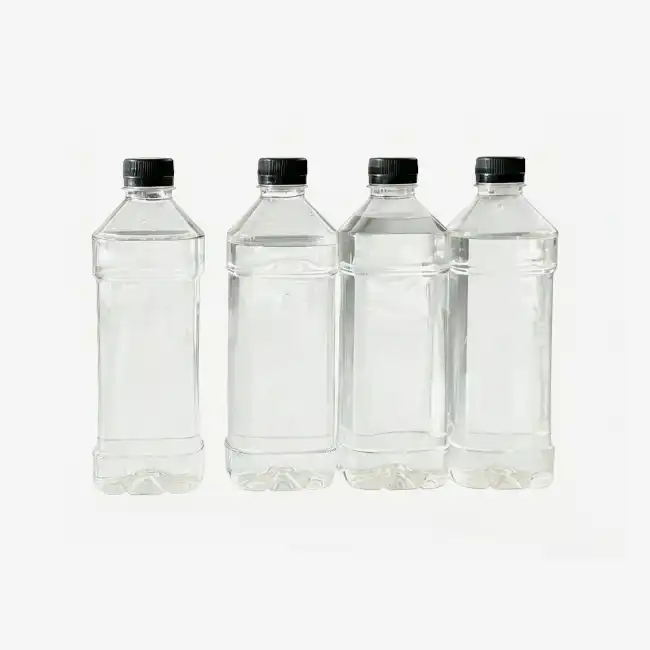
Winter ice control remains a persistent challenge for municipal authorities across the United States. Snow melting liquid potassium acetate(CAS NO.: 127-08-2) has emerged as a transformative solution that addresses both operational effectiveness and environmental responsibility. This advanced liquid deicer delivers rapid ice-melting performance while protecting critical infrastructure from the corrosive damage typically associated with traditional chloride-based agents. Municipal road maintenance teams increasingly recognize its value in preserving pavement integrity, reducing long-term repair costs, and meeting stringent environmental compliance standards that govern runoff into local watersheds.
Introduction
For municipal roads to be safe in the winter, solutions need to be effective while also protecting infrastructure and taking care of the environment. Traditional ways of deicing often put one of these goals at risk, which adds costs and causes environmental problems. The use of potassium acetate is a big step forward in liquid deicing technology. It gives procurement workers an option that has been scientifically proven to work better in many ways.
As a complete help, this article talks about the technical details, performance benefits, real-world uses, and buying options for potassium acetate deicers. This resource is designed to give B2B procurement specialists, highway maintenance contractors, and municipal decision-makers the detailed information they need to make smart purchasing decisions that protect valuable infrastructure investments and improve operational efficiency.
Understanding Potassium Acetate as a Melting Liquid Deicer
Chemical Composition and Molecular Properties
Potassium acetate (CH₃COOK, CAS No. 127-08-2) is a very good ice-melting agent because it lowers the temperature at which water freezes. A molecular weight of 98.14 gives this clear, colourless liquid a slightly sour taste that makes it perfect for winter upkeep tasks. The molecular structure of the substance stops ice crystals from forming at temperatures as low as -35°C. This means that it stays fluid even in very cold situations where solid deicers don't work.
Physical Performance Characteristics
When compared to granular options, the liquid version has clear benefits. It comes in solutions with 50–60% concentration and can stick to ice right away without needing time to dissolve. This ready-to-use feature gets rid of the waiting time that comes with solid deicers, making it more useful when road conditions quickly get worse. The solution's viscosity stays the same at all temperatures, so it can be pumped reliably through automatic spray systems and tools used for manual application.
Safety and Environmental Profile
Acetate-based deicers are becoming more popular because they are better for the environment, and snow melting liquid potassium acetate achieves a biodegradability rate above 95%, breaking down naturally without accumulating in soil or water systems, and posing significantly lower risk to roadside vegetation and waterways compared to chloride-based alternatives, helping municipal agencies meet regulatory requirements and reduce environmental liability. The chemical breaks down naturally without building up in soil or water systems because the biodegradability rate is higher than 95%. Potassium acetate doesn't pose as much of a threat to ecosystems along roads as chloride-based products do, which hurt plants and pollute waterways. This environmental compatibility meets the needs of growing regulatory pressures while shielding municipal agencies from possible liability for harming the environment.
Advantages of Potassium Acetate for Municipal Road Ice Control
Superior Infrastructure Protection
The infrastructure in cities and towns is a big investment that needs to be kept from breaking down. Liquid potassium acetate mixtures keep carbon steel corrosion rates at or below 0.03g/m²·h, which is a lot lower than chloride-based alternatives. Because it is less corrosive, bridge decks, reinforced concrete structures, and steel reinforcement bars that are important parts of highway infrastructure will last longer.
The non-corrosive properties protect more than just structural parts; they also protect city cars and tools. When deicing agents don't speed up the wear and tear on trucks, ploughs, and automated spray systems, fleet maintenance costs go down by a lot. This equipment's long life directly turns into budget savings that cancel out any rise in material costs, making the total cost of ownership figures more favourable.
Enhanced Performance in Extreme Conditions
Different quality deicing tools work differently at different temperatures. Potassium acetate liquids can melt more than 85% of snow in just one hour at -25°C, and they can keep working even when other products stop working. This consistent performance across a range of temperatures makes sure that operations don't stop during severe weather events that make it hard for cities to respond.
The liquid shape has extra benefits for operations. With automated spray technology, application rates can be carefully controlled. This cuts down on waste and makes sure that the best coverage is achieved. Weather-activated systems work perfectly with liquid mixtures, which lets you use preventative de-icing methods that stop ice from forming on sidewalks before it sticks to them.
Regulatory Compliance and Environmental Benefits
Environmental rules that govern winter maintenance work are getting stricter in many places. Potassium acetate is biodegradable and not very harmful, which makes it easier to follow National Pollutant Discharge Elimination System (NPDES) licenses and local water quality guidelines. The chloride level stays below 0.01%, which means that there is almost no salt in the water, which is bad for freshwater ecosystems and makes drinking water unsafe.
Because the compound doesn't harm sensitive areas, it can be used in more places. Parks, historic neighbourhoods, and business areas with valuable landscaping can get the care they need over the winter without harming ornamental plants or dirt. This flexibility lets the network cover a lot of ground while still being sensitive to environmental concerns.
Practical Application and Case Studies of Liquid Potassium Acetate
Bridge Deck and Overpass Applications
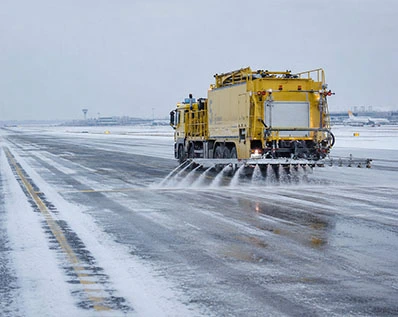
Deicing bridges is harder than deicing other structures because they are exposed from below, which makes freezing happen faster, and snow melting liquid potassium acetate is the preferred solution for Fixed Automated Spray Technology (FAST) systems on critical spans because its liquid form works reliably with precision spray equipment without clogging, and municipal operators report more than 40% reductions in frost-related accidents on treated bridge decks compared to manually maintained spans. Fixed Automated Spray Technology (FAST) systems that are put in place on important spans use liquid potassium acetate because it works well with precision spray systems and doesn't get clogged. Municipal operators say that frost-related accidents happen a lot less on structures that are equipped with these features. In some places, the number of accidents is cut by more than 40% on treated bridge decks compared to manually maintained spans.
The liquid mixture works with sensors in the ground to find out the temperature and moisture levels. This sets off an automatic application process before the ice forms. This proactive approach stops the ice from sticking to the pavement, which makes mechanical removal hard. This means that abrasive plough operations aren't needed as often, which is better for the environment.
Airport Runway and Taxiway Operations
Aviation sites have strict safety rules that require quick action and no tolerance for Foreign Object Debris (FOD). Snow melting liquid potassium acetate meets the requirements of Aerospace Material Specification (AMS) 1435 and protects aircraft parts from corrosion, such as landing gear, brake systems, and aluminium fuselages. Airport managers like the clean application because it doesn't leave behind any particles that jet engines could eat or that could damage sensitive electronics.
When applied overnight, surfaces are ready for use in the morning without having to be closed for long amounts of time. Because they activate quickly and penetrate better than solid products, they can be opened again more quickly than solid products that need to be broken down and worked into ice layers.
Cost-Benefit Analysis for Municipal Budgets
Buying things needs a full financial analysis that goes beyond unit costs. Liquid potassium acetate may cost more per gallon than raw rock salt, but a total cost study shows that it is significantly more cost-effective. Lower costs for fixing infrastructure, longer sidewalk life, lower costs for maintaining equipment, and less risk of damage all add up to a good return on investment.
Over the course of five years, one Midwest local authority saw a 30% drop in bridge upkeep costs after switching priority structures to acetate-based liquid deicers. Pavement condition ratings got better on treated routes, which put off expensive rebuilding projects and pushed back the start dates of capital improvement programs.
How to Choose and Procure High-Quality Liquid Potassium Acetate?
Evaluating Manufacturer Credentials and Certifications
Before choosing a supplier, you should check their quality management systems and make sure they have the right industry certifications, and for snow melting liquid potassium acetate, this includes ISO 9001 certification for consistent manufacturing and quality control, as well as ISO 14001 certification for environmental management, which aligns with municipal procurement policies that prioritize environmental responsibility. Getting ISO 9001 approval shows that you are committed to using uniform manufacturing methods and quality control standards. ISO 14001 certification for environmental management proves sustainable production practices that are in line with city buying policies that stress environmental responsibility.
Product-specific certificates are just as important. Even though KOSHER and HALAL certifications don't seem to have anything to do with deicing, they show that the manufacturer paid attention to purity standards and preventing contamination during production. These approvals show that the quality systems are thorough and that impurities that hurt performance and device compatibility are kept to a minimum.
Technical Specifications and Purity Requirements
Critical parameters should be given acceptable values in the procurement specs. The best balance of performance and freezing point depression is found when the potassium acetate content is between 50 and 60%. Pay attention to the limits on impurities: iron content below 0.002%, sulphate below 0.05%, and heavy metals (lead) below 0.01% to keep equipment from rusting and the surroundings clean.
Specific pH values between 7.5 and 9.2 make sure that the solution works with storage tanks, spray systems, and other city equipment that is already in use. If you use solutions outside of this range, they might make rust worse or less effective because they are chemically unstable. Ask for certificates of analysis with every shipment to make sure the specifications are met and to keep quality records for legal reasons.
Packaging and Logistics Considerations
When you buy in bulk, you save money on each unit and make sure you have enough on hand for times when demand is high. Using standard packaging in 1000L IBC tanks makes it easier to move around with city tools and handle storage. Flexitank options offer affordable options for shipping large amounts of goods, cutting down on packing costs while keeping the quality of the goods intact during travel.
Set up shipping plans that keep enough inventory on hand without needing too much storage space. Lead times usually range from 5 to 7 working days from when an order is placed to when it is delivered. However, if you build relationships with makers and keep smart inventory positions, you can get your orders filled faster when weather predictions show that you will need them soon. Talk about delivery schedules, payment terms, and technical support terms in a contract that goes beyond just selling a product.
Best Practices for Storage, Handling, and Safety of Potassium Acetate Solutions
Optimal Storage Conditions
Proper storage keeps a product working well for as long as it's supposed to, and for snow melting liquid potassium acetate(CAS NO.: 127-08-2), this means storing in dry, well-ventilated areas away from high temperatures, ideally between 5 and 25°C, while protecting containers from direct sunlight and preventing water ingress that could dilute the concentration, even though the solution can withstand freezing down to -35°C. Buildings should have dry, well-ventilated areas that are safe from high temperatures. Potassium acetate solutions can be frozen to -35°C, but they are most stable and easy to work with when stored between 5 and 25°C. Containers should be kept out of direct sunlight and away from water that could dilute the concentration.
Keep storage areas away from things that don't go together, like strong acids, oxidising agents, and toxic metals. Keep food-grade chemicals away from food-grade potassium acetate at all times to avoid cross-contamination. To keep spills from happening, secondary storage systems should be able to hold 110% of the biggest container's volume.
Safe Handling Protocols
During training, employees are taught the right way to handle things and what safety gear they need to wear. Even though potassium acetate is not very dangerous, standard procedures for handling chemicals keep workers from getting skin and eye irritation. When moving things and maintaining equipment, you should wear safety glasses, gloves that can handle chemicals, and protective clothing.
For transfer processes, you need pumping tools that can handle acetate solutions. Materials like stainless steel, plastic, and some composites work well together. Stay away from brass, bronze, and copper metals that may rust more quickly. When you check your tools on a regular basis, you can find problems before they become dangerous or contaminate the product.
Environmental Disposal and Regulatory Compliance
The steps for getting rid of industrial chemical waste must be in line with local environmental rules. Potassium acetate is easier to get rid of than chloride-based products because it breaks down quickly in nature, but proper disposal procedures are still needed. The compound can be dumped into municipal wastewater systems in small amounts after talking to treatment center workers. This is because it is used as a carbon source in biological treatment processes.
When the amounts get bigger, the environmental effect needs to be looked at. Talk to experts in environmental compliance to find the best ways to get rid of waste that will protect water resources and meet government standards. By keeping records of disposal actions, compliance records are kept that can be used for permit renewal and regulatory checks.
Conclusion
Potassium acetate deicers are a big step forward in winter maintenance for cities because they keep ice under control better and protect infrastructure investments and environmental resources at the same time, and snow melting liquid potassium acetate exemplifies this progress with its rapid ice-melting action, low corrosion profile, and natural biodegradability, making it a technically and economically sound choice for high-value infrastructure and environmentally sensitive applications. The fact that it melts ice quickly, doesn't corrode easily, and breaks down naturally helps with the many problems that come up in current road care. When procurement professionals look at other options for liquid deicing, acetate-based solutions will make a lot of sense from a technical and financial point of view, especially for apps that deal with high-value infrastructure or that are sensitive to the environment. To have a successful application, you need to carefully choose your suppliers, pay close attention to the technical details, and stick to the right handling procedures that make the product work best while keeping operations safe.
FAQ
What distinguishes liquid from solid potassium acetate deicers?
Liquid formulations melt ice right away when they come into contact with it, without needing time to dissolve. This quick action lets you react more quickly to changing road conditions. For preventative de-icing, liquids work well with automated spray systems, but solids need mechanical spreading equipment and depend on traffic to get where they need to go. The liquid form also lets you precisely control the application rate, which cuts down on waste and environmental load.
How does potassium acetate affect roadside vegetation and water quality?
When potassium acetate breaks down naturally, it mostly turns into potassium ions and chemical substances that don't pose any long-term environmental risks. The substance has almost no chloride in it, so it doesn't cause the salt damage that hurts plants along roadsides and in freshwater environments. Runoff that goes into storm sewers and surface waters breaks down quickly and doesn't get stuck in sediments or groundwater, which helps people follow water quality rules.
What verification methods confirm product quality and specification compliance?
For each shipment, you should ask for a proof of analysis that lists the concentration, amount of impurities, pH value, and freezing point. When quality issues appear, specifications can be checked by an independent lab. Reputable makers keep detailed quality records and allow you to track each batch to make sure they meet specifications. Certification as a supplier under well-known quality management systems (ISO 9001) is another way to make sure that manufacturing methods are always the same.
Partner with Zhaoyi Chemical for Premium Snow Melting Liquid Potassium Acetate
Municipalities and highway maintenance companies looking for a reliable snow melting liquid potassium acetate(CAS NO.: 127-08-2) will find that Zhaoyi Chemical has the best knowledge backed by more than 30 years of experience making acetate. Our ISO-certified factory can produce up to 150,000 tonnes of goods every year, so we can keep up with demand even during the busiest winter months. Every batch goes through strict quality checks to make sure it meets the purity standards. Technical support is available within two hours of an inquiry to answer questions about use or purchase. You can email our specialised team at sxzy@sxzhaoyi.com to talk about your unique deicing needs, get product samples, or get full technical documentation to help you with the evaluation process for your procurement. Visit zhaoyichemical.com to explore our complete range of acetate solutions engineered for demanding infrastructure applications.
References
1. American Public Works Association. "Winter Maintenance Performance Measures and Benchmarking Study." APWA Technical Services Department, 2022.
2. National Research Council Transportation Research Board. "Guidelines for the Selection of Snow and Ice Control Materials to Mitigate Environmental Impacts." NCHRP Report 577, Transportation Research Board, 2007.
3. Fay, Laura and Xianming Shi. "Environmental Impacts of Chemicals for Snow and Ice Control: State of the Knowledge." Water, Air, & Soil Pollution, Vol. 223, Issue 5, 2012.
4. Pacific Northwest Snowfighters Association. "Best Practices for Liquid Anti-icing and Pre-wetting." PNSFA Technical Manual Series, 2019.
5. Federal Aviation Administration. "Airport Winter Safety and Operations." Advisory Circular AC 150/5200-30D, U.S. Department of Transportation, 2020.
6. Level, Mark, and Richard Alger. "Evaluation of Potassium Acetate as a Pavement Deicer." Transportation Research Record: Journal of the Transportation Research Board, No. 2055, 2008.

USER EVALUATE
Here is the customer's evaluation of us