



Bulk Potassium Acetate Deicer Selection for Winter Service Companies
Selecting the right bulk potassium acetate deicer matters significantly when winter operations demand reliability, safety, and environmental responsibility. Deicing liquid potassium acetate(CAS NO.: 127-08-2) stands out as a non-chloride solution designed specifically for winter service companies managing airports, bridges, highways, and critical infrastructure. Unlike traditional rock salt or corrosive chlorides, this colorless, transparent liquid—formulated with 50-60% potassium acetate concentration—delivers exceptional freeze point depression down to -60°C while protecting valuable assets from structural damage. For procurement managers seeking high-performance ice control solutions that align with sustainability goals and regulatory compliance, understanding the technical advantages and sourcing considerations becomes essential to operational success.
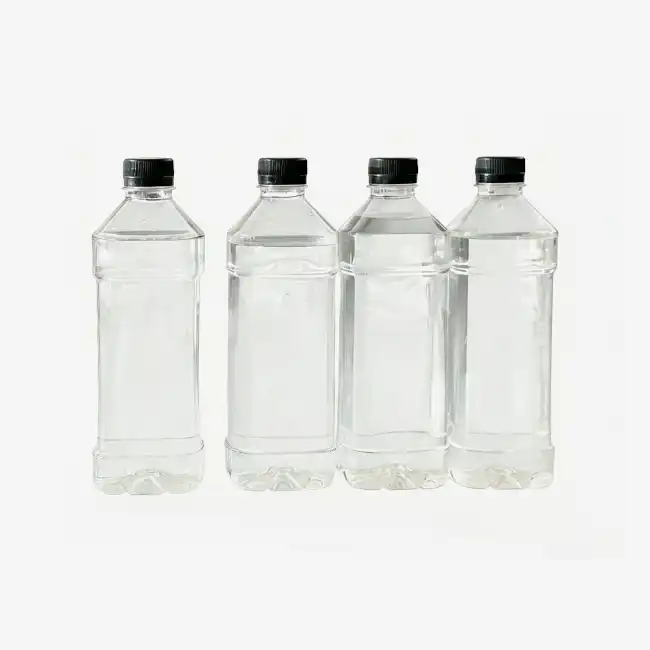
Understanding Potassium Acetate Deicing Liquid: Composition, Performance, and Benefits
Potassium acetate deicer is a highly advanced way to keep things in good shape during the winter. The chemical formula CH₃COOK stands for a potassium salt of acetic acid. This salt is a strong cryogenic agent that stops ice crystals from forming and breaks the bond between frozen precipitation and sidewalk surfaces.
Chemical Composition and Ice-Melting Mechanism
Colligative features of the active ingredient lower the freezing point of water, which is how it works. The solution quickly cuts through snow and ice on roads and airports because it has a specific gravity of 1.25 to 1.30. It then forms a brine layer that stops ice from sticking. For this reason, this mechanism works especially well in very cold weather, when regular deicers stop working. Unlike solid granular goods that need time to dissolve, the liquid version can be used right away without needing water from the environment.
Environmental Sustainability Advantages
Many purchases today are based on caring for the environment. Potassium acetate breaks down quickly without giving off harmful nitrogen compounds, so it has a much lower Biological Oxygen Demand than alternatives based on urea. This trait keeps waterways and environments close to treated places safe. Acetate-based solutions break down into harmless organic compounds, while glycol-based products stay in the groundwater. This environmental profile is very helpful for airport and city officials who have to follow strict EPA discharge rules. It lowers their risk and helps green building projects.
Infrastructure Protection and Corrosion Prevention
One of the most expensive problems in winter maintenance work is corrosion. Chloride salts from everyday life damage aluminium metals used in aeroplanes, rebar in concrete, and steel parts of bridges, which requires expensive fixes to fix. These risks are completely eliminated by the fact that potassium acetate is not acidic. According to ASTM F 483 and ASTM F 1111 guidelines, there isn't much of an effect on metal surfaces and hybrid materials. This protection makes runways, bridge decks, parking structures, and vehicles last longer, which saves a lot of money in the long run and covers the cost of the materials up front.
Application Best Practices for Bulk Operations
Proper handling, storage, and dosing practices are essential for maximizing the performance of deicing liquid potassium acetate while maintaining cost efficiency. Winter service companies typically use calibrated spreading systems and application equipment to ensure that deicing liquid potassium acetate is distributed evenly across roads, bridges, airports, and other critical surfaces. Recommended application rates depend on temperature, ice thickness, weather severity, and pavement conditions, allowing operators to optimize material usage and reduce unnecessary waste. Preventive anti-icing strategies applied before storms can improve cost effectiveness by creating a protective layer that reduces ice bonding and makes later removal easier. Storing deicing liquid potassium acetate in stainless steel or high-density polyethylene containers within dry, well-ventilated warehouses helps preserve product quality, prevent moisture absorption, and maintain long-term stability. Because the material is non-flammable and has safe handling characteristics, deicing liquid potassium acetate provides a practical and reliable solution for winter maintenance operations while supporting workplace safety and efficient deicing management.
Comparing Potassium Acetate Deicer Against Other Common Deicing Solutions
When procurement professionals know how different deicing chemicals compare in terms of performance, they can make decisions that are in line with operational priorities and budget limits.
Acetate-Based Salt Comparisons
The deicing market uses a number of different acetate chemicals, each with its own unique properties. Compared to potassium acetate, sodium acetate is cheaper to make, but it doesn't melt as well at absolutely freezing temperatures. It is known that calcium magnesium acetate (CMA) is good for the environment and protects infrastructure, but it costs more and needs to be used more often. Potassium acetate is the best balance because it lowers the freeze point better than calcium and sodium formulations, is safe to use in water, and works well in temperatures where calcium and sodium formulations don't work as well. The potassium ion also adds good nutrients to the earth around it when it runs off, which is an agricultural benefit that other acetates don't have.
Evaluation Against Glycol and Urea-Based Products
Because they don't freeze at low temperatures, propylene glycol and ethylene glycol deicers have been used in airports for a long time. These products have big problems, like a high Biological Oxygen Demand, worries about their toxins in water, and slow biodegradation rates. Even though urea-based deicers are cheap, they break down into ammonia, which is bad for marine environments and adds to nutrient pollution in the water they enter. More and more, these substances are being limited by regulators near sensitive habitats. These problems with the environment are taken care of by potassium acetate, which also has the same or better melting performance. The acetate formula breaks down quickly, even at low temperatures, and it meets the strictest standards for environmental release without affecting how well it works.
Liquid Versus Solid Formulation Considerations
Potassium acetate can be purchased in both liquid and solid forms, and each option is suitable for different winter maintenance applications. Deicing liquid potassium acetate requires a certain amount of dissolution time before reaching maximum melting performance, which may affect emergency response speed in rapidly changing weather conditions. In comparison, liquid potassium acetate solutions begin working immediately after application, helping break ice bonds and penetrate frozen surfaces more quickly. However, deicing liquid potassium acetate offers advantages in storage stability, transportation flexibility, and long-term inventory management, making it suitable for facilities that need reliable stockpiles and convenient handling. Bulk liquid systems using tanker equipment allow precise dosing control, reduce material waste, and improve application efficiency, while solid products can be integrated with mechanical spreading equipment for roads, bridges, and industrial sites. For large-scale winter operations such as highway networks and airport maintenance, selecting between liquid and deicing liquid potassium acetate depends on factors including storage capacity, application methods, climate conditions, and operational requirements.

Procurement Considerations for Bulk Potassium Acetate Deicing Liquid
To buy in bulk successfully, you need to carefully consider sellers, quality control procedures, and the total cost of ownership, which includes costs other than the initial price.
Supplier Assessment Criteria
Finding trustworthy manufacturing partners will keep your business safe from supply problems and inconsistent quality. Companies that have been making things for a long time, like manufacturers that have been around since 1988 and can make up to 150,000 tonnes a year, show that they are stable and can grow. ISO 9001 certification proves that quality management is done in a planned way. ISO 14001 and ISO 45001 certifications show that a company cares about the environment and is committed to safety at work. International compliance through KOSHER and HALAL certifications shows that internal controls are very strict and go above and beyond what is required. Procurement workers should check the production wait times, which are usually between 5 and 7 working days, and make sure there is safety stock for urgent orders that need to be delivered within 24 hours.
Quality Verification and Documentation
The details of a product have to match up with operational needs and government rules. Ask for specific Certificates of Analysis that show the potassium acetate content is between 50 and 60%, the pH ranges from 7.5 to 9.2, and there are very low amounts of iron (≤0.002%), heavy metals (≤0.01%), and chlorides (≤0.01%). Material Safety Data Sheets tell you how to handle things safely and what to do in an emergency. For uses at airports, materials must meet the requirements of SAE AMS 1435 aerospace materials, which includes proof of corrosion tests according to ASTM F 483 and ASTM F 1111 standards. Set up traceability systems that make sure every batch goes through thorough testing and is fully documented. This will allow for quick action if performance problems arise in the field.
Logistics and Order Flexibility
Shipping plans have a big effect on the total cost of purchase. Suppliers who keep strategic partnerships with global logistics providers can get competitive freight rates and guaranteed container space during the busiest times of the year for getting ready for winter. By looking at the trade terms (FOB, CIF, or DAP), you can find out how much something really costs to send to your building. There are many flexible packing choices, such as 1000L IBC tanks for domestic distribution and flexitanks for international container shipping, which make handling more efficient. Inventory planning is hard because of minimum order quantities and volume discount structures. This is especially true for regional winter service contractors who are in charge of multiple depots. Set clear payment terms that take into account both the need for cash flow and the price breaks that suppliers offer for early or combined payments.
Total Cost of Ownership Analysis
The initial price of a product represents only one part of the true procurement value of deicing liquid potassium acetate. A complete evaluation should consider application requirements, environmental conditions, infrastructure exposure, and long-term operational performance. Determining the correct amount of deicing liquid potassium acetate needed for each site improves efficiency and prevents unnecessary material waste, while higher melting performance can justify higher unit costs by reducing overall consumption. When analyzing the long-term benefits of deicing liquid potassium acetate(CAS NO.: 127-08-2), infrastructure protection should also be included, such as preventing concrete scaling, reinforcement steel corrosion, and equipment damage caused by traditional chloride-based deicers. Biodegradable acetate formulations help lower environmental compliance costs related to stormwater treatment, ecological protection, and regulatory reporting, while faster application, reduced cleanup work, and improved labour efficiency create additional savings. This complete lifecycle cost assessment shows that high-performance solutions like deicing liquid potassium acetate often deliver better economic value than cheaper alternatives that create hidden expenses through maintenance, repairs, and environmental impacts over time.
Practical Case Studies and Real-World Applications
Real-life examples show how strategic deicer selection can help winter service companies improve their performance in a way that can be measured.
Airport Runway Anti-Icing Success
A medium-sized regional airport that handles both passenger and cargo traffic had problems with corrosion caused by chloride that affected the lighting systems on the runway and the parts that hold the wheels on the planes. Over two winter seasons, maintenance workers saw a 60% drop in corrosion-related repairs after switching to potassium acetate that was applied by tanker spray trucks with boom systems. As part of the anti-icing procedure, applications were made on the runways before the storm to create a barrier that would keep the necessary friction ratios for safe aeroplane operations even when freezing rain or snow fell. The operations staff really liked how well the answer worked at temperatures below -20°C, where other deicers had to be used at unreasonably high rates. Environmental compliance tracking showed that airport discharge permits were not exceeded at all, easing worries about water pollution in nearby wetlands.
Bridge Deck Protection Program
A state transportation department that is in charge of a large network of bridges added potassium acetate to their Fixed Automated Spray Technology systems that protect high-risk bridges. Automated sensors that measured temperature and humidity set off precise application, which stopped ice from forming during the vulnerable overnight hours. During normal bridge inspections, structural engineers saw a big difference in the condition of the concrete deck. There was a lot less flaking and scaling than on bridges that had been treated with regular rock salt. When repair records for all the bridges in the inventory were compared, it was clear that the use of acetate was linked to the protection of infrastructure. Budget experts figured that the extra deicer costs for five years would be more than worth it to avoid one big project to fix up a concrete deck.
Municipal Winter Service Optimization
The public works department of a city that serves a northern climate community tried to find a balance between the high standards of service and the values of environmental stewardship. They got the best use of their resources by putting potassium acetate on important areas like emergency routes and main business centers and cheaper options on residential streets. Citizen satisfaction surveys showed that people thought winter maintenance worked better, which was linked to faster ice removal and fewer complaints about vehicle corrosion. The environmental services section pointed out that the use of acetate directly caused a big drop in the amount of spring salt in urban streams. This strategic approach showed that winter service companies can meet the needs of a wide range of stakeholders by carefully choosing products that are in line with the value of assets and the needs of the environment.
Conclusion
Winter service companies must make complex decisions that balance operational performance, budget requirements, infrastructure protection, and environmental responsibility. Deicing liquid potassium acetate(CAS NO.: 127-08-2) addresses these challenges simultaneously by providing excellent freezing point reduction, low corrosion characteristics, rapid biodegradability, and proven performance across applications ranging from airport runways to bridge decks. The use of deicing liquid potassium acetate offers significant operational advantages, including reliable ice-melting efficiency, flexible storage options, controlled application rates, and compatibility with modern spreading and deicing equipment. Although the initial material cost is higher than traditional rock salt, a comprehensive total cost of ownership analysis shows that deicing liquid potassium acetate delivers long-term value through reduced infrastructure maintenance, improved environmental compliance, lower corrosion-related expenses, and more dependable winter service operations. Strategic procurement decisions that focus on supplier quality management systems, product certifications, production capacity, and logistics capabilities ensure a stable supply of deicing liquid potassium acetate when severe winter conditions require rapid and effective response.
FAQ
How does potassium acetate perform in extremely cold temperatures?
Potassium acetate works much better than most other deicers even when it freezes at its eutectic freezing point, which is about -60°C (-76°F). In the field, practical uses can work up to about -29°C to -35°C, based on how much rain falls and how much the chemicals are diluted. This performance range covers the vast majority of winter weather conditions that operations in North America face.
Can this deicer damage concrete, asphalt, or metal infrastructure?
The recipe that doesn't corrode saves infrastructure instead of damaging it. A lot of tests according to ASTM guidelines show that it has little effect on surfaces made of carbon steel, aluminium alloys, concrete, and asphalt. Chloride salts can get into concrete and damage rebar that is buried in it, but acetate-based solutions stay on top and break down naturally without damaging the structure.
What shelf life can we expect for bulk-stored product?
The solution has an infinite shelf life as long as it is kept in the right way in compatible containers made of stainless steel or high-density polyethylene in dry, well-ventilated areas. After two years, the pH and content must be re-certified every year to make sure the product stays intact. However, material that is kept properly rarely breaks down.
How does potassium acetate compare environmentally to other options?
In terms of being good for the earth, this is one of the best deicing options. Biodegradation happens quickly, even at low temperatures, and doesn't release any harmful nitrogen compounds or long-lasting organic pollution. It is the best choice for environmentally sensitive areas because it has a much lower Biological Oxygen Demand than urea and is less harmful to water than chlorides.
Partner with Zhaoyi Chemical for Your Deicing Liquid Potassium Acetate Supply
Zhaoyi Chemical has been making acetate for more than 30 years and knows how to make it work with the tough needs of professional winter service operations. As a dedicated manufacturer of deicing liquid potassium acetate, we keep our production capacity at 150,000 tonnes per year and have full ISO 9001, ISO 14001, and ISO 45001 certifications to make sure consistent quality and a steady supply. Our expert team can help you optimise your applications by figuring out the best dosing rates and distribution methods for your environment and infrastructure. We offer flexible packaging in 1000L IBC tanks and flexitanks, and our trade terms are competitive. These terms include FOB, CIF, and DAP. You can email our buying experts at sxzy@sxzhaoyi.com to talk about your volume needs, ask for technical information, or get a price for deicing liquid potassium acetate for sale that fits your budget and practical plan.
References
1. Transportation Research Board. (2023). "Guidelines for the Selection of Snow and Ice Control Materials to Mitigate Environmental Impacts." National Cooperative Highway Research Program Report 977, Washington, DC.
2. Shi, X., Fay, L., Peterson, M. M., and Yang, Z. (2021). "Freeze-Thaw Damage and Chemical Change of a Portland Cement Concrete in the Presence of Diluted Deicers." Materials and Structures, Vol. 54, No. 3, pp. 125-138.
3. Environmental Protection Agency. (2022). "Best Management Practices for Airport Deicing Stormwater." EPA-833-B-22-001, Office of Water, Washington, DC.
4. American Association of State Highway and Transportation Officials. (2020). "Manual of Practice for Effective Anti-Icing and Pre-Wetting Programs." AASHTO Winter Maintenance Technical Service Program, Washington, DC.
5. Fischel, M. (2019). "Evaluation of Selected Deicers Based on a Review of the Literature." Colorado Department of Transportation Applied Research and Innovation Branch, Report No. CDOT-2019-03.
6. Levelton Consultants Ltd. (2021). "Guidelines for the Selection of Snow and Ice Control Materials to Mitigate Environmental Impacts: Supplemental Information on Acetate-Based Deicers." Prepared for the Canadian Strategic Highway Research Program, Richmond, BC.

USER EVALUATE
Here is the customer's evaluation of us