



Potassium Acetate Deicer Helps Protect Industrial Facilities from Frost
When industrial operations face winter's harshest conditions, frost accumulation becomes more than an inconvenience—it transforms into a significant operational liability. Deicing solid potassium acetate (CAS NO.: 127-08-2) has emerged as the solution of choice for facility managers seeking to maintain uninterrupted production cycles while protecting valuable infrastructure. This white crystalline compound (CH3COOK) delivers exceptional frost prevention performance down to -30°C, offering industrial facilities a reliable defense against ice formation that threatens equipment functionality, structural integrity, and worker safety throughout the cold season.
Introduction
If frost builds up in industrial facilities, it can stop work, damage equipment, and make upkeep much more expensive. During the winter, manufacturing plants, distribution centers, and processing facilities always have problems because ice builds up on loading docks, paths, equipment surfaces, and structural parts, making the places unsafe and slowing down operations. As a high-quality and environmentally friendly option, deicing solid potassium acetate is quickly becoming popular for managing frost in a wide range of industrial settings. This detailed guide is made for purchasing managers, building engineers, and chemical distributors who want to find a reliable deicing choice that meets safety standards, saves money, and is good for the environment. The formula based on acetate is a smart investment that will protect physical assets while still following the stricter environmental rules that govern the use of industrial chemicals.
Understanding Potassium Acetate Deicing for Industrial Applications
Chemical Properties and Mechanisms
Deicing solid potassium acetate is a chemical salt that comes in both solid and liquid forms. It is widely used in many industrial fields for deicing. Through a process called freezing point depression, it lowers the freezing point of water. This melts ice and frost on industrial surfaces by using heat to break down matter. When frozen deicing solid potassium acetate comes into contact with water, it gives off heat that speeds up the breaking down of ice bonds. This makes the ice melt quickly, even when the temperature is low.
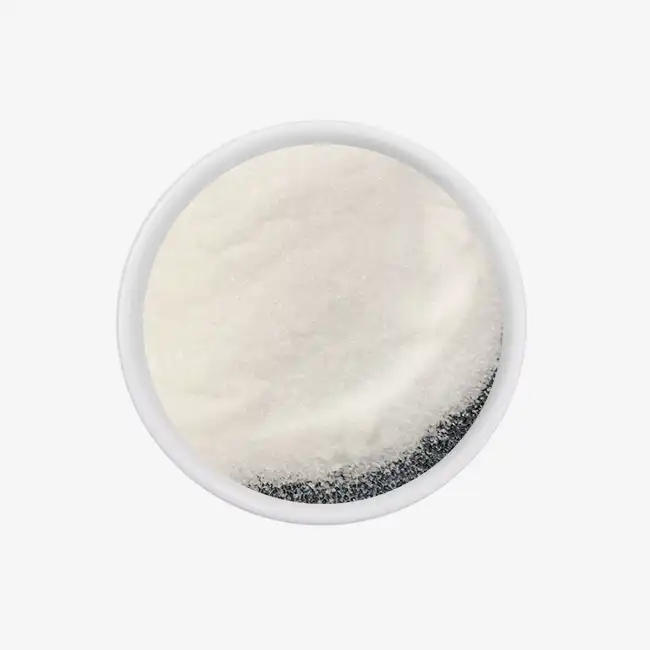
The molecular formula of the chemical is CH3COOK, and its molecular weight is 98.14. This makes it very soluble in water, acid, and alcohol, which makes it very good at cleaning a wide range of surfaces. The white crystalline structure ensures that the particles are spread out evenly during application, whether it is done by hand or with machinery. Notably, deicing solid potassium acetate works well even in cold places where other deicers don't—it stays effective down to -30°C (-22°F), while rock salt only works well below -12°C. Because it works so well at low temperatures, it is the best choice for protecting factories from frost in places where winters are harsh.
Industrial Application Requirements
Deicing solutions for industrial sites need to take care of a lot of different operating issues at the same time. The product must stop frost from forming on important structures without shortening the life of the equipment, meet safety standards for workers, and meet environmental compliance standards. These strict requirements can be met by deicing with solid potassium acetate because of its unique chemical properties and track record of performance in thousands of commercial settings around the world.
Benefits of Using Potassium Acetate Deicer in Industrial Facilities
Environmental Advantages
Deicing solid potassium acetate is different from other deicers like calcium chloride and urea because it breaks down naturally and leaves less of an impact on the environment. Instead of chloride-based alternatives that pollute soil and groundwater, acetate compounds naturally break down into parts that are safe to use. This recyclable formula doesn't pose much of a threat to plants, water sources, and wildlife near industrial sites. This means that facilities can follow winter safety rules without feeling bad about harming the environment or getting in trouble with the law.
This environmentally friendly recipe works especially well for businesses that are close to water, protected areas, or LEED-certified buildings. The low Biological Oxygen Demand (BOD) of the substance stops the eutrophication problems that happen when urea-based deicers are used, as they release ammonia and too much nitrogen into the environment. The facilities show that the company cares about the environment while keeping operations going during the winter.
Enhanced Safety and Corrosion Protection
There is more safety for operators with this solution because it is less corrosive and easier to handle than aggressive chloride salts. In practice, it keeps metal structures from rusting and keeps machines from wearing out, which means that industry users save money on downtime and upkeep costs. For extra protection against the damage that salt-based deicers usually do to aluminium parts, steel-reinforced buildings, and concrete surfaces, the formula doesn't corrode.
When exposed to deicing solid potassium acetate instead of more acidic substances, industrial equipment, loading dock structures, and transportation vehicles keep their structural integrity. Metal parts, forklift parts, and structural supports that are exposed to winter deicing treatments last longer and cost less to replace, according to manufacturing facilities. These operational benefits show a measured return on investment that goes beyond the immediate function of preventing frost. This makes buying the compound a strategic choice instead of just a seasonal cost.
Comparative Analysis: Potassium Acetate vs Other Common Deicers
Performance Comparison Across Deicing Options
Calcium chloride, magnesium chloride, sodium acetate, and urea are some of the most common deicers. Deicing solid potassium acetate is better at stopping rust, being good for the environment, and working well in cold weather. Calcium chloride works well at low temperatures, but over time it corrodes metal surfaces badly and breaks down concrete. Magnesium chloride has some positive effects on the environment, but it stops working below -15°C, which makes it less reliable during very cold spells.
Urea is an old way to melt snow and ice that doesn't work at temperatures below -7°C and does a lot of damage to the environment by releasing ammonia and nitrogen. While sodium acetate is also good for the environment, it needs to be used in larger amounts to have the same melting performance. The potassium version has better ionic interaction with ice structures, which means it melts faster with fewer chemicals. This lowers costs and has less of an impact on the environment.
Solid Versus Liquid Formulations
Knowing the differences between solid and liquid types helps buying teams pick the best product for the job, based on cost, storage space, and application needs. Deicing solid potassium acetate is better for places that already have solid spreading tools, need to store things for longer periods of time, or want to be able to use it whenever they need to. When stored for a long time in a dry, well-ventilated space away from sources of moisture, the crystalline form stays stable.
Liquid formulations are better for automated spray systems and cases where the surface needs to be touched right away, but they are heavier to carry and can freeze when stored. An increasing number of businesses use a mix of solid and liquid formulas to fix problem areas and keep them from happening in the first place. Zhaoyi Chemical makes both solid and liquid deicing solid potassium acetate(CAS NO.: 127-08-2) products, so procurement managers can choose the format that works best for their operations and the infrastructure they already have in place.

How to Select and Use Solid Potassium Acetate Deicer for Industrial Procurement?
Supplier Evaluation Criteria
When looking for a deicing solid potassium acetate provider, it's important to look at their certifications, dependability, and clear pricing. This will help you get consistent quality throughout the year. Industrial buyers should give top priority to makers with ISO 9001, ISO 14001, and ISO 45001 certifications. These show a dedication to quality management, environmental responsibility, and health and safety at work standards. Extra approvals, like Kosher and Halal, show that production is closely supervised and quality is checked in ways that go beyond basic chemical requirements.
Shanxi Zhaoyi Chemical Co., Ltd. has been making acetate for more than 30 years and has a 27,000-square-meter factory that can make 150,000 tonnes of acetate every year. This level of production guarantees a steady supply, even during the busiest winter months, when many sellers have trouble allocating supplies. Full-process quality monitoring by the company makes sure that each batch is the same. Technical specifications keep the deicing solid potassium acetate content above 99%, the water insoluble matter below 0.05%, and the chloride content below 0.2%. These levels are higher than what is required by international standards and ensure the best deicing performance.
Application Best Practices
For maximum success, procurement managers should also think about the benefits of buying in bulk and the best ways to apply for holiday jobs. The best time to apply chemicals is to avoid frost formation rather than reacting after ice builds up. This lowers the total amount of chemicals used while still providing better surface protection. Application rates are usually between 50 and 150 grams per square metre, but they can be higher or lower depending on the temperature, the surface, and how long protection is needed.
The compound is hygroscopic, which means it absorbs water and may clump together when exposed to humidity. This makes storage management very important. Facilities should keep storage areas with relative humidity below 65% by using packaging that doesn't absorb moisture and climate-controlled spaces when they can. Standard packaging choices include 25 kg plastic woven bags that are easy to handle and 1000 kg tonne bags for bulk uses. Custom packaging can be made to fit specific working needs and material handling tools upon request.
Case Studies: Potassium Acetate Deicer in Industrial Frost Protection
Manufacturing Facility Implementation
Real-life industry examples show that deicing solid potassium acetate works well to stop frost in a variety of working settings. A mid-Atlantic company that makes auto parts had to deal with repeated production delays in the winter because frost formed on the loading dock surfaces, making it unsafe for forklifts to move goods and ship packages. After switching from rock salt to deicing solid potassium acetate, the facility saw a 40% drop in operational delays caused by frost. Corrosion damage to dock levellers and overhead door mechanisms that needed to be replaced every year was also eliminated.
The facility's maintenance director said that the longer life of the equipment was reason enough to switch to a different deicing product, and the extra benefits for keeping operations running smoothly added a lot more value. According to the application protocols, preventive evening treatments were done using current spreading equipment. This meant that only minor changes had to be made to how things were done, but there were measurable gains in performance. The implementation showed that choosing the right deicing products strategically is part of larger business excellence initiatives, not just one-off winter maintenance choices.
Distribution Center Results
A large logistics distribution center in the Great Lakes area used deicing solid potassium acetate to melt the ice in 500,000 square feet of outdoor storage and car waiting areas. Using chloride-based deicing methods in the past led to the surface of the concrete breaking down over time and the tracks of warehouse doors rusting faster, which required big repairs. When deicing solid potassium acetate was used successfully, these maintenance tasks were no longer needed, and the frost protection worked well during long cold periods.
According to feedback from facility engineers, there are many practical benefits, such as fewer slip-and-fall accidents, better vehicle traction during loading operations, and no more white salt residue tracking into the warehouse. These organisational changes set reliable standards for the company's nationwide facilities network. This led to all cold-weather distribution centers buying deicing solid potassium acetate in the same way. The case shows how the successes of a single location can lead to the wider use of better deicing methods across an entire organization.
Conclusion
Industrial facilities need deicing solutions that do more than just keep frost from forming. These solutions need to protect infrastructure, keep operations running smoothly, keep workers safe, and follow environmental rules all at the same time. The better low-temperature performance, non-corrosive makeup, and biodegradable environmental profile of deicing solid potassium acetate (CAS NO.: 127-08-2) meet these many different needs. The compound's proven success in a wide range of industrial settings, from factories to delivery centers, shows how flexible it is and how reliable it is in tough working conditions. Facility managers naturally choose acetate-based deicing solutions that reduce the total cost of ownership rather than just lowering the cost of chemicals up front when they make strategic purchasing choices that focus on long-term infrastructure security and practical success.
FAQ
Is potassium acetate deicer corrosive to industrial equipment?
When made with the right corrosion inhibitors, deicing solid potassium acetate has much lower corrosivity than conventional chloride-based salts. The mixture keeps aluminium parts, steel structures, and concrete surfaces safe from the damage that rock salt and calcium chloride usually cause. Standard safety precautions for mixing materials apply, but the compound meets strict aerospace industry standards for not corroding, giving industrial users peace of mind about protecting their equipment.
How does the cost compare to traditional deicing products?
Deicing solid potassium acetate may cost more per tonne than regular rock salt, but it saves a lot of money in the long run by lowering upkeep costs, making facilities last longer, and lowering the cost of environmental compliance. The total cost of ownership estimates always favour acetate-based solutions when corrosion is taken into account, application rates are cut down because of better melting efficiency, and the costs of cleaning up chloride contamination in the environment are avoided.
What temperature range provides effective performance?
This product works well in a wide range of temperatures, melting ice reliably down to -30°C (-22°F). This is a big improvement over regular rock salt, which stops working below -12°C. This wider operating temperature range makes sure that frost protection stays constant during very cold weather when other deicers fail. This stops the problems and safety risks that happen when deicing methods don't work during harsh winter conditions.
Get Reliable Deicing Solid Potassium Acetate from a Trusted Manufacturer
Zhaoyi Chemical is ready to meet your workplace frost protection needs with top-quality deicing solid potassium acetate products that are backed by strict quality standards and a reliable supply chain. Our manufacturing experience of more than 30 years guarantees that you will always get high-purity deicing solid potassium acetate that meets the strict requirements of your facility's operations. We have long-term partnerships with foreign shipping companies that allow us to offer you cheap logistics rates and reliable delivery schedules that work with your holiday buying needs. You can email our technical team at sxzy@sxzhaoyi.com to get personalised advice on application protocols, bulk pricing structures, and supply deals that are made to fit your unique business needs. Whether you need 25 kg bags for specific uses or tonne bags to cover a large area of a building, we can help you with your packaging needs and make the buying process easier. This way, you can be sure that your frost protection works well all winter.
References
1. Transportation Research Board. (2007). Guidelines for the Selection of Snow and Ice Control Materials to Mitigate Environmental Impacts. National Cooperative Highway Research Program Report 577.
2. Shi, X., Fay, L., Peterson, M.M., & Yang, Z. (2010). Freeze-thaw damage and chemical change of a Portland cement concrete in the presence of diluted deicers. Materials and Structures, 43(7), 933-946.
3. Fischel, M. (2001). Evaluation of Selected Deicers Based on a Review of the Literature. Colorado Department of Transportation Research Branch.
4. Levelton Engineering Ltd. (2007). Guidelines for the Selection of Snow and Ice Control Materials to Mitigate Environmental Impacts. National Cooperative Highway Research Program Report.
5. American Society for Testing and Materials. (2018). ASTM D7170 - Standard Practice for Evaluating Material Compatibility of Solid and Liquid Deicers with Pavement Materials.
6. SAE International. (2013). AMS1431: Compound, Solid Runway and Taxiway Deicing/Anti-icing. Society of Automotive Engineers Aerospace Material Specification.

USER EVALUATE
Here is the customer's evaluation of us