



Oilfield Chemicals: Role of Potassium Acetate
In modern oil extraction, oilfield solid potassium acetate has become an important part of drilling fluid that solves important operating problems. This white solid substance (CH3COOK, CAS 127-08-2) is much better at stopping rock formation, keeping equipment from rusting, and meeting strict environmental standards than other chloride-based chemicals. Its special molecular structure gives clay the potassium ions it needs to stay stable without adding the toxic chloride anions that other chemicals do. This makes it the best choice for digging operations in North America and around the world that care about the environment.
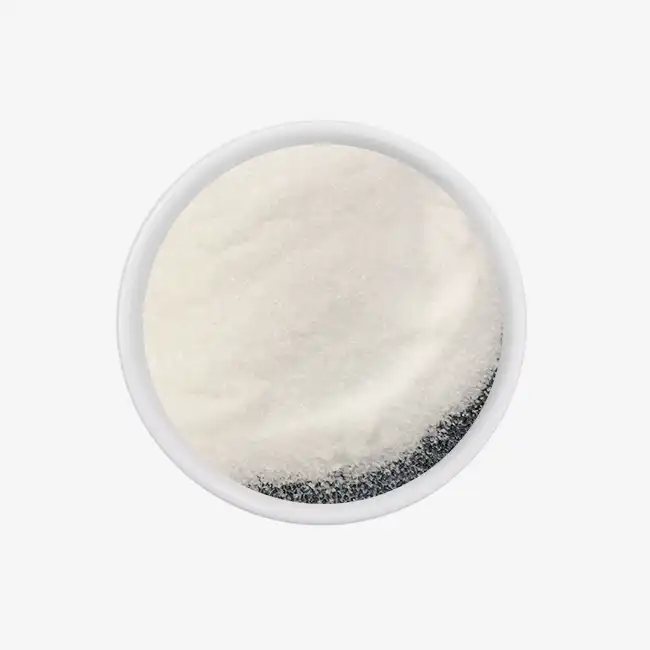
Understanding Potassium Acetate in Oilfield Operations
The upstream oil and gas business is under more and more pressure to find a mix between being environmentally friendly and running efficiently. The chemical of the drilling fluid is very important for keeping this balance, and potassium acetate solutions have completely changed how we protect the rock and keep the wellbore stable.
Chemical Composition and Production
Potassium acetate used in the oil industry has a molecular weight of 98.14 and dissolves easily in water, acids, and alcohols. Usually, acetic acid and potassium hydroxide or potassium carbonate combine to neutralise each other. This is followed by crystallisation and purification steps. The white crystals that are made are more than 98% pure, and top types made by specialised companies reach ≥99.0% purity.
Strict quality control standards are what set oilfield specs apart from industry grades. Impurities like heavy metals, chlorides, and sulphates need to stay below certain levels in order to keep drilling fluids clean and formations from being damaged. Shanxi Zhaoyi Chemical keeps these high standards up by using ISO 9001-certified factories that make sure the quality of each batch is the same and that all the paperwork can be tracked back to the source.
Solid vs. Liquid Forms: Practical Considerations
Choosing between solid crystals and liquid concentrates (usually 50–60% solutions) has a big effect on the costs of operations and transportation. Because it doesn't contain water, solid potassium acetate cuts shipping costs by 40 to 50 percent compared to liquid options. This benefit is especially useful for digging sites that are far away and where limited freight volume causes problems with operations.
But liquid forms are easier to dissolve right away on the rig site, which cuts down on the time and work needed for mixing. In the end, the choice will rely on your facility's mixing equipment, store space, and distance from supply sources. Many procurement managers who are in charge of more than one drilling site keep both forms on file to be as flexible as possible in a range of practical situations.
Mechanism of Action in Drilling Fluids
Potassium ions replace sodium and calcium ions in clay interlayers when mixed with water-based muds. This happens through cation exchange processes. This swap makes it much less likely for the clay to soak up water and grow, which keeps the wellbore intact in reactive shale rocks. The acetate anion improves lubricity and lowers torque and drag at the same time during directed drilling.
The compound's ability to buffer keeps the pH level between 8.5 and 9.5, which protects the drilling fluid system and downhole tools from situations that could damage them. This two-in-one feature—shale prevention and pH stabilization—removes the need for multiple ingredients, making fluid creation easier and lowering the cost of chemicals in stock.
Comparing Potassium Acetate to Other Oilfield Chemicals
To choose the right drilling fluid addition like solid potassium acetate, you need to know how performance trade-offs affect a number of factors. Procurement professionals have to look at more than just the short-term practical rewards. They also have to think about the long-term cost effects and legal compliance.
Potassium Acetate vs. Potassium Chloride
Potassium chloride (KCl) has been used to stop shale formation for many years because it effectively stabilises clay at a reasonable cost. But chloride ions have big problems that are becoming more and more important than the cost benefits. KCl speeds up rust in carbon steel tubulars and downhole equipment, which lowers the lifespan of parts and raises the cost of upkeep. Offshore users are limited in how much chloride they can release, which makes KCl-based systems hard to use in places that are sensitive to the environment.
These worries go away when you use potassium acetate, which also has the same or better shale suppression. Field tests show that acetate-based fluids increase the life of bits by 15 to 20 percent and lower the amount of time that they aren't working because of a pipe getting stuck. Because acetate breaks down naturally, it is easier to get rid of trash and costs about 30% less to clean up the environment than chloride systems.

Performance Against Sodium and Potassium Formate
Formate brines are the best options for high-density finishing fluids because they can reach densities of up to 2.3 SG. In high-pressure, high-temperature (HPHT) wells, potassium formate works well with the rock and doesn't change much when heated. However, formate goods are very expensive—usually two to three times as much as acetate equivalents—so they can't be used for normal piercing tasks.
Solid potassium acetate from the oilfield is the best middle ground. It can get salt levels as high as 1.57 SG without using solid weighting agents, which is high enough for most finishing and workover tasks. The product stays fluid-stable at temperatures above 200°C, making it useful in harsh thermal conditions. It can be mixed with common polymer fillers like xanthan gum and polyanionic cellulose (PAC), which makes it even more useful in a wide range of fluid formulas.
Environmental Impact Assessment
Chemical choices are being influenced by the environment more and more, especially for activities near sensitive ecosystems and offshore sites. It only takes 7–14 days for potassium acetate to completely turn into minerals when it is exposed to oxygen conditions. This feature lowers the chemical oxygen demand (COD) and biological oxygen demand (BOD) in flow streams by a large amount.
Comparative toxicity studies show that acetate-based fluids have much higher LC50 values (concentrations that kill 50% of test organisms) than chloride- or chromium-based fluids, which means they are less harmful to marine life. Many operators who switched to acetate formulas say that getting permits was easier and that environmental tracking costs went down. This is especially true in controlled offshore areas like the Gulf of Mexico and the North Sea.
Procurement and Evaluation Criteria for Quality Products
Finding the lowest unit price for oilfield solid potassium acetate is only one part of successful buying. Full evaluation systems look at the whole supply chain, including the quality of the product, the dependability of the seller, the speed of the transportation, and the total cost of ownership.
Essential Quality Parameters
Product quality is the most important factor because it has a direct effect on how well drilling fluids work and how well they work with the rock. High-quality potassium acetate for the fields should be at least 98% pure, and the best goods should be purer than 99%. Ask for certificates of analysis (CoA) for each batch and make sure they:
- Assay content: ≥98.0% or ≥99.0% depending on application requirements
- Chloride level: 100 parts per million to stop rusting problems
- Heavy metals: Mercury, arsenic, and lead below the limits of detection
- Content of moisture: ≤1.0% for solid crystalline forms
The 10% fluid should have a pH between 8.0 and 9.5 so that it can work with alkaline mud systems.
Having third-party testing done by approved labs adds another layer of security, especially for big projects. Before approving large buy orders, many procurement teams need proof from an ISO 17025-accredited lab.
Supplier Evaluation Framework
As important as product standards are to the success of a project, so is the trust of the supplier. Look at possible partners in more than just terms of price competitiveness. It's important to know how much you can produce. Suppliers that make more than 50,000 tonnes of goods a year usually have economies of scale and production regularity that smaller makers find hard to match.
With a yearly capacity of 150,000 tonnes, Shanxi Zhaoyi Chemical is one of the biggest companies in its field and can keep up with demand even when it goes up. Their 35-year background of business, which began in 1988, shows a track record that younger companies can't give. Quality standards like ISO 9001, ISO 14001, and ISO 45001 show a consistent dedication to managing quality, caring for the environment, and keeping workers safe.
Certifications like KOSHER and HALAL make it easier for products to be sold in more global markets, which makes multi-regional buying methods easier to use. These qualifications are checked by independent organisations on a regular basis by large clients in the United States and other countries.
Logistics and Lead Time Considerations
Understanding how the supply chain works for solid potassium acetate can help you avoid costly project delays. Standard production wait times for well-known providers for stock items are between 5 and 7 working days, while special recipes can take up to 10 to 15 days, based on how complicated the specifications are. Shipping containers from Asian production hubs to North American ports takes about 25 to 35 days on average, so project timelines need to be planned ahead of time.
Options for packaging have a big effect on how easy it is to handle and how much it costs to store. Standard 25 kg multi-layer paper bags with plastic liners work well for small businesses that sell a wide range of goods. Super sacks that hold 1,000 kg are useful for people who use a lot of goods because they cut down on the amount of work and office room needed to handle each unit. Because potassium acetate is hygroscopic, it needs to be kept in packaging that can't get wet. Humidity can cause caking, which makes dissolving and measuring more difficult.
Minimum order amounts (MOQ) are different for each provider and type of packing, but for containerised exports, they are usually around 20 tonnes. By setting up blanket purchase deals with planned releases, buyers can get good prices while keeping track of product costs and storage space.
Practical Applications and Performance Benefits
Real-life examples of application show how the chemistry of potassium acetate can be used to improve operations in a wide range of drilling conditions. These uses show how versatile the substance is and how reliable it is in tough situations.
High-Performance Water-Based Mud Systems
Wellbore stability is a big problem for complex directional wells that go through weak shale rocks. It can be hard for traditional drilling fluids to find the right mix between good blocking and good rheological qualities. In the Permian Basin, tests showed that acetate-based muds kept the gauge hole conditions the same through more than 3,000 feet of difficult rock. This was necessary because offset wells with traditional KCl systems had multiple instances of pipes getting stuck.
The acetate mixture gave gauge hole values of 92% compared to 78% for the KCl tests. This cut the time needed for reaming by about 18 hours per well. Because of better lubrication, drilling entry rates went up by 8–12%, which saved a lot of time. It is thought that these improvements in performance saved between $150,000 and $200,000 per well in costs, when rig day rates and less time spent on non-productive tasks were taken into account.
Solids-Free Completion and Workover Fluids
Completion operations need fluids that are very clear so that they don't damage the rock and get as many hydrocarbons as possible. When oilfield solid potassium acetate is mixed with solids-free brines, they can reach densities of up to 1.57 SG without clogging up fruitful rocks with particles. Since there are no floating solids, there are no problems with settling during long well interventions.
When operators finish horizontal wells in tight oil rocks, they get 15–25% higher starting production rates with acetate completion fluids than with calcium chloride or calcium bromide systems. The non-damaging chemistry keeps the natural crack permeability and stops clay from moving, which blocks flow routes. Post-completion fluid recovery is higher than 95%, which reduces damage to the rock and speeds up the time it takes to clean up the well.
Extreme Cold Weather Operations
Arctic drilling and deep-water operations need freeze protection that works well and doesn't change the qualities of the fluid. Potassium acetate solutions keep things from freezing at -60°C, so they can still be pumped and have the same viscosity profile even in the worst conditions. This performance is better than glycol-based options to antifreeze, which change the rheological properties and raise worries about their interaction with polymer additives.
In the North Slope area of Alaska, operators use acetate-based devices for all of their winter drilling efforts. Temperature changes from top conditions (-40°C) to bottomhole settings (120°C+) don't affect the fluids' qualities, so they don't need to be reformulated every season. After switching from old glycol systems, equipment downtime caused by frozen lines and mud system problems dropped by 60%.
Environmental Compliance and Sustainability
Regulatory guidelines are calling for less damage to the environment, especially for operations that happen at sea and near environments that are sensitive. Potassium acetate is biodegradable and not harmful to marine life, which makes it easier to follow strict release guidelines. The substance breaks down naturally through bacteria metabolism, so it doesn't stay in the environment for a long time.
A lot of Gulf of Mexico companies switched to acetate-based systems in order to meet the new EPA release standards. The switch got rid of chromium lignosulfonate and cut COD levels by 70%, which allowed direct release overboard as long as the NPDES permit conditions were met. Simplifying trash management cut environmental compliance costs by about $35,000 per well and raised the green ratings of companies.
Conclusion
Of oilfield solid potassium acetate's strategic benefits, there are practical, economic, and environmental ones. With its better shale blocking properties, non-corrosive chemistry, and recyclable properties, it is the best drilling fluid addition for owners who are looking to the future. When looking at providers, give more weight to those that can show consistent quality through approved production systems, a lot of manufacturing capability, and a history of reliable transportation. Because the substance can be used in water-based muds, finishing brines, and harsh environments, it has become an important part of modern drilling fluids.
FAQ
Why is potassium acetate better at stopping rock formation than potassium chloride?
Both substances give potassium ions to stabilise clay through cation exchange, but potassium acetate doesn't have the harmful chloride anion that breaks down downhole equipment and makes it hard to get rid of in the environment. The acetate anion adds to the lubricity benefits and stays compatible with disposal rules that protect the environment and limit chloride use abroad more and more.
How should solid potassium acetate be kept so that the quality doesn't get worse?
Because the substance absorbs water, it needs to be stored in dry, well-ventilated buildings where the relative humidity is below 60%. Keep the packaging closed until you're ready to use it, and put opened bags in containers that won't get wet. Do not touch the concrete floors directly; instead, use boxes to keep the air moving. When kept correctly, material keeps its quality for 24 months without significantly caking or losing its purity.
Can potassium acetate be used in wells with high pressure and temperature?
The material is very stable at high temperatures; it still works well at temperatures above 200°C in the hole. It still works with HPHT-rated polymer systems and doesn't break down into toxic leftovers when pressure is high. Acetate-based fluids are used by many users in wells with bottomhole pressures above 15,000 psi without any problems.
Partner with Zhaoyi Chemical for Your Oilfield Solid Potassium Acetate Requirements
In the oilfield chemicals industry, Zhaoyi Chemical brings 35 years of experience making acetate. They provide technical-grade potassium acetate that meets the strict requirements of current drilling operations. With a yearly production capacity of 150,000 tonnes, our plant can reliably serve projects of any size. It is also certified by ISO 9001, ISO 14001, and ISO 45001, which provides consistent quality and environmental duty. We offer a range of flexible packing choices for our oilfield solid potassium acetate, ranging from 25 kg bags to 1,000 kg large bags, to meet the needs of all kinds of operations and transportation.You can email our technical team at sxzy@sxzhaoyi.com to get competitive quotes, customised recipe advice, and sample requests that show how well our product works in your unique drilling setting.
References
American Petroleum Institute (2019). "Recommended Practice for Field Testing Water-Based Drilling Fluids," API RP 13B-1, Fourth Edition.
Caenn, R., Darley, H.C.H., and Gray, G.R. (2017). "Composition and Properties of Drilling and Completion Fluids," Seventh Edition, Gulf Professional Publishing.
International Association of Drilling Contractors (2020). "Environmental Considerations in Drilling Fluid Selection," IADC Technical Report HSE 3.8.
Society of Petroleum Engineers (2018). "Shale Inhibition Mechanisms in Water-Based Drilling Fluids," SPE Journal of Drilling & Completion, Volume 33, Issue 2.
United States Environmental Protection Agency (2021). "Effluent Limitations Guidelines and Standards for the Oil and Gas Extraction Point Source Category," 40 CFR Part 435.
World Oil Magazine (2020). "Advances in Environmentally Acceptable Drilling Fluids for Offshore Operations," Technical Review Series, Volume 241, Number 6.

USER EVALUATE
Here is the customer's evaluation of us