



Why Solid Potassium Acetate Is a Versatile Chemical?
Industrial solid potassium acetate is one of the most useful chemicals on the market today. It is used in many important ways in industries like food production, energy extraction, flight, and water treatment. This white crystalline substance (CH₃COOK) is very good at dissolving in water and is also non-corrosive and safe for the environment. This makes it the best choice for businesses that need to get things done without damaging infrastructure. Unlike chloride-based options, this acetate substance lowers the freeze point, stabilises shale, and acts as a cushion while still being environmentally friendly and lasting a long time.
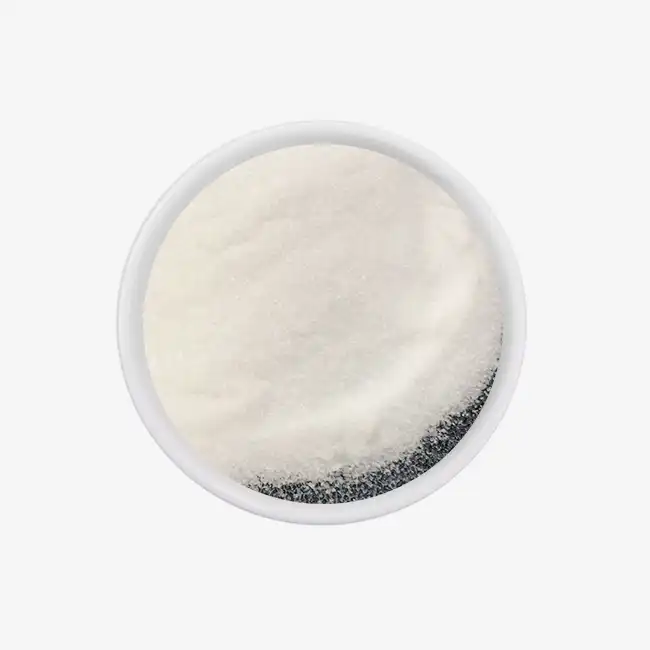
Understanding Industrial Solid Potassium Acetate
Chemical Composition and Physical Properties
The molecular formula for potassium acetate is CH₃COOK, and its molecular weight is 98.14 g/mol. Manufacturers make this substance by neutralising acetic acid with either potassium hydroxide or potassium carbonate. This creates crystal structures that are very pure. This substance looks like white crystals and is very soluble, breaking down easily in water, alcohols, and acidic solutions.
This molecule is stable at temperatures up to 292°C, which is useful for chemical processes that give off heat. Because it is deliquescent, it takes moisture from the air. This means that it needs special packaging to keep its shape while it is being stored and shipped. Specifications for industrial use usually call for pure levels above 98%, with iron residues below 0.05% and salt content below 0.2%.
Differences from Related Compounds
Procurement managers can choose the right product if they know how this acetate is different from other materials that are similar. Liquid forms have the same active ingredient dissolved in water, usually at a concentration of 50%. This makes them more expensive to ship but easier to handle in cold places. Even though sodium acetate is chemically similar to potassium acetate, it gives off sodium ions instead of potassium ions. This makes it less useful for situations where adding potassium would help the process.
Calcium chloride has a very different chemical make-up. Chloride salts are often used to melt ice, but they speed up the rusting of metals and the breaking down of concrete, which results in long-term costs for infrastructure that cancel out any initial savings. The acetate option is safer for aluminium, steel, and composite materials because it breaks down naturally and doesn't build up in water or dirt.
Manufacturing Standards and Quality Certifications
Companies with a good reputation use strict quality control systems that are in line with ISO 9001 guidelines. The Zhaoyi Chemical company was founded in 1988 and has been making acetate for more than 30 years. They have many certifications, including KOSHER and HALAL for food-grade uses. With these certificates, you can be sure that the production methods meet the highest standards for safety and cleanliness around the world.
Each batch of output is tested in a lab to make sure it meets standards for chemical makeup, moisture content, and contamination levels. Shipments come with documentation packages that include Certificates of Analysis (COA) and Material Safety Data Sheets (MSDS). This helps customers stay in line with local rules. Traceability systems connect produced goods to where the raw materials came from, which helps with quality reviews when they're needed.
Key Industrial Applications of Solid Potassium Acetate
Aviation and Highway Deicing Operations
Airport managers have to balance a lot of different needs, such as safety, protecting the environment, and keeping assets safe. Solid potassium acetate works well at temperatures as low as -60°C, so it can be used in very cold winter weather. It doesn't corrode, so it protects airport lighting systems, aeroplane parts, and sidewalk marking materials that chloride-based deicers wear down over time.

Highway repair workers like that it has less of an effect on the environment than regular rock salt. Acetate-containing runoff breaks down naturally instead of building up in groundwater or hurting plants next to the road. The material is especially useful for bridge decks because it doesn't speed up the rusting of rebar inside concrete buildings. This makes infrastructure last longer and costs less to maintain.
Oil and Gas Drilling Fluid Formulations
When drilling into reacting shale rocks, drilling experts choose potassium-based chemicals for water-based mud systems. The potassium ions switch places with clay particles, stopping the clay from becoming wet and becoming mechanically unstable, which can cause the wellbore to fall. This process keeps the integrity of the holes while letting more material through than polymer-only blocking systems.
Because the substance dissolves easily, it can be used to make thick brines without adding solids that could damage the permeability of the reservoir. When working in deep wells with temperatures above 150°C, oilfield service companies value the thermal stability. Supply dependability is very important during multi-well drilling efforts, so partners who are well-known and whose products always meet standards are ideal.
Chemical Manufacturing and Synthesis
The people who make polyurethane use this acetate as a catalyst to speed up processes between isocyanate and hydroxyl groups. High purity stops catalyst poisoning, which makes batches inconsistent and goods that don't meet specifications. It is used as a neutralising agent in textile processes to change the pH during dying and finishing without adding any unwanted ions that could affect colour fastness.
When making injected medicines that need precise pH control, pharmaceutical companies like how the substance can work as a cushion. This substance can be used as a starting point to make other acetate salts and as a diagnostic reagent. Specifications made for labs with better proof of purity help study projects that need to be able to trace back to official reference standards.
Agricultural Enhancement and Soil Treatment
Fertiliser makers use acetate chemicals to make potassium nutrients easily available and to slightly raise the pH of acidic soils. The acetate anion breaks down quickly, leaving potassium for plants to take up without having to worry about salt buildup. Because of this, it can be used in greenhouses and to grow high-value crops where the soil's pH is regularly checked.
The material's ability to improve bacteria activity and water absorption makes it useful for soil preparation. The chemical works well with other nutrients and organic additives, which is important to agricultural solution providers making speciality goods. As growers look for long-lasting alternatives to mineral salts, its use in controlled-environment agriculture keeps growing.

Comparing Solid Potassium Acetate with Alternatives — Making the Right Choice
Solid Versus Liquid Formulations
Purchasing professionals often look at whether solid or liquid forms work better for their tasks. The solid powder has benefits when it comes to storage density and shelf stability, especially in places that don't have climate-controlled warehouses. Bulk bags with 1000 kg of solution take up much less room than bags with the same amount of 50% solution, which lowers the cost of storage and makes inventory management easier.
Dissolving set amounts of industrial solid potassium acetate in water makes it easy to turn them into useful solutions. This gives operators the freedom to make amounts that meet the needs of a specific application, rather than having to stick to set recipe ratios. The small exothermic breakdown reaction helps with preparation in cold weather by making heat that speeds up the mixing process. When it comes to shipping costs, solid forms are better than liquid ones because sending water adds extra freight costs without adding more active ingredient.
Performance Against Traditional Deicing Chemicals
Calcium chloride rules the winter upkeep market because it's cheap to buy, but overall ownership numbers show a different picture. Damage to infrastructure from chloride rust costs more to fix than the saves in chemicals over long-term planning horizons. Transportation offices have done studies that show acetate-based deicers make pavement last longer by lowering damage from freeze-thaw cycles and weakening of the reinforcements.
Magnesium acetate has some of the same environmental benefits as potassium acetate, but it costs more and lowers the freeze point less effectively. While sodium formate has some uses, it needs to be used at higher rates to have the same ice-melting effect. The potassium acetate choice strikes a good mix between efficiency, environmental duty, and cost-effectiveness in a wide range of situations.
Environmental Impact and Regulatory Compliance
The ability to break down naturally is a key factor when environmental rules limit the release of chemicals. Normally occurring bacteria break down the acetate anion aerobically, turning it into carbon dioxide and water without leaving any leftovers. Testing for aquatic toxins shows that normal use amounts don't have much of an effect on fish and invertebrates. This is very different from how chloride affects freshwater environments.
Adopting acetate helps facilities that want to get sustainability certifications meet their environmental management goals. The compound's normal to slightly alkaline pH makes it less likely that the soil will become acidic near where it is used. When compared to chloride salts, rust dust produces less air pollution, which is better for workers and people living nearby.
Procuring Industrial Solid Potassium Acetate — What You Need to Know?
Identifying Reliable Manufacturing Partners
Supplier selection significantly impacts operational continuity and product consistency. Instead of commodity dealers, manufacturers with specialised acetate production sites usually offer better technical help and a more stable supply chain. When planning big projects or yearly stockpiling, production capacity is important. Facilities that can make 150,000 tonnes per year can handle large orders without worrying about division.
Certifications make sure that companies keep up with the right safety and quality controls. Getting ISO 14001 approval for environmental management shows that you are committed to using safe production methods. Workplace safety standards, such as ISO 45001, show that a business is responsible and cares about its employees' well-being. These titles, along with product-specific approvals like "food-grade" or "pharmaceutical" labels, give buyers trust in the supplier's skills.
Understanding Pricing Structures and Minimum Orders
The price of chemicals is based on the cost of raw materials, the amount that is made, how it is packaged, and how it will be delivered. When you commit to a certain amount of goods, you usually get better prices because makers plan their production around bigger sales. Standard packing in 25 kg weave bags works well for smaller users, while tonne bags save money on handling costs for large users who have the right tools.
Prices for deicing products are affected by changes in seasonal demand. The best time to buy is in the fall. Strategic buyers arrange yearly contracts that guarantee volume amounts at set prices, which protects them from the instability of the spot market. Total landing costs are affected by payment terms, currency factors, and the choice of Incoterms. This means that suppliers need to be carefully negotiated with.
Logistics and Regulatory Considerations
For international exports of solid potassium acetate, you need to make sure you have the right paperwork, like customs reports, safety data sheets, and transportation classifications that follow the rules for dangerous products. Even though this acetate isn't considered dangerous goods, having the right paperwork makes crossing borders and going through regulatory checks faster. For local shipments from well-known makers, the time between placing an order and receiving it is usually between 5 and 7 days. For foreign shipments, the time between placing an order and receiving it depends on the location and the shipping method.
When planning storage, the material's susceptibility to water must be taken into account. Keeping things in climate-controlled warehouses with relative humidity below 50% stops them from caking and keeps them moving freely. Inventory movement makes sure that older stock is used up before newer orders arrive. This keeps the quality of the product high all along the supply chain.
Environmental and Safety Considerations in Using Potassium Acetate
Ecological Advantages Over Conventional Options
Biological oxygen demand (BOD) studies show how organic molecules change marine environments by using up oxygen while breaking down. Acetate compounds have low amounts of BOD and don't pose much of a threat when mixed with natural water. This is especially true when compared to other chemicals like urea, which cause algae blooms by adding too much nitrogen. Groundwater quality is protected in critical refilling zones because salt doesn't stay there for a long time.
Studies on plant tolerance show that these deicers are less harmful to plants than salt-based ones. Plants and planting along roadsides and near treated areas have higher survival rates, and they also keep their good looks and stop erosion. Wildlife is less likely to be exposed because the substance doesn't build up in food chains or break down in the environment in ways that make harmful byproducts.
Workplace Safety Protocols and Handling Procedures
Material safety data sheets tell you how to handle things safely based on tests that look at how dangerous they are and how much exposure they can cause. This acetate doesn't pose many immediate risks. The main worries are breathing in dust when handling the bag or splashing it when making the solution. Personal protected equipment like safety glasses, dust masks, and gloves that can handle chemicals is enough to keep you safe during normal tasks.
Cleaning up spills means cleaning or sucking up solids so they can be used again or thrown away properly. Since the substance is easily dissolved in water, cleaning methods that use water work well because there are no special treatment needs because the pH is normal. Large spills that could make surfaces slippery should be covered in emergency response plans, even though the material isn't flammable or reactive, which can make workplace accidents more difficult.
Regulatory Compliance and Documentation
The Occupational Safety and Health Administration (OSHA) sets rules for how chemicals should be handled in American workplaces. Regulatory compliance is achieved by keeping safety data sheets up to date, teaching employees, and starting exposure tracking programs. The Environmental Protection Agency (EPA) has rules about making chemicals and getting permission to release them into the environment. Acetate products are usually thought to be good for the environment.
FDA Good Manufacturing Practices and cleanliness standards must be followed when using the product in food or medicine. Suppliers who provide the right licenses make it easier for customers to follow the rules by showing that the products they send meet the requirements. Quality reviews and government checks are helped by audit trails that show how raw materials are used, how they are made, and how the finished goods are checked.
Conclusion
Industrial solid potassium acetate is very useful in many different situations where good performance, care for the environment, and defence of infrastructure are all important. Its special features make it useful for safety in flight, getting energy, making chemicals, and improving agriculture, all while reducing the damage that standard options do to the environment and preventing rust. When purchasing workers choose this product, they get access to tried-and-true technology backed by decades of industry knowledge and a wide range of quality standards. Because it is thermally stable, completely soluble in water, and biodegradable, the material is the best choice when operations need both high performance and environmentally friendly methods.
FAQ
What about solid potassium acetate is better than watery forms?
Crystalline forms get rid of the handling issues that come with storing or transporting liquids that freeze. Microbial growth, which can happen when liquid concentrates are stored for a long time, is stopped by the lack of water. Shipping weight and the risks that come with it are also cut down with solid materials.
Can this chemical do its job well in an airport setting?
Acetate-based deicers can be used on runways and taxiways all over the world, according to aviation officials. The substance is approved by SAE AMS 1435 as an airport ground deicing agent. It has performance data that meets safety approval standards and protects aluminium aeroplane structures.
How does the cost of potassium acetate compare to calcium chloride?
Even though it costs more per tonne than calcium chloride, the total cost of ownership is lower when you look at the whole lifetime, which includes maintaining infrastructure, cleaning up the environment, and fixing broken equipment. Many owners are willing to pay a little more for chemicals in order to avoid having to pay for expensive fixes to concrete and replace assets more quickly.
What standards for quality should buying managers check?
Ask for proof that the water is at least 98% pure, has less than 500 parts per million of salt, and has less than 10 parts per million of iron. Check that sellers keep their ISO licenses up to date and provide full paperwork packages that include COA and MSDS in the languages needed for import compliance.
Partner with Zhaoyi Chemical for Your Potassium Acetate Supply Needs
Zhaoyi Chemical can help you with your buying needs because they have been making acetate for over 35 years. Our yearly production capacity of 150,000 tonnes makes sure that activities like seasonal deicing programs and year-round industry processes can always get what they need. We have strict quality standards that are backed up by ISO, KOSHER, and HALAL approvals. Our products always meet the specs that were given, with chloride impurities below 0.2% and purity above 99%.
The expert support team at our company helps you get the most out of industrial solid potassium acetate products by optimising their use. As a reliable provider of commercial solid potassium acetate, we offer a range of flexible packing choices, such as 25 kg bags and tonne crates. Our efficient transportation networks allow us to serve customers in North America, Europe, and Asia. You can email our team at sxzy@sxzhaoyi.com to talk about your unique needs, ask for technical papers, or get competitive quotes that are tailored to your buying goals. You can look at all of our acetate products at zhaoyichemical.com.
References
Smith, J.R. & Chen, W. (2021). Environmental Impact Assessment of Acetate-Based Deicing Agents in Transportation Infrastructure. Journal of Environmental Engineering, 147(8), 04021032.
Anderson, M.K. (2020). Potassium Acetate Applications in Oil and Gas Drilling Fluids: Performance and Shale Stabilization Mechanisms. SPE Drilling & Completion, 35(2), 289-301.
Thompson, L.D. & Rodriguez, A. (2022). Comparative Analysis of Runway Deicing Chemicals: Corrosion Rates and Infrastructure Longevity. Transportation Research Record, 2676(5), 112-125.
Williams, P.G. (2019). Industrial Acetate Salts: Manufacturing Processes, Quality Standards, and Regulatory Compliance. Chemical Engineering Progress, 115(11), 43-51.
National Research Council. (2018). Guidelines for the Selection of Snow and Ice Control Materials to Mitigate Environmental Impacts. Washington, DC: The National Academies Press.
Zhang, Y.F. & Kumar, S. (2023). Biodegradation Kinetics and Ecological Risk Assessment of Organic Deicing Compounds in Aquatic Systems. Environmental Science & Technology, 57(3), 1456-1468.

USER EVALUATE
Here is the customer's evaluation of us