



Why Potassium Acetate Brine Is Used in Drilling
Oilfield solid potassium acetate is the best option when drilling activities need to be stable, environmentally friendly, and equipment protected. The white crystalline compound CH3COOK (CAS: 127-08-2) changes into a high-performance brine that solves three important problems: stopping reactive shale from swelling by effective cation exchange; stopping corrosion caused by traditional chloride salts; and meeting strict environmental rules for offshore and sensitive drilling areas. Unlike regular potassium chloride or sodium chloride solutions, potassium acetate provides the needed potassium ions to stabilise clay without adding harmful chloride anions. This makes it an essential part of modern water-based mud systems and completion fluids, where the integrity of the wellbore and the longevity of the equipment directly affect the project's cost.
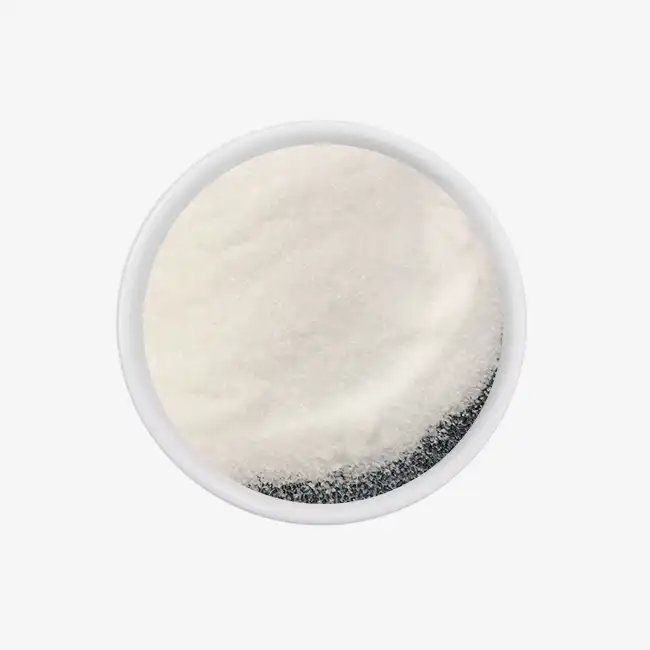
Understanding Potassium Acetate in Oilfield Drilling
Potassium acetate works because of the way its molecules are structured and how they behave in deep underground settings. Drilling experts know that this organic salt is basically different from the artificial salts that are usually used in the business.
Chemical Composition and Properties
Potassium acetate is made up of potassium cations and acetate anions that come from acetic acid. Its molecular formula is CH3COOK and its molecular weight is 98.14. This white crystalline material dissolves very easily in water, acids, and alcohols, making clear brines that are needed to keep formation damage to a minimum during well finishing. Because the substance is hygroscopic, it easily draws water from the air. Because of this, it needs to be stored carefully in dry, well-ventilated buildings that are away from heat sources. When it dissolves, it makes solutions with densities up to 1.57 specific gravity that don't contain any solid measuring agents that could block the holes in the tank.

Solid Versus Liquid Forms in Drilling Operations
A lot of the time, procurement teams think about whether solid or liquid potassium acetate is better for their needs. The solid crystalline form is much easier to ship than liquid concentrates because you don't have to ship as much water to faraway digging sites. This saves 40–50% on transportation costs. This is especially helpful for stations in the Arctic and other places where a lot of freight causes traffic jams. Solid acetate comes in either 25 kg weave bags or 1000 kg ton-bags, which makes it easy to mix on-site to the amounts you need. Liquid versions, which are usually provided at a strength of 50 to 60%, can be used right away, but they need bigger holding tanks and careful temperature control when they are used in cold weather.
Environmental and Safety Considerations
Potassium acetate brine is different from other chemicals in a business where rules are getting stricter. This recyclable substance breaks down naturally in the environment, which lowers the amounts of chemical oxygen demand (COD) and biological oxygen demand (BOD) in drilling waste streams. Regulatory bodies in the US and around the world agree that acetate-based fluids are better for the environment than chloride salts, especially in marine areas and groundwater protection zones. Safety rules are the same as normal methods for handling chemicals: workers should wear the right safety gear, avoid getting it on their skin or eyes, and make sure there is enough air flow while mixing. The material safety data sheet says that potassium acetate should be kept away from oxidising agents and dangerous substances. When removing, it should be handled carefully to keep the package from getting damaged and the product from getting contaminated.
Advantages of Using Potassium Acetate Brine Over Traditional Drilling Fluids
To compare drilling fluid additives, you have to look at how well they work in a number of different operating situations. Industry data constantly shows why acetate-based systems work better in challenging situations than other options.
Superior Corrosion Resistance
Chloride ions from potassium chloride and sodium chloride brines are known to be very active and can damage steel tubing, drill pipe links, and tools used in the ground. Corrosion rates in salt settings can cut the useful life of equipment by 30 to 60%, which raises the cost of replacement and makes downtime during tool failures longer. Solid potassium acetate completely gets rid of this chloride rusting process. Standard oilfield metals, rubber seals, and polymer parts used in mud motors and measurement-while-drilling tools are not harmed by the acetate anion. Operators of high-temperature wells say that acetate brines keep equipment in good shape even at temperatures above 150°C, when chloride attack speeds up a lot. This resistance to rust means that inspections can be done more often and upkeep costs are lower across all drilling programs.
Enhanced Shale Stability and Clay Inhibition
Wellbore instability in reactive shale rocks costs the drilling industry millions of dollars every year in the form of stuck pipes, missed circulation, and wellbore collapses that need expensive sidetracks. This problem can be solved by potassium acetate's useful cation exchange chemistry. Potassium ions move through the clay layers and replace the sodium and calcium ions that make the clay grow when it comes in contact with water-based drilling fluids. This change in ions makes the structure of the clay more solid and less likely to dissolve or get wet. Engineers who work with drilling fluids have noticed that acetate brines keep the wellbore gauge in place in problematic shale areas where chloride salts fail, which means that expensive repairs aren't needed as often. The process works especially well in rocks that are high in montmorillonite, which are common in North American shale plays, offshore possibilities in the Gulf of Mexico, and foreign basins.
Performance in High-Pressure High-Temperature Environments
When deep digging, harsh conditions downhole mean that fluids need to be able to keep their qualities even when they are under a lot of pressure and heat. Testing shows that potassium acetate brines are very stable at high temperatures. They keep their rheological properties and density control even when the temperature in the hole gets close to 200°C and the pressure goes over 20,000 psi. The substance doesn't break down at high temperatures like some organic ingredients do. This means that the fluid will behave consistently during long digging campaigns in ultra-deep gas wells and geothermal projects. Because of this, well planners can confidently make fluid plans because they know that measuring fluid features at the surface will accurately predict how well they will work downhole.
Choosing the Right Potassium Acetate Solution for Your Drilling Needs
To choose the best acetate product, you have to look at a number of linked factors that affect both the project's technical performance and its cost. When buying workers and drilling experts understand these selection factors, they can make choices that are in line with practical goals.
Evaluating Purity Standards and Certifications
Product quality has a direct effect on how well drilling fluid works and how well it follows the rules. Usually, technical-grade oilfield solid potassium acetate is 98–99% pure. This makes sure that it has the highest amount of active ingredients for controlling osmotic pressure and stopping clay formation without adding any impurities that could change the fluid's qualities or make it less compatible with the formation. Reliable producers give full reports of analysis that show the levels of purity, the amount of heavy metals, and any organic residues that could change the biodegradability or toxin profiles. Quality standards like ISO 9001 for industrial processes, ISO 14001 for environmental management, and ISO 45001 for health and safety at work make sure that the quality of each batch is uniform and that the source of the goods can be found. Drilling activities in areas that are sensitive to the environment should give priority to sellers who offer goods that meet ocean discharge standards and have been tested for ecotoxicity and shown to have little effect on marine life.
Assessing Solid Versus Liquid Cost-Effectiveness
Unit costs change depending on location and order number, but a full cost study must take into account both the total cost and the ease of doing business. It is usually cheaper to ship solid potassium acetate, especially to remote areas where shipping costs are a big part of the budget. The 40–50% lighter shipping weight compared to liquid concentrates makes it easier to ship multiple truckloads or containers, which is needed for drilling projects with more than one well. But solid materials need to be dissolved on-site with the help of workers, while liquid goods can be added straight to current mixing systems with little to no extra infrastructure. Drilling operations that have established chemical mixing facilities and enough freshwater sources can often save a lot of money by using solid acetate. Platforms with limited deck room or water may prefer liquid concentrates even though they cost more in freight.
Supplier Reliability and Technical Support
Because drilling fluid science is so complicated, it needs suppliers who can provide more than just basic chemicals for oilfield solid potassium acetate. Expert makers can help drilling engineers find the best acetate ratios for different types of shale minerals and hole pressures by giving them recipe advice that is based on the unique geological conditions. When problems with fluid performance happen during drills, technical help should be able to fix them quickly—ideally within two hours. When planning big drilling efforts, production capacity is important. Suppliers with 150,000-ton yearly capacity and flexible manufacturing lines make sure that supplies are always available, even during times of high demand. Established makers with decades of experience in the field bring useful application knowledge to the table. They can often spot possible fluid issues or operating risks that providers with less experience might miss.
Practical Guidelines for Using Potassium Acetate Brine in Drilling
To make execution work, you need to pay attention to the mixing steps, concentration controls, and handling rules that keep the quality of the product high and improve drilling performance. These operating standards are based on best practices that have been developed through a lot of use in the field.
Recommended Mixing and Application Procedures
To make potassium acetate brine, you must first accurately measure the amount of water that is needed and then mix it in stages so that it dissolves completely without creating concentration differences in any one area. Usually, the solid crystalline material is slowly added to rainwater or seawater while centrifugal pumps or motorised mixers keep the mixture moving. Potassium acetate dissolves quickly at room temperature because it is very soluble. However, heating it slowly to 30 to 40°C can speed up the process when working in cold weather. For shale suppression in water-based muds, target concentrations are usually between 10 and 30 percent by weight. Completion fluids, on the other hand, may use saturated solutions with concentrations close to 50 percent to reach their highest density. Drilling fluid engineers should keep an eye on the density, pH, and electrical conductivity of the solution while it is being mixed to make sure it is properly prepared and to find any pollution or water quality problems that might be affecting the properties of the brine.

Storage and Safety Protocol Compliance
Protecting the purity of a product from the time it is received until it is used in the field stops quality loss and safety issues. Managing moisture is very important because solid potassium acetate clumps and forms caking when it comes in contact with moisture. To keep wetness from building up, warehouses should have enough airflow to keep the relative humidity below 60%. When stored on boxes above concrete floors, 25 kg plastic weave bags or 1000 kg ton-bags with polyethylene covers work well as moisture shields. To keep holding times as short as possible, materials should be used up in the order they were received. During travel, workers must keep packages from being exposed to too much heat and make sure they stay dry and unharmed. When opening bags and mixing materials in the field, people working with the material should wear safety glasses, gloves that can withstand chemicals, and dust masks to keep from getting crystalline dust in their eyes and lungs. At mixing sites, emergency reaction tools like eyewash stations and safety showers should be easy to get to.
Troubleshooting Common Operational Challenges
Even when drilling teams follow the right steps, fluid performance problems can happen. These problems need to be systematically diagnosed and fixed. If the density drops without warning, it's usually because formation water is diluting the fluid or there isn't enough mixing in the storage tanks, letting layers form. To fix this, the acetate content needs to be raised or circulation systems need to be made better. If the viscosity rises too much, it could mean that the fluid is contaminated with cement, formation solids, or polymers that don't work well together. Testing in a lab can find these contaminants and help with the right treatment, such as adding thinning agents or fluid replacement. When wellbore instability continues after acetate treatment, drilling engineers should check to see if the concentration is right for the type of clay minerals they are finding. For example, highly reactive bentonitic shales may need acetate levels at the higher end of the suggested ranges. If rusting happens even though acetate is being used, it should be looked into whether the drilling fluid system is contaminated with chloride from ocean mixing, cement chemicals, or formation fluids that add acidic species.
Future Trends and Innovations in Potassium Acetate Use for Drilling
Drilling fluid technology is moving in the direction of better performance, longer life, and digital tracking tools that can change the qualities of the fluid in real time. Knowing about these changes in the context of solid potassium acetate helps people in the industry guess how they will affect buying strategies and working methods.
Advances in Formulation Chemistry
Acetate-based fluid formulas are still being improved in research labs and field testing programs so that they can be used in drilling conditions that are getting harder. New ideas include mixed brines that mix potassium acetate with formate salts to make them denser while keeping the temperatures low enough to prevent crystallisation and making them less likely to corrode. These mixed systems make it possible for ultra-deep wells that need heavy finishing fluids to work in more places. Scientists are also working on packaging technologies that will make solid acetate products less hygroscopic. This will make them easier to store and handle without affecting how quickly they dissolve or how well they work in fluids. Nanotechnology uses nanoparticles mixed with acetate brines to improve wellbore hardening and lost circulation prevention. This could mean that less traditional loss prevention material is needed in broken rocks.
Sustainability and Regulatory Evolution
As owners, officials, and communities push for smaller environmental impacts from oil and gas production, environmental care becomes more important in choosing drilling fluids. Potassium acetate naturally breaks down, which makes it a good choice as rules about ocean release and land garbage removal get stricter. The substance is safe for aquatic life and breaks down quickly in the environment. It meets strict criteria that are being used in sensitive environments like Arctic seas, coastal zones, and places where marine species are protected. This change is reflected in the market, where owners who want to reduce their effect on the environment are increasing demand, even when laws don't require certain fluid types. Third-party proof of environmental claims is now commonplace, and certification systems are getting stronger. As buying teams add sustainable measures to source evaluation grids, companies that spend money on lifetime studies and environmental product statements gain a competitive edge.
Supply Chain Consolidation and Market Outlook
The global acetate market is becoming more concentrated as big companies add more capacity and small companies shut down because of quality concerns and the high cost of capital. This merger helps drilling companies by making products more consistent, offering better technical support, and creating more stable supply lines that can handle high demand during drilling booms. Production capacity increases, mostly in Asia and North America, make sure there is enough to meet the growing demand in geothermal drilling and developing unusual resources. Analysts believe that demand will continue to rise due to deepwater research, longer-reach drilling in shale layers, and the switch to drilling chemicals with less effect. Instead of relying on casual product sellers who might not be reliable when there are supply problems, procurement teams should build relationships with makers who show long-term commitment through building investments, quality certifications, and technical skills.
Conclusion
Oilfield solid potassium acetate brine has become an important part of drilling fluids because it helps with rust, rock stability, and environmental issues that commonly affect other systems. The technical benefits include non-corrosive chemistry, effective clay prevention, temperature stability, and biodegradability. These provide practical benefits such as longer equipment life, less downtime, and regulatory acceptance in areas that are sensitive to the environment. To choose between solid and liquid forms, you have to look at how they will be transported, how well they can be mixed on-site, and how much they will cost overall for each drilling program. As the drilling industry moves toward tougher environmental standards and more difficult drilling environments, potassium acetate formulations keep changing to meet these new challenges while keeping the core performance qualities that have led to widespread use in drilling operations around the world.
FAQ
Why is potassium acetate brine better for the environment than pumping fluids that are based on chloride?
Biodegradability is something that potassium acetate does better than chloride forms. The acetate anion breaks down naturally through the metabolism of microbes, which lowers the need for chemical oxygen and biological oxygen in fluids that are released. Marine toxicity tests show that chloride brines have a bigger effect on aquatic life than marine toxicity tests show. Chloride brines stay in the environment and can hurt species that are sensitive to them. Regulatory agencies are becoming more aware of this difference and are allowing acetate-based fluids to be used abroad, where chloride release is limited.
How is the solid form of potassium acetate different from the liquid form for drilling in remote areas?
When compared to liquid extracts, solid crystalline potassium acetate cuts freight costs by 40–50% because it doesn't contain any water, which adds to the cost of shipping. This benefit is especially useful for remote land areas and ocean platforms that can't fit a lot of goods. When moving solid materials, they need mixing tools and fresh water on-site, so businesses have to weigh the cost of shipping against the needs of their infrastructure. The 25 kg bags and 1000 kg ton-bags make them easy to handle for different rates of use.
How much potassium acetate should drilling experts use to stop shale from forming?
Concentrations are usually between 10 and 30 percent by weight, but this depends on how the formation reacts and what the process needs. For wells that come across relatively reactive shales, inhibition levels of 10-15% are usually enough. However, for wells that come across highly reactive montmorillonite-rich rocks, inhibition levels of 20–30% may be needed to stop swelling and dispersion. To get the best acetate concentration, engineers in charge of drilling fluid should try rock samples in a lab to see if they are compatible. They should do this while keeping cost and technical performance in mind.
Partner with Zhaoyi Chemical for Premium Oilfield Solid Potassium Acetate
Since 1988, Shanxi Zhaoyi Chemical Co., Ltd. has been making high-purity acetate products. Their technical-grade oilfield solid potassium acetate meets the high standards of current well building and is used by drilling activities around the world. With a yearly production capacity of 150,000 tonnes, we can reliably serve multi-well projects. Our ISO 9001, ISO 14001, and ISO 45001 certifications ensure stable quality and environmental compliance. As a seller with a lot of experience in the oilfield solid potassium acetate, we can give you expert advice that is specific to your geographic conditions. This will help you make the best fluid mixes for better wellbore stability and equipment safety. Our shipping team dispatches normal orders around the world in five to seven business days, and our technical support team answers practical questions within two hours, 24 hours a day, seven days a week. You can email us at sxzy@sxzhaoyi.com to talk about your drilling fluid needs, ask for certificates of analysis, or get full scientific information about our top-quality acetate products that top users trust for tough drilling conditions around the world.
References
American Petroleum Institute. (2019). Recommended Practice for Field Testing Water-Based Drilling Fluids. API RP 13B-1, Fourth Edition.
Caenn, R., Darley, H. C. H., & Gray, G. R. (2017). Composition and Properties of Drilling and Completion Fluids. Seventh Edition, Gulf Professional Publishing.
Howard, S. K. (1995). Formate Brines for Drilling and Completion: State of the Art. Society of Petroleum Engineers Annual Technical Conference and Exhibition, Dallas, Texas.
van Oort, E. (2003). On the Physical and Chemical Stability of Shales. Journal of Petroleum Science and Engineering, Volume 38, Issues 3-4, Pages 213-235.
Growcock, F. B., & Patel, A. D. (2011). The Revolution in Non-Aqueous Drilling Fluids. Society of Petroleum Engineers Annual Technical Conference and Exhibition, Denver, Colorado.
National Association of Corrosion Engineers. (2018). Corrosion Control in Oilfield Operations Using Alternative Completion Brines. NACE International Technical Committee Report TG-072.

USER EVALUATE
Here is the customer's evaluation of us