



How Does Solid Potassium Acetate Prevent Ice Formation?
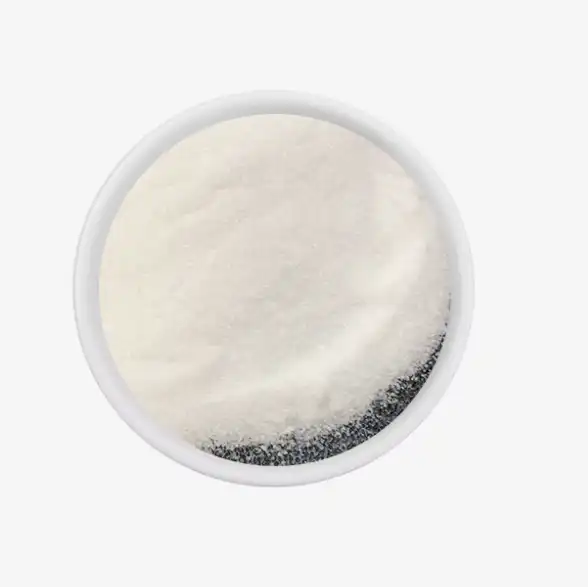
A complex chemical process called freezing point depression stops ice from forming on airport runway solid potassium acetate. When this white crystalline substance (CH3COOK) is put on runways, it quickly dissolves in water, messing up the molecular structure that lets water freeze. The acetate ions stop the hydrogen bonds between water molecules from working properly, so the water molecules can't arrange themselves into the hard crystalline matrix that makes ice. This method works at temperatures as low as -60°C, which makes it an important flight de-icing option that keeps parts of planes from rusting and meets the environmental safety standards needed by modern airports.
Understanding Solid Potassium Acetate and Its Role in Runway Deicing
Keeping airports clear of ice during the winter is very important for aviation safety. Choosing the right de-icing products means finding a balance between protecting infrastructure, making sure operations run smoothly, and being environmentally friendly.
Chemical Properties That Make Potassium Acetate Effective
Different from other de-icing chemicals, potassium acetate has special molecular properties that set it apart. This organic salt is very well soluble in water, acid, and alcohol. Its molecular formula is CH3COOK and its molecular weight is 98.14 g/mol. Because the substance is hygroscopic, it can take moisture from the air as soon as it comes in touch with runway surfaces. This starts the process of preventing ice before it forms. It turns into a solution with a pH range of 9.0 to 10.5 when dissolved. This solution is gentle on concrete and asphalt but tough on ice ties. During dissolving, an exothermic reaction happens that makes heat. This speeds up the melting process more than freezing point lowering alone would do. This two-part system works reliably at airports, even when the weather is very bad and other de-icing materials don't work as well.
How It Disrupts Ice Formation at the Molecular Level?
The science behind potassium acetate's success is that it can stop water from crystallising naturally. When it gets below freezing, water molecules usually arrange themselves into hexagonal ice crystals. Potassium acetate adds outside ions to this system, which stops the water molecules from arranging themselves in a way that is needed for solidification. Potassium cations and acetate anions circle water molecules and stop them from making hydrogen bonds, which are needed for ice crystals to form. Because of this interference, there are places where water stays liquid at temperatures well below 0°C. These are called brine pockets, and they form under existing ice layers. These areas make mechanical removal easier because they let snow ploughs and sweepers lift packed-down snow without hurting the runway surfaces. The process keeps working as long as there is enough concentration on the ground to protect it for a longer time between treatments.
Comparison with Traditional Chloride-Based Deicers
Calcium chloride and sodium chloride were used a lot in the old ways of treating runways, but they made things very hard to do. Chloride-based salts speed up rust in aluminium, magnesium, and cadmium parts of aeroplanes, which costs a lot to fix and shortens the life of the equipment. These things also break down asphalt and concrete and cause electricity shorts in lighting systems for runways. Environmental worries make it even harder to use chloride because waste pollutes groundwater and hurts plants near airports. Potassium acetate gets around these problems because it is not acidic. Corrosion rates on carbon steel are less than 0.03g/m³·h, which meets the strict SAE AMS 1431E guidelines for aircraft uses. Because acetate molecules are recyclable, they break down naturally without giving off ammonia or other dangerous chemicals. When airports switch from chloride-based systems to potassium acetate systems, they report lower upkeep costs for both aeroplanes and ground support equipment. They also report better compliance with environmental rules that are becoming stricter for runway operations.
Application Methods and Best Practices for Using Solid Potassium Acetate on Airport Runways
To make solid potassium acetate de-icing systems work, people need to know the right way to use them and how they should be run.
Recommended Dosing Rates and Timing Strategies
Application rates vary on a number of factors, such as the temperature, the amount of rain, and the thickness of the ice that is already there. For standard pre-treatment treatments, 50 to 100 grams per square metre are usually enough to create a protected layer before the snow starts to fall. Rates rise to 100–200 grams per square metre when snow is falling, based on how fast it is falling. For the best performance, airports that are located in very cold places (below -20°C) may need to increase their dose by up to 250 grams per square metre. Timing is also very important for success. Anti-icing solutions work best when they are put down one to two hours before it starts to rain. This gives the material time to stick to the ground and form a barrier that keeps snow from sticking. Curative de-icing has to be done right away during busy weather events, before the ice thickness hits 3 to 6 mm, which is the best range for penetrating and sinking. Having weather tracking systems that are connected to application tools helps operations teams move faster, which lowers the total amount of material used and keeps the friction coefficients the same on all airport surfaces.
Step-by-Step Application Process and Equipment Requirements
These days, airports use special spreading tools that are designed to work with granular potassium acetate. High-capacity trucks with computer-controlled distribution systems make sure that runways wider than 45 meters are evenly covered. The application process starts with using friction testers to check the surface before the flight to set the standard conditions. Then, operators use weather data to program spreaders and choose the best methods for spreading materials and amounts to use. When applying, cars keep their speeds between 25 and 40 kilometres per hour, which lets the granules spread out evenly without being blown around by the wind. Quality potassium acetate goods have the right amount of particles at the right size, which stops bounce and keeps granules on target even when there is a jet blast. This stability is helped by bulk density requirements of 0.8 to 0.9 g/cm³. Once the first treatment is done, maintenance teams check the surface every 30 minutes and add material as needed based on friction readings. At temperatures around -20°C, de-icing usually takes 30 minutes, but very cold weather can make this take longer. Once the ice bond breaks, ground workers use motorised sweepers to get rid of the slush buildup. This makes key places for aeroplane moving fully effective again.
Storage and Handling Guidelines for Operational Safety
Proper keeping keeps products in good shape and makes sure they work the same way all winter long. Because potassium acetate absorbs water, it is important to keep the warehouse dry. Facilities must stay dry, have good ventilation, and be protected from direct heat sources and water getting in. The material comes in 25 kg knitted plastic bags or 1000 kg ton-bags that are specially made to keep wetness out. Temperatures should stay between 15°C and 25°C in storage places so that extreme changes don't happen that could damage the packing. When kept properly in cases that can't be opened, the shelf life is up to two years without going bad. Personal protective equipment like chemical-resistant gloves, safety glasses, and dust masks must be worn by people who are touching people so that chemicals don't get on their skin or into their lungs during transfer activities. As soon as a spill happens, absorbent materials are used to contain it. The spill is then collected so it can be thrown away properly instead of running into sewer systems. To keep loading tools from getting chemicals that don't work well together, it should only be used for potassium acetate. When moving materials from storage to application places, they need to be handled carefully so that the packages don't get damaged and let moisture in. These steps keep the product working well and keep workers safe all along the supply chain.
Procurement Considerations for Solid Potassium Acetate in Airport Applications
To strategically source airport runway solid potassium acetate aviation-grade de-icing products, you need to carefully evaluate suppliers and check their quality.
Supplier Certifications and Quality Standards
For aviation uses, products need to be very pure and consistent. Suppliers with a good reputation keep certificates that show they are committed to quality control and following the rules. ISO 9001 approval makes sure that complete quality management systems are in place to oversee production methods, paperwork, and efforts to make things better all the time. ISO 14001 approval proves that environmental management techniques that reduce the effects of industry are being used. The ISO 45001 certification covers health and safety at work, making sure that workers are safe during all stages of production. Certifications that are specific to a product are also very important. For airport de-icing uses, it is still necessary to follow SAE AMS 1431E standards. These standards make sure that the makeup, cleanliness levels, and performance qualities of the material meet the needs of the flight industry. KOSHER and HALAL certificates make it easier to sell goods around the world and show that you understand the needs of different markets. With every package, suppliers should include records of analysis that show the real test results for important factors like potassium acetate content (≥99.0%), water solid matter content (≤0.05%), chloride content (≤0.2%), and iron content (≤0.05%). Third-party testing by an independent lab backs up what the maker says and keeps buyers safe from low-quality materials. When it's possible, procurement teams should visit the production sites of potential providers and look at how they handle quality control, calibrate testing equipment, and get the raw materials they need. These are the things that determine the trustworthiness of the finished product.
Minimum Order Quantities and Delivery Timelines
When buying chemicals in bulk, you have to balance the number of chemicals you need with the amount of space you have and your budget. Aviation-grade potassium acetate usually comes in minimum order amounts that range from a single box (about 1000 kg) for one-time sales to full container loads (20–25 metric tonnes) for long-term contracts. Larger airports that use a lot of fuel may be able to negotiate truckload or train deliveries of up to 100–150 metric tonnes each. The time it takes to make something depends on how much the provider can do and the time of year. Well-known makers keep extra stock on hand so that orders can be filled quickly. Usually, normal orders are shipped within 5 to 7 business days. Custom formulas or higher purity standards may make delivery times two to three weeks longer. From October to March, demand is at its highest, which puts pressure on supply, so it's best to make deals ahead of time. Long-term supply deals keep prices stable and make sure that supplies are distributed evenly during times of high demand. When you ship something internationally, you have to deal with more paperwork, customs clearing, and longer delivery times. Ocean freight from Asian makers usually takes 4 to 6 weeks to get to North American destinations, while freight from Europe takes only 2 to 3 weeks. There are choices for air freight for emergency supplies, but they are too expensive to use for regular supplies. Strategic buying teams build relationships with multiple suppliers and keep the right amount of safety stock on hand to make sure that supplies will always be available during the winter working seasons.
Evaluating Global Manufacturers and Trusted Brands
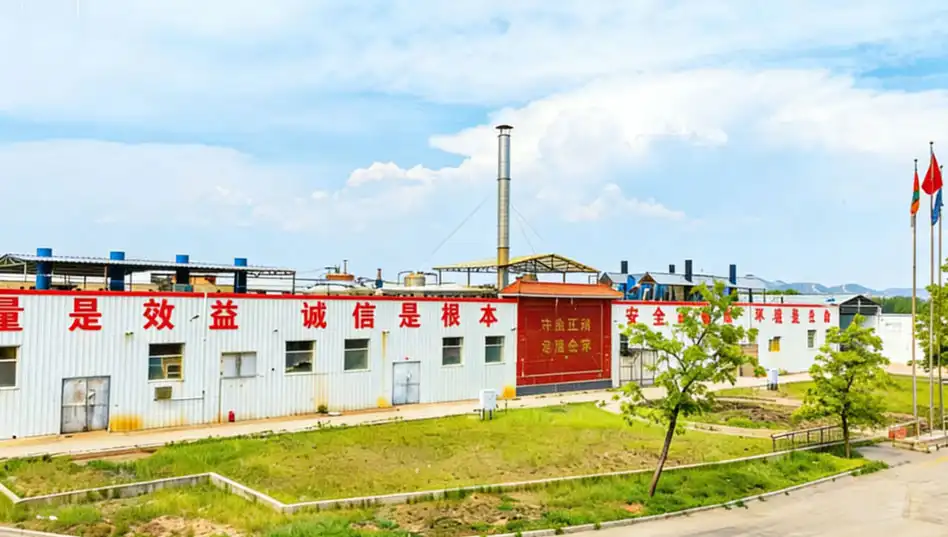
Manufacturers from Asia, Europe, and North America all compete in the worldwide potassium acetate market, and each has its own benefits. Chinese companies make most of the world's goods because they use combined chemistry systems and low production costs. Shanxi Zhaoyi Chemical Co., Ltd. is an example of this type of company. It has been in business since 1988 and can make up to 150,000 tonnes of acetate goods every year. Their aviation-grade potassium acetate meets SAE AMS 1431E standards and is still priced competitively for buying in bulk. European makers stress following the rules and being close to big airline markets. They offer faster lead times and already have relationships with continental airports. North American makers serve local markets by being able to respond quickly and making operations easier. Production capacity, quality standards, expert help skills, and financial security should all be taken into account when judging. Customers can get the most out of application programs and fix operating problems with the help of suppliers who give full expert support. Referrals from past customers are a great way to find out about a business's dependability, stability, and speed. Suppliers who are committed to long-term relationships are open and honest about where they get their raw materials, how they make their products, and how they check the quality of their work. Instead of relying on a single source, the best buying strategies often use groups of qualified suppliers. This ensures a steady supply while keeping the competition high, which leads to ongoing growth and good business terms.
Maximizing Effectiveness and Safety: Usage Guidelines and Regulatory Compliance
For operational success with solid potassium acetate, professional understanding, awareness of regulations, and safety concern must all work together.
Adapting Application Rates to Climate Conditions
Different places have different winter weather trends, so flexible application methods are needed. In mild areas where freezing temperatures happen sometimes, airports may use safe plans with smaller starting doses and responsive increases during busy weather. Facilities in areas with harsh winters need strong preparation and continuous spraying for long winters. Coastal airports have to deal with high humidity and heavy rain, so they have to reapply often to keep the effective surface amounts. Continental sites are dry and very cold, which cuts down on material use but tests the limits of what can be done at low temperatures. Conditions of wind have a big effect on how well an application works. Granular materials are spread out by high winds, which makes covering less effective and calls for changing dosing rates or pre-wetting techniques that make things stick better. The type of precipitation affects strategy choices. For example, dry snow needs a different approach than cold rain or sleet. Operational teams build institutional knowledge by connecting weather forecasts with past performance data. This lets them make predictive choices about applications that make the best use of materials. Modern airports combine weather tracking systems with automatic spreading equipment. These systems change the settings of the application in real time based on temperature, the rate of precipitation, and the state of the ground. This method is based on data and makes the most of cost-effectiveness while keeping the constant safety limits that are necessary for flight operations.
Storage Best Practices and Handling Safety Protocols
Keeping the purity of a product from shipping to use saves both the investment and the performance. Climate-controlled settings should be provided in warehouses to protect against high temperatures and water getting in. If you have concrete floors that drain properly, water won't build up and damage your packages. Enough air flow gets rid of any dust that is made when moving things around. Storage areas need to keep acids, oxidisers, and volatile metals and other materials that don't work well together away from each other. Clear labels and organised inventory management with first-in, first-out rotation keep things from being stored for too long, which could cause them to go bad before their expiration date. Employee training programs teach the right way to handle things, what safety gear is needed, and what to do in an emergency. Workers should know that even though potassium acetate is not very dangerous, breathing in its dust is dangerous and should be cleaned off right away. Material safety data sheets must always be easy to find in all places where they are stored or used. At key spots, spill reaction gear like absorbents, control walls, and gathering tools should be set up. Environmental security methods keep waste from getting into city drains or rivers by mistake. Inspections of the building on a regular basis find problems before they become dangerous or affect the quality of the products. These proactive steps show that the company is dedicated to business success and environmental responsibility.
Regulatory Compliance and Environmental Standards
Several government groups that are in charge of protecting the environment and making sure operations are safe keep a close eye on aviation operations. The Environmental Protection Agency sets guidelines for water quality that limit the amount of de-icing products that can be released into the water. Airports need to keep an eye on rainwater flow and put in place filtration systems to keep incoming waters from getting dirty. Potassium acetate is easier to follow than options that are permanent or high in metabolic oxygen demand because it breaks down naturally. The Federal Aviation Administration is in charge of airport operations and requires paperwork and friction testing to show that runway conditions are safe enough for planes to fly. Choosing and using the right de-icing materials has a direct effect on following the rules in this area. Local and state environmental agencies may add more rules that take into account how sensitive the area's nature is. Facilities that are close to protected marshes, drinking water sources, or sensitive areas are closely watched, and materials that have little to no effect on the environment are required. International airports that serve foreign airlines have to meet the requirements of flight officials from several countries, with each country possibly having its own set of rules. Regulatory reporting requirements are met by thorough paperwork systems that keep track of material purchases, application amounts, weather conditions, and performance outcomes. Environmental management programs that are proactive and show a commitment to sustainability improve relationships in the community and make it easier to renew permits. Companies that choose potassium acetate are in a good situation in this complicated regulatory world. They can meet their business goals and their environmental obligations at the same time.
Conclusion
For winter airport care, working safety, infrastructure defence, and environmental duty all need to be balanced. Airport runway solid potassium acetate is very good at stopping ice from forming because it lowers the freezing point to -60°C. Its non-corrosive formula also saves aeroplane parts and ground surfaces. Biodegradability of the chemical handles rising environmental worries that limit chloride-based deicers. Total cost of ownership research shows that there are economic benefits through lower upkeep costs and longer infrastructure service life, even if the original purchase costs are higher than other options. To adopt something successfully, you need to know the right way to use it, how to choose a source strategically, and how to meet legal standards. When aviation facilities buy quality potassium acetate programs from qualified makers, they set themselves up for peak performance during the tough winter months.
FAQ
Why is potassium acetate safer than deicers that use urea?
Urea is bad for the environment because it breaks down into harmful ammonia and only works at -7°C. Potassium acetate fixes this problem. Acetate molecules break down naturally without making any dangerous leftovers. They also stay useful up to -60°C, which protects environments and keeps operations running during very cold weather.
Can solid potassium acetate hurt the lights or ground on a runway?
Concrete, asphalt, and light posts are protected from rust by products that meet SAE AMS 1431E requirements. Unlike chloride salts, which cause cracks and electricity problems, properly mixed potassium acetate keeps infrastructure in good shape even after years of repeated use.
How does storing something change how well it works?
Because potassium acetate is hygroscopic, it needs to be stored dry and in packaging that keeps out moisture. When kept in the right way, in sealed cases away from heat and moisture, material stays fully functional for two years. This means that it will work reliably throughout its shelf life.
Partner With a Trusted Airport Runway Solid Potassium Acetate Manufacturer
Zhaoyi Chemical has been making acetate for more than 35 years and can help with deicing in aeroplanes. Our airport runway solid potassium acetate is ≥99.0% pure and meets SAE AMS 1431E standards. It works the same way at temperatures as low as -60°C. Our ISO 9001, ISO 14001, and ISO 45001 certifications show that we care about quality, safety, and protecting the environment during production. We keep our production at 150,000 tonnes per year, and we can meet all of your order fulfilment needs, from sample runs to long-term supply deals. Technical help teams answer questions about applications and purchases within two hours. You can email our experts at sxzy@sxzhaoyi.com to talk about your specific needs, ask for samples of our products, or look into creating recipes that are specifically made for your working setting. Zhaoyi Chemical provides the steady supply and expert support that your airport operations need, whether you're switching from traditional deicers or making the most of current programs.
References
Society of Automotive Engineers. "SAE AMS 1431E: Compound, Solid Runway and Taxiway Deicing/Anti-Icing." SAE International Aerospace Standards, 2018.
Transportation Research Board. "Airport Winter Safety and Operations." National Academy of Sciences Special Report 312, 2016.
Federal Aviation Administration. "Advisory Circular 150/5200-30D: Airport Winter Safety and Operations." U.S. Department of Transportation, 2019.
Environmental Protection Agency. "Airports and Deicing: Environmental Impacts and Mitigation Strategies." EPA Publication 832-R-12-001, 2012.
International Civil Aviation Organization. "Airport Services Manual Part 2: Pavement Surface Conditions." ICAO Doc 9137-AN/898, 2020.
American Society for Testing and Materials. "ASTM D7012: Standard Test Methods for Freezing Point Depression of Aqueous Solutions." ASTM International Standards, 2017.

USER EVALUATE
Here is the customer's evaluation of us