



USP Standards for Pharmaceutical Potassium Acetate
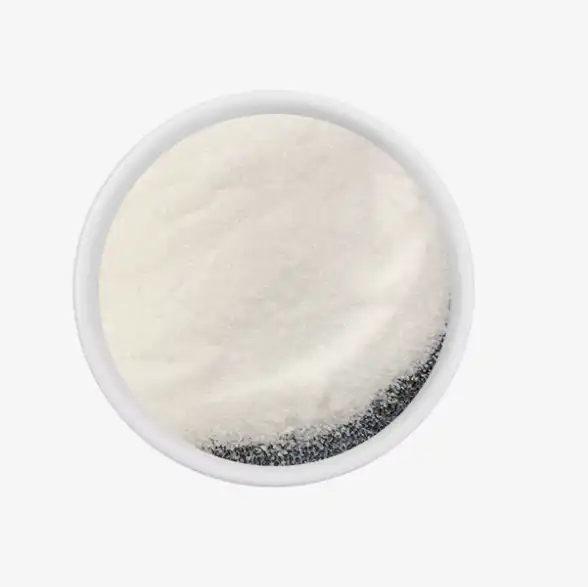
To make a good drug, it is very important to know about regulatory compliance when looking for pharmacy excipients. Pharmaceutical solid potassium acetate (CH3COOK, CAS 127-08-2) is a crucial material that satisfies the stringent quality standards set by the US Pharmacopoeia (USP). This white, crystalline substance dissolves easily in water and can be used in a number of medicinal processes. It is used as an alkaliser, an electrolyte replenisher, and a buffering agent in a wide range of formulas, from liquid solutions to haemodialysis concentrates. When buying materials that are USP-compliant, procurement workers have to deal with a lot of complicated rules. These rules include purity levels, impurity limits, and chemical testing methods that tell the difference between pharmaceutical-grade and technical-grade goods.
Understanding USP Standards for Pharmaceutical Potassium Acetate
The United States Pharmacopoeia is the most reliable source for information on the specs of medicinal ingredients in North America and many other countries. The USP guidelines for potassium acetate spell out exact quality standards that makers must meet to protect patients and make sure the medicine works as prescribed. These guidelines are the result of decades of science agreement on what materials can be used in pharmaceuticals.
Core Chemical and Physical Specifications
According to USP guidelines, pharmaceutical solid potassium acetate must be at least 99.0% pure when it is dried. The manual says how much of common flaws are allowed to be present without affecting the security of the drug or the safety of the patient. Heavy metals must not be more than 0.0005%, and chloride must not be more than 0.01%. These strict limits keep pollution from manufacturing methods and sources of raw materials from happening. The test requirement makes sure that the substance always has the same amount of potassium for correct dosing estimates in intravenous nutrition and electrolyte replacement treatments.
The amount of moisture is a very important part of USP guidelines because too much water can cause medication products to break down. The standard usually limits the amount of water to below certain levels that are found using Karl Fischer titration. The USP also looks at the material's shape, stability, particle size distribution, and how it dissolves. This makes sure that the material works the same way every time it is mixed and given.
Mandated Analytical Testing Protocols
To meet USP standards, chemicals must pass multiple recognition tests to be sure of their identities. Flame tests, infrared spectroscopy, and wet chemical reactions all show that both potassium and acetate ions are present. These orthogonal testing methods stop mistakes in selection that could happen with single-method techniques. When organic chemicals are used in manufacturing, the pharmacopoeia also requires testing for leftover solvents. This keeps patients safe from dangerous contact.
In addition to standard wet chemistry methods, more advanced instrumental tools are used. ICP-MS, or Inductively Coupled Plasma Mass Spectrometry, can find rare metals with a level of sensitivity of parts per billion, which is much higher than older colorimetric methods. This level of scientific rigour answers worries about aluminium pollution, which is especially important in haemodialysis settings where aluminium buildup can lead to serious brain problems.
Storage and Handling Requirements Under USP
Pharmaceutical-grade quality is kept up throughout the supply chain by using the right keeping methods. Potassium acetate is hygroscopic, which means it easily soaks up water from the air, which can cause it to clump together and possibly cause chemical changes. According to USP standards, things should be stored in cases that are tightly sealed and kept in controlled settings where the temperature and relative humidity stay below 25°C and below 40%. The materials used for packaging have to keep wetness out. Usually, polyethylene-lined drums or special plastic weave bags do this.
Transportation rules stress keeping people safe from heat and moisture. Damage to a box during handling can make it less secure, letting dirt or water in. The chemical needs to be kept away from things that don't work well with it, like strong oxidising agents and acids that could cause dangerous reactions. These storage needs directly affect how much to buy, what kinds of packing to use, how big a building can be, and how to plan operations.
Key Characteristics and Benefits of Pharmaceutical Solid Potassium Acetate
Potassium cations pair with acetate anions in the simple ionic structure of solid potassium acetate, shown by the chemical formula CH₃COOK. Even though the compound's structure is simple, it has complex functions in pharmaceutical uses. The material has a molecular weight of 98.14 g/mol and is 39.8% potassium by mass. This makes it a good source of this important mineral without adding chloride ions, which should be avoided in some clinical cases.
Pharmaceutical Functionality and Advantages
In terms of handling, the solid crystalline form is much better than liquid versions. When kept properly, crystalline potassium acetate stays stable for a long time, without the risks of breaking down that come with watery solutions. This steadiness means that the food will last longer and there will be less waste from old food. For accurate doses in small-scale mixing processes, solid materials can be precisely weighed. Liquids, on the other hand, may need volumetric measures that are affected by changes in density caused by temperature.
Another important feature of pharmaceuticals is their buffering ability. When acids or bases are added, potassium acetate liquids don't change pH, so the mixture stays stable. In protein-based biologics and antibiotic solutions, where changes in pH can break down active ingredients, this property is very useful. In penicillin formulations, the buffering action stops pH-related breakdown that would make the antibiotic less effective.
The compound's molecular profile makes it different from other sources of potassium. When given, the acetate anion is broken down by the liver into bicarbonate. This has an alkalising effect that is good for healing metabolic acidity. On the other hand, potassium chloride can make hyperchloremic situations worse. When a patient needs both potassium supplementation and alkalinisation treatment, doctors usually choose potassium acetate.
Comparison with Alternative Potassium Salts
Because it is cheaper and has a simple chemical structure, potassium chloride is still the most common potassium supplement. But giving too much chloride can throw off the acid-base balance, especially in people who are very sick. Potassium citrate has alkalinising properties like acetate, but it reacts more strongly to heat during sterilisation processes, which means it can't be used in autoclaved products.
Because potassium phosphate contains both potassium and phosphorus, it is useful in formulas for total intravenous feeding. Still, the chances of phosphate precipitation going up go up when calcium-containing solutions are added, so it's important to be very careful when designing the mixture. Potassium acetate doesn't have this problem with precipitation and still has alkalinising effects, making it a good choice for complicated formulas with many parts.
Quality Control Measures Ensuring Pharmaceutical-Grade Purity
At advanced production sites, batch testing methods go above and beyond what is required by USP. Before being released, each production lot goes through a thorough analysis that results in Certificates of Analysis (CoA) that show it meets all the requirements. These documents make it possible to track things, which is important for quality reviews and government checks. The steps used in analytical methods have been proven to be accurate, precise, and unique for each measure being checked.
Current Good Manufacturing Practices (cGMP) require factories to have environmental tracking programs that find signs of pollution before they hurt the quality of the products they make. Cleanroom classifications, training guidelines for staff, and repair plans for tools all work together to make sure that the same amount of work is always done. Third-party certificates like ISO 9001, KOSHER, and HALAL show a dedication to quality control that goes beyond just following the rules.
Comparative Analysis: Solid Potassium Acetate vs Other Options
When making choices about purchases, you need to look at more than just the cost per kilogram. It relies on the application needs, the ability to handle, and the total cost of ownership to decide between solid and liquid forms, medicinal and scientific grades, and different potassium salts.
Solid Versus Liquid Formulations
Liquid potassium acetate solutions can be used right away, so there are no steps in the making process for dissolving them. Shipping liquids, on the other hand, costs more because water weighs more. When compared to concentrated solid forms, storage takes up more building room. If stabilisers aren't added, the risk of microbial contamination rises with liquid recipes, which could introduce unwanted ingredients into finished goods.
Solid medicinal potassium acetate packs more value into smaller amounts, which lowers the cost of shipping and the space needed in warehouses. The material doesn't need to be refrigerated, which makes managing the cold chain easier. Even though it starts out rigid, it dissolves quickly in water, so processing time differences are kept to a minimum. For large-scale industrial processes, these functional benefits often outweigh the ease of use of ready-to-use products.
Economic Considerations Beyond Unit Price
When doing a total cost study for pharmaceutical solid potassium acetate, you need to look at more than just the prices given. Product purity has a direct effect on output estimates; for example, high-purity materials cost more, but they need less of them to reach their goal amounts, which makes up for the higher price. The amount of space needed for storage affects the cost of the building. For example, hygroscopic materials need settings with controlled humidity, which raises running costs.
Costs of following the rules play a big role in economic research. When pharmaceutical-grade materials are supported by detailed paperwork, it is easier to prove their safety during regulatory applications. Technical-grade options may seem cheaper at first, but they need a lot more research to show they are safe for use in pharmaceuticals, which often costs more than the price difference. Supply stability affects production schedules; dependable providers stop costly delays in production and high-priced rush orders.
Interpreting Analytical Certificates for Procurement Decisions
Certificates of Analysis give you important, high-quality data, but you need to know how to analyse it and what the limits of the analysis methods are. Assay numbers show how much of an active ingredient there is, and the results are usually given as a percentage. When values are close to the upper standard limit, it means that factory control is good, but when values are close to the lower limits, it could mean that there are problems with process variability.
Impurity maps show the quality of the production process and possible sources of contamination. Heavy metals that come from raw materials or handling tools must stay below the limits set by the pharmaceutical industry. The amount of chlorine in the raw material shows how pure it is and how well it washes during production. Residual solvents show the choices made during the making process and how well the product was cleaned. Instead of depending on a single certificate that might not show normal production, procurement pros should ask for multiple batch COAs to check for consistency.
Including links to testing methods makes analysis techniques clear. Standardisation and legal support are ensured by methods that are linked to the USP. For in-house methods to be equivalent to government processes, they need to be backed up by proof paperwork. The testing lab's accreditation status affects the reliability of the results; ISO 17025 approval proves technical skill and good quality management.
Procuring Pharmaceutical Solid Potassium Acetate: Best Practices
A good buying strategy strikes a mix between making sure quality, making sure supplies are safe, keeping costs low, and following the rules. Pharmaceutical supply lines need dependability that keeps manufacturing from stopping and maintains strict quality standards that keep patients safe.
Supplier Verification and Qualification
Reliable providers show they know how to make pharmaceuticals by showing proof of their facilities' certifications and records of regulatory inspections. Current Good Manufacturing Practice approval shows that the company is following the rules set by the FDA or a similar regulatory body. Getting ISO 9001 approval shows that you can handle quality in a structured way. Certifications like KOSHER and HALAL show that you pay attention to the needs of specific markets and production controls.
Professional sellers can be told apart from false sources by how clear the documentation is. For pharmacopeial compliance, well-known makers offer Drug Master Files (DMFs) or Certificate of Suitability (CEPs), which makes regulatory applications easier. They are happy to let customers do surveys, which lets them see the building for themselves. Describes the manufacturing process and lists of impurities show technical understanding and quality control skills.
Supply chain tracking is becoming more and more important when buying drugs. Suppliers should keep track of where their raw materials come from and keep batch genealogy records that connect finished goods to their starting materials. This makes it possible to quickly fix problems with quality and helps with government investigations. Companies with well-established quality systems keep these records regularly instead of just making them when asked.
Volume Planning and Ordering Dynamics
Minimum order numbers (MOQs) show how efficiently a product is made and how a provider runs their business. Because they have to be made in a certain way and come with a lot of paperwork, pharmaceutical-grade products usually have higher MOQs than technical grades. In order to avoid having too much product that wastes money and breaks down over time, buyers should make sure that the amount they order matches the amount of space they have and the rate at which they use it.
Choices of packaging affect both operations and quality control. Standard 25 kg plastic weave bags are good for users with middling volumes and offer easy carrying weights. Large customers may like 1000 kg ton-bags because they save money on packing and transport. Specialised moisture-barrier packing costs a lot, but it keeps food fresh longer in tough storing conditions, which could make the cost worth it by cutting down on waste.
Lead times for pharmaceutical-grade solid potassium acetate are usually longer than those for technical-grade goods that are the same. Planning production around the need for batch testing before release adds days to the time it takes to complete orders. Shanxi Zhaoyi Chemical has a large manufacturing capacity and production wait times of 5 to 7 working days. This means that they can provide better service than smaller companies that use campaign-based production plans.
Risk Mitigation in Global Procurement
In the pharmacy supply chain, fake and low-quality products are very dangerous. Strategies for authentication include checking that suppliers are registered as a business, getting references from current customers, and looking over independent audit reports. Material Safety Data Sheets (MSDS) list hazards and explain how to handle them. Documents that were properly made show that the provider is qualified.
Quality agreements make it official what buyers and sellers are expected to do. They spell out testing requirements, acceptance criteria, and how to let each other know about results that don't meet standards. These contracts set up legal systems that support programs for quality assurance and following the rules. Change notice processes make sure that buyers are aware of any changes that may affect the performance of a material before they happen.
Single-source dependence can cause problems with supply, but dual-sourcing methods protect against these problems. To qualify alternative providers, you have to spend money on evaluation and confirmation tasks, but it protects against production interruptions. Geographic diversity lowers the chance of problems in the area caused by things like natural disasters, unstable governments, or trade limits.

Ensuring Compliance and Quality in Manufacturing with USP Pharmaceutical Potassium Acetate
Using pharmaceutical-grade excipients in manufacturing requires organised methods to make sure stable product quality and following all the rules. Frameworks for achieving these goals are made up of process evaluation, writing techniques, and plans for ongoing growth.
Process Validation and Batch Testing Integration
Pharmaceutical companies have to make sure that their production methods consistently make good products. Choosing the right excipients is an important part of validation; differences in materials can make process parameters set during development useless. Using USP-grade potassium acetate from reputable sources makes confirmation easier by making sure that the qualities of the input materials are always the same.
Before materials go into production, they are tested to make sure that the supplier's COA is correct and to find any quality problems. Using risk-based methods to figure out the right level of testing, where important quality traits get full verification and less important parameters get frequent skip-lot testing. Trend analysis of new test results finds changes in provider performance that need to be looked into before they cause quality problems.
In-process controls for pharmaceutical solid potassium acetate keep an eye on important quality factors while the product is being made. This lets the process be changed in real time, which stops batch fails. Potassium acetate's ability to buffer changes the pH level in liquid mixtures; tracking the pH level during the process makes sure that all factors stay within the acceptable range. Dissolution testing makes sure that all the particles have been dissolved, which keeps injected goods from getting contaminated.
Documentation and Traceability Requirements
All factory activities are recorded in batch records, which create full production accounts that help with quality reviews and regulatory checks. Material tracking connects final goods to specific lots of raw materials, which lets specific returns happen if quality problems show up. Electronic batch record systems simplify paperwork and make sure that procedures are followed by controlling the work flow.
Deviation management systems keep track of unplanned events that happen during production and make sure that appropriate actions are taken. Deviations involving excipients could mean that the provider is having quality problems that need to be talked about and fixed. By looking at trends over a number of differences, structural problems that can't be seen from single events may become clear.
Regulatory submission dossiers need a lot of information about the excipients, like specs, test methods, safety data, and information about the provider. Complete source paperwork packages make it easier to prepare submissions and lower the number of questions regulators ask. Regulatory variation reports are needed when excipient sources or standards change, so seller uniformity is important to avoid regulatory costs.
Continuous Quality Improvement and Future Trends
Quality measures that keep track of how well suppliers do their jobs help with ongoing buying choices and managing suppliers. Rates of on-time delivery, quality acceptance, and answering questions are all ways to measure a supplier's abilities. Reviewing suppliers on a regular basis makes it easier to handle relationships and talk about how to improve performance.
New analysis tools claim to make quality assurance better. Near-infrared spectroscopy makes it possible to quickly confirm identify and measure amounts without destroying samples. Traditional batch processing is being replaced by continuous manufacturing methods, which need very consistent excipients to keep the process under control during long production runs.
Regulatory changes are still affecting the standards for making pharmaceuticals. Risk-based methods and advanced analysis techniques are built into the standards for monographs as part of USP modernisation projects. By knowing about future changes ahead of time, you can adapt to them before they happen, instead of letting compliance efforts mess up your normal operations.
Conclusion
The USP standards for pharmaceutical solid potassium acetate set high quality standards that protect patients' safety and allow for a wide range of pharmaceutical uses. By understanding these requirements, comparing different materials, and using strong purchasing methods, producers can make sure they get materials that meet legal requirements and help their business succeed. The molecule is essential for making injectable electrolyte solutions and antibiotic stabilisers because of its unique buffering qualities, metabolic profile, and ability to work with a wide range of medicinal processes. Quality control, cost management, and supply stability must all be balanced for buying to work well. This can be done by carefully choosing suppliers and managing relationships in a smart way.
FAQ
What makes potassium acetate for medicinal use different from potassium acetate for scientific use?
Pharmaceutical-grade materials are made under cGMP guidelines, which strictly control impurities like heavy metals, chlorides, and leftover solvents. Technical-grade goods aren't as strict and have higher amounts of impurities that make them unsafe for humans to use. The pharmaceutical version comes with a lot of paperwork to back up regulatory filings, such as stable data and pharmacopeial compliance certificates.
How should potassium acetate for medicinal use be kept to keep its quality?
Warehouses need to be dry, well-ventilated, and keep temperatures below 25°C and relative humidity below 40%. Containers need to close tightly so that wetness doesn't get inside and cause caking. Strong oxidisers, acids, and other substances that don't work with the material should be kept away from it. Keeping things in the right way will keep their worth for longer than the usual two years.
Can potassium acetate be used instead of potassium chloride in all drug applications?
Both are good sources of potassium, but they are used for different medical reasons. When alkalinisation is needed or chloride dosing needs to be restricted, like when treating metabolic acidosis caused by too much chloride, potassium acetate is the best choice. Potassium chloride can still be used to replace potassium without having to think about acid-base issues. Formulation fit and treatment goals help choose between these options.
Partner with Zhaoyi Chemical for Pharmaceutical-Grade Potassium Acetate Excellence
Zhaoyi Chemical has been making specialised acetate for over 30 years and is known as a reliable pharmaceutical solid potassium acetate producer. Our yearly capacity of 150,000 tonnes guarantees a steady supply of bulk materials that will keep your production plans running smoothly. Our strict quality systems make sure that the products we sell are ≥99.0% pure and have heavy metal levels below 0.0005%. These products meet the standards set by USP, EP, BP, and JP. Each batch goes through full ICP-MS testing and comes with all the paperwork that goes with it, like COAs, MSDS, and regulation support papers. Our ISO 9001, KOSHER, and HALAL certifications show that we are dedicated to quality control and meeting the needs of a wide range of markets. You can email our expert team at sxzy@sxzhaoyi.com to get information about our products, to ask for samples, or to get a special quote. Visit zhaoyichemical.com to see our full range of acetates and learn how our services as a pharmaceutical solid potassium acetate provider can help you with formulating new drugs and making them for sale.
References
United States Pharmacopeial Convention. "Potassium Acetate Monograph." United States Pharmacopeia-National Formulary (USP-NF). Rockville, MD: United States Pharmacopeial Convention, 2023.
Trissel, Lawrence A. "Handbook on Injectable Drugs, 18th Edition." Bethesda, MD: American Society of Health-System Pharmacists, 2020.
Berge, Stephen M., et al. "Pharmaceutical Salts." Journal of Pharmaceutical Sciences, Vol. 66, No. 1, 1977, pp. 1-19.
Rowe, Raymond C., Paul J. Sheskey, and Marian E. Quinn. "Handbook of Pharmaceutical Excipients, 7th Edition." London: Pharmaceutical Press, 2012.
World Health Organization. "WHO Guidelines on Good Manufacturing Practices for Pharmaceutical Products: Main Principles." WHO Technical Report Series, No. 986, Geneva: World Health Organization, 2014.
Nair, Lakshmi S., and Cato T. Laurencin. "Biodegradable Polymers as Biomaterials." Progress in Polymer Science, Vol. 32, No. 8-9, 2007, pp. 762-798.

USER EVALUATE
Here is the customer's evaluation of us