



Benefits of Potassium Acetate in Oil and Gas Operations
When drilling operations have to deal with unstable shale rocks, equipment rust, and strict environmental rules all at the same time, oilfield solid potassium acetate is the only thing that can be used to solve all three problems. This very pure white crystalline substance (CH3COOK) contains potassium ions that help break down clay without the harmful chloride anions that are found in regular salts. This makes it the best drilling fluid ingredient for water-based muds and finishing fluids in North American oilfields. Because it breaks down naturally, it lowers the need for chemical oxygen in waste streams while keeping the wellbore stable in the toughest downhole circumstances.
Understanding Potassium Acetate and Its Role in Oilfield Operations
A lot of buying teams don't realise how important the science is behind good drilling fluids. Knowing what makes potassium acetate perfect for oil and gas uses helps you make smart choices that have a direct effect on operational success and environmental compliance.
Chemical Composition and Physical Properties
The chemical formula for potassium acetate is 127-08-2. It is made up of potassium cations and acetate anions that are bound together in a solid structure. Its molecular weight is 98.14. This white crystalline substance dissolves very easily in water, turning into clear brines very quickly without leaving behind any leftovers that could damage downhole formations. Because the chemical is hygroscopic, it takes in water from the air. This means it needs to be stored carefully and dissolves quickly when it's time to use it. The acetate part breaks down naturally in the environment, unlike chloride-based options. This helps address rising regulatory worries about the release of drilling fluid.
Mechanism of Action in Drilling Fluids
What does this chemical do when it's mixed with your drilling fluid? Potassium acetate works in a number of ways that all work together to make steady, high-performance fluids. The potassium ions switch places with sodium and calcium ions that are naturally found in clay rocks. This stops the lattice from expanding, which would otherwise make the wellbore unstable. Molecular-level cation exchange keeps clay particles in place by "locking" them in place. At the same time, the acetate part adds to the bulk of the fluid without adding any rough solid particles. This keeps the careful balance between controlling the hydraulic pressure and protecting the formation. This makes a drilling fluid that keeps the bit cool, keeps the drill string lubricated, and stops shale from swelling. It also works with common polymer fillers like xanthan gum and polyanionic cellulose.
Environmental and Safety Profile
Today's gas workers can't ignore the damage their chemicals do to the earth. Compared to other drilling fluid components, potassium acetate stands out because it is better for the earth. The chemical breaks down naturally in humid environments, turning into carbon dioxide and water without staying in the groundwater or dirt. Studies in the lab show that it is much less harmful to marine life than potassium chloride or glycol-based fluids. Regulatory agencies say it is safe to move, which makes handling easier and lowers the cost of compliance. When treated properly, it doesn't pose many safety risks to workers—there are no harmful fumes, no skin sensitisation problems, and simple first aid steps can be taken if contact happens.
Core Benefits of Potassium Acetate in Oil and Gas Operations
It's important to understand the technical details, but what matters most is how this tool helps your business run more smoothly and make more money. The benefits cover scientific efficiency, cost management, and caring for the earth.
Enhanced Wellbore Stability and Fluid Performance
When you drill through reacting shale rocks without the right kind of prevention, the wellbore can fall, the pipe can get stuck, and you'll lose valuable work time. This problem can be solved better with solid potassium acetate than with other common solutions. Potassium ions move through clay structures more quickly than bigger cations, quickly blocking forms and keeping them stable before problems happen. In the Wolfcamp shale, wellbore expansion was 35% less when operators moved from systems based on potassium chloride to those based on acetate, according to data from activities in the Permian Basin. The rheology of the fluid stays the same across a wide range of temperatures, so it can clean holes effectively in both shallow parts and high-temperature storage zones. When operators work in the Bakken and Eagle Ford formations, they say that acetate-enhanced water-based muds help with circulation losses and increase the rate of entry.
These changes in speed have a direct effect on how efficiently operations run. When you drill faster, you finish jobs faster, which cuts down on rig rental costs and speeds up production plans. When wellbore conditions are stable, there is less need for corrective actions like backreaming or training trips, which take time and resources but don't move the well forward.
Cost-Efficiency and Total Ownership Value
Smart teams that buy things look at more than just the unit price. They also look at the total cost of ownership. Even though oilfield solid potassium acetate may cost more per pound at first than basic salts, in the long run, it saves a lot of money. When you move solids instead of liquids, you only pay for the main ingredient and not the weakened product. This saves you money on water freight costs. One truckload of solid material has about the same amount of active ingredient as two truckloads of 50% liquid solution. This means that freight costs are cut by about 45%. The cost of storage goes down because you need less building room to treat the same amount of patients.
These logistical benefits are made even better by operational saves. Equipment that doesn't rust lasts longer, like drill pipe, downhole tools, and surface equipment. When major drilling companies switch from chloride systems to acetate-based fluids, they say that tool cleaning intervals are extended by 20 to 30 percent. When there are fewer problems with wellbore stability, there is less time spent not working. This directly lowers daily running costs, which for offshore rigs can be over $100,000. The cost of getting rid of waste goes down because acetate fluids can usually be thrown away in less restrictive ways than chloride or oil-based fluids.
Environmental Compliance and Regulatory Advantages
Environmental rules that guide drilling activities are getting stricter all over North America. Potassium acetate helps you keep up with these changing rules and shows that your company cares about the environment. Because the substance breaks down naturally, it can be dumped in places that are sensitive to the climate and where chloride-based fluids are limited or banned. Lower toxicity scores help offshore companies get permits for activities in the Gulf of Mexico and the North Sea. The lower need for chemical oxygen in drilling waste streams means that dumping sites can clean waste for less money and get along better with nearby towns that care about water quality.
By following environmental standards, you can keep your business licenses and working permits safe and avoid the fines that come with not following them. Acetate-based methods give companies that work in national parks, near protected waterways, or in places where environmental lawsuits are still going on the proof they need to show they are doing responsible business.
Comparative Analysis: Potassium Acetate vs Other Drilling Fluid Options
To pick the best drilling fluid addition, you need to know how the different choices compare to each other. We looked at the most popular options so that you can make smart comparisons.
Potassium Acetate vs Potassium Chloride
For decades, potassium chloride has been the normal shale inhibitor, but when you look at it next to other options, you can see how limited it is. Both substances provide potassium ions to help keep the clay stable, but the changes in the anions make them work very differently. The chloride ions in potassium chloride eat away at steel tubulars and downhole equipment very quickly, especially in wells with high temperatures or when they mix with carbon dioxide or hydrogen sulphide that is already dissolved. When salt levels go above certain limits, the guarantees on the equipment are voided. Potassium acetate completely removes this rust risk; even after long contact at high temperatures, laboratory plunge tests show almost no metal loss.
Getting rid of waste in the environment with oilfield solid potassium acetate is another big difference. Chloride salts stay in the groundwater and soil for a long time, building up to amounts that hurt plants and pollute freshwater sources. Many places now limit the release of chloride, which means that it has to be treated or injected into waste wells, which costs a lot of money. Acetate naturally breaks down, which lets surface dumping happen in many places where chloride removal would be illegal.
Solid vs Liquid Potassium Acetate Formulations
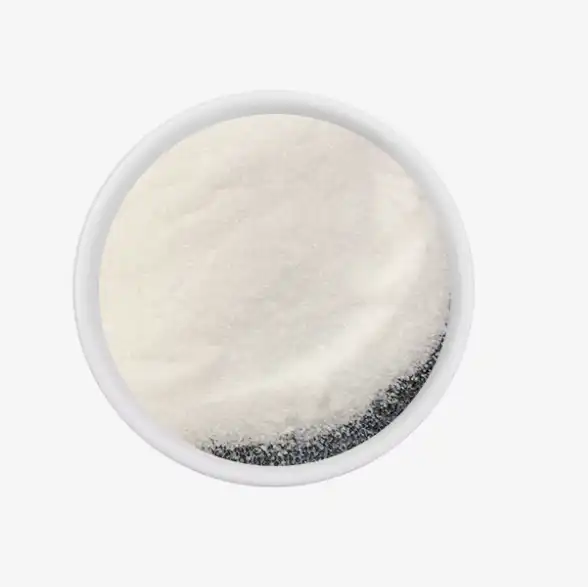
The active agent in both solid and liquid potassium acetate is the same, but there are big differences in how to transport and handle them. Most liquid formulations have between 50 and 60% active ingredients. The rest is water, which adds weight and space for shipping. This diluting makes goods more expensive and needs bigger holding tanks at the well site. Solid material has 98–99% active content, which means that it has the most active ingredient per batch and the least amount of space needed for keeping.
How to handle different forms is different. Products that are liquid can be put straight into mixing tanks, which makes some tasks easier. Before it can be used, solid materials need to be dissolved, which adds a step of mixing but gives you the freedom to make amounts that work best for your well. Since it doesn't make economic sense to bring water to rural digging sites, solid forms are especially helpful there. There are times when the choice relies on your specific transportation system and whether the digging site has enough water and mixing tools.
Comparison with Glycol-Based Systems
Glycol-based drilling fluids are very good at stopping shale from forming and have been used successfully in tough rocks. They do, however, cause problems that acetate systems don't. It's harder to control rheology because glycols can change the viscosity of fluids in unpredictable ways across a range of temperatures. They are hard to get rid of because many glycols don't break down naturally and need to be handled in a certain way. When comparing costs, acetate systems usually come out on top, especially when dumping costs are taken into account. Glycol-based fluids also pose more of a safety risk to workers because they can release vapours when they are mixed and pumped around.
In new field tests in the Marcellus shale, acetate and glycol systems were compared in wells that were close to each other and had similar bedrock. The acetate-based fluid had the same effect on stopping shale formation, but it was 15% faster to drill and easier to handle trash, so operators decided to use only acetate formulas for future expansion wells.
Procurement Considerations for Oilfield Solid Potassium Acetate
Finding the lowest price quote is not enough to make a purchase successful. When you strategically source drilling fluid additives, you have to look at sellers in a number of different ways that affect the efficiency of your operations.
Supplier Evaluation and Quality Assurance
When the success of your drilling fluid rests on chemical purity and meeting specifications for solid potassium acetate, quality stability is very important. Reliable providers keep their ISO 9001 certification, which shows that they handle quality in a planned way. They also follow batch testing methods that check for contaminants, moisture content, and cleanliness. Ask for records of analysis for every package that show real test results, not just sets of results. When it's needed for important uses, the best providers offer third-party lab proof.
How reliable a source is directly affected by how much can be made. Suppliers whose yearly production is more than 50,000 tonnes usually keep enough stock on hand to meet immediate orders quickly. Shanxi Zhaoyi Chemical runs production sites that can make 150,000 tonnes of chemicals every year. This makes sure that their products are always available, even during peak drilling seasons when demand is high. Long working history is also important. Companies with decades of experience know what the market needs better than newbies who are still learning the business.
Certifications in areas other than quality management show a dedication to overall success. The manufacturer's ISO 14001 environmental approval shows that they are responsible with how they affect the earth. Even though KOSHER and HALAL certificates are mostly used for food products, they show that the production process was carefully monitored, which is good for commercial users because it makes it easier to track products and stops contamination.
Packaging, Logistics, and Delivery
How you package your goods affects their quality, how easy they are to handle, and how much they cost all together. Standard 25 kg multi-wall paper bags with plastic covers are a good way to keep small orders dry and for facilities that need to handle the bags by hand. Larger businesses can save time and money by using 1000 kg bulk bags, also known as "super sacks." Before choosing this choice, check to see if your building has the right forklift capacity and storage height for handling large bags.
To plan transport, you need to know about wait times and how goods moves. Standard orders from known sellers in North America usually ship within 5 to 7 business days, but faster service is available for those who need it right away. Imports from Asia take 4 to 6 weeks for ocean freight and customs clearance, so buying from within the country is a good option when supply stability is important. How well containers are loaded affects how much freight costs; because solids are denser than liquids, more active ingredients can fit in each container.
Planning for storage space helps avoid expensive rush orders and stock-outs during busy drilling missions. Figure out how much you use each month and make sure you have enough on hand to cover at least one full drilling job plus a backup plan. Talk to your warehouse boss about arrival times to make sure there is enough room and that things aren't stored outside, where they could get wet.
Conclusion
As the oil and gas industry moves toward high-performance, environmentally friendly drilling fluids, oilfield solid potassium acetate becomes a more attractive option for workers who want to protect equipment, keep wellbores stable, and follow the rules. Its better ability to stop rock formation, non-corrosive chemistry, and recyclable profile make it clearly better than potassium chloride and glycol-based systems. Even though acetate options cost more at first, they often have a lower total cost of ownership when you look at things like lower transportation costs, lower trash removal costs, and lower machine repair costs. Companies that are dedicated to organisational success know that spending money on good drilling fluid additives pays off in the form of faster drilling rates and fewer incidents that don't get the job done.
FAQ
What about potassium acetate makes it safer for the environment than other additives to drilling fluid?
Potassium acetate breaks down naturally in aerobic environments into carbon dioxide and water, not staying in the soil or groundwater for long. It needs less organic oxygen and chemical oxygen, which makes digging waste streams less harmful to the environment. Regulatory agencies consider it non-hazardous, which makes it easier to get permits and get rid of than chloride-based or manmade fluids, which are limited in areas that care about the environment.
Can I use solid potassium acetate in drilling fluid systems that are already in place without making any changes?
Yes, solid potassium acetate can be used in regular mud systems that are built on water. It only needs to be mixed with water to dissolve it before it can be added to drilling fluids. Common additions like xanthan gum, polyanionic cellulose, and starch-based viscosifiers work very well with the substance. There is no need for any special mixing tools or changed ventilation systems.
How can I be sure of the quality of a seller before I place a big order?
Ask for records of analysis that show the real test results for contaminants, moisture content, and cleanliness. Make sure the company keeps their ISO 9001 certification up to date and ask for examples from oil and gas industry companies they have already worked with. Before making large orders, you might want to order small amounts to try in a separate lab.
Partner with Zhaoyi Chemical for Reliable Oilfield Solid Potassium Acetate Supply
Zhaoyi Chemical has been making acetate for more than 35 years and can help your drilling activities with technical-grade potassium acetate that was made for use in the oilfield. Our yearly production capacity of 150,000 tonnes provides a steady supply, even during times of high demand. Our ISO 9001, ISO 14001, and ISO 45001 certifications show our dedication to quality, safety, and environmental management. We offer flexible packing in 25kg bags or 1000kg bulk bags, depending on how much you can handle. Standard shipping takes 5–7 working days, and we offer expert help 24 hours a day, 7 days a week for questions about recipe or application problems. Our product is ≥99.0% pure, giving your drilling fluid systems the consistent performance they need. Our team can help you find a reliable oilfield solid potassium acetate maker, whether you're a drilling provider, an oilfield service company, or a chemical dealer. We can tailor our buying solutions to fit your working plan and budget. Please email us at sxzy@sxzhaoyi.com or visit zhaoyichemical.com right away to get a full product specification sheet, talk about your specific drilling fluid needs, or get a personalised price for large orders.
References
Anderson, R. L., Ratcliffe, I., Greenwell, H. C., Williams, P. A., Cliffe, S., & Coveney, P. V. (2010). Clay swelling—A challenge in the oilfield. Earth-Science Reviews, 98(3-4), 201-216.
Caenn, R., Darley, H. C., & Gray, G. R. (2017). Composition and Properties of Drilling and Completion Fluids (7th ed.). Gulf Professional Publishing.
Friedheim, J., & Conn, H. L. (1996). Second generation synthetic drilling fluids in the North Sea: are they better? SPE/IADC Drilling Conference, Society of Petroleum Engineers.
Galindo, M., & Khan, R. A. (2015). Evaluation of environmentally acceptable water-based drilling fluids for offshore operations. Journal of Petroleum Science and Engineering, 129, 185-194.
Patel, A. D. (2009). Design and development of quaternary amine compounds: Shale inhibition with improved environmental profile. SPE Drilling & Completion, 24(03), 447-455.
Van Oort, E. (2003). On the physical and chemical stability of shales. Journal of Petroleum Science and Engineering, 38(3-4), 213-235.

USER EVALUATE
Here is the customer's evaluation of us