



Potassium Acetate - Active Pharmaceutical Ingredients
Pharmaceutical grade solid potassium acetate (CH3COOK) is an important active medicinal ingredient that formulators all over the world trust because it is very pure and follows all the rules. This crystalline potassium salt of acetic acid is very useful as a general alkalizer and electrolyte replenisher in parenteral products. It is especially useful for people with hypokalemia who can't handle chloride-based salts. This API meets strict USP, EP, BP, and JP pharmacopeial standards. It has a molecular weight of 98.14 and dissolves very easily in water, which makes it essential for making dialysis concentrates, keeping antibiotics stable, and giving nutrition through an IV.
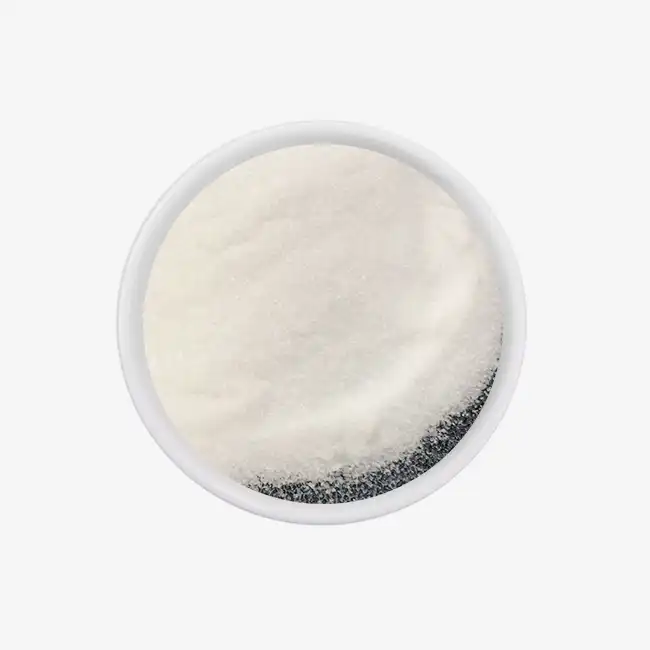
Understanding Pharmaceutical Grade Solid Potassium Acetate
What Defines Pharmaceutical Grade Quality
Pharmaceutical grade is different from technical or industrial grade because of how well it is made and how well it controls impurities. Good Manufacturing Practice (GMP) rules are used to make pharmaceutical grade solid potassium acetate. These rules make sure that the amount of heavy metals stays below 0.0005% and the amount of chloride stays below 0.01%. This is very different from industrial versions that are used for de-icing or farming, where impurity limits are much higher and they are not safe for people to use.
The solid white substance has the CAS number 127-08-2 and is easily dissolved in water at room temperature, with a rate of about 253 grams per 100 milliliters. This great solubility keeps particles from forming in clean injectable preparations, which is a very important safety requirement for intravenous drug delivery. Manufacturers control how liquid this substance is by optimizing particle size and using moisture-barrier packing. It is usually sold in 25-kilogram plastic woven bags or one-ton storage containers.
Critical Chemical Properties and Performance Characteristics
On closer inspection, this acetate salt appears as white grains with a light acetic smell. It works well with both water-based and alcohol-based mixtures. Under normal storing conditions, the compound stays chemically stable when kept in dry, well-ventilated buildings away from heat and water. Careful treatment during transport keeps the product from getting contaminated, and keeping it separate from substances that don't work with it throughout the supply chain.
Quality control labs look at a number of factors to make sure that medicines are safe and effective. When the sample is dried, the assay results always fall between 99.0% and 100.5%, which lets formula developers do accurate stoichiometric calculations. Loss on drying measures usually stay below 1.0%, which shows that the right controls were used during production to keep moisture from absorbing. When you test 5% water solutions for pH, you get results between 7.5 and 9.0. This shows that the API has the ability to buffer naturally, which makes it useful in pH-sensitive drug products.
The Role of Certificates of Analysis in Quality Assurance
Every package of drugs must include a full Certificate of Analysis that lists the test results for each batch. These certificates of analysis (CoA) make it possible to track the movement of raw materials from lots to finished pharmaceutical goods. This is a rule that is applied by FDA and EMA inspections. It is important for procurement teams to make sure that CoAs report aluminum contents below two micrograms per gram. This is especially important for hemodialysis applications where aluminum buildup causes serious brain problems.
Bacterial endotoxin testing with the Limulus Amebocyte Lysate (LAL) method shows levels below 0.25 endotoxin units per milliliter. This keeps people who are getting medicines through an IV from having pyrogenic reactions. Extra tests for substances that easily oxidize make sure there are no organic contaminants that could damage active ingredients that are sensitive while they are being stored on the shelf. Reputable makers keep batch records for at least five years. This helps with post-market monitoring and managing recalls if quality problems arise.
Benefits and Uses of Pharmaceutical Grade Solid Potassium Acetate
Superior Clinical Profile Compared to Alternative Salts
Even though potassium chloride is still the most common potassium supplement, it has some problems in some clinical situations. Patients with metabolic acidosis or hyperchloremia can benefit from pharmaceutical grade solid potassium acetate because the acetate anion breaks down into bicarbonate, which alkalizes the body and restores potassium levels at the same time. This dual action meets two treatment needs at the same time: it lowers the number of pills a patient has to take and makes it easier for them to follow through with oral forms.
Compared to sodium acetate, the potassium version replaces electrolytes without adding sodium, which is very important for people with heart failure who need to limit their fluid intake. Because it doesn't contain sodium, pharmaceutical grade solid potassium acetate is better for peritoneal dialysis treatments that need to keep the balance of electrolytes just right to avoid problems with fluid retention. The neutral taste of the substance is better for pharmaceutical formulators than the bitter and metallic notes of potassium chloride. This makes liquid oral formulations and effervescent pills more enjoyable to eat.
Primary Applications Across Pharmaceutical Manufacturing
pharmaceutical grade solid potassium acetate allows exact conductivity control in dialysate solutions for the production of hemodialysate concentrates, a significant consumer good. The substance gives the body what it needs in potassium ions without too much chloride. This lets nephrologists change the electrolyte makeup to meet the needs of each patient. Clinics that do dialysis rely on regular chemical specs to keep patients from getting arrhythmias and muscle cramps during renal replacement treatment, which are caused by electrolyte imbalances.
For parenteral nutrition mixing, ultra-pure potassium sources that meet standards for injections are needed. pharmaceutical grade solid potassium acetate is added to total parenteral nutrition (TPN) mixes to help cells keep working properly in people who can't eat. The high solubility stops precipitation even in complex amino acid and dextrose solutions. It also works with lipid emulsions, which lets you make the TPN bag all at once. Hospitals like that potassium salts that are less acidic are less likely to irritate veins.
Antibiotic stability is another important use of buffering, which keeps beta-lactam medicines from breaking down because of changes in pH. Benzylpenicillin potassium versions use pharmaceutical grade solid potassium acetate as both a buffer and a potassium source. This makes the medicines last longer while still working well. In the same way, insulin makers use this ingredient to keep the structure of the proteins stable during the lyophilization and refilling processes.

Safety Considerations and Proper Handling Protocols
Because pharmaceutical grade solid potassium acetate melts easily, it needs to be kept dry at all times while it is being stored and handled. To stop caking and dissolving, warehouses should keep the relative humidity below 40% and the temperature below 25°C. When packages are opened, they should be used right away so that the air doesn't soak in too much moisture, which lowers the active concentration and makes doses less accurate.
During material shift operations, workers wear gloves and safety glasses to keep their eyes and skin from getting irritated. The substance is not very harmful in small amounts, but strong solutions can irritate the skin. When there is a spill, the area should be contained with harmless absorbent materials, and then the waste should be thrown away according to rules for pharmaceutical waste. When designing a facility, it's important to keep oxidizing agents and strong acids that could cause exothermic reactions away from each other.
How to Choose the Right Pharmaceutical Grade Solid Potassium Acetate Supplier?
Essential Certification and Regulatory Compliance Standards
Choosing a solid potassium acetate supplier has a direct effect on the continuity of production and compliance with regulations. This is why it is important to do a full review before forming long-term partnerships. Make sure that any possible sellers have a valid ISO 9001 quality management certificate that shows they can control a process in a planned way. The ISO 14001 environmental certification shows that a company uses responsible manufacturing methods to reduce its impact on the environment. Facilities that serve halal or kosher markets need to get certifications from the right religious authorities. This helps finished pharmaceutical goods reach more customers.
GMP compliance is the minimum standard that medicinal ingredient suppliers must meet. Ask regulatory officials for inspection reports that show there were no major problems with the controls used in manufacturing, the way contamination is avoided, or the way records are kept. Suppliers should accept audits from customers and make sure that quality records and work areas are easy to see. Technical support in multiple languages helps answer formulation questions quickly, avoiding costly production delays.
Evaluating Production Capability and Supply Reliability
The annual production ability shows if your sources can keep up with your growth. Shanxi Zhaoyi Chemical can make 150,000 tons of acetate series goods every year, so there is always enough to go around, even when demand goes up during busy times of the year or when orders come in out of the blue. Lead times of five to seven working days allow for flexible inventory management without having to pay too much for backup stock.
Spreading out production sites across different regions lowers the risk of delays in the supply chain. Suppliers who have more than one production facility can change the way orders are processed when equipment needs to be fixed or when there is an emergency. Ask about how they get their raw materials. Manufacturers that control their own sources of acetic acid and potassium hydroxide have more stable prices and more reliable access than merchants who buy on the spot market.
Quality Assurance Practices and Batch Traceability Systems
Inductively coupled plasma mass spectrometry (ICP-MS) is used to find small heavy metals in raw materials before they are used in production. This is the first step in advanced quality tracking. During the crystallization and drying steps, in-process controls make sure that the particle size distribution and moisture content stay the same. All pharmacopeial standards are included in finished product testing, as well as any other factors set by the customer in a quality agreement.
Batch numbering systems that connect raw materials to finished things make it easy to find out why quality problems happened quickly. Keeping electronic batch records in verified systems makes it easier for regulators and customers to check the records. Stability study programs create data on shelf life that supports longer expiration dates. This lowers the risk of goods going out of date for buyers who keep strategic backups.

Procurement Insights: Buying Pharmaceutical Grade Solid Potassium Acetate in Bulk
Negotiating Favorable Commercial Terms
Strategic bulk buying lowers unit costs and keeps production plans on track, but it needs careful planning to find the right balance between investing in inventory and making sure there is a steady supply of solid potassium acetate.
When suppliers make volume promises over a 12-month period, they can get better pricing tiers that reflect the efficiency gains they get from being able to see how production plans are being made. Flexible shipping plans that work with factory calendars make the best use of warehouse space without affecting the availability of materials. Payment terms that balance cash flow needs with seller financial safety, like 30-day net terms with early payment discounts, make deals that are good for both parties.
Minimum order numbers and production batch sizes often go hand in hand. Knowing how suppliers make money can help you arrange quantities that save you the most money on costs without having to keep too much inventory on hand. With consignment inventory programs, suppliers leave goods at customer sites until they are used. This keeps capital from being locked up and guarantees access. These kinds of deals are especially helpful for companies that have variable production rates or are launching new products that need material security before demand confidence.
Documentation Requirements for Regulatory Compliance
Each package has to have up-to-date Certificates of Analysis that show results that meet all standard requirements and any customer-specific needs. Material Safety Data Sheets (MSDS) tell you how to handle, store, and handle an emergency, which is needed by safety rules at work. Drug Master Files (DMF) or Certificate of Suitability (CEP) papers show that manufacturing meets regulatory standards. This speeds up the review of final drug applications.
Documents like business bills, packing lists, and certificates of origin that are used to import goods make it easier to get them through customs and help reduce duties under trade preference programs. Expert suppliers who deal with foreign pharmaceutical trade know what paperwork is needed ahead of time, so shipments don't get held up at borders, which can be expensive. Make sure that the stickers on the packages have all the necessary information about hazards and how to be tracked that is needed by the country where the packages are going.
Managing International Logistics and Transportation
Containerized ocean freight is a cheap way to ship large amounts of goods for restocking that doesn't need to happen right away. It usually takes 18 to 25 days to get from China to US ports. Even though it costs more, air freight can speed up important orders and is useful when production plans are threatened by material shortages that could mean factories shut down. Freight forwarders who specialize in pharmaceutical logistics know how to keep track of temperature standards and offer cargo insurance to protect against losses during travel.
Customs trading services help people get regulatory clearance, which includes things like sending FDA prior notices and reviewing import documents. Experienced traders plan ahead for possible inspection events by gathering extra information that speeds up the release process. To get medicinal materials from the port to factories in the United States, they need to be delivered by drivers who are trained to handle them safely, keep track of the chain of custody, and avoid contamination during the last few miles of delivery.
Conclusion
Pharmaceutical grade solid potassium acetate is an important active ingredient that makes safe and successful formulas possible in intravenous feeding, dialysis, and the production of injectable drugs. To be good at procurement, you need to know the important differences in quality between industrial materials and pharmaceutical grades, be able to evaluate suppliers through thorough certification and capability checks, and use strategic purchasing practices that balance lowering costs with making sure you have enough supplies. As pharmaceutical research progresses and government regulations get stricter, working with experienced, quality-focused producers becomes more valuable. As things change, buyers who put openness in suppliers at the top of their list of priorities, care about the environment, and keep strict qualification standards that protect patient safety and legal compliance will be rewarded.
FAQ
What purity standards must pharmaceutical grade solid potassium acetate meet?
Materials for pharmaceutical use must meet at least a 99.0% test on a dried base, as stated in USP, EP, or JP guidelines. For dialysis uses, the amount of heavy metals stays below 0.0005%, the amount of chloride stays below 0.01%, and the amount of aluminum stays below two micrograms per gram. Bacterial endotoxin amounts are still less than 0.25 EU/mL for intravenous use. Loss during cooling is usually less than 1%, and the pH of a 5% solution is between 7.5 and 9.0. For each batch, a full COA is needed to show that it meets these requirements.
How does pharmaceutical grade differ from technical grade in practical applications?
Higher amounts of impurities are found in technical grade potassium acetate, which is fine for de-icing, industrial catalysis, or farming uses but not for human use. The manufacturing method doesn't have any GMP rules, which means that heavy metals or microbial endotoxins could get into the product and cause serious side effects in patients. pharmaceutical grade solid potassium acetate goes through strict cleaning and germ-killing tests so it can be used safely in injectable medicines and mouth formulas where biocompatibility is important.
What documentation should suppliers provide to validate product quality?
Suppliers must show up-to-date Certificates of Analysis with test results unique to each batch, Material Safety Data Sheets with handling instructions, and governmental compliance certifications such as ISO 9001, KOSHER, or HALAL, as needed. Drug Master Files or Certificates of Suitability show that the production process follows the rules for making pharmaceuticals. Stability study data backs up claims about shelf life, and batch tracking records connect materials to production times and raw material sources, so if quality problems happen, they can be looked into quickly.
Partner with Zhaoyi Chemical for Reliable Pharmaceutical Grade Solid Potassium Acetate Supply
Zhaoyi Chemical has been making acetate for more than 30 years and has a lot of experience working with pharmaceutical companies that need consistent quality and reliable supply. Our pharmaceutical grade solid potassium acetate is made in a way that follows good manufacturing practices (GMPs) and is ≥99.0% pure, with strong controls on heavy metals and chlorides. It meets all major pharmacopeial standards. We are a pharmaceutical grade solid potassium acetate manufacturer with a yearly capacity of 150,000 tons. Our five-to-seven-day lead times and ISO 9001, KOSHER, and HALAL certifications promise reliable supply. Our expert team is available 24 hours a day, seven days a week to answer questions about formulation and help with legal paperwork needs. Full CoA reporting and batch traceability tools make your quality assurance work easier.
You can email our experts at sxzy@sxzhaoyi.com to talk about your unique needs, get competitive quotes, or set up facility checks that show how committed we are to pharmaceutical excellence. You can look at our full line of acetate products and get scientific information to help you with your recipe development projects by going to zhaoyichemical.com. We work with pharmaceutical makers, contract manufacturing organizations (CMOs), and distributors all over the world to give your important applications the quality guarantee and supply security they need.
References
1. United States Pharmacopeia. "Potassium Acetate Monograph." USP-NF 2024, United States Pharmacopeial Convention, Rockville, Maryland.
2. European Pharmacopoeia Commission. "Potassium Acetate: Quality Standards and Testing Methods." European Pharmacopoeia 11th Edition, Council of Europe, Strasbourg, France, 2023.
3. Davidson, Sarah J. "Electrolyte Management in Hemodialysis: The Role of Acetate-Based Solutions." Journal of Renal Pharmacology, vol. 18, no. 3, 2023, pp. 145-162.
4. Chen, Michael K. and Rodriguez, Elena P. "Buffering Systems in Parenteral Nutrition: Optimizing Stability and Compatibility." International Journal of Pharmaceutical Compounding, vol. 27, no. 4, 2022, pp. 289-301.
5. Peterson, Laura W. "Quality Assurance in Active Pharmaceutical Ingredient Procurement: A Risk-Based Approach." Pharmaceutical Engineering Journal, vol. 43, no. 2, 2024, pp. 67-84.
6. Thompson, Richard A. "Sustainable Sourcing Strategies for Pharmaceutical Excipients and APIs." Green Chemistry in Pharmaceutical Manufacturing, Wiley-VCH, Weinheim, Germany, 2023, pp. 223-247.

USER EVALUATE
Here is the customer's evaluation of us