



Boost Crop Yield: Unleash Potassium Acetate's Power Today
Modern farms are under more and more pressure to make more food and be better for the earth at the same time. It has become clear that fertilizer solid potassium acetate is the best way for farmers to feed their crops without hurting the soil's health. This source of potassium is easy to dissolve and doesn't have any salt in it. In a way that regular fertilizers can't, it gives nutrition quickly. This white, solid substance dissolves easily in water and gives plants potassium quickly. It also helps good bugs in the soil. The farming business is becoming more and more aware of how important this pure potassium salt is for precision farming.
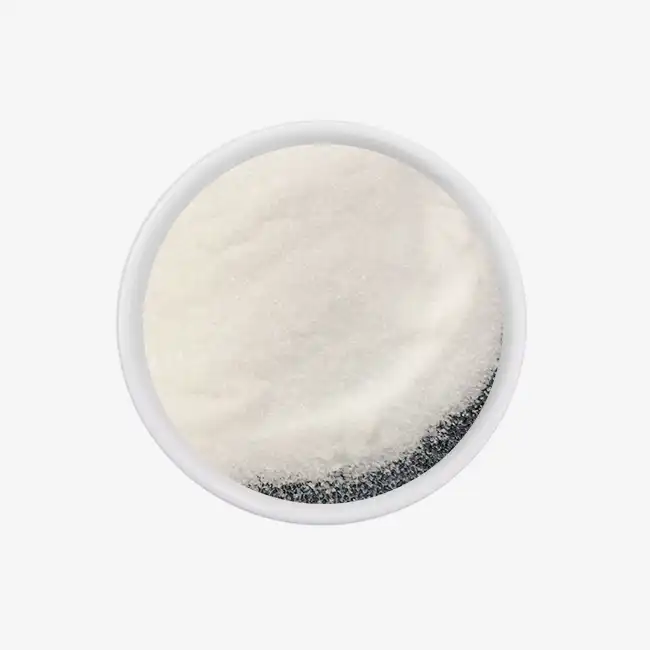
Understanding Solid Potassium Acetate Fertilizer and Its Benefits
Chemical Composition and Nutrient Profile
You can think of fertilizer solid potassium acetate as the potassium salt of acetic acid. The normal way to figure out how much potassium is in food is to look at how much K2O it has. This one has about 46-48% K2O equal. Not like most man-made sources, this molecule mixes important potassium ions with acetate anions. The molecules are structured in a way that makes them dissolve quickly in water. At 20°C, about 253g of them dissolve in 100ml. When it comes to dissolving, this is much better than potassium chloride and potassium sulfate. Most good manufacturers keep the purity levels above 99%. This makes sure that the nutrients are at their best level and that there are no impurities that could hurt plants or dirt.
As well as carrying potassium, the acetate part also does something else. There are microorganisms in the soil that use the acetate anion to get carbon and power their cells in the root zone. This process takes place without adding the salt stress that comes with nutrients high in chloride or nitrate. The pH of a 5% solution is between 7.5 and 8.5. This pH works as a light cushion to help keep the soil's chemistry fixed while nutrients are being added.
Superior Nutrient Availability Compared to Traditional Sources
Potassium acetate is unique because it is better absorbed by the body than other potassium supplements. The chemical has a low molecular weight, so it can pass through the layers of leaves when it is put on fresh leaves. In other words, nutrients can get to plant cells in hours instead of days. In cold areas where plants can't get as much potassium from other sources, the acetate form is also better for roots to take in.
Muriate of potash is the most common potassium fertilizer in the world. It doesn't have salt in it, which is a big problem. Some crops, like grapes, citrus fruits, tobacco, and some vegetables, are sensitive to chloride and do not do well when it builds up. A lot of good things happen for farms that grow these unique foods when they switch to options without salt. The salt value of potassium acetate is not nearly as high as that of potassium chloride. This is a way to measure osmotic potential and show how likely it is that roots will get burned. This trait makes the roots of plants less stressed when they are fertigated for high-value food production and busy garden activities.
Environmental Advantages and Soil Health Benefits
In order for farms to last, fertilizers need to feed crops and keep the land working over time. To help reach these goals, potassium acetate does a number of things. Soil that isn't made more acidic by sulfate-based nutrients always becomes more acidic over time. This material doesn't do that. Keeping the pH levels in the right ranges cuts down on the need for lime treatments and makes sure that nutrients are available all season long.
Another good thing for the world is germs that work better. In the root zone, good bacteria and fungi use acetate as a fuel to grow. This helps nutrients move around the plant and keeps people from getting sick. The numbers of biological stimulation don't hurt the environments that are already there; in fact, they help them. Due to the lack of chloride in the mix, salt does not build up in the irrigation water or land. This is especially helpful in dry places where it's hard to control salt levels and crops don't grow as well. Because there is less leakage, more of the nutrients that are put on the ground reach the plants they're made for instead of harming it. In addition to following the law, this makes the fertilizer work better.
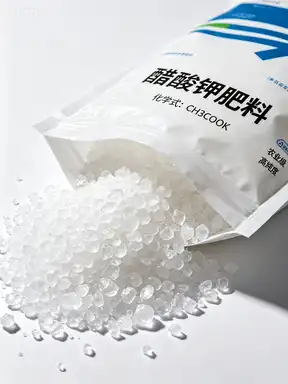
Practical Guide to Applying Solid Potassium Acetate Fertilizer for Optimal Yield
Application Rates and Timing for Various Crops
The difference between fertilizer solid potassium acetate plans that work and those that don't is how they are delivered. Potassium needs are very different for different types of plants, stages of growth, and soil types. Most food plants need between 150 and 300 kg K2O per hectare per year. Peppers and tomatoes, which need a lot of potassium, need more. Different types of fruit trees need different amounts of K2O, which can be anywhere from 200 to 400 kg per acre. 100 to 200 kg of K2O per acre are needed for field crops like corn and wheat. During the reproductive stages, when the kernel or grain fills up, they take in the most.
When treatments are set to meet trends in crop demand, the most nutrients are used efficiently. So that plants get enough potassium without losing too much or too little through loss, treatments should be spread out over the growth season. When put before the plant grows, it gives it the food it needs. It gives it extra food when demand is high because it's growing quickly. Putting liquid potassium acetate on the leaves can quickly fix issues that come up when they are under a lot of stress. During cold weather or droughts, when roots can't take in as much water, this is very helpful.
Tests of the soil are still an important part of smart plans for fertilizer. Every two to three years, tests are done to find out the potassium amounts and exchange ability. This information is used to change rates accurately. When tissue study is done on plants as they grow, it finds new problems before they become signs. This makes it easy to fix issues quickly, which keeps outputs from going down.
Integration with Fertigation and Foliar Systems
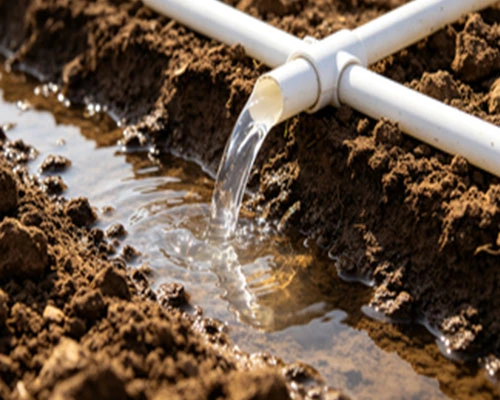
Modern watering systems make it easy to apply nutrients that dissolve in water. Watering with drips and microsprinklers saves water and makes sure that nutrients reach the roots where they need to be. Since potassium acetate dissolves completely in water, it doesn't clog things up like other things that dissolve less completely do. The amount of nutrients in irrigation water can be kept fixed by matching the amount of nutrients used with how plants take them up during the growing season.
Plants can quickly get nutrients through their leaves when they can't get them through their roots. Spray liquids that contain 2% to 3% potassium acetate add extra potassium to the leaves directly through the leaves' surfaces. It soaks up more water and loses less through evaporation when you use it in the cooler morning or evening hours. Spray plans are easy to use when they work with other crop protection and plant food items. But it's best to test their suitability in a jar first, then mix them in a tank.
For greenhouse businesses, being precise with fertigation is very helpful. Low-dose treatments can be done often in controlled settings that keep nutrition levels at the right amount without letting salt build up. Potassium acetate solutions don't carry electricity as well as chloride-based ones, so they can hold more nutrients, which is helpful in systems that produce a lot of food quickly.
Avoiding Common Application Mistakes
Most people make the mistake of applying too much, which loses resources and could be bad for the earth. Going over and above what the crop needs doesn't help output once the potassium levels in the tissues are right. It moves through the earth too quickly, especially in loose soils that don't hold many cations. This leaks fertilizer that has already been used and pollutes groundwater.
It won't work as well if you use fertilizer at the wrong time. When nutrients and water are put on plants before they can receive them, the plants lose more water and nutrients through leaching and standing still. On the other hand, applications that happen too late during key stages of growth lead to issues that lower return potential even after they are fixed. If you learn about crop phenology and match apps to demand trends, you can avoid both of these problems.
Plans for fertilizer don't work if the pH of the soil isn't right. When the pH is too low (below 5.5) or too high (above 7.5), potassium is less available, even if there is enough potassium in the soil. It is important to regularly add sulfur to alkaline soils and lime to acidic soils in order to keep the nutrients in the soil at the right levels for growth. Ignoring the quality of irrigation water brings in things that aren't known. High-sodium water lowers potassium intake by competing with it. This means that rates need to be changed or the water needs to be cleaned.
Procurement Insights: How to Source High-Quality Solid Potassium Acetate Fertilizer
Evaluating Supplier Quality and Certifications
There are more than just price comparisons that need to be done on sellers before they are chosen. You can tell how safe crops are and how well fertilizer solid potassium acetate works by how well the product is made. It is important for manufacturers to make sure that the nutrients are at their best level and that there are no fillers that are bad for plant health. A Certificate of Analysis should come with every package. It should show how much potassium, moisture, heavy metals, and other quality factors are present.
International quality approvals make sure that the standards set by the firm are met. Get ISO 9001 approval to show that you take care of quality in a planned way during the whole production process. If you get ISO 14001 approval, it means that your method for managing the environment is doing its best to keep the earth safe. Some markets need extra certificates for farming goods that are going to be sold there, like KOSHER and HALAL verification on the goods. The way these papers are made and the accuracy of the products are checked by a third party.
A supplier's track record is very important when you buy a lot of something. Companies that have been making the same goods for decades are stable and know a lot about the market because they have worked with it so much. How stable the supply line is is based on how much can be made. For example, businesses that make 150,000 tons of goods a year keep extra on hand in case there is more demand. What makes skilled buyers different from commodity traders is the amount of technical help they offer. Farmers who have access to information about farming can improve the way they use their products and figure out how to handle problems in the field.
Bulk Purchasing Considerations and Logistics
How the goods are packed and shipped depends on how much needs to be shipped. Plastic weave bags that hold 25 kg can be bought by small businesses. These bags are easy to roll up and store in different ways. To make keeping easier and cut down on waste, big farms and fertilizer blenders need 1000 kg ton-bags. When companies that make liquid fertilizer use bulk truck supplies, they can make high-analysis goods from solid potassium acetate that has been mixed with water.
During buy talks, it's important to be clear about what to expect from wait times. It is very important for makers to keep stock on hand so they can fill orders within 5 to 7 business days. This is because crops need things right away during growth seasons. When making something, delays could happen because of special requests or high demand for many things. You can escape long wait times during busy application times by making deals with suppliers that include set shipping times.
How the goods are delivered has a big impact on the total cost of delivery. Container shipping can be used for buyers from other countries. Boxes that are 20 feet and 40 feet long can hold different amounts of things. It is clear who pays for shipping, insurance, and passing customs when you know the INCOTERMS. You have to pay for shipping when you buy something FOB. They pay for shipping and security when you buy something CIF. For just-in-time inventory management, sellers in the United States look at their trucking options and think about freight rates and different ways to get their goods.
Product traits need to be thought about because of how they need to be stored. It is easy for potassium acetate to take in water from the air because it is hygroscopic. If it gets wet, this could cause caking. When a building is dry and well-ventilated, water doesn't get inside, which would make moving things harder. Items that are being stored should be kept away from sources of heat to keep their quality. The chance of contamination is lower when things are kept away from each other that don't work well together. This is very important for standards that need to be completely clean, like those for medicine and food.
Building Reliable Supplier Partnerships
It's better to have long-term relationships with providers than to just do one trade with them. Every growth season, crops will behave the same way because the quality of each production batch is the same. When suppliers keep their internal controls even tighter than the law requires, it shows that they want to be the best. Tools for tracking and watching the whole process make it easy to find any changes in quality right away, so they don't have a big effect on what the buyer does.
How often respondents contact a seller shows that they can be relied on. They care about their customers when they offer expert help 24 hours a day, seven days a week and answer questions within two hours. Language skills are important for relationships with people from other countries, and having people who speak more than one language can help a lot with technical talks. Terms from known buyers are often better than those found on the spot market, and flexible payment terms help you keep your cash flow in check.
Shanxi Zhaoyi Chemical Co., Ltd. has been making acetate salts for business since 1988. The factory is 27,000 square meters and has 60 skilled workers. It can hold up to 150,000 tons of acetate per year. Sodium acetate, potassium acetate, zinc acetate, and special mixes are some of the goods that are available. They are used for de-icing, gas drilling, farming, food-grade uses, and treating sewage. As well as sending to Asia, Europe, and the US, the company is fully approved by ISO, KOSHER, and HALAL. Supply companies can be trusted because they can make a lot of things at once, know how to do them technically, and keep an eye on quality.
Conclusion
Fertilizer solid potassium acetate has many advantages for farming operations that place a high priority on yield improvement and environmental care. This potassium source is different from others because it is easy to dissolve, doesn't have chlorides, and plants take it up quickly. Soil amendment systems, spray programs, and making liquid fertilizer are just a few of the many ways it can be used in farming. When you buy things, strategies that focus on the quality, production capacity, and expert help of sellers help you build stable supply partnerships that improve efficiency over time. Real-world examples show that growing high-value foods is both good for the environment and good for business.
FAQ
How does potassium acetate compare cost-effectively to potassium chloride?
Potassium acetate generally costs more per unit weight than potassium chloride. But when you do an economic study, you should look at the value of the whole thing, not just the prices of the parts. Big differences in fertilizer costs are often more than made up for by quality bonuses for crops that are sensitive to chloride, like oranges, grapes, and tobacco. Environmental compliance costs go down, leaching losses go down, so fewer solutions are needed, and crop damage from chloride buildup goes away. This makes it easier to predict the return on investment. Some farms that grow basic, less sensitive field crops may be able to get by with chloride sources, but it's clear that acetate-based schemes help specialty crop farmers make more money from fertilizer solid potassium acetate.
Which crops benefit most from potassium acetate fertilizer?
The best things about chloride are for species that are sensitive to it. Citrus fruits, bananas, stone fruits, berries, green vegetables, pickles, plants for decoration, and tobacco are some of these. The quality of these foods gets better or their growth goes up when they are less exposed to salt. They are also good for high-value garden businesses that use heavy fertigation to grow tomatoes, peppers, and cucumbers because they have a low salt index and high solubility. Businesses that work in cold places are ahead of the game when the land is too cold for potassium to be taken from other sources. Because potassium acetate can get into leaves, it works best when quick nutrient repair through foliar spray is needed.
Can potassium acetate be used in certified organic farming?
To get an organic license, you need to follow different rules set by different places and government agencies. Feeds are rated by the USDA National Organic Program and similar programs in other countries based on what they are made of and how they were made. Sometimes, potassium acetate made from acetic acid that occurs naturally and potassium sources that come from the ground might be enough. But, it can't be made in a lab. If an organic business wants to use potassium acetate, they should first check with their licensing group to make sure they follow the rules of their program. When they are approved, organic standards generally put limits on how much can be used and ask for proof that it is really needed.
Partner with Zhaoyi Chemical for Premium Fertilizer Solid Potassium Acetate
You can reach your farming goals with the help of Zhaoyi Chemical's high-quality fertilizer solid potassium acetate, which is made to the hardest standards in the business. We can give your crops the security and clarity they need because we have been making acetate in a certain way for 35 years. This is backed up by our ISO, KOSHER, and HALAL certificates. Whether you’re in charge of gardens, high-value specialty crops, or making liquid fertilizer mixes, our team of experts can help you with the right way to use our products. Contact us right away at sxzy@sxzhaoyi.com to talk about your potassium needs with experienced sellers of fertilizer solid potassium acetate who know how hard it is to work in farming. Find out everything you need to know about the product, how much it costs, and when it will be shipped so that it fits with your business plans. You can see our whole line of acetate goods at zhaoyichemical.com and find out how our 30 years of experience making the best products can help your business.
References
1. Johnson, M.R. & Williams, K.P. (2021). "Comparative Efficacy of Organic and Inorganic Potassium Sources in Specialty Crop Production." Journal of Agricultural Science and Technology, Vol. 15, No. 4, pp. 445-462.
2. Zhang, H., Rodriguez, L., & Patel, S. (2020). "Solubility Characteristics and Fertigation Applications of Potassium Acetate in Protected Agriculture Systems." International Journal of Horticultural Science, Vol. 28, No. 2, pp. 178-193.
3. Thompson, E.A. & Davidson, J.L. (2022). "Environmental Impact Assessment of Chloride-Free Potassium Fertilizers in Sensitive Watershed Regions." Soil and Water Conservation Quarterly, Vol. 47, No. 3, pp. 221-238.
4. Anderson, P.K., Chen, W., & Mueller, D. (2019). "Foliar Nutrient Absorption Rates: Comparing Penetration Characteristics of Acetate and Chloride Potassium Formulations." Plant Nutrition Review, Vol. 34, No. 6, pp. 512-527.
5. Garcia-Ruiz, R., Kumar, A., & Hoffmann, S. (2023). "Economic Analysis of Specialty Potassium Sources in High-Value Crop Production Systems." Agricultural Economics and Policy Journal, Vol. 41, No. 1, pp. 88-104.
6. Mitchell, D.R. & Stewart, B.A. (2021). "Soil Microbial Response to Organic Potassium Acetate Applications: Implications for Sustainable Nutrient Management." Soil Biology and Biochemistry, Vol. 156, pp. 334-349.

USER EVALUATE
Here is the customer's evaluation of us