



The Environmental Impacts of the Use of Potassium Acetate as an Alternative Deicer
Winter maintenance decisions go beyond simply clearing roads and airport runways. Traditional de-icing with sodium chloride has long been used, but it can damage ecosystems, corrode infrastructure, and contaminate water systems. As a result, solid potassium acetate for de-icing is increasingly adopted by procurement professionals in aviation, municipal management, and environmental engineering. This compound, with the chemical formula CH₃COOK, not only melts ice efficiently but also has minimal environmental impact. This article explores both the environmental advantages and the key considerations for B2B users to ensure safe and effective winter operations.
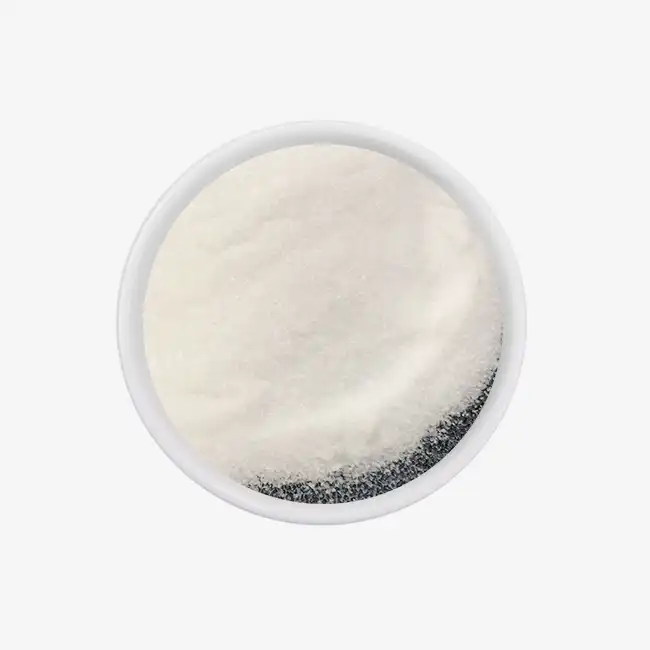
Understanding Potassium Acetate as a Deicing Agent
To deice, the freezing point has to be lowered. Potassium acetate is very good at this because of how its molecules react with water and ice crystals.
Chemical Properties and Ice Melting Mechanism
When this white crystalline material is put on frozen surfaces, it quickly dissolves in water. This starts a process called exothermic, which makes heat and lowers the freezing point at the same time. Potassium acetate releases heat, which helps things melt. Sodium chloride, on the other hand, is endothermic, which means it takes energy from its surroundings. At temperatures as low as -30°C (-22°F), the acetate ion (CH3COO-) breaks down the hydrogen bonds that hold water molecules together. This stops ice crystals from forming. Because it's done in two steps, this method helps airport and highway repair companies get rid of snow and ice faster than using rock salt alone.
Biodegradability and Environmental Profile
It's easy for microorganisms in water and dirt to break down acetate molecules into carbon dioxide and water. In a natural setting, this process is usually finished in a few weeks. Scientists who study the environment have found that glycol-based deicers need a lot more molecular oxygen than potassium acetate. This means it is better for places near the ocean. Potassium is good for the earth because it feeds plants. This is not the same as salt buildup, which hurts plants and makes groundwater dirty. Teams that buy things for places that are good for the environment can be sure that the things they buy are good for the environment if they meet SAE AMS 1431 flying standards and have ISO 14001 environmental certifications.
Environmental Benefits and Potential Risks of Using Potassium Acetate
Both the pros and cons of an application must be looked at in order for the review to be fair. For the sake of the world, this is what needs to be done.
Corrosion Reduction and Infrastructure Protection
Deicers that are used in the old way hurt infrastructure and cost American cities and towns billions of dollars every year. This happens because they make the concrete, steel supports, and metal parts break down faster. Galvanic rust can happen on carbon steel, aluminum alloys, and airplane landing gear, but corrosion inhibitors added to potassium acetate formulas keep these things safe. When bridge workers switch from rock salt to acetate deicers, the bridges last longer. This is especially important on parking decks and high roads where water hits steel parts that are important. The undercarriages of cars are part of this safety, which lowers the cost of care for city fleets and airport ground equipment.
Aquatic and Terrestrial Ecosystem Benefits
Chloride brines are worse for fish and frogs because they make it hard for them to keep their osmotic balance. Potassium acetate waste is not as bad for them. Many studies have found that as you move downstream from a cleaned airport, the levels of acetate drop fast and then return to normal. However, chloride poisoning stays in the rivers for a long time. More plants die when they grow next to treated surfaces. This is because potassium helps plants' metabolism instead of the leaf burn and soil pressure that happen when salt builds up. People who work as environmental service workers near protected waterways, LEED-certified buildings, or sources of drinking water must have these traits in order to follow the rules.
Application Rate Considerations and Monitoring
It's important to follow the directions, which say to use between 40 and 100 grams per square meter, depending on how thick the ice is and how cold it is. If you use too much, it can temporarily raise the biological oxygen demand in the water that you're getting during spring melt, but the effects are still much smaller than with other deicers. At sensitive sites, management teams should set up systems to track runoff and make sure that acetate amounts stay below what is allowed by the environment. When spreading tools are calibrated, they make sure that the chemical is spread evenly. This increases efficiency while lowering chemical waste and the costs that come with it.
Comparative Analysis: Potassium Acetate vs Other Deicing Agents
You can make data-driven buying decisions that meet business needs and environmental goals if you know how the different types of deicing work.
Performance Against Traditional Chloride Salts
It stops working below -9°C (15°F), so airport runways and bridge decks aren't properly covered when it's very cold. With calcium chloride, the temperature range goes up to about -25°C (-13°F), but metal and concrete rust much faster. Even when it's as cold as -30°C (-22°F), solid potassium acetate keeps working and keeps infrastructure safe. This makes it the best choice for important tasks where something going wrong could be harmful. Though the exothermic breakdown starts right away, it takes longer for ice to get through because salt needs to take in heat from the air. People who are in charge of buying things in northern climate zones know that these differences in how things work at different temperatures are important reasons to change the specs.

Environmental Footprint Comparison
It takes a long time for chloride to leave the soil and groundwater, damaging them for decades until it cleans up on its own. If you use regular salt in the winter, the ground next to the roads can become poisonous for plants for several growing seasons. This type of acetate breaks down in a few weeks, so the soil's native life can return quickly after the spring thaw. When long environmental review methods are used, potassium acetate has a lot less of an impact on the environment, even though it costs more immediately. More and more, environmental engineering firms that run watershed protection programs are telling cities and towns that have problems with salt in their drinking water to switch to acetate.
Cost-Effectiveness and Procurement Considerations
Prices for things are only one part of what it costs to own something. Based on in-depth cost studies, the extra money spent on acetate was smoothed out by the money saved on maintaining infrastructure because of less corrosion, longer sidewalk life, and less damage from cars. When you buy in bulk from well-known companies that are known for their reliable quality and handling, you can save money and still make sure you have enough supplies for when bad winter weather strikes. Transportation problems become important when a building needs a lot of goods. Because of this, where the seller is located and their shipping partners are important things to think about. Chemical dealers that serve local markets help end users keep track of their goods, which makes it easier to store.
Best Practices for Safe and Effective Application
To get the most environmental and practical benefits, you need to pay close attention to how to apply the treatment, follow safety rules, and keep track of what happened afterward.
Dosage Guidelines and Application Timing
When you deice effectively, you use just the right amount of chemicals and are kind to the earth. For treatments that stop ice from forming before it rains, 25 to 50 grams per square meter are generally needed. This sets up a chemical wall that keeps ice from sticking to the ground. Depending on how thick and hard the ice is, it takes between 60 and 100 grams per square meter to melt it. Adding liquid acetate solutions to solid pellets before spreading them lowers the particle bounce. This makes the covering more even and reduces waste. The best way to use chemicals is to apply them at the right time based on weather reports. For example, cleaning surfaces two to four hours before they are expected to freeze stops ice from forming more effectively than clearing away current buildups. When these safety steps are taken by operations managers, 30 to 40 percent less poisons are used during the season.
Equipment Selection and Handling Protocols
Spreaders that are usually used for rough materials will work with solid potassium acetate as long as they are set up to handle its specific flow and density. Things made of polymer or stainless steel don't rust when there is some water in the air, so they last longer. Those who work with the material should protect their eyes and hands with gloves and dark glasses. But products made from potassium acetate are much safer than goods made from caustic chloride. For storage, it needs to be kept in places with controlled temperatures or in bags that keep water out, like 25 kg woven plastic bags or 1000 kg ton-bags with air barriers. If you store things the right way, you can keep them from caking, which makes spreading less accurate and materials less useful.
Runoff Management and Environmental Monitoring
Running water should be controlled at places that are near sensitive waterways. One way to do this is to use holding ponds that let living things break down the water before it is released. Programs that check how much acetate is in rainwater make sure that environmental permits are being followed and look for ways to make the application better. Because acetate breaks down naturally, most rule-making bodies limit its release based on oxygen needs rather than direct harm. Work with people who clean wastewater to make sure that city systems can handle the loads of acetate that come from melting snow and ice. The numbers that come from normal use, on the other hand, rarely go over what the systems can handle.
Procurement Insights: Choosing the Right Potassium Acetate Supplier
How well the program works in the long run rests on how reliable the supply line is and how consistent the goods are. Because of this, picking a seller is an important part of buying something.
Quality Certifications and Product Specifications
Manufacturers with a good reputation have quality control methods that are written down and approved by ISO 9001. This makes sure that each batch is the same, which is important for figuring out how the product will work. For use in flight, the formulas must be approved by SAE AMS 1431 to make sure they don't corrode and keep flying parts safe. With salt levels below 0.2% and iron levels below 0.05%, products that are at least 99% clean were made with great care, so they will work well in the field. Environmental rules, such as ISO 14001, let you know that the way you make things is safe. Kosher and Halal licenses are helpful for sellers who work with both food and medicine because they show that they keep an eye on the quality of all of their goods.
Supply Capacity and Logistics Reliability
It can get very busy in the winter, and when there aren't enough materials, safety procedures are at risk. More than 100,000 tons of goods can be made by some suppliers every year. This shows that they can grow to serve large buyers and trade networks. You can get cheap freight rates and reliable arrival times from foreign shipping companies if you do business with them. This is very helpful for saving up before the season starts. Different types of packing, like large bags and smaller pieces, can meet the needs of many end users, from airports to city repair yards. Teams in charge of operations can get expert help to make application processes better, fix broken equipment, and set usage rules that are unique to each site.
Vendor Evaluation and Partnership Development
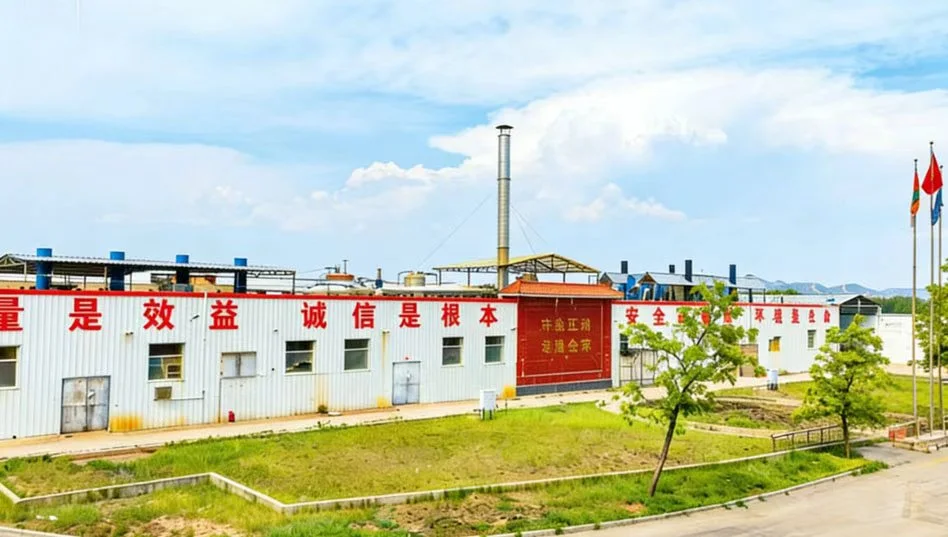
To do shopping right, you need to do more than just buy things; you also need to work with sellers. Brands that have been around for a long time, like those that have been around since the 1980s, know how to handle problems with applications and how goods change over time. Before going with a product on a large scale, operations teams can get samples to try in the field to see how well it works in their own area. People are more likely to trust the supply if they have clear information about when it will be made, how it will be tested for quality, and how it will be shipped. Distributors that serve local markets have flexible inventory and quick customer service. This, along with direct ties to producers, makes sure that there is a full supply chain.
Conclusion
That chloride deicers were switched to potassium acetate shows that taking care of the earth and running a business well don't have to be at odds with each other. This material breaks down naturally, works better in high or low temperatures, and protects buildings and animals from the damage that normal salt treatments do over time. Procurement professionals work with airports, highway departments, and environmentally sensitive places. They find that acetate options meet all the rules, keep promises to be environmentally friendly, and handle long-term costs all at the same time. Before you apply something, you should think about the best ways to do it, the standards for quality providers, and any site-specific external factors. Being careful about how you use it will help you get the most out of it.
FAQ
How Does Potassium Acetate Compare to Rock Salt for Environmental Safety?
Chloride salts stay in the earth and water forever, but potassium acetate breaks down in just a few weeks. Acid-base mixes are good for plants and sea life, but salt is bad for ecosystems because it builds up harmful chemicals and stresses out living things.
Does It Work Effectively in Extreme Cold Conditions?
It is much colder for sodium chloride to work at -9°C (15°F), but deicing solid potassium acetate can still do its job at -30°C (-22°F). When it gets in contact with ice, the exothermic breakdown makes heat, which speeds up the melting process even when other things fail in the cold winter weather.
What Safety Measures Are Required for Handling This Chemical?
When you need to touch people, standard safety gear like gloves and eye protection is enough. Keep things separate from things that don't belong with them in dry, airy places. The material doesn't pose as many health risks as harsh alternatives, but it's still best to clean well.
Partner with Zhaoyi Chemical for Sustainable Deicing Solutions
For more than thirty years, Zhaoyi Chemical has been making specialty acetate. They can help businesses that need reliable, eco-friendly ways to maintain their buildings in the winter. Up to 150,000 tons of deicing solid potassium acetate can be made by our source every year. It is certified by ISO 9001, ISO 14001, and ISO 45001 to ensure stable quality and long-term operations. We keep smart shipping relationships that get goods to your operations when they need them because we know how important it is to be ready for winter at the right time. Our expert team gives you application help that is based on how your application works and what your infrastructure needs are. You can get in touch with our buyers at sxzy@sxzhaoyi.com to do business with us, get product samples to test in the field, or get full technical specs. Let us help you move to deicing tools that use acetate. These are better for the environment, safer for infrastructure, and work reliably in harsh winter weather.
References
1. Shi, X., Fay, L., Peterson, M. M., Berry, M., & Mooney, M. (2011). A FHWA pooled fund study: testing of deicing and anti-icing products in North America. Journal of Testing and Evaluation, 39(5), 1-14.
2. Fay, L., & Shi, X. (2012). Environmental impacts of chemicals for snow and ice control: State of the knowledge. Water, Air, & Soil Pollution, 223(5), 2751-2770.
3. Ramakrishna, D. M., & Viraraghavan, T. (2005). Environmental impact of chemical deicers: A review. Water, Air, and Soil Pollution, 166(1), 49-63.
4. Findlay, S. E., & Kelly, V. R. (2011). Emerging indirect and long-term road salt effects on ecosystems. Annals of the New York Academy of Sciences, 1223(1), 58-68.
5. Engelberg, D. L., Newman, R. C., & Cocks, A. C. F. (2011). The influence of potassium acetate runway de-icer on corrosion processes. Corrosion Engineering, Science and Technology, 46(4), 449-456.
6. Corsi, S. R., Graczyk, D. J., Geis, S. W., Booth, N. L., & Richards, K. D. (2010). A fresh look at road salt: aquatic toxicity and water-quality impacts on local, regional, and national scales. Environmental Science & Technology, 44(19), 7376-7382.

USER EVALUATE
Here is the customer's evaluation of us