



Potassium Acetate: Chemical Properties, Production Methods and Medicinal Uses
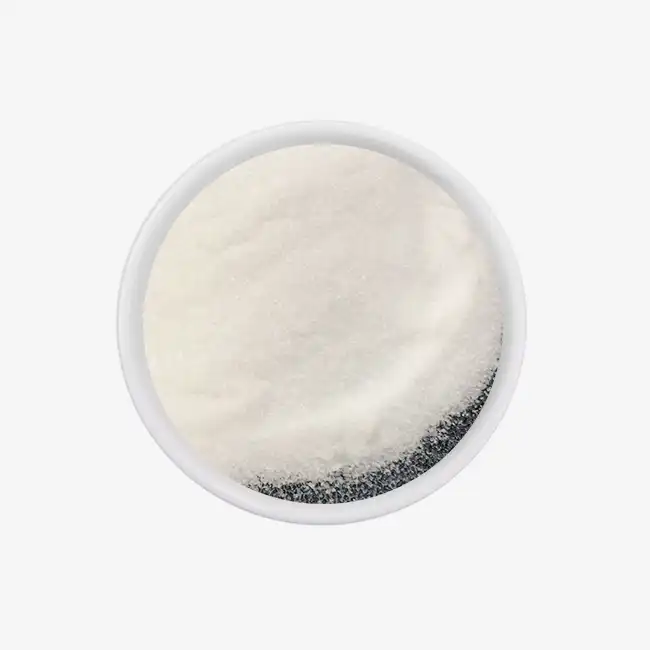
Pharmaceutical grade solid potassium acetate is a chemical that is used to make many current drugs. It's known for being very clean and having high standards of quality. A white crystalline salt called CH3COOK is very important for many reasons. It can be used in hospitals instead of electrolytes and helps medicines work better. Material that is used in pharmaceuticals is cleaned very well to get rid of heavy metals, salt contaminants, and organic impurities that could be bad for patients or make drugs less effective. Technical-grade materials, on the other hand, are used to melt ice or speed up chemical reactions in factories. If purchasing managers and formulation scientists know how it works chemically, how to make it, and how it can be used in medicine, they can choose where to get it in a way that follows the rules and keeps things going smoothly.

Understanding Pharmaceutical Grade Potassium Acetate: Chemical Properties and Purity Standards
Potassium acetate is used in medicine. Learn about its chemical properties and quality standards.
Potassium acetate has a simple structure, but it has a hard job to do in the pharmaceutical process. There are 98.14 molecules in this group, and their formula is CH3COOK. It breaks down easily in water, alcohol, and acidic liquids, so it can be used in many dose forms. Material used in pharmaceutical grade solid potassium acetate is different from material used in industry because it has to meet strict quality standards set by international guides.
Core Chemical Characteristics Impacting Formulation
Potassium acetate is hygroscopic, which means it can easily take in water from the air. In other words, it needs to be kept in a controlled space. Its water-based treatments keep the pH level between 7.5 and 9.0, which is important for stabilizing active pharmaceutical ingredients that are affected by changes in pH. The substance's crystalline structure makes sure that the particle sizes are spread out evenly, which directly impacts how quickly injectable formulations dissolve. Getting it mixed with water turns it into potassium cations and acetate anions. The body then turns the acetate anions into bicarbonate. It doesn't add too many chloride ions, which could make hyperchloremic acidosis worse, so it's a good general alkalizer.
When making new medicines, the solubility profile is very helpful. At room temperature, it dissolves quickly in water and doesn't leave behind any residue that could get in the way of filter screens while their making is going on. When making a lot of parenterals, this trait is very important because tiny particles can be very harmful.
Regulatory Compliance and Purity Benchmarks
Both the USP and the EP, BP, and JP have the same rules for goods that are used in medicine. There are strict rules about what materials can be used in medicine and what materials can be used in business. For content study, the sample needs to be at least 99.0% clean, with no more than 0.0005% heavy metals (most likely lead). Chloride contamination must stay below 0.01% to protect goods from interference from other ions. Oxidation-sensitive drugs can't break down when iron levels are below 0.0003%. This is especially important for protein treatments and vaccines.
Concerns about safety mean that arsenic levels must be kept below 0.0001% in goods that people will use. Microbiological standards say that pathogenic organisms should not be present. It is important that the total number of live aerobic cells is less than 100 CFU/g and that there are no Escherichia coli or Salmonella species present. A lot of the responsibility for making sure quality falls on the people who make things because of these standards.
Storage Requirements and Stability Considerations
Products stay in line with pharmacopeial standards and last longer if they are stored correctly. Keep things in dry, well-ventilated rooms with a relative humidity below 60% to keep them from absorbing too much water. The product is very stable in normal settings, but if the temperature is kept between 15°C and 25°C, thermal degradation stops. Cross-contamination that could damage the structure of a lot can be avoided by keeping it away from things that don't go with it, like dangerous and strong oxidizers.
Things stay dry while being shipped in 25 kg braided plastic bags or 1000 kg ton-bags with multi-ply LDPE liners and desiccant interlayers. When you handle things carefully, you keep them from getting mechanical damage that could let particles in. Loss on Drying (LOD) study is used to regularly check the water content of products to make sure they meet the standards, which usually mean keeping the water content below 0.1%.
Production Methods of Pharmaceutical Grade Potassium Acetate
To make materials that are safe for use as pharmaceutical grade solid potassium acetate, you need to use exact science and strict quality controls. Good Manufacturing Practice (GMP) rules must be followed at every step of the production process to make sure that every batch is the same. This is done to balance return efficiency with purity.
Synthesis Routes and Purification Techniques
There are two main ways that the chemical is made: glacial acetic acid and either potassium hydroxide or potassium carbonate will neutralize each other. It's important to keep the temperature just right for this exothermic process to happen, so the organic parts don't brown and add color and impurities. Stoichiometric balance is kept by checking the pH level to make sure the process is finished. This way, there is no extra soda or acid that would be against the rules.
It goes through a number of steps to make it better after it is dissolved. Aromatics and chemical dyes that are in small amounts can be removed by activated carbon cleaning. Precision screening through sub-micron screens gets rid of particles and leftovers that can't be dissolved. When concentrated liquids are used to make crystals, the crystals are uniform and have the best range of particle sizes. The crystals are separated from the mother liquid by centrifugation. Next, small amounts of cold, clean water are used to wash the crystals and remove any impurities that stick to the surface. This is done without losing too much of the product. When the final drying is done in controlled-atmosphere tanks, the amount of wetness is lowered to a certain point and rusting stops.
Ion exchange resins are used in other ways of making things to get rid of metallic impurities and get to the very low levels of heavy metals needed for medical uses. This method is great for getting the amounts of iron, lead, and arsenic below the point where regular testing methods can find them.
Quality Control Protocols During Manufacturing
Since its founding in 1988, Shanxi Zhaoyi Chemical has been making chemicals for more than 30 years. Its internal control standards are higher than foreign standards, which shows how experienced the company is. Tracking an in-process item starts with making sure the raw materials are good. All new sources of acetic acid and potassium are fully tested before they can be used in production. After neutralization, keeping an eye on the pH in real time makes sure the reaction is complete. Also, keeping an eye on the temperature makes sure the process parameters stay within the acceptable ranges.
Important quality traits are checked at several stages of production. Organic toxins are found and measured using High-Performance Liquid Chromatography (HPLC). This makes sure that the amounts don't go over the limits set by medicinal standards. Through Inductively Coupled Plasma Mass Spectrometry (ICP-MS), it is possible to find heavy metals to within parts per billion, which shows that strict pollution limits have been met. Using argentometric methods to check for chloride makes sure that standards are met, and titration methods to check for potassium acetate content. Testing for microbes in between steps stops the spread of contamination, and keeping an eye on the environment during the last step of packing proves that the clean room conditions were met.
Compliance Certification and GMP Adherence
You need to be approved by a well-known testing group in order to get the pharmaceutical-grade marking. Shanxi Zhaoyi Chemical still has its ISO 9001 quality management certification, which shows that it controls its processes in an organized way and helps it grow. When a company gets the ISO 14001 environmental certification, it means they are committed to using sustainable business methods, like cutting down on waste and making better use of energy. ISO 45001 sets rules for health and safety at work that keep places of work clean and safe for workers.
Markets get bigger when food has religious labels like KOSHER and HALAL on it, especially when the food is going to be sold all over the world. To keep these certificates, the ways they are made must be checked often to make sure they meet religious standards. This is another way to check the process. Customers who come to the workplace to check it out are welcome. This builds trust in the buying process. Some of the papers that are sent with every package are Certificates of Analysis (COA), Material Safety Data Sheets (MSDS), and records of the production of each batch. In the markets where the things are going, these are used to back up formal papers.
Medicinal Uses and Benefits of Pharmaceutical Grade Potassium Acetate
Pharmaceutical grade solid potassium acetate is used in clinical settings because of the unique way it provides potassium and makes the body's processes more alkaline. When buying teams understand how these medicines work, they can see that there is more value than just the price of basic chemicals.
Electrolyte Replenishment and Systemic Alkalinization
Millions of people around the world have hypokalemia, which means they have low potassium in their blood. It can happen if you take drugs, lose stomach juice, or don't eat enough. This imbalance is fixed by potassium acetate, which also fixes the acidity of the metabolism. The liver turns acetate ions into bicarbonate when they are given to it. Plus, it gets rid of extra hydrogen ions without adding chloride, which could make things more acidic. For people who have trouble with acid and base, it is better than potassium chloride because it works in two ways.
The material is important in medicine because it is used to focus hemodialysis. Dialysate treatments need to have the right amount of potassium to keep heartbeats from happening during treatment. Potassium acetate gives things the ions they need and keeps the amounts of conductivity in a healthy range. Other potassium sources can cause hyperchloremic problems, but this one doesn't. This makes it easier for patients to handle and improves the results of treatment.
Buffering Applications in Drug Formulation
What medicines can last longer and work better depend on how stable their pH is. When the pH level changes, beta-lactam medicines, which are related to penicillin, break down. If you break them down in a climate that is very acidic or very basic, they stop working. The pH levels are kept in the right range by potassium acetate buffers. This keeps the product solid and makes sure it works as a medicine for as long as it says it will.
A lot of the parts in parental feeding recipes work together, which makes buffering problems more difficult. It is important that vitamins, amino acids, fats, and salts can all mix together in a fluid without breaking down or clumping together. Potassium acetate helps buffering and gives you the potassium you need, which makes composition easier and lowers the risk of conflict. Particles can't form in highly concentrated solutions because of high solubility. This is very important for patient safety when used intravenously.
Advantages Over Alternative Potassium Salts
Potassium acetate is better for your health than potassium chloride in many ways. People with kidney problems may take in chloride ions from potassium chloride, which can cause metabolic acidosis that is too high in chloride. If you break down acetate into bicarbonate, you stop acidity from getting worse. Because of this molecular difference, potassium acetate is the best choice when acid-base balance needs to be carefully set in critical care.
Acetate dissolves better in water and alcohol than potassium citrate, which means you can use it in more recipes. Most of the time, making acetate doesn't cost much, so a lot of it can be used without breaking the bank. Clinical tests have shown that this potassium salt is just as bioavailable as other potassium salts, if not more bioavailable. This makes sure that the goals of care are always met.
Conclusion
Pharmaceutical grade solid potassium acetate is used in a lot of different ways to make medicines and put them together. Because it provides electrolytes, works as a buffer, and makes the metabolism more acidic, it can meet therapeutic needs that other molecules can't. You need to understand how chemical properties, production methods, quality standards, and source skills all fit together if you want to be good at sourcing. Businesses make it easy to get high-quality materials that support legal compliance and medicinal greatness by taking the time to find qualified suppliers, write specs, and form partnerships. The pharmaceutical business is always changing, so smart buyers who balance short-term cost worries with long-term supply chain stability will be paid.
Frequently Asked Questions About Pharmaceutical Grade Potassium Acetate
What distinguishes pharmaceutical grade from industrial grade potassium acetate?
pharmaceutical grade solid potassium acetate is ≥99.0% pure, with less than 0.0005% heavy metals and less than 0.01% salt. Also, it has to pass strict tests for microbes. Industrial grades are normally between 95% and 98% pure and have less strict limits on pollution. This means they can't be used to make medicines that are injected or taken by mouth, since any impurities could make the drug unsafe or the mixture unstable.
How should pharmaceutical solid potassium acetate be stored to maintain quality?
Keep in dry, well-ventilated rooms that are 15 to 25°C (59 to 60%). Wrap it in something that keeps wetness out and has desiccants in it. Separate strong oxidizers from chemicals that are bad for you. The amount of wetness must stay below 0.1% at all times so that the product meets all regulations during its entire shelf life.
Can potassium acetate and sodium acetate be used interchangeably in formulations?
Most of the time, no. Which one you pick depends on whether you need extra potassium. Because it gives off potassium ions and makes the body more alkaline, potassium acetate is a good way to treat low potassium levels. Sodium acetate can be used to make something more alkaline without adding potassium. Based on how well they breakdown different materials, different organic solvents may also be used in different process steps.
What certifications should I verify when qualifying a pharmaceutical grade supplier?
Making sure that the current GMP compliance, ISO 9001 quality management, and any religious licenses (KOSHER, HALAL) are still good is important if you need to. Check out up-to-date Certificates of Analysis (COA), information on safety, and tools that help with regulations, like Drug Master Files (DMFs). Factory checks, along with paper certificates, show that real production methods are being used.
Partner with Zhaoyi Chemical for Reliable Pharmaceutical Grade Solid Potassium Acetate Supply
Shanxi Zhaoyi Chemical is a dependable company that makes pharmaceutical grade solid potassium acetate. They have been making acetate for more than 35 years. Our annual capacity of 150,000 tons makes sure that there is a steady supply, even if the market changes. A lot of certificates, like ISO 9001, KOSHER, and HALAL, show that we care about quality and following the rules. Every batch is at least 99.0% pure, and the amount of heavy metals is kept below 0.0005%. It's up to the standards set by the USP, EP, BP, and JP pharmacopeias, which keeps your recipes and regulatory reports safe. We offer all the paperwork you need, like COA reports and stability data, as well as expert support that is made for medicinal uses only. You can get samples, talk about the terms of getting pharmaceutical grade solid potassium acetate in bulk, or set up a facility check by emailing our team at sxzy@sxzhaoyi.com.
References
1. United States Pharmacopeia. "Potassium Acetate Monograph." USP-NF 2023, United States Pharmacopeial Convention, Rockville, MD.
2. European Pharmacopoeia Commission. "Potassium Acetate: Quality Standards and Testing Procedures." European Pharmacopoeia 10th Edition, Council of Europe, Strasbourg, France, 2022.
3. Chen, L. and Wang, M. "Electrolyte Replacement Therapy: Comparative Efficacy of Potassium Salts in Clinical Practice." Journal of Clinical Pharmacy and Therapeutics, vol. 48, no. 3, 2021, pp. 312-324.
4. Industrial Minerals Association. "Acetate Salts: Production Technologies and Quality Control in Pharmaceutical Manufacturing." Technical Report Series, IMA Publishers, London, 2022.
5. Patel, R. and Thompson, K. "Buffering Agents in Pharmaceutical Formulations: Stability Enhancement Mechanisms." International Journal of Pharmaceutics, vol. 597, 2021, pp. 120-135.
6. American Society of Health-System Pharmacists. "Potassium Acetate Injectable Solutions: Clinical Applications and Safety Considerations." ASHP Pharmaceutical Compounding Guidelines, Bethesda, MD, 2023.

USER EVALUATE
Here is the customer's evaluation of us