



Identifying the Fundamental Mechanisms of Potassium Acetate Deicer on Runways
People who are in charge of winter operations at airports need to know how deicing solid potassium acetate works on the runways as well as people who are just interested in it. This chemical is made of acetate and lowers the freezing point. This breaks the molecule bonds that hold ice to the ground. Potassium acetate is made up of molecules that are structured like CH3COOK and weigh 98.14 grams. Even when it's -30°C outside, it still works well and doesn't hurt live things or flight parts. It quickly dissolves in water because it is made up of white crystals. This causes an exothermic reaction that speeds up melting and stops it from freezing again during important takeoff and landing operations.
Understanding Potassium Acetate as a Deicing Solid
Chemical Composition and Physical Properties
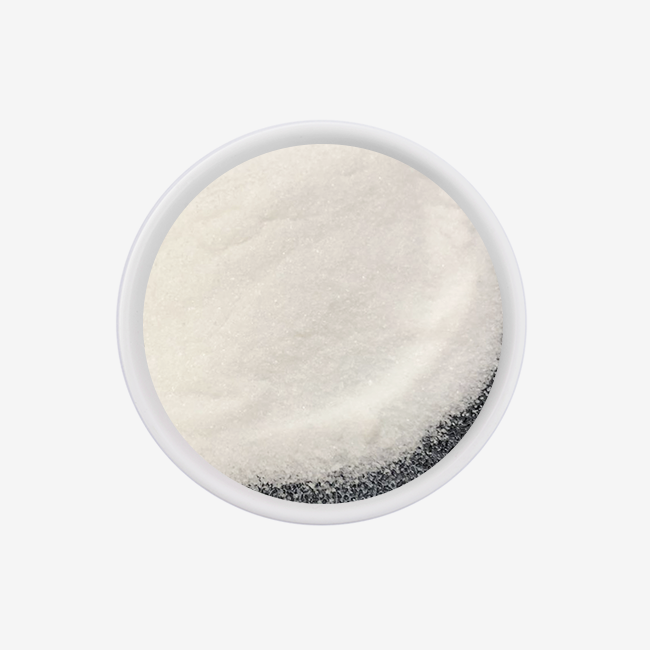
Potassium acetate is a complicated chemical that can help with taking care of ice problems. That stuff has the CAS number 127-08-2 and looks like white solid chunks that are very simple to break down. When you mix it with water, it turns into potassium cations and acetate anions. Ice crystals can't form because of these two parts.
The fact that this material dissolves in water makes it different from others on the market. As well as water, it dissolves quickly in alcohols and acidic liquids. This makes it useful in a lot of different weather situations. It's easy to dissolve, so it works quickly after being used. This is helpful when planes need to take off quickly because of bad weather.
Temperature Performance Range
Activities at the airport need to be able to keep going in a lot of different temperatures. The coldest that potassium acetate can work is -30°C (-22°F), which is a lot colder than the coldest that sodium chloride can work, which is -10°C. This wider temperature range is very important for airports in the north, where it often gets below the freezing point of deicers in the winter.
In the lab, the compound's eutectic point is around -60°C. This is the coldest temperature at which it will still work. Real-world applications can safely melt ice down to -30°C when used in the field. This gives people a large safety window during severe weather events.
Safety Profile and Handling Characteristics
When you work in flight, safety is always the most important thing. Formulations that contain potassium acetate are safe to use with airplane parts and materials because they follow the rules set out in SAE AMS 1431. Modern jets are often made of aluminum metals, carbon brake systems, and cadmium-plated parts, none of which are damaged by the compound.
It takes water from the air because the chemical is hygroscopic. When you treat it right, you need to keep this in mind. Storage areas need to have dry, well-ventilated air to keep goods from caking and to keep their shape. The rules for transportation stress keeping things safe from heat and water. Also, packages need to be moved carefully so they don't get damaged, which could lower the quality of the materials.
The Deicing Mechanism of Potassium Acetate on Runways
Freezing Point Depression Fundamentals
Potassium acetate mostly works because of its colligative properties, which depend on how many particles are present rather than what kind of chemical they are. More particles are in solution when the material is mixed with water. This makes it harder for ice crystals to form in a straight line.
Water molecules normally organize into hexagonal crystalline structures at 0°C. Introducing potassium and acetate ions interferes with this organization, requiring lower temperatures to achieve the energy state necessary for freezing. This depression of the freezing point prevents new ice formation and destabilizes existing ice bonds.
Exothermic Dissolution Process
When things around them get hot, endothermic deicers take it in. But potassium acetate gives off heat when it dissolves. This reaction gives off heat that speeds up the melting process. When the material is used, this gives it an immediate mechanical advantage. Getting rid of the heat helps cut through thick layers of ice and breaks the bond between ice and pavement surfaces.
The exothermic nature provides particular value during extremely cold conditions when conventional deicers struggle to initiate melting. The self-generated heat jumpstarts the deicing action, reducing the time required to clear runways for safe aircraft operations.
Penetration and Undercutting Action
You have to do more than just melt the top of the ice to clear the route. The acetate solution mixes with the molecules and capillaries to get under the ice, creating a wet layer between the ice and the ground. By cutting the glue link down, this method makes it weaker, which makes it easier for machines to remove ice sheets.
The white crystalline granules maintain optimal size distribution to maximize surface contact while minimizing bounce and scatter during application. Particle engineering ensures even distribution across runway surfaces, preventing concentration in low spots while maintaining coverage on crowned sections designed for water drainage.
Corrosion Inhibition Technology
Advanced formulations incorporate specific corrosion inhibitors that protect infrastructure materials. These additives form protective molecular layers on metal surfaces, preventing the oxidation reactions that cause structural degradation. The inhibition technology extends the service life of runway lighting systems, drainage grates, and aircraft ground support equipment exposed to deicing agents.
Comparative Analysis: Potassium Acetate vs. Alternative Deicers
Performance Against Sodium Chloride
It is still the cheapest way to melt snow and ice, but sodium chloride is very bad for you. When temperatures drop below -10°C, rock salt stops working. This makes things even more risky. Ions of chlorine break down steel that holds concrete buildings very quickly. They also break down car wheels and flight parts more quickly.
Potassium acetate truly stops rusting caused by chloride and works better at higher temperatures. When an airport is close to water, it doesn't do much damage to the environment because the acetate molecules break down quickly and don't build up dangerous amounts of chloride in groundwater and surface trash.
Comparison with Calcium Chloride
Calcium chloride will still work up to about -25°C, but not as well as sodium chloride at low temperatures. But the material gives off a lot of exothermic heat, which can damage concrete by shocking the surface with heat. Rapid changes in temperature make the surface scratch and break down old concrete faster.
The calcium ions also contribute to concrete degradation through chemical reactions with cement paste. Potassium acetate avoids these destructive mechanisms while providing similar or superior temperature performance without infrastructure damage.
Evaluation Against Urea Formulations
Aviation facilities historically employed urea due to its perceived mildness toward aircraft materials. However, environmental concerns have driven regulatory restrictions on urea application. The compound releases ammonia during decomposition, contributing to air quality problems. Nitrogen loading from urea runoff causes eutrophication in receiving waters, triggering algal blooms and oxygen depletion.
Urea effectiveness drops dramatically below -7°C, limiting utility during severe weather events. Potassium acetate addresses environmental concerns while extending operational temperature range, providing a technically superior alternative that meets modern sustainability standards.
Total Cost of Ownership Considerations
While initial purchase prices vary among deicing agents, comprehensive cost analysis must incorporate infrastructure maintenance, environmental compliance, and operational efficiency factors. Corrosive deicers impose hidden costs through accelerated equipment replacement, concrete repairs, and vehicle maintenance expenses.
Potassium acetate's non-corrosive formulation reduces long-term infrastructure spending. Aviation authorities recognize that protecting expensive runway surfaces, lighting systems, and aircraft components justifies premium pricing for protective deicing technology. The extended service life of treated surfaces delivers financial returns that offset higher material acquisition costs.

Procurement Insights for B2B Clients: Selecting and Sourcing Potassium Acetate Deicer
Certification and Quality Standards
Procurement specifications must emphasize relevant certifications and quality benchmarks. Aviation-grade potassium acetate requires SAE AMS 1431 certification, verifying compatibility with aircraft materials and systems. Industrial applications may accept different quality tiers, but aviation use demands rigorous purity standards.
Reputable manufacturers maintain ISO 9001 quality management systems, ISO 14001 environmental certifications, and ISO 45001 occupational health standards. These certifications demonstrate systematic approaches to product consistency, environmental stewardship, and workplace safety. Additional Kosher and Halal certifications support specialized application requirements in certain markets.
Product Grade Specifications
Technical specifications establish performance expectations and enable supplier comparisons. Aviation procurement should verify CH3COOK content exceeding 99%, with water-insoluble substances below 0.05% and chloride contamination under 0.2%. Iron content specifications typically limit Fe to 0.05% maximum, preventing discoloration and maintaining product aesthetics.
Material Safety Data Sheets provide essential information regarding handling, storage, and emergency response procedures. Procurement teams should request MSDS documentation before finalizing supplier agreements, ensuring compatibility with existing safety protocols and facility capabilities.
Supply Chain Reliability Factors
Winter weather creates predictable seasonal demand surges for deicing materials. Procurement strategies must account for lead time requirements, inventory capacity, and delivery logistics. Suppliers with established international shipping relationships offer competitive freight rates and reliable delivery schedules across global markets.
Production capacity represents another critical evaluation criterion. Facilities with annual capacity exceeding 150,000 tons demonstrate scale sufficient to support large airport operations without allocation concerns during peak demand periods. Flexible production lines indicate supplier capability to adjust formulations or packaging configurations to meet specific customer requirements.
Packaging and Storage Infrastructure
Standard packaging options include 25kg plastic woven bags for convenient handling and 1000kg ton bags for bulk applications. Custom packaging arrangements accommodate unique operational requirements or storage limitations. The hygroscopic nature of potassium acetate necessitates moisture-proof packaging to maintain product quality during transportation and storage.
Facility planning must incorporate dry, well-ventilated storage areas separated from incompatible substances. Procurement teams should assess warehouse capabilities before committing to bulk purchases, ensuring adequate environmental controls prevent caking and preserve product effectiveness throughout the storage period.
Future Outlook and Innovations in Potassium Acetate Deicing Technology
Advanced Formulation Development
Chemical manufacturers continue refining acetate formulations to enhance performance characteristics. Research focuses on optimizing particle size distribution, improving flowability, and incorporating advanced corrosion inhibitors. These incremental improvements deliver measurable benefits in application efficiency and material performance.
Combination products integrating solid potassium acetate with liquid formulations enable "pre-wetting" techniques that reduce particle bounce during spreading. The liquid component activates immediately upon contact with frozen surfaces, while solid particles provide sustained deicing action. This dual-phase approach maximizes coverage efficiency and reduces overall material consumption.
Environmental Compliance Evolution
Regulatory frameworks continue tightening restrictions on deicer environmental impacts. Aviation facilities face increasing scrutiny regarding runoff quality, biochemical oxygen demand, and aquatic toxicity. Acetate-based products align with regulatory trends, offering biodegradability and low toxicity profiles that satisfy emerging environmental standards.
Monitoring technologies enable real-time assessment of deicer concentrations in stormwater discharge. Automated systems adjust application rates based on precipitation intensity, temperature conditions, and forecasted weather patterns. These precision application approaches optimize material efficiency while minimizing environmental loading.
Smart Application Technologies
Digital technologies transform deicing operations through sensor integration, predictive analytics, and automated control systems. Pavement temperature sensors, moisture detection arrays, and weather forecasting integration enable proactive application strategies that prevent ice formation rather than reacting to accumulation.
Application equipment incorporates GPS guidance, variable rate controllers, and material tracking systems. These technologies ensure even coverage, eliminate overlaps and gaps, and document treatment locations for quality assurance purposes. Data collection supports continuous improvement initiatives and provides documentation for regulatory compliance reporting.
Sustainability Integration
Airport sustainability commitments drive evaluation of deicing practices within broader environmental management frameworks. LEED certification requirements, carbon footprint reduction goals, and watershed protection initiatives influence product selection criteria. Deicing solid potassium acetate formulations support sustainability objectives through biodegradability, reduced infrastructure damage, and lower life-cycle environmental impacts.
Green infrastructure integration captures and treats deicer-laden runoff through bioretention systems, constructed wetlands, and media filtration. These treatment approaches remove acetate compounds before discharge, protecting receiving water quality while supporting airport environmental stewardship goals.
Conclusion
Airports in cold places have to deal with a lot of problems that the potassium acetate deicing technology fixes. Lowering the freezing point, exothermic dissolving, and penetrating action are some of the chemical processes that make the combination work reliably down to -30°C without the damage to the environment or rust that comes with regular chloride products.
Procurement professionals benefit from understanding these fundamental mechanisms when evaluating suppliers, establishing specifications, and justifying investment in premium deicing materials. The total cost of ownership perspective reveals that acetate-based deicers are often better choices than what might seem like cheaper options. This is because they protect infrastructure, are better for the environment, and make sure that operations run smoothly.
Aviation safety depends on consistent, effective winter maintenance operations. Potassium acetate formulations provide the technical performance and environmental responsibility demanded by modern airport operations, supporting safe flight operations while protecting valuable infrastructure assets.
FAQ
How quickly does potassium acetate begin melting ice compared to rock salt?
As soon as potassium acetate is put on ice, it starts to melt because it dissolves in hot air. That thing gives off heat as it dissolves, which speeds up the melting process. The rock salt takes longer to work when the temperature is close to -10°C, which is when it freezes. When you don't have much time between plane moves, the quick motion comes in handy.
Does potassium acetate damage concrete runway surfaces?
Good potassium acetate formulas don't change the concrete much when used as directed by the maker. Acetate mixtures don't react chemically with sidewalk materials like sodium chloride or calcium chloride do. Calcium chloride causes heat shock that breaks up concrete surfaces, while sodium chloride reacts with cement compounds. Making sure the concrete is properly finished, dried, and sucked up with air keeps surfaces safe while they are being de-iced.
What environmental advantages does potassium acetate offer over urea?
Acetate compounds biodegrade without releasing ammonia or contributing excessive nitrogen loads to receiving waters. Urea breaks down into ammonia and nitrogen compounds that promote eutrophication and algal blooms. Potassium acetate exhibits significantly lower biochemical oxygen demand and marine toxicity, supporting compliance with increasingly stringent environmental regulations governing airport stormwater discharge.
Partner with Zhaoyi Chemical for Your Deicing Solid Potassium Acetate Needs
Zhaoyi Chemical brings over thirty years of manufacturing expertise to the production of aviation-grade acetate deicing compounds. As a specialized deicing solid potassium acetate manufacturer, we maintain strict quality control through ISO 9001, ISO 14001, and ISO 45001 certified processes, ensuring every batch meets SAE AMS 1431 standards with CH3COOK content exceeding 99%. Our 150,000-ton annual production capacity supports bulk procurement requirements for airports, municipal authorities, and infrastructure maintenance contractors throughout North America and beyond.
We understand the critical nature of winter operations and provide comprehensive technical support alongside reliable logistics networks. Contact our team at sxzy@sxzhaoyi.com to discuss your specific requirements, request detailed product specifications, or arrange sample testing for your facility's evaluation process.
References
1. Shi, X., Akin, M., Pan, T., Fay, L., Liu, Y., & Yang, Z. (2009). "Deicer Impacts on Pavement Materials: Introduction and Recent Developments." The Open Civil Engineering Journal, 3, 16-27.
2. Fay, L., & Shi, X. (2012). "Environmental Impacts of Chemicals for Snow and Ice Control: State of the Knowledge." Water, Air, & Soil Pollution, 223(5), 2751-2770.
3. Williams, D.J., Anderson, J.L., & Henderson, J.E. (2000). "Evaluation of Environmentally Benign Deicing Agents for Airport Runways." Transportation Research Record, 1716, 19-28.
4. Levelton Engineering Ltd. (2007). "Guidelines for the Selection of Snow and Ice Control Materials to Mitigate Environmental Impacts." National Cooperative Highway Research Program Report 577.
5. Akin, M., & Shi, X. (2012). "Development of Standard Laboratory Testing Procedures to Evaluate the Performance of Deicing Chemicals." Journal of Testing and Evaluation, 40(7), 1-11.
6. Nixon, W.A., & Williams, D.J. (2001). "A Guide for Selecting Anti-Icing Chemicals." Transportation Research Board NCHRP Project 6-13 Final Report.

USER EVALUATE
Here is the customer's evaluation of us