



How to Make Potassium Acetate: A Comprehensive Guide
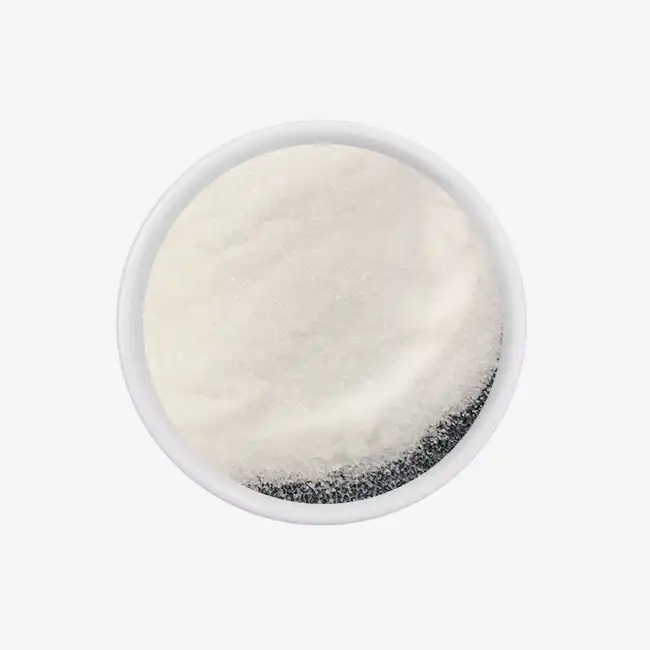
Potassium acetate is typically produced by reacting acetic acid with potassium hydroxide or potassium carbonate. The resulting solution is then purified and crystallized to obtain solid industrial-grade potassium acetate (CH₃COOK). It is a white solid with a molecular weight of 98.14. The compound is widely used in pharmaceuticals, drilling fluids, and de-icing applications. To meet diverse industry requirements—from aircraft de-icers to pharmaceutical buffers—large-scale production requires precise temperature control, high purity levels (typically above 98% depending on application), and consistent product quality.
Understanding Industrial Solid Potassium Acetate
What Defines This Versatile Chemical Compound
Potassium acetate is an organic salt that is very easy to break down. When acetic acid combines with alkalis that are based on potassium, it is made. It was made of hygroscopic white crystals that dissolve very quickly—about 253 grams for every 100 milliliters of water at room temperature. Because of this, it works great for making brines with a lot of salt and wet combinations that lower the freezing point.
An acetate anion is connected to a potassium cation in the chemical structure (CH3COOK). So, this gives both the health benefits of potassium in farming and the stabilizing power of acetate groups in chemistry. If you mix this substance with water, it stays in a normal to slightly alkaline pH range (7.5 to 9.0), unlike chloride-based choices. In this way, metal surfaces and concrete buildings don't rust.
Key Physical and Chemical Properties
Materials made for industry are very strong against heat and can handle temperatures as high as 292°C without breaking. Because it is strong, it can be used to make chemicals at high temperatures and as a polyurethane catalyst when reaction speeds need to be stable. The substance is deliquescent, which means it takes in water from the air and turns into a liquid. It needs special packing that keeps water out while it is being kept and shipped.
Most quality standards say that the amount of chloride must be less than 0.2% and the amount of iron impurities must be less than 0.05%. So, they don't get in the way of important uses like medicine and food storage. The item breaks down quickly in water, alcohol, and acidic environments, so it can be used in many industrial processes without needing to fuss over getting ready.
Primary Industrial Applications
As an extra carbon source for bacterial denitrification, potassium acetate is added to wastewater treatment plants in cities. This helps the bacteria use carbon while they get rid of nitrogen. The chemical is better for the earth than man-made carbon sources because it breaks down naturally. This makes regulators less worried about the waste's quality.
In temperatures as low as -60°C, acetate-based de-icers work well and don't damage infrastructure like normal road salts do. This means they can be used on airport landings. These environmentally friendly choices are being asked for more and more by highway repair companies for bridge decks and sensitive ecological zones where chloride waste could hurt marine ecosystems.
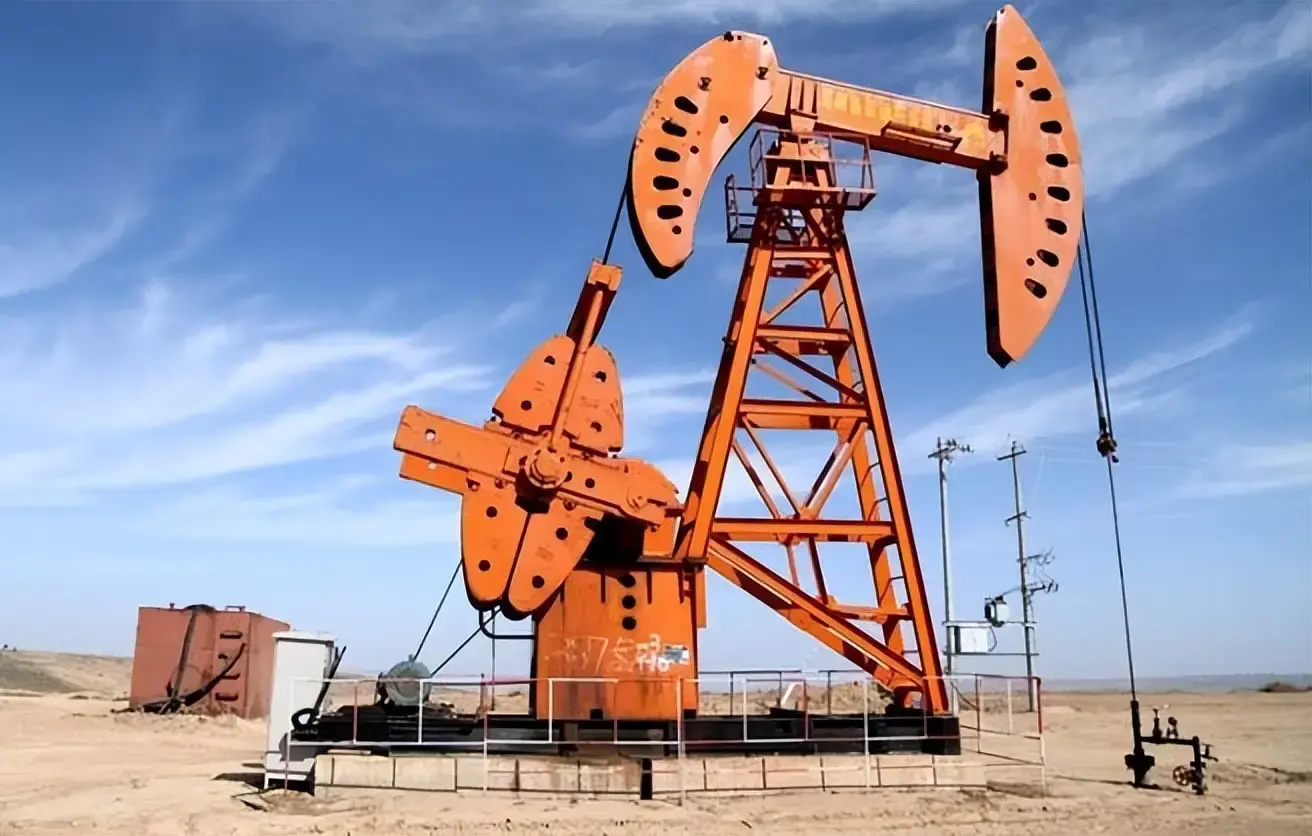
Oilfield service companies add the material to drilling fluids to help keep layers of unstable shale stable. Although potassium ions can move between clay lattice structures, they can't make them grow or shrink while digging. These types need to be very pure so that the mass of the fluid stays the same and no impurities are added that could make the tank less permeable.
Comparison With Sodium and Calcium Acetate
Sodium acetate is less expensive, but it doesn't stop the formation of rock, which is needed for digging. About the same amount of acetone and calcium acetate can melt ice. However, calcium acetate makes chemicals that are less water-soluble and can get stuck in spray tools while they are being used. Bases made from potassium dissolve better and can be used in a lot of different industries.
Studies of the environment show that formate salts have a much higher biological oxygen demand (BOD) than acetate salts. In other words, they hurt sea life less in runoff water. People are more likely to follow the rules when they use products made from acetate near protected areas or sensitive bodies of water.
Safety and Environmental Considerations
Industrial solid potassium acetate should be kept in dry, well-ventilated places where the relative humidity stays below 50% so they don't become hard. Multi-layer polyethylene and polypropylene bags are good at keeping wetness out, and they come with desiccant packets so they can be kept for more than a year. Palletizing rules say that you shouldn't stack things too high so that they don't stick together from the weight.
If the product is handled according to normal chemical safety rules, it doesn't pose many risks of being hazardous. Physical containment and cleaning are used to clean up a spill instead of chemicals because the material itself doesn't pose a major threat to land or water. To stop reactions from happening, keep things away from strong oxidizers and things that don't mix while they're being stored.
The Manufacturing Process of Industrial Solid Potassium Acetate
Raw Material Selection and Preparation
Get technical-grade potassium hydroxide or potassium carbonate and high-purity acetic acid, which is generally found in amounts of 80 to 99%. This is the first thing you need to make something. When sellers get raw materials, they look at the papers to see how much heavy metal is in them and what other kinds of impurities are in them. To keep chlorine and salt levels from going up, people also pay close attention to the quality of the water. Deionized or boiled water is often chosen.
It changes how fast the process goes whether potassium carbonate or potassium hydroxide is used. Hydrogen peroxide processes make more exothermic heat, so they need better cooling devices. Carbonate processes, on the other hand, give off carbon dioxide gas, which needs methods for venting. There are more rules about how to handle energy, but many makers still choose hydroxide ways because they work better.
Chemical Reaction and Neutralization
The temperature of the reaction tanks controls how slowly the acetic acid and potassium soda are mixed while they are being moved all the time. Here is how the process of neutralization works:
CH3COOH + KOH → CH3COOK + H2O
Following the temperature makes sure that exothermic heat transfer keeps the reaction temperatures between 40°C and 60°C. This speeds up the reaction and stops the product from breaking down. When the values stay in the target ranges, which for industrial grades are generally between 7.5 and 9.0, pH tracking shows that the goal has been met.
It is possible to finetune the rate at which chemicals are added in batch reactors. This keeps concentration spikes in one area from happening, which could harm the quality of the end product. They always keep an eye on pH, temperature, and conductivity, and they change things on their own to make sure the reaction conditions are always at their best during production rounds.
Crystallization and Purification Techniques
Vacuum evaporation is used to compress the solution after neutralization. This drops the amount of water to a level that makes crystal formation more likely. The rate of cooling controls how the crystals are spread out in terms of size. Crystals get bigger and more regular as they cool more slowly. This makes them easier to handle and makes less dust when they are packed.
Any mother liquor that is left over is removed by centrifugal separation. The next step is to clean it with cold deionized water to get rid of any dirt on the surface without breaking down the product too much. The moisture level is then lowered to the right level by drying in fluid-bed or spinning dryers. For solid forms that will be kept for a long time, this level is usually less than 2%.
Quality Control and Grade Differentiation
Titration tests are used to find out how much potassium acetate is in each batch. Atomic absorption spectroscopy is used to look for heavy metal traces. Ion chromatography is used to find out how much chloride is present. Pharmaceutical and food-grade goods go through extra microbe testing and chemical impurity screening to make sure they meet rules like the USP and FCC monographs.
Material of a technical grade that can be used to melt ice can handle a few more flaws and still do its job well. Controlling chloride is important for drilling-grade products so that downhole equipment doesn't rust. On the other hand, ultra-low iron content is needed for catalyst-grade products so that polymerization processes don't turn poisonous.
With every package, there is Certificate of Analysis (COA) paper work. Batch numbers links the end product to where the raw materials came from and when they were made, so it's possible to keep track of. This openness helps customer programs that make sure quality and checks that laws are being followed.
Innovations in Production Efficiency
They use closed-loop water recovery systems to get the liquid from the different steps of evaporation and use it again to clean equipment and cool systems. The amount of freshwater used is up to 60% less with this method than with regular open-cycle processes. This meets goals for environmental sustainability.
In more complex crystallization technologies, ultrasonic cavitation and seeds are used to get particles with smaller sizes. It makes the product move better and break down faster. The people who make liquid goods that need regular dissolution kinetics for consistent performance will benefit the most from these new developments.
Power plants and buildings use waste heat from neutralization processes to heat up new feed streams or meet their own heating needs. When put in place at larger production sites, combined heat and power (CHP) systems achieve general heating efficiencies of more than 80%. This means that much less carbon dioxide is released per ton of production.
Best Practices for Handling and Using Industrial Solid Potassium Acetate
Personal Protection and Workplace Safety
Standard methods for handling chemicals say to wear safety glasses, gloves that can handle chemicals, and long-sleeved clothes when moving or measuring potassium acetate. It's not very dangerous, but the dust that is made when it's handled should not be in places with poor air flow so that it doesn't bother the nose and throat.
A big part of spill response methods is using absorbing materials to keep the spill inside the contained area. The recovered item is cleaned up so it can be used for less important tasks. Because the material doesn't respond, it's easier to clean up than with acidic or poisonous chemicals. Surfaces only need to be washed well with water to get rid of leftovers.
In case of exposure, emergency plans should include places to wash your eyes and take a safety shower. However, since the drug is so light, these steps are usually not needed. Material Safety Data Sheets (MSDS) that are put up in places where chemicals are used tell first responders exactly what to do in case of an unusual exposure.
Storage Conditions and Shelf Life Management
The best way to keep goods safe and avoid caking is to keep the temperature in a building between 5°C and 30°C and the relative humidity below 50%. It is not a good idea to put palletized storage on the ground in places that are likely to flood. There should also be enough room between the boxes to let air flow and make it easy to check on things.
FIFO (first-in, first-out) inventory rotation makes sure that old stock is used up before it goes bad, which is the recommended time for holding it. Things will stay stable for more than two years if you store them right. To make sure the quality of the goods, you should test their moisture often before using old stock in important scenarios.
Keeping them away from strong oxidizers, acids, bases, and other things that don't work well with them stops reactions from happening by chance while they're being stored. Tags that are clear and show what's inside, the batch number, and the date of delivery help with tracking and making sure the quality is good.
Application-Specific Usage Tips
De-icing works best when liquid treatments are used to wet the solids first, then they are spread out. This helps the things stay on the ground longer and keeps them from flying around as much. Rates of application are usually between 50 and 150 pounds per lane mile. They depend on how hot or cold the surface is and how much rain there is.
If you add potassium acetate slowly while shaking, it will dissolve fully before you add any other ingredients. This is good for drilling fluid recipes. Concentration optimization finds the best balance between the need to stop the creation of shale, the limits of fluid density, and the cost. The usual amount is between 3 and 8 percent by weight.
It is important to keep a close eye on the pH when adding potassium acetate for chemical production, especially when the acetate is working as a neutralizer or a catalyst. When you introduce something slowly, the percentage doesn't jump in some places, which could lead to side effects or the trigger losing its ability to work.
Common Mistakes to Avoid
The product will melt and be hard to handle if you don't keep it dry enough while it's being stored. If you want to keep opened bags in a damp place for longer than 24 hours, you need to either put moisture-barrier covers back on them or put them in sealed cases.
When used too much in de-icing methods, materials are wasted without being better used. This drives up costs and puts more stress on the earth. The right amount of material is spread based on the weather and the temperature of the ground thanks to spreading tools that are calibrated and workers who are trained.
K+ can form when drilling fluids are mixed with additives that don't work well with each other, or shale protection may not work as well. You can avoid costly business interruptions by following the steps and trying for compatibility that the provider suggests before the full rollout.
Conclusion
Business buyers who know how to make and get good industrial solid potassium acetate can make smart decisions that help their companies run more efficiently and protect the environment. Chemical control and quality assurance must be done very precisely during the production process. When making purchases, it's important to make sure that providers are trustworthy, that they follow the rules for licensing, and that you look at both unit prices and total costs. When you handle and use something the right way, it works better in many settings, from melting snow in towns to digging in the fields. This speeds up the process, saves the equipment, and follows the rules for the environment. It's easy to use in business settings because the material is made by well-known companies that can offer technical help and a steady supply of it.
FAQ
How Does Potassium Acetate Compare to Calcium Chloride for De-icing?
It is cheaper to buy calcium chloride at first, but it eats away at metals, ground, and car parts very quickly. These acidic effects are taken care of by potassium acetate, which is safe for plastics and runway lighting systems. It can also be recycled. When you think about how much it costs to fix infrastructure and how often equipment needs to be updated, acetate options have lower total lifetime costs.
What Storage Precautions Prevent Product Caking?
Potassium acetate is easy to melt, so it needs to be kept for a long time in containers that keep water out and have many layers of plastic covers and desiccant inside. Make sure there is enough air flow in warehouses so that boxes don't get stacked too high and stick together. The humidity should be below 50%.
Can Solid Forms Be Dissolved to Create Liquid Concentrations?
Direct dissolving is a popular way to ship things that are already broken down for less money. Adding water slowly to solid matter while moving it can work with the slightly exothermic dissolving process. This makes the amounts needed for sprays 50% of what they normally are.
What Certifications Should Reliable Suppliers Provide?
You can trust a manufacturer if they have ISO 9001 certification for quality control, ISO 14001 certification for environmental compliance, and approvals for certain uses, like KOSHER and HALAL for food businesses. If you want to use something in medicine, you have to follow the USP standard and have full impurity profiles and bacterial testing records.
Partner With a Trusted Industrial Solid Potassium Acetate Manufacturer
Zhaoyi Chemical has been making acetate for more than 30 years. Each year, they can make 150,000 tons of it at their own production sites. You can also be sure of the quality because they have ISO, KOSHER, and HALAL licenses to back them up. Our industrial solid potassium acetate is always ≥99.0% pure and has a chloride level below 0.2%, so it can be used for de-icing, cutting, and making chemicals. We give you an edge over our competitors by having short production wait times (5-7 days), full technical support, and a variety of packing options, from 25 kg bags to bulk cases. You can talk to our team about your special needs, get full product specs, or get custom quotes by emailing sxzy@sxzhaoy.com. We need to know what you need in order to build a trusting relationship with a provider of industrial solid potassium acetate supplier. Let us show you how our dedication to quality and knowledge of the supply chain can help your business grow.
References
1. American Society for Testing and Materials. (2021). Standard Specification for Potassium Acetate and Sodium Acetate Solid Anti-Icing/Deicing Material. ASTM D7821-21.
2. Environmental Protection Agency. (2019). Environmental Impact Assessment of Deicing Chemical Alternatives for Transportation Infrastructure. EPA Publication 815-R-19-002.
3. Khodja, M., Canselier, J.P., Bergaya, F., Fourar, K., Khodja-Saber, M., Cohaut, N., & Benmounah, A. (2010). Shale Problems and Water-Based Drilling Fluid Optimization in the Hassi Messaoud Algerian Oil Field. Applied Clay Science, 49(4), 383-393.
4. O'Brien, R.D., Stuenkel, D.J., & Wicks, M. (2018). Handbook of Aviation Deicing Materials and Procedures (3rd ed.). Society of Automotive Engineers International.
5. United States Pharmacopeial Convention. (2023). Potassium Acetate Monograph. USP-NF 2023, United States Pharmacopeia 46-National Formulary 41.
6. Zreik, M., & Fitch, M. (2017). Acetate Recovery from Wastewater Using Membrane Technology: A Review. Critical Reviews in Environmental Science and Technology, 47(9), 749-781.

USER EVALUATE
Here is the customer's evaluation of us