



Potassium Acetate: A Key Component in De-Icing Agents
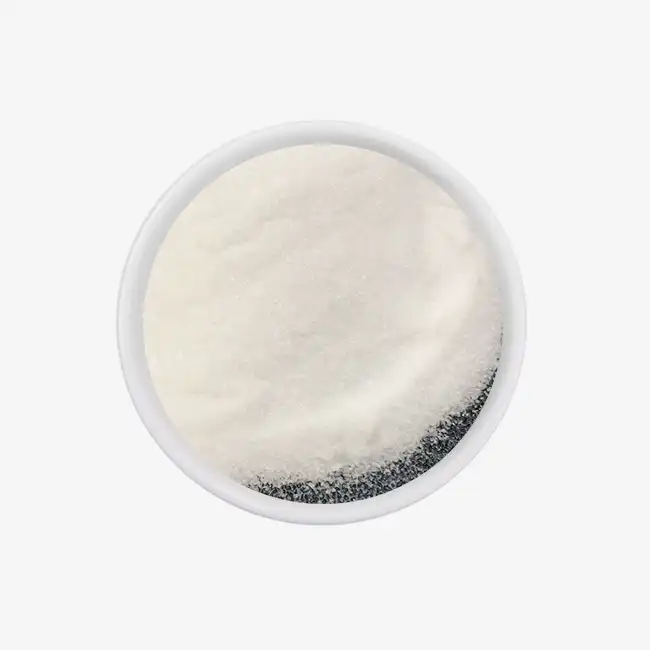
Picking the right deicing option becomes mission-critical when winter storms threaten to stop operations. For runways, highway bridges, and other structures where safety, environmental stewardship, and material protection are all important, deicing solid potassium acetate has become the gold standard. This white, crystalline substance (CH3COOK, CAS NO. 127-08-2) melts ice very well at temperatures as low as -30°C and protects sensitive surfaces from the rust damage that chloride-based alternatives often cause.


Understanding Potassium Acetate as a Deicing Solid
Winter maintenance workers are under more and more pressure to find a mix between environmental responsibility and operating safety. With acetate-based deicers, this problem has become a chance.
The Chemistry Behind Ice Penetration
Potassium acetate works by lowering the freezing point, which breaks the hydrogen bonds that hold ice crystals together. This chemical actively breaks down ice layers through an exothermic process, unlike rock salt that just sits on frozen surfaces. When the white crystals come in touch with water, they dissolve and give off heat. This makes a brine solution that quickly weakens the bond between the ice and the ground. The molecular weight of 98.14 g/mol makes diffusion rates ideal, and the high solubility in water (easily dissolves in water, acidic, and alcoholic solutions) makes activation quick even when it's very cold.
Potassium acetate that has been properly mixed can hit a eutectic point as low as -60°C in the lab, but it can still be used effectively in the field down to -30°C. This temperature limit is much higher than sodium chloride's limit of about -9°C. This means that acetate solutions are essential in places where the Arctic is very cold.
Physical Properties That Matter in Real Operations
When we make deicing solid potassium acetate, we make sure it is at least 99% pure, so it works the same way every time. When kept properly in dry, well-ventilated buildings, the crystalline structure doesn't clump, which is an advantage over hygroscopic alternatives that do clump and lose their effectiveness. The water-insoluble content stays below 0.05%, which means that almost every gram helps melt snow and ice instead of leaving behind waste that needs to be cleaned up.
The alkaline pH range (usually 9–11) acts as a buffer to neutralize acidic conditions on sidewalk surfaces. This provides a defensive benefit beyond just melting ice. The amount of iron stays below 0.05% and the amount of chloride stays below 0.2%. These are important limits for uses near ecosystems and structures that need close tracking for corrosion.
Environmental and Safety Profile
Potassium acetate is liked by environmental and aviation officials because it breaks down easily and doesn't build up in dirt or water. Studies that measure Biological Oxygen Demand (BOD) show that naturally occurring bacteria can break down acetate without making any harmful byproducts. Acetate-based deicers are much better for the environment than urea, which creates ammonia that contributes to eutrophication, or chloride salts, which stay in groundwater forever.
Tests on plant tolerance show that phytotoxicity is low when spraying follows the directions given. At working quantities, the compound doesn't pose much of a threat to aquatic life, wildlife, or pets, so it can be used near rivers, botanical parks, and protected environments. Facilities that want to get LEED approval or work under strict environmental permits find that acetate solutions meet the rules that regular salt products don't.
Applications Across Critical Infrastructure
Runway deicers that meet SAE AMS 1431 standards are used by airport managers to keep airplane landing gear, aluminum alloys, and carbon brake systems safe from corrosion. On bridge decks where steel rebar corrosion causes concrete to flake, which costs millions of dollars in unnecessary fixes, municipal highway offices use solid potassium acetate. Acetate mixtures are used in parking lots that serve hospitals, universities, and business buildings to make the surfaces last longer while keeping pedestrians safe.
This technology is used by factories that are close to sensitive water sources to keep pollution events from happening that would be illegal. This versatile product can also be used on oilfield access roads in northern drilling areas, where maintaining the efficiency of equipment requires ice management that is non-corrosive and won't harm heavy machinery's hydraulic systems or electrical controls.
Comparing Potassium Acetate with Other Deicing Agents
Before making a purchase choice, you need to know how the different deicing agents compare in terms of performance factors that affect both short-term and long-term costs.
Performance Characteristics
Due to its low cost, rock salt (sodium chloride) is a big part of city budgets. However, it loses its usefulness below -9°C, and corrosion speeds up the breakdown of infrastructure. Calcium chloride increases the operating temperature to about -26°C while producing a lot of heat, but it corrodes concrete, steel, and vehicle undercarriages very quickly. Magnesium chloride works about as well as calcium chloride up to -15°C and doesn't corrode as much, but it can't be used near rivers because of worries about the amount of chloride in the air.
Sodium acetate is a sustainable choice that is similar to potassium in how it helps the environment. However, it is not as effective at very low temperatures, so it works better in climates that are average. Airport managers like Urea because it doesn't corrode, but it doesn't work well below -7°C, and adding nitrogen to it can cause eutrophication problems. Calcium magnesium acetate (CMA) is environmentally friendly and doesn't corrode easily, but it costs more and needs to be used at higher rates to melt ice at the same rate.
The deicing solid potassium acetate is the best because it works very well at low temperatures, dissolves quickly in ice through exothermic dissolving, doesn't damage metals or concrete much, and breaks down completely in nature. Acetate solutions often have lower total lifetime costs than market salts, even though they cost more per unit. This is because they are better at protecting infrastructure, being environmentally friendly, and being reliable in the workplace.
Corrosion and Material Compatibility
Chloride-based deicers start electrolytic processes that break down steel reinforcements in concrete parking decks and bridges. This corrosion process costs the U.S. economy billions of dollars every year in repairs and early structure breakdowns. Aviation maintenance records show that salt exposure during winter activities caused damage to the landing gear, the wiring harness, and the hydraulic seals.
When aerospace manufacturers make potassium acetate mixtures, they include rust agents that protect cadmium-plated parts, aluminum alloys, and carbon steel. Corrosion rate tests on carbon steel show values below 0.03 g/m²·h, and concrete degradation stays below 0.01 mm/year. These levels of performance keep infrastructure in good shape for decades instead of speeding up replacement cycles.
Environmental Impact Assessment
The buildup of chloride in both underground and surface water is a long-lasting pollution issue that can't be fixed naturally. Monitoring wells near rock-salted roads show that chloride levels are slowly climbing, which is bad for drinking water and aquatic areas. Using urea adds nitrogen to the water, which causes algae blooms and reduces the amount of oxygen in the water.
Studies show that more than 90% of the acetate is broken down within weeks of being used in normal environmental settings. This happens through natural metabolic processes. The potassium cation is a macronutrient for plants; it doesn't pollute the environment but does have some soil value. Tests on common aquatic species show that the chemicals have little effect at the levels found in stormwater flow. This means that they can be used in environmentally sensitive areas where chloride-based goods aren't allowed.
Procurement Guide for Potassium Acetate Deicing Solid
To find good acetate deicers, you have to look at sources in a number of different ways that affect the value they give and how reliable they are.
Supplier Evaluation and Certification
Leading makers use ISO 9001 quality control systems to make sure that consistency from batch to batch and tracking throughout production are maintained. Environmental management certifications, such as ISO 14001, show that a company is committed to using environmentally friendly manufacturing methods that are in line with its goals for business duty. Occupational health and safety standards (ISO 45001) show that a provider cares about keeping workers safe and making sure their operations are reliable, which keeps the supply chain running smoothly.
Aviation-grade deicers need to be certified by SAE AMS 1431 to show that they meet the corrosion protection standards of the aircraft business. For food-grade and medicinal uses, goods that serve two purposes need extra Kosher and Halal approvals. People who work in procurement should ask for reports of analysis for sample production lots to make sure that the purity standards, chloride limits, and heavy metal content meet the needs of the application.
Bulk Purchasing Considerations
Standard packaging includes 25 kg plastic weave bags that are easier to handle by hand for smaller businesses and 1000 kg ton-bags that make processing easier for large customers. When negotiating multi-year supply deals, yearly production capacity is very important. Manufacturers that process 150,000 tons per year show that they have the infrastructure to support growing accounts without having to limit allocations during high demand periods.
Minimum order amounts depend on the seller and the grade of the product. For example, industrial-grade deicers can usually be bought in truckloads, but certain aviation formulations may need to be bought in container loads. International buyers should make sure that sellers have good ties with global shipping companies that offer cheap freight rates and dependable delivery times. Cross-border deals are made easier by having access to ports, secured warehouses, and people who know how to fill out customs paperwork.
Quality Assurance and Testing
We have strict quality control throughout the whole manufacturing process. Our in-process tracking goes above and beyond international standards, and every production batch is checked and approved by a final inspection routine. Testing by a third-party lab makes sure that important factors like potassium acetate content (≥99%), water solid matter (≤0.05%), chloride pollution (≤0.2%), and iron content (≤0.05%) are correct.
Deicing effectiveness testing checks how well something works under controlled conditions. Good acetate formulations can get rid of more than 80% of ice in one hour at -20°C. Corrosion testing on standard metal coupons and concrete samples measures how compatible the materials are, making sure that goods meet the goals for protecting infrastructure. Buyers should ask for thorough test results and keep sample files from shipments that have been delivered for regulatory purposes and to check the quality of the goods.
Building Long-Term Supplier Relationships
Procurement that works well includes more than just buying things; it also includes smart partnerships that make operations more resilient. Suppliers who offer professional support can help you get the most out of application rates, storage methods, and planning your seasonal supplies. Businesses that are affected by the weather need to be able to adapt their production schedules to changes in demand. Clear information about the markets for raw materials allows for effective cost management.
Manufacturers with decades of experience in the field can solve problems in ways that go beyond just providing chemicals. Since we've been in business since 1988, we've gained a lot of experience making acetate, which lets us come up with new products and give advice on how to use them that trading companies that don't have manufacturing depth can't. This knowledge is useful when standards need to be changed or when apps present unique technical challenges.
Implementing Potassium Acetate in Your Deicing Strategy
Winter repair programs that work well combine choosing the right materials with applying them in ways that are right for the infrastructure and the weather.
Solid Versus Liquid Formulations
Solid potassium acetate has benefits in terms of how densely it can be stored, how cheaply it can be shipped, and how many different ways it can be used with normal spreading tools. The granular form gives mechanical grip while the chemical action goes on, which is helpful in both parking lots for planes and paths for people. In well-ventilated buildings, basic moisture control is all that's needed for storage. This way, you can avoid the heated tanks and pumping systems that liquid recipes need.
Liquid acetate solutions allow pre-treatment methods that stop ice from sticking to sidewalk surfaces. This cuts down on the need for mechanical removal and speeds up cleanup after a storm. Pre-wetting solid grains with liquid deicer reduces the amount of bounce and split that happens during spreading and speeds up the melting process. Combining the two types into hybrid methods improves performance in a wide range of situations and use cases.
Application Rate Optimization
The right dose strikes a mix between how well ice melts and economic and environmental concerns. The best application rates depend on the temperature of the pavement, the thickness of the ice, the rate of precipitation, and the amount of traffic. When deicing the runway, higher rates are usually needed to make sure that the bond is completely broken before the planes can take off again. On the other hand, work on parking structures can be done with lighter rates and mechanical snow removal.
Calibration of the equipment makes sure that the coverage is even at the right rates, so there is no waste from over-application or performance breaks from not enough coverage. Infrared sidewalk temperature monitors help make choices about when and how much to apply in real time, so that safety margins are kept while efficiency is maximized. Monitoring after an application is done keeps track of how well it worked, making data trails that help improve future processes and back up claims of performance.
Real-World Performance Data
Case studies from airports show that moving from urea to potassium acetate saved more than 30% in costs because less of it was needed and the sidewalk lasted longer. After switching from chloride salts to acetate formulations, bridge maintenance programs saw a huge drop in concrete flaking and steel rust. This kept multimillion-dollar repair projects from having to be done. Biodegradable deicing technologies are used by industrial sites near protected waterways to make sure they follow the rules and keep workers safe.
Some things that all of these success stories have in common are sticking to the right application standards, spending money on teaching operators, and forming partnerships with suppliers that offer ongoing technical support. The return on investment shows up in a number of ways, such as less material use, longer infrastructure life, fewer fines for environmental damage, and better safety records that lower insurance costs and lawsuit exposure.
Long-Term Value Proposition
The biggest economic benefit of acetate-based deicing is that it helps keep infrastructure in good shape. Over the course of their lifetime, concrete bridge decks that last 50 years instead of 25 years and need to be fixed up save a lot of money. When landing gear and brake parts aren't replaced too soon because of corrosion damage, aircraft repair budgets go down. When concrete stays physically sound after decades of being exposed to winter, parking building owners don't have to keep as much capital on hand.
As rules about chloride runoff and protecting marine habitats get stricter, environmental compliance value goes up. Facilities that are subject to consent orders or that operate under strict stormwater permits don't break the rules because doing so could lead to fines, working limits, and damage to their image. Companies that report on their sustainability can show that they are committed to green solutions, which is appealing to stakeholders who care about the environment.
Conclusion
Deicing solid potassium acetate is a proven technique that improves operating efficiency, protects infrastructure, and respects the environment. Because they can work at temperatures as low as -30°C, don't corrode, and break down completely in nature, acetate solutions are the best choice for important uses where safety and environmental friendliness must be protected. When choosing a seller, procurement workers should give more weight to companies that have a history of producing goods well, have strong quality control systems, and have been in the business for a long time. Potassium acetate is becoming more and more popular as the best deicing technology for flight, transportation, and industry infrastructure. This is because winter maintenance plans are getting better at meeting performance and environmental standards.
FAQ
What makes potassium acetate superior to traditional rock salt?
Traditional rock salt doesn't work as well below -9°C and corrodes steel reinforcements and car parts very badly. At temperatures as low as -30°C, potassium acetate is still effective at keeping metals and concrete from rusting. The biodegradable mixture gets rid of the long-term underground pollution caused by chloride buildup.
How should solid potassium acetate be stored to maintain quality?
Keep the goods in stores that are dry, well-ventilated, and away from sources of heat and wetness. Because it is hygroscopic, controlling the temperature keeps it from caking, which makes it less effective. Keep the packaging closed until it's time to use it, handle it carefully so you don't break the bags, and keep them away from things that won't work with them according to standard chemical storage rules.
Does potassium acetate meet aviation industry standards?
Quality formulas made to SAE AMS 1431 standards meet the needs of the airline business for deicing runways and taxiways. These standards make sure that airplane landing gear, metal alloys, and carbon brake systems don't rust. We make goods that are safe for use in flight and have the right certifications for use in aerospace.
What application rates deliver optimal performance?
Rates depend on the temperature of the sidewalk, the thickness of the ice, and the needs of the operation. Between 50 and 150 grams per square meter is usually used for preventative de-icing and between 150 and 300 grams per square meter is usually used to get rid of ice on connected surfaces. Talk to suppliers with a lot of knowledge to come up with site-specific methods that work with your equipment and climate.
Partner with Zhaoyi Chemical for Premium Deicing Solid Potassium Acetate
Zhaoyi Chemical can help you with your winter care needs because they have been making acetate for more than 30 years. As an expert in making deicing solid potassium acetate, we run a 27,000-square-meter factory that can produce 150,000 tons of it every year. This makes sure that there is a steady supply of bulk products for tough infrastructure uses. Our ISO 9001, ISO 14001, and ISO 45001 certifications make sure that our quality is consistent, that we care about the environment, and that our operations are reliable. Each batch goes through strict tests to make sure it is ≥99% pure, has almost no salt, and meets international standards.
Whether you're in charge of an airport, a highway repair program, or an industrial site that needs non-corrosive ice control, our expert team can help you find the best solution for your needs, both in terms of performance and cost. We offer flexible packing in 25 kg bags and 1000 kg ton bags, as well as cheap logistics support for shipping in North America. Our Kosher and Halal licenses allow us to use things that can be used for more than one thing.
Email our purchasing agents at sxzy@sxzhaoyi.com to talk about your deicing needs and get full product specs. Find out how working with an expert deicing solid potassium acetate provider can help you protect your infrastructure investment and reach your goals for environmental responsibility.
References
1. Transportation Research Board. "Guidelines for the Selection of Snow and Ice Control Materials to Mitigate Environmental Impacts." National Cooperative Highway Research Program Report 577, Washington DC, 2007.
2. Shi, X., Fay, L., Peterson, M.M., and Yang, Z. "Freeze-Thaw Damage and Chemical Change of a Portland Cement Concrete in the Presence of Diluted Deicers." Materials and Structures, Vol. 43, No. 7, 2010, pp. 933-946.
3. Fischel, M. "Evaluation of Selected Deicers Based on a Review of the Literature." Colorado Department of Transportation Report No. CDOT-DTD-R-2001-15, Denver, 2001.
4. Society of Automotive Engineers. "Aerospace Standard: Compounds, Aircraft De-Icing/Anti-Icing, Non-Glycol Based." SAE International AMS 1431, Warrendale, Pennsylvania, revised 2019.
5. Levelton Engineering Ltd. "Guidelines for the Selection of Snow and Ice Control Materials to Mitigate Environmental Impacts: Engineering Study." Environment Canada Report, Ottawa, 1999.
6. Nixon, W.A. and DeVries, R.M. "Development of a Handbook on the Selection of Materials for Mitigating Environmental Effects of Road Deicing." Transportation Conference Proceedings, Iowa State University, 2003.

USER EVALUATE
Here is the customer's evaluation of us