



Potassium Acetate Deicer for Efficient Winter Infrastructure Maintenance
Winter brings more than frozen landscapes—it delivers operational headaches for facility managers, municipal authorities, and airport operators. When ice accumulates on critical infrastructure, the stakes rise beyond inconvenience. Safety becomes compromised, operations grind slower, and infrastructure faces accelerated deterioration. Choosing the right deicing solution matters tremendously. Deicing solid potassium acetate(CAS NO.: 127-08-2) represents a next-generation approach to winter maintenance, combining exceptional ice-melting capabilities with environmental responsibility. This guide walks B2B procurement professionals, engineers, and infrastructure managers through everything needed to make informed decisions about acetate-based deicing products that align operational demands with sustainability goals.
Understanding Potassium Acetate Deicing Solid
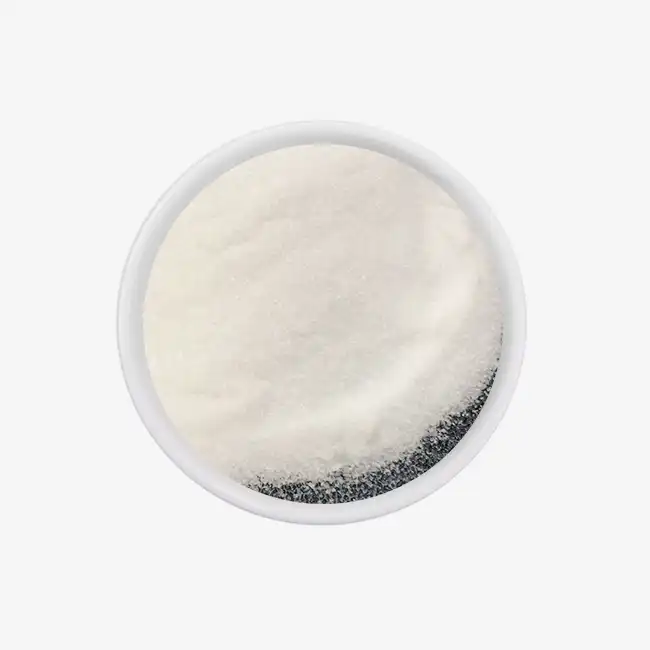
To do effective winter upkeep, you need to understand the chemical makeup of the compounds that work best where salts fail. Potassium and acetate ions come together to form potassium acetate (CH3COOK), a white crystalline substance that is easily broken down in water, acids, and alcohols. This pattern of molecules lowers the freezing point better than regular rock salt, and it keeps working at temperatures as low as -30°C (-22°F).
Chemical Composition and Properties
The chemical weight of 98.14 g/mol means that it has a lot of deicing power. Potassium acetate can still break through ice when it's very cold, while sodium chloride has trouble below -9°C. By breaking up hydrogen bonds inside ice crystals, the chemical lowers the temperature at which water freezes. This acetate salt is different because it dissolves in water at an exothermic rate, which means it releases heat when it comes into contact with water, which speeds up the melting process instead of drawing heat from the environment like endothermic salts do.
Formulations with more than 99% potassium acetate make sure that the performance is the same from batch to batch. The alkaline pH range of 9–11 adds to the benefits by neutralising acidic conditions on surfaces that have been handled. The insolubility in water stays below 0.05%, which means that the material will dissolve completely without leaving behind any residue that will clog drains or leave behind slippery films.
Environmental and Safety Profile
Biodegradability is what makes acetate-based deicers different from chloride salts that stay in the snow. Microorganisms quickly break down acetate ions, which keeps them from building up in dirt and streams for a long time. The low biological oxygen demand (BOD) means that marine environments don't have to deal with as much stress as they would with chloride pollution, which hurts plants and animals in fresh water.
Safety is more than just protecting the earth. The formula doesn't corrode, so it protects steel reinforcement, concrete surfaces, aluminium alloys, and sensitive aircraft parts. Municipalities that are in charge of bridges and parking buildings like not having to deal with the faster damage that chloride-induced rust causes. Because it is hygroscopic, storage needs to be done in dry, well-ventilated buildings. However, proper handling keeps the product from caking and keeps its structure over long periods of storage.
Comparative Analysis: Why Choose Solid Potassium Acetate for Winter Maintenance?
When decision-makers are looking at deicing options, they have a lot of choices, and each one has its own pros and cons. When you know about these differences, you can make strategic purchases that are in line with operational priorities and budget limits.
Performance Against Traditional Deicers
Traditional sodium chloride is used for winter upkeep because it is cheap to buy, but there are big costs that aren't obvious. Rock salt eats away at metal structures, freezes and thaws badly, pollutes groundwater, and kills plants along the sides of roads. When it gets below -9°C, effectiveness drops sharply, leaving important infrastructure open to attack during severe cold snaps.
Calcium chloride makes things last longer at higher temperatures, but it also speeds up rust and pulls water, which makes things slippery after they melt. When compared to sodium chloride, magnesium chloride has a slightly smaller effect on the environment. However, it has the same problems with corrosion and temperature limits.
These problems are completely solved by deicing solid potassium acetate. Temperature performance is stable down to -30°C, so operations can continue even when bad weather happens. The non-corrosive recipe gets rid of the costs of damaging infrastructure. Environmental compatibility helps with following the rules and promoting sustainability without lowering the quality of the product.
Solid Versus Liquid Formulations
For winter maintenance, you can use either solid granules or liquid potassium acetate solutions. Which one you use depends on the specifics of the job. In pre-treatment situations, solid formulas work best because the granular spread makes anti-icing walls before the precipitation starts. The crystalline structure allows for long-lasting surface contact, and as water triggers the substance, it slowly stops deicing.
Liquid formulations quickly break through existing layers of ice and work well with solid products. Adding liquid acetate to solid crystals before spreading them lowers the amount of particle bounce and starts the melting process right away when they are applied. When deicing runways, airport managers often use a mix of liquid and solid methods, with liquid being used for quick response and solid for long-term protection.
Economic Considerations for Bulk Procurement
The initial cost of purchasing potassium acetate is higher than the cost of rock salt, but a full lifecycle analysis shows that the economics are good. Less rust means that infrastructure lasts longer, which lowers the cost of replacement and repair. Environmental compliance keeps you from getting fined or having to pay for repairs. Better performance at higher temperatures cuts down on the number of applications and product volumes that need to be used.
Value is maximised through supplier relationships, volume commitments, and ordering at the right time of year with bulk procurement strategies. Shanxi Zhaoyi Chemical and other factories with a yearly capacity of 150,000 tonnes can meet the needs of large-scale building projects with reliable supplies. Different types of handling needs can be met by different types of packaging, such as 25 kg plastic woven bags and 1000 kg tonne bags. These options are used in places like airport maintenance operations and municipal storage facilities.
Application Methods and Best Practices for Industrial Use
To get the best results from deicing, you need to know the right way to apply the chemicals, make sure they work with your tools, and follow the rules for safety and performance.
Recommended Application Rates
For coverage to work, the application density needs to be just right for the temperature and thickness of the ice. Anti-icing products that are put on before it rains usually need 25 to 50 grams per square metre. They make a chemical shield that stops ice from sticking together. To melt existing ice, higher rates are needed, ranging from 75 to 150 grams per square metre, based on how thick the ice is and how cold it is outside.
Calibration of spreading tools makes sure that the material is spread evenly, without any waste or gaps in covering that could be dangerous. Modern spreader technology with variable rate controllers changes the application density on the fly based on temperature sensors and the condition of the surface. To keep covering even across treated surfaces when spreading by hand in small spaces, follow the manufacturer's instructions.
Equipment and Storage Requirements
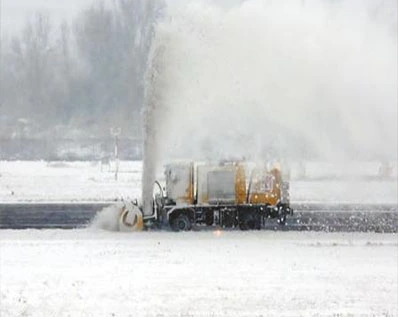
Spreading equipment that works with this system includes handheld broadcast spreaders for small businesses, truck-mounted units for highway networks, and special airport vehicles for deicing runways. Hopper liners made of stainless steel or polymer stop rust and keep the flow of products smooth so they don't get stuck or bridge.
Proper storage conditions help preserve the quality, performance, and shelf life of deicing solid potassium acetate. Maintaining warehouse relative humidity below 65% prevents moisture absorption that can cause caking, reduced flowability, and difficulties during spreading operations. Temperature control and protection from excessive heat help maintain the chemical stability and melting performance of deicing solid potassium acetate during long-term storage. The product should also be stored separately from incompatible materials, including strong oxidizers and acidic substances, to prevent contamination and maintain product safety. When stored correctly in moisture-resistant packaging and suitable warehouse environments, deicing solid potassium acetate(CAS NO.: 127-08-2) can remain effective for up to 12 months. Before using material that has been stored for an extended period, quality inspections should be performed to confirm purity, particle condition, and deicing performance, ensuring reliable results in winter road, airport, and infrastructure maintenance applications.
Regulatory Compliance and Certifications
Strict standards must be followed for aviation applications, such as the SAE AMS 1431 rules for runway deicers. These rules make sure that aluminium alloys, carbon brake systems, and cadmium-plated parts that are important for aeroplane safety don't rust. ISO 9001, ISO 14001, and ISO 45001 certifications for manufacturing quality systems show a dedication to uniform product quality, environmental management, and worker safety.
With extra certifications like Kosher and Halal labels, it can be used in specific ways in places that need to follow religious dietary rules. Facilities where deicing chemicals might come into contact with food processing areas or medicine manufacturing zones need formulations that are food-grade and meet strict purity standards.
Procurement Guide: Buying Solid Potassium Acetate Deicer for Your Business
Strategic buying takes into account the total cost, the quality of the goods, the dependability of the supply chain, and the efficiency of the operations. By forming partnerships with well-known makers, you can always get approved goods that come with expert support.
Supplier Selection Criteria
Checking the qualifications, production capabilities, and quality certifications of potential suppliers is the first step in evaluating manufacturers of deicing solid potassium acetate. Established producers that have operated since the late 1980s often bring decades of experience in acetate formulation, product optimization, and advanced manufacturing processes. A production capacity of more than 100,000 tonnes per year demonstrates the infrastructure required to maintain reliable supply chains and support the large-scale demand of airports, municipalities, transportation departments, and industrial users requiring deicing solid potassium acetate.
Quality management systems certified to international standards help ensure consistency, traceability, and stable performance from batch to batch. Strict testing procedures that exceed basic industry requirements demonstrate a supplier’s commitment to producing high-quality deicing solid potassium acetate with controlled purity, particle size, and melting efficiency. Manufacturers serving diverse sectors, including aviation deicing, road maintenance, infrastructure protection, and environmental applications, have a better understanding of how different operating conditions require specific performance characteristics. By selecting experienced suppliers with strong certifications, technical expertise, and dependable production capacity, buyers can secure reliable deicing solid potassium acetate solutions for long-term winter maintenance programs.
Logistics and Supply Chain Management
Lead times, minimum order quantities, and delivery schedules all have an effect on operational planning and managing inventory. When suppliers keep strategic partnerships with foreign shipping networks, they can offer cheap freight rates and a range of delivery choices. If you order ahead of time, before the busy winter season, you can be sure that the product will be available when the weather calls for it.
The choice of packaging affects how well it can be handled and stored. Standard 25 kg bags are good for places where things need to be moved by hand or for smaller operations. Tonne bags make it easier to store and move large amounts of things mechanically in big airport or city buildings that handle a lot of work. Standard designs don't always work well for certain operations, so custom packing is the best way to go.
Technical Support and Partnership Value
Comprehensive supplier partnerships offer more than just the supply of products. They also offer ongoing technical advice, application training, and help with fixing problems. Manufacturers with a lot of experience can give you advice on how to calibrate your equipment, optimise your application rates, and store your products in the best way to get the most out of your investment. Procurement teams can keep track of environmental compliance and corporate responsibility accomplishments with the help of sustainability reporting.
Long-term supplier relationships are built on trust through after-sales service like batch testing verification, quality documentation, and quick responses to performance questions. When making procurement decisions that look at more than just price per unit, these partnership dimensions are seen as key to success.
Conclusion
To choose effective winter maintenance solutions, you need to carefully look at how they work, how they affect the environment, how they protect infrastructure, and how much they cost over their whole life. Deicing solid potassium acetate works better than these other options in all of these ways. It reliably melts ice up to -30°C and keeps valuable infrastructure from being damaged by corrosion. The biodegradable recipe helps protect the earth and follow the rules without affecting how well the business works. When procurement professionals work with well-known companies like Shanxi Zhaoyi Chemical, they can access decades of formulation knowledge, consistent quality backed by international certifications, and dependable supply chains that support winter operations that are very important to the company's mission.
FAQ
How does potassium acetate compare environmentally to traditional rock salt?
Potassium acetate has a much smaller effect on the environment because it breaks down quickly and is not toxic to water. Instead of staying in the groundwater and hurting plants like chloride salts do, acetate ions break down naturally with the help of microbes. The lower need for biological oxygen keeps ecosystems in sensitive watersheds near treated infrastructure from being stressed.
What shelf life can facilities expect under proper storage conditions?
If you store unopened deicing solid potassium acetate in a dry, climate-controlled warehouse with a humidity level below 65%, it will still work perfectly for one year. Because it absorbs water, it needs to be packed in dry materials like sealed plastic woven bags or tonne bags. Re-inspection testing after more than one year of keeping confirms the chemical makeup before application, making sure that performance standards are kept.
Does potassium acetate perform effectively at extreme low temperatures?
The compound can still break through ice at temperatures as low as -30°C (-22°F), which is much better than sodium chloride, which loses its effectiveness below -9°C. The exothermic dissolution, which releases heat when it comes into contact with water, speeds up melting even during very cold spells, making it reliable when regular deicers don't work right.
Partner with Zhaoyi Chemical for Your Deicing Solid Potassium Acetate Supply
Shanxi Zhaoyi Chemical has been making high-quality acetate for over 30 years. They make high-purity deicing solid potassium acetate that meets SAE AMS 1431 flight standards and helps cities across the country with their infrastructure. With a yearly capacity of 150,000 tonnes, we can provide a stable bulk supply for large-scale purchasing needs. Our ISO 9001, ISO 14001, and ISO 45001 certifications guarantee consistent quality. You can email our team at sxzy@sxzhaoyi.com to talk about your winter maintenance needs, get technical specs, or set up product samples. As a reliable producer of deicing solid potassium acetate(CAS NO.: 127-08-2), we offer a wide range of services to help you keep your infrastructure safe and running during the harshest winter weather. These include application advice, custom packaging solutions, and cheap shipping coordination.
References
1. Transportation Research Board. "Airport Winter Safety and Operations: Runway Deicing Chemical Performance and Environmental Considerations." National Academy of Sciences, 2019.
2. American Society for Testing and Materials. "Standard Specification for Non-Chloride Runway and Road Deicers." ASTM D7409, 2021.
3. Environmental Protection Agency. "Comparative Assessment of Deicing Chemical Impacts on Freshwater Ecosystems." EPA Environmental Engineering Research, 2020.
4. Society of Automotive Engineers. "Aircraft and Airfield Deicing/Anti-Icing Formulations: Performance and Corrosion Testing Standards." SAE AMS 1431B, 2018.
5. National Association of Corrosion Engineers. "Corrosion Effects of Chloride and Acetate-Based Deicing Compounds on Transportation Infrastructure." NACE International Publication, 2017.
6. International Standards Organization. "Quality Management in Chemical Manufacturing: Applications to Specialty Deicing Products." ISO Technical Report 9001:2015, 2020.

USER EVALUATE
Here is the customer's evaluation of us