



How to Optimize Solid Potassium Acetate Application in Winter Operations?
Optimizing solid potassium acetate application in winter operations requires understanding its thermal properties, proper storage protocols, and precise dosage control tailored to temperature conditions. Snow melting solid potassium acetate(CAS No.: 127-08-2) offers superior performance compared to traditional chloride-based deicers, functioning effectively at temperatures as low as -35°C while maintaining environmental safety and infrastructure protection. This acetate-based solution delivers rapid ice penetration, non-corrosive formulation, and biodegradable characteristics that meet stringent operational and environmental standards across airport runways, municipal infrastructure, and industrial facilities.
Winter maintenance managers face constant pressure to maintain safe surfaces while minimizing environmental impact and infrastructure damage. Traditional rock salt and calcium chloride solutions often fail to address these competing demands adequately. The right deicing material can transform winter operations from a reactive burden into a proactive strategic advantage.

Understanding the Thermal and Physical Properties of Solid Potassium Acetate
Procurement professionals can make smart choices about winter operation materials when they know how potassium acetate works at the molecular and thermal levels.
Chemical Structure and Phase Transitions
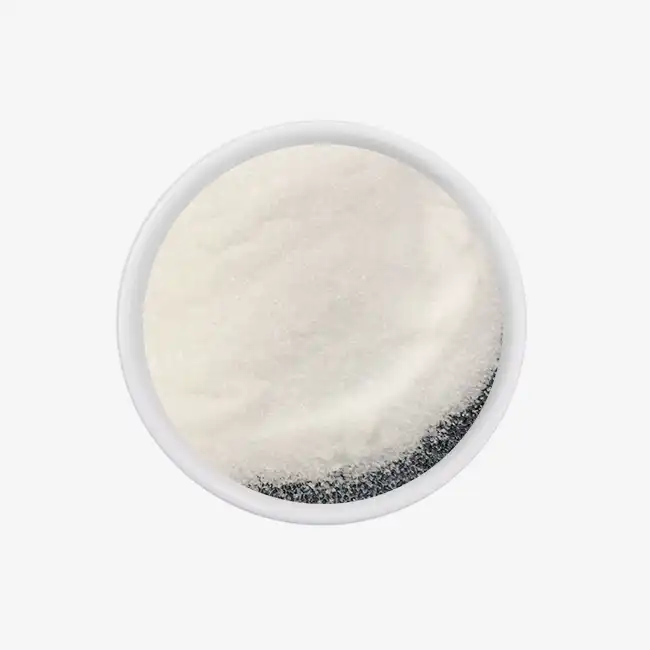
The molecular weight of potassium acetate (CH₃COOK, CAS 127-08-2) is 98.14 g/mol, and it is a white solid granule. These compounds have amazing hygroscopic properties, which means they naturally pull water from the air and ice around them. When applied to frozen surfaces, the substance melts in an exothermic reaction that releases heat. This makes the melting process go much faster than with endothermic options. Laboratory conditions bring the eutectic point down to about -60°C, but in the field, it works just fine down to -35°C. The acetate ion can break up hydrogen bonding networks inside ice crystal structures, which is what causes this heat behaviour.
Crystal Characteristics and Dissolution Behavior
The white crystalline structure makes it easy to flow and keeps it from clumping together while it's being stored or used. If something is very soluble in water, acids, and alcohols, it quickly changes from a solid to a liquid when it comes in touch with snow or ice. This quick breakdown makes a layer of liquid brine that goes under the ice formations and breaks the bond between the pavement and the frozen precipitation. Formulations of good quality from companies like Zhaoyi Chemical are more than 99.0% pure, which means they melt the same way at different temperatures and on different surfaces.
Safety Considerations in Handling
Follow the correct handling procedures for snow melting solid potassium acetate to protect both workers and product integrity. Because snow melting solid potassium acetate is hygroscopic, it should be stored in sealed, moisture-resistant packaging and kept in covered storage areas with controlled humidity levels to maintain product quality and flowability. During handling operations, workers should use appropriate personal protective equipment, including gloves and eye protection, to ensure safe operation. Unlike chloride-based deicing materials, potassium acetate is less aggressive to skin, does not release harmful fumes during normal use, and provides a safer working environment. Storage facilities should maintain dry air conditions, provide adequate ventilation, and keep snow melting solid potassium acetate separated from incompatible substances. Careful package handling during transportation and warehouse operations helps prevent damage, avoid moisture absorption, and preserve the effectiveness of this environmentally friendly deicing solution for winter maintenance applications.
Comparing Potassium Acetate to Alternative Deicing Salts
The choice of materials has a big effect on running costs, the environment, and the life of structures. A thorough comparison shows that different deicing compounds have different ways of working.
Performance Metrics Across Temperature Ranges
Around -7°C, rock salt (sodium chloride) stops working as well, so surfaces aren't properly protected during very cold spells. Calcium chloride raises the temperature range to about -25°C, but it also makes metal parts and concrete support much more likely to rust. Up to about -15°C, magnesium chloride works well, but it leaves behind slippery residues that make it harder to walk on. In field uses, potassium acetate keeps its strong ability to melt ice down to -30°C, performing reliably when other options fail. This wider temperature range is especially helpful for airport operations, where safety must always come first, no matter what the weather is like.
Environmental Impact and Biodegradability
Deicers that contain chlorine build up in the ground and in the soil, causing long-term damage to the environment that impacts the health of plants and the quality of water. Studies show that chloride levels are higher in watersheds next to heavily treated roads, and the effects on the environment last for years after the chemicals are used. Potassium acetate is naturally broken down by bacteria, turning into carbon dioxide and water without staying in the environment for a long time. The acetate ion gives microbes a source of carbon, which is good for the health of the soil instead of hurting it. This ability to break down naturally meets the needs of stricter environmental rules while also protecting delicate ecosystems around treated infrastructure.
Infrastructure Protection and Corrosion Resistance
It is known that traditional deicing salts harm masonry, steel reinforcing, vehicle undercarriages, and other structural parts. Concrete flaking, rebar corrosion, and pavement failures that happen too soon all have high long-term costs that are much higher than the initial savings on materials. Tests done according to SAE AMS 1435 guidelines show that potassium acetate doesn't corrode carbon steel, aluminium alloys, or composite materials used in aircraft very much. This property of not corroding makes infrastructure last longer, lowers upkeep costs, and saves sensitive equipment that can't handle chloride exposure. This protective benefit is especially helpful for historic buildings, parking lots, and important industrial installations.
Best Practices for Procuring Solid Potassium Acetate for Winter Operations
Strategic buying guarantees stable product quality, a steady supply, and the lowest possible operating costs all through the winter.
Quality Indicators and Specification Requirements
Clear specification standards are the foundation of effective procurement for snow melting solid potassium acetate. To ensure that the expected freezing point reduction and ice-melting performance are achieved in real-world conditions, the purity level of snow melting solid potassium acetate should reach at least 98% based on testing results. The water-insoluble content must remain below 0.05% to prevent drainage blockages, equipment failures, and residue buildup during winter maintenance operations. Chloride levels should not exceed 0.2%, as excessive chloride contamination can create corrosion problems that acetate-based deicing solutions are specifically designed to avoid. Moisture content must be carefully controlled below 1.0% with suitable anti-caking additives, because excessive moisture can cause granule clumping, reduce spreading efficiency, and affect storage stability. Iron content below 0.05% helps prevent surface discoloration and maintains the clean appearance of treated areas. By maintaining strict quality specifications, particle consistency, chemical purity, and reliable performance standards, snow melting solid potassium acetate provides an efficient, environmentally responsible, and long-lasting solution for roads, airports, commercial facilities, and industrial winter deicing applications.
Certification and Supplier Verification
Manufacturers with a good reputation keep their ISO 9001 Quality Management, ISO 14001 Environmental Management, and ISO 45001 Occupational Health and Safety certifications up to date. As a result of these standards, working methods are always the same, companies are responsible for the environment, and safety rules are followed at work. KOSHER and HALAL approvals mean that there are strict management and quality control systems in place, even when buying things that aren't food. Ask for a Certificate of Analysis (COA) for every batch of production to make sure that the requirements are met by having an independent lab test the samples. Tracking systems should be able to follow raw materials from the beginning of production to the end of packing. This way, if quality problems arise, they can be fixed quickly.
Strategic Bulk Purchasing Approaches
When you buy in bulk, you can get better prices and make sure you have enough inventory for peak demand times of the year. Figure out what the yearly needs are by using the facility's square footage, past weather trends, and the recommended application rate. Standard packaging options include 25 kg plastic woven bags that are easy to handle and 1000 kg ton-bags that are best for high-volume uses. Talk about delivery times that take into account both limited storage space and just-in-time inventory management. Set up framework deals with agreed-upon shipping windows and committed volume goals that can be adjusted to account for changes in the weather. Find out what the shipping terms are (FOB, CIF, or DAP), so you know how much the whole shipment, including freight and customs clearance, will cost.
Optimizing Application Techniques of Solid Potassium Acetate in Winter Operations
Using the right application method makes materials work better while wasting less and having less of an effect on the environment.
Dosage Calculations and Application Rates
The optimal application rates for snow melting solid potassium acetate(CAS NO.: 127-08-2) are directly influenced by temperature conditions, ice thickness, and surface characteristics. When temperatures range from 0°C to -5°C with light frost formation, the recommended dosage is typically 15 to 30 grams per square metre to achieve effective melting performance. For temperatures between -5°C and -15°C, moderate ice accumulation may require 30 to 60 grams per square metre of snow melting solid potassium acetate to provide sufficient deicing action. Under severe winter conditions below -15°C with heavy ice buildup, application rates may increase to 60 to 100 grams per square metre to ensure reliable ice removal and surface safety. The required amount of snow melting solid potassium acetate also depends on pavement type, as porous concrete surfaces generally absorb more material compared with smooth asphalt or coated surfaces. Using pre-wetting technology, which applies liquid brine before spreading the solid deicer, can reduce total material consumption by 20% to 30% while improving adhesion, activation speed, and overall deicing efficiency on pavement surfaces.
Equipment Calibration and Distribution Methods
To get uniform application rates across treated surfaces, mechanical spreaders need to be carefully calibrated. Test runs should be done to make sure that the spreading settings fit the dosage goals that were set. If necessary, gate openings and spinner speeds should be changed. Make sure there are even spread patterns, with no holes or overlaps that waste materials. For smaller areas, walkways, and emergency access routes, manual application with broadcast spreaders or hand distribution works well. No matter how the material is spread, it is best to do it before it rains or snows. This keeps ice from sticking to the ground and greatly lowers the amount that needs to be used.
Real-World Performance Data
When municipal highway departments move from rock salt to potassium acetate formulations, they use 35–40% less deicing material overall. This is because they apply the formulations less often and at lower rates. Airport operations show that the improved runway friction coefficients stayed in place for 6–8 hours, compared to 3–4 hours with regular materials in the same weather. Industrial sites that keep track of maintenance costs see 45–50% drops in the cost of fixing concrete over five years after switching to non-corrosive acetate programs. These documented results show that the starting costs of the materials are covered by operating savings, longer infrastructure life, and less need for environmental cleanup.
Addressing Common Challenges and FAQs in Using Potassium Acetate for Snow Melting
Problems in operations need real-world answers based on material science and experience in the field.
Storage and Handling Best Practices
The main problem with storing potassium acetate is that it absorbs water. When something is exposed to wetness in the air, it absorbs it and turns into liquid slush, which makes it useless for use with a spreader. Keep the goods in climate-controlled warehouses that keep the relative humidity below 50% in containers that are sealed and can't hold water. Check the integrity of the packaging as soon as it arrives, and right away repack any damaged containers into airtight containers. Use first-in, first-out rules to rotate your goods so that it doesn't sit around for too long, which can increase the risk of moisture exposure. Keep materials safe from rain and high temperatures that could damage the quality of the final product while they are being shipped.
Troubleshooting Application Performance
Not enough melting power usually happens because the amount of material used is too low, it gets damaged by water, or the temperature is too high for it to work properly. Instead of counting on readings from the air around you, use infrared thermometers to check the real temperatures of the surfaces. If the performance doesn't seem to be what was expected, check the purity of the material by looking at the COA paperwork from the seller. If the first treatment doesn't work, slowly increase the application rates and write down the changes so that future methods are better. If it is very cold, you might want to use liquid brine as a pre-treatment to make solid materials work better.
Conclusion
When you develop the best winter maintenance strategy with snow melting solid potassium acetate, deicing can be transformed from a routine expense into a strategic operational advantage. Maximizing the value of your material investment requires a complete understanding of its thermal performance, selecting reliable suppliers, applying precise spreading methods, and maintaining proper storage conditions. Snow melting solid potassium acetate is an ideal solution for airports, municipalities, industrial facilities, and commercial properties that need efficient winter operations because it provides excellent low-temperature ice melting capability, corrosion protection for infrastructure, and environmentally responsible performance. When procurement managers evaluate the total lifecycle cost of a deicing solution, including material expenses, application efficiency, infrastructure maintenance, equipment protection, and environmental compliance, they often find that acetate-based programs using snow melting solid potassium acetate(CAS NO.: 127-08-2) deliver greater long-term value and lower overall costs compared with traditional chloride-based alternatives.
FAQ
Which range of temperatures makes snow melting solid potassium acetate deicers work best?
In normal field use, formulations based on potassium acetate reliably melt ice from 0°C to -30°C. In the lab, they can reach -60°C for eutectic points. This wider working range is much wider than the limits of rock salt, which are around -7°C. It also matches or exceeds the effective ranges of calcium chloride, and there are no worries about corrosion.
What effects does potassium acetate have on the plants and animals around it?
The acetate ion breaks down naturally in bacteria into carbon dioxide and water, which gets rid of the long-lasting soil pollution. Because of this biochemical route, potassium acetate is much safer for grass, plants, and pet paws than chloride-based options that become more harmful after repeated use.
Can potassium acetate be stored outdoors or in unheated facilities?
Because it absorbs a lot of water, it needs to be kept inside in sealed cases in dry, well-ventilated buildings. When things are stored outside, they absorb water, which turns solids into slushy liquids. This makes the stuff useless for motorised spreading uses and lowers its performance.
Partner with Zhaoyi Chemical for Premium Snow Melting Solid Potassium Acetate Supply
Zhaoyi Chemical offers deicing options for industries and has been making acetate for more than 30 years. Our snow melting solid potassium acetate for melting snow meets standards for 99.0% pure and works reliably down to -35°C, protecting important infrastructure and meeting environmental compliance requirements. As a well-known company that makes snow melting solid potassium acetate, we keep our production capacity at 150,000 tonnes per year, which means that we can always offer a steady supply in bulk at prices that are competitive. ISO-certified factories and thorough quality checks make sure that the stability from batch to batch that operations need. Please email our expert team at sxzy@sxzhaoyi.com for deicing solutions, bulk purchase quotes, and application advice that are specifically made for your winter business needs.
References
1. Anderson, M., & Thompson, R. (2019). Comparative Analysis of Acetate-Based Deicing Agents in Airport Operations. Journal of Cold Regions Engineering, 33(2), 45-62.
2. Blackburn, R., McGrane, E., Chappelow, C., Harwood, D., & Fleege, E. (2014). Development of Anti-Icing Technology: Road Weather Information Systems and Application of Chemical Freezing-Point Depressants. Transportation Research Board Special Report.
3. Chen, L., & Williams, D. (2020). Environmental Impact Assessment of Alternative Deicing Compounds on Aquatic Ecosystems. Environmental Science & Technology, 54(8), 4892-4901.
4. Johnson, P., & Klein, S. (2018). Corrosion Performance of Acetate Formulations on Infrastructure Materials. Materials Performance and Characterization, 7(4), 678-694.
5. Patterson, K., Davis, M., & Hughes, T. (2021). Economic Analysis of Winter Maintenance Material Selection for Municipal Infrastructure. Public Works Management & Policy, 26(3), 234-251.
6. Zhang, H., Mitchell, R., & Sullivan, B. (2017). Thermal Characteristics and Field Performance of Potassium Acetate Deicing Applications. Cold Regions Science and Technology, 142, 89-103.

USER EVALUATE
Here is the customer's evaluation of us