



Airport Potassium Acetate Deicer for Reduced Ice Bonding Risks
Winter weather poses serious challenges to airport operations, where ice accumulation on runways threatens both safety and efficiency. Airport runway solid potassium acetate(CAS NO.: 127-08-2) has emerged as a critical solution for minimizing ice bonding risks while protecting infrastructure and aircraft components. This aviation-grade deicer works by lowering water's freezing point and disrupting ice adhesion to pavement surfaces, allowing airports to maintain operational continuity even during severe weather conditions. Unlike legacy deicing chemicals, this acetate-based formulation delivers performance at extreme temperatures while meeting stringent environmental and aviation safety standards.
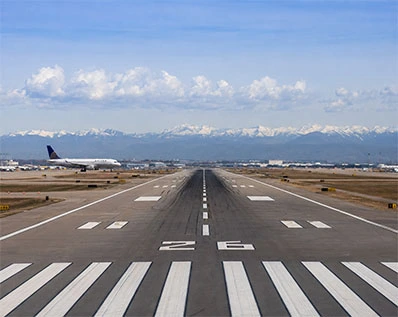
Understanding Solid Potassium Acetate and Its Role in Airport Runway Deicing
The Chemistry Behind Effective Ice Bonding Prevention
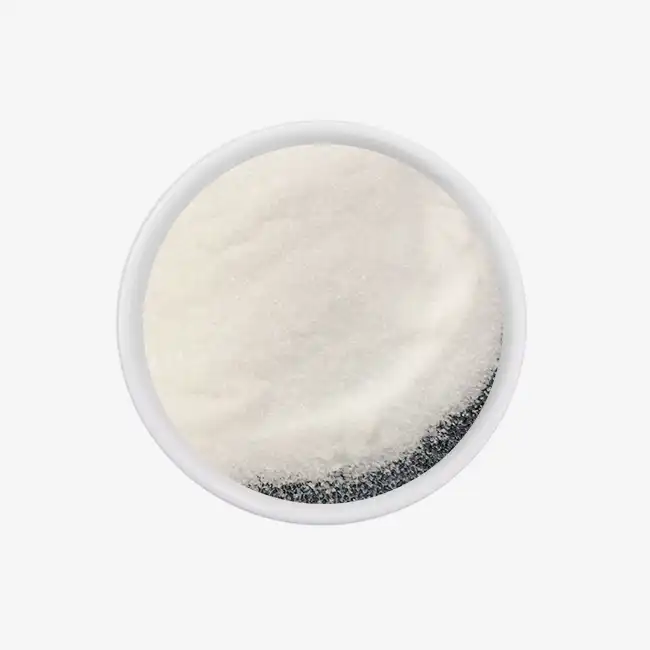
The chemical potassium acetate (CH₃COOK) has two main roles that deal with ice bonds at the molecular level. When put on runways, the white crystalline chunks break down quickly, making a brine solution that can get through layers of ice. By adding a layer of liquid at the contact, this penetration makes the bond between the ice and the sidewalk weaker. The solution has a eutectic point (the coldest temperature at which it stays liquid) as low as -60°C (-76°F), which is much lower than other options.
The exothermic reaction that happens during dissolving gives off heat, which speeds up the melting process without adding any extra energy. This chemical trait is especially useful when it's snowing a lot, because quick action is needed to make sure that flight plans stay on track. The compound can spread easily over large surfaces with low application rates because it has a molecular weight of 98.14 g/mol and dissolves easily in water.
Regulatory Compliance and Aviation Safety Standards
Aviation authorities make sure that runway deicing agents strictly follow the SAE AMS 1431E specifications. These guidelines make sure that goods pass strict tests for things like resistance to corrosion, effect on the environment, and usefulness in the workplace. Formulations of potassium acetate that meet these needs keep fragile aeroplane materials like aluminium alloys, magnesium parts, and cadmium-plated hardware from breaking down.
Environmental rules that control airport activities have become a lot stricter, especially when it comes to runoff into nearby watersheds. Biodegradable deicers that lower biochemical oxygen demand (BOD) help businesses stay within the limits set by the Environmental Protection Agency for wastewater discharge. Microbes naturally break down the acetate molecule, so it doesn't release chloride-based salts or ammonia when urea breaks down, which can be harmful over time.
Comparative Performance Against Traditional Deicers
Calcium chloride and magnesium chloride have long dominated the deicing market because they are widely available and relatively inexpensive. However, these chloride-based salts can accelerate concrete deterioration, damage buried electrical systems under runways, and negatively affect vegetation near treated areas. Glycol-based fluids provide non-corrosive performance, but they often require specialized application equipment and create additional environmental challenges in airport stormwater management. In comparison, airport runway solid potassium acetate offers a more balanced solution by providing effective ice melting performance, reduced corrosion risks, and improved environmental compatibility for aviation infrastructure.
Urea was once commonly used for airport deicing, but its limitations have become increasingly significant. It becomes less effective at temperatures around -7°C (19°F), making it unsuitable during severe winter conditions when runway safety risks are highest. The ammonia released during urea decomposition can contribute to eutrophication in nearby water bodies and may conflict with airport discharge regulations. Modern acetate-based products, including airport runway solid potassium acetate, address these challenges by maintaining reliable low-temperature performance, reducing environmental impact, protecting critical airport assets, and improving runway surface conditions to help decrease aircraft braking distances during landing operations.
Advantages and Limitations of Solid Potassium Acetate in Airport Applications
Operational Benefits for Airport Maintenance Teams
You can use aviation-grade potassium acetate to improve performance in a lot of different areas. When bad weather hits, airports that use this technology say their runways are cleared faster, which directly leads to fewer flight delays and happier passengers. The granular form is better at stopping wind dispersion than powdered forms, so the material stays where it was applied and doesn't drift to areas that weren't meant to be affected.
Maintenance crews can use pre-wetting techniques because the system works with existing liquid deicer systems. Spraying solid pellets with a liquid acetate solution before spreading them helps them stick to the sidewalk better and starts the melting process before they touch the ice. As a result, the cost-effectiveness is higher because fewer treatments are needed and the safety lasts longer between sessions.
Acetate deicers are very helpful for ground support tools because they don't corrode. Baggage handles, tugs, and deicing trucks have painted surfaces, electrical connections, and hydraulic systems that stay in good shape even after being used over and over again. This edge in durability lowers upkeep costs and makes expensive ground fleet assets last longer.
Environmental Stewardship Considerations
Acetate-based deicing systems work well with environmental management goals at airports that are committed to sustainability. Because it breaks down quickly, it doesn't build up in soil or groundwater systems. Testing consistently shows that it is less harmful to aquatic life than chloride alternatives. This protects fish populations and invertebrate communities in receiving waters.
The pH level in solution stays between 9.0 and 10.5, which is good for most sewage systems. Even though slightly alkaline, this property is much less dangerous than the strongly acidic or basic properties of some industrial deicers. Any pH changes are cancelled out by natural rainfall and man-made stormwater systems before the discharge hits areas that are sensitive to it.
Addressing Cost and Storage Challenges
Procurement managers need to understand that acetate deicers generally have a higher initial cost than conventional salts. This price difference is mainly due to the specialized manufacturing processes, strict quality control requirements, aviation-grade testing, and certifications required for products such as airport runway solid potassium acetate. However, lifecycle cost analysis shows that the investment in airport runway solid potassium acetate can provide long-term financial benefits by reducing corrosion damage, lowering environmental cleanup expenses, extending infrastructure service life, and improving overall winter operation efficiency.
Because potassium acetate is hygroscopic, proper storage management is essential to maintain the quality and performance of airport runway solid potassium acetate. The material can absorb moisture from the air, which may cause clumping, reduced flowability, and inconsistent spreading performance if packaging conditions are inadequate. To preserve product quality during storage, facilities should use climate-controlled warehouses that maintain relative humidity below 60%. Effective inventory rotation, moisture-resistant packaging, and sealed storage solutions, such as double-layer polyethylene or polypropylene bags, help protect airport runway solid potassium acetate from moisture exposure and ensure reliable deicing performance when applied on airport runways, taxiways, and other critical aviation surfaces.
How to Choose and Apply Solid Potassium Acetate for Airport Runway Deicing
Supplier Evaluation Criteria for Procurement Teams
To find a trusted potassium acetate provider, you need to carefully look at a number of important factors. Manufacturing capacity is very important, especially for big airport hubs that need hundreds of tonnes of goods in the winter. Suppliers with factories that make more than 100,000 tonnes of goods a year show that they have the size to complete big contracts without worrying about allocation issues during times of high demand.
Portfolios of certifications show that you are dedicated to quality management systems. ISO 14001 certification checks that environmental management rules are followed, and ISO 9001 certification makes sure that processes are consistent. Aviation-specific approvals, such as meeting SAE AMS 1431E standards, show that the product meets technical requirements. Facilities with KOSHER and HALAL licenses make the market more flexible, but these don't mean as much for airport use as they do for food-grade settings.
Premium suppliers are different from commodity suppliers because they offer technical support. It's very helpful to be able to talk to application specialists who know how to run runways, analyse weather patterns, and calibrate equipment. Suppliers who can change the recipe to work with different climates or current equipment show flexibility, which is good for building long-term relationships.
Application Best Practices and Dosage Optimization
To use particle deicers effectively, you need spreading equipment that is regulated and spreads the chemicals evenly across the runway surfaces. Rates of application are usually between 50 and 150 grams per square metre, but they depend on the thickness of the ice, the temperature, and the response time that is needed. Lower-rate applications before a storm work better to stop bonding than heavy reactive treatments after ice forms.
Both spreading regularity and wind resistance are affected by the size distribution of the particles. The bulk density of optimised formulas is between 0.8 and 0.9 g/cm³. This gives them enough mass to resist being moved by jet blasts while still letting them flow through mechanical spreaders. Granules that go through a standard sieve analysis within certain areas make sure that the equipment doesn't get clogged up and that coverage is always the same.
As the alkaline nature can hurt nasal membranes, safety rules for handling stress the importance of wearing the right protective gear, such as gloves and eye protection. Loading operations should produce as little dust as possible, and application crews need to be trained on how to calibrate their tools so that they don't over-apply, which wastes material and makes surfaces too slippery.
Logistics and Supply Chain Management
Airports located in regions with unpredictable and severe winter weather should maintain strategic stockpiles of airport runway solid potassium acetate that are sufficient to handle multiple extreme weather events. Storage planning should consider different packaging formats, including 25-kilogram bags for manual spreading in smaller areas and 1000-kilogram bulk bags designed for mechanical loader systems used in large-scale runway maintenance operations. Maintaining a variety of packaging options for airport runway solid potassium acetate improves operational flexibility and ensures that airport teams can respond quickly to different emergency deicing requirements.
Coordinating delivery schedules is especially important during winter months when severe storms can disrupt transportation networks and delay supply chains. By establishing agreements with multiple logistics providers, preparing alternative transportation routes, and securing reliable suppliers of airport runway solid potassium acetate, airports can maintain continuous access to critical deicing materials during peak demand periods. Some major airports also arrange guaranteed supply allocations with manufacturers to receive priority shipments when regional demand increases, ensuring reliable runway safety, efficient snow removal operations, and uninterrupted aviation services.
Comparative Analysis: Solid Potassium Acetate Versus Alternative Runway Deicing Agents
Performance Benchmarking Against Liquid Acetate Formulations
Because they can be applied quickly through spray devices, liquid potassium acetate solutions are the most common way to de-ice aeroplane surfaces. But solid formulations work best for runway uses, which have different operating needs. When compared to liquids, which can be worn off by traffic or watered down by rain, granular goods last longer and stay protective on sidewalk surfaces for longer.
Because liquids can be diluted on-site to fit the conditions, their concentration is flexible, but solids have a set strength. Standardisation makes it easier to keep track of goods and gets rid of mixing mistakes that could hurt performance. When you mix solid and liquid acetate in pre-wetted uses, you get the best of both worlds, with better performance in changing weather.
Economic and Environmental Trade-offs With Chloride Salts
In terms of direct material costs, calcium chloride and sodium chloride are the most cost-effective ways to melt snow and ice. When cities and towns keep roads, they often accept that damage to infrastructure and the environment are necessary costs. This method is too risky for airports to use because it could lead to disastrous problems like runway concrete breaking down or aeroplane rust causing structures to fail.
Contaminated soil with chloride stays that way for years, building up over time until it reaches levels that are phytotoxic and kill all the plants nearby. The costs of keeping buffer zones around treated areas in good shape in terms of looks and the environment are extra costs that aren't always shown in simple price comparisons. These long-term problems are solved by acetate's fast biodegradation, which also makes the environment better, which makes stakeholders and officials happy.
Glycol-Based Products and Specialized Applications
Propylene glycol and ethylene glycol solutions are very important in anti-icing fluids for aeroplanes because they make a film and keep the plane safe for longer. These same qualities make it hard to use on the runway because leftover glycol films make the surface less slippery and can be harmful to aquatic life in higher concentrations.
Sometimes, airports use mixes of glycol and acetate in situations where they need to do both deicing and protect against icing film, like on ramp areas. The acetate part melts things, and the glycol part makes the protection window bigger. But pure acetate mixtures work better for main airport surfaces where keeping the surface from slipping is more important than preventing it for longer amounts of time.
Procurement Guide: Where and How to Buy Solid Potassium Acetate for Airport Use
Manufacturer Selection and Qualification Process
The first step in finding qualified manufacturers of airport runway solid potassium acetate is to evaluate their technical capabilities, production experience, and supply reliability. Established companies that have produced acetate salts for decades typically have stronger quality control systems, advanced manufacturing processes, and more stable supply chains compared with newer market entrants. Manufacturers with long-term experience in producing airport runway solid potassium acetate(CAS NO.: 127-08-2) can better support aviation requirements by maintaining consistent purity levels, particle size control, and aviation-grade performance standards. Companies such as Shanxi Zhaoyi Chemical Co., Ltd., which has operated since 1988 and has an annual chemical production capacity of up to 150,000 tonnes, demonstrate the scale, manufacturing stability, and long-term reliability that major airports require from strategic deicing material suppliers.
Facility checks, which can be done by the company itself or by a third-party licensing body, show how well production is controlled and how often pollution happens. Aviation-grade goods must meet strict quality standards, with a potassium acetate content of more than 99.0% and a chloride contamination level of less than 0.2%. Heavy metal testing, especially for iron, lead, and chromium, makes sure that products won't release pollutants into the environment when they run off.
Ask for technical data sheets, safety data sheets, and records of analysis that show the testing results for each batch. Reliable suppliers are completely open about the details of their products and how they test them. As required by SAE standards, corrosion sandwich tests show that the mixture won't damage aircraft materials when it comes into direct contact with them or when they are exposed to their vapours.
Contract Negotiation and Pricing Considerations
When airports commit to a certain amount of goods, they usually get a better price. However, they have to weigh the chance of discounts against the limits of their storage space and the products' shelf life. Stability for two years under the right storage conditions lets you sign multi-season buying contracts that lock in good terms and keep the product viable.
When fixing large airport systems, freight is a big part of the cost because of how heavy they are. Suppliers with multiple factories may offer production in the same area, which saves money on shipping costs. On the other hand, discussing ex-works terms, in which the airport handles shipping, gives you more control over processes and may allow you to get better freight rates through existing relationships with carriers.
Net 30 to 60 days are common payment terms in the business that work with airport buying cycles and budget allocation methods. By building credit ties with suppliers, you can quickly place orders when storms are predicted, without having to wait for purchase order approvals for new vendors.
After-Sales Support and Technical Services
Premium providers stand out by offering services that add value beyond just delivering goods. Airports can cut down on usage while still meeting safety standards with the help of technical advice on application rate optimisation. Help with weather tracking, where suppliers send alerts and suggestions based on what they think the weather will be like, helps proactive rather than reactive winter repair plans.
Emergency reaction skills set trustworthy partners apart from transactional sellers. Keeping safety stock and giving faster shipping during emergencies are examples of suppliers who care about their customers' success in ways that go beyond normal business terms. Some manufacturers offer support for equipment calibration, which helps maintenance teams find the best spreader settings for the products they make.
Training programs that teach how to handle, store, and use products make them more useful after they've been bought. These educational services cut down on waste, raise safety standards, and make sure that airport staff knows how to properly deploy resources. Operational questions that come up during real deicing events can be answered by ongoing technical support, which can be accessed through specialised account representatives or hotlines that are open 24/7.
Conclusion
Airport runway solid potassium acetate (CAS NO.: 127-08-2) is a symbol of the fusion of practical efficiency, environmental responsibility, and flight safety standards. It works better in extreme temperatures, doesn't corrode, and breaks down naturally, so it meets the complex needs of modern airport operations. Even though it costs more to buy than older options, the many benefits, such as protecting equipment, following rules, and making sure operations run smoothly, make it worth it for facilities that care more about long-term value than short-term savings. To make execution work, you need to carefully choose your suppliers, make sure you have the right data infrastructure, and make sure you have trained application teams that know how to use this technology well.
FAQ
What temperature range makes potassium acetate effective for runway deicing?
Aviation-grade potassium acetate formulas work at temperatures as low as -60°C (-76°F), which is much lower than urea, which stops working at -7°C (19°F). This longer operating range is very important during very cold spells, which are the most dangerous times for flight safety. This performance benchmark is set by the eutectic point, which is the lowest temperature at which the solution stays liquid. When goods are made correctly, they can melt ice in a wide range of temperatures, like those found at airports in northern countries and at high elevations.
How does potassium acetate protect aircraft materials from corrosion?
Products that meet SAE AMS 1431E standards go through strict corrosion sandwich tests that make sure they are compatible with carbon steel, magnesium parts, aluminium alloys, and cadmium plating, all of which are used to build aeroplanes. The acetate anion doesn't corrode, so it doesn't speed up the oxidation processes that chloride ions do. Formulations used in aviation have pH buffers that keep the solution in a range that keeps chemicals from attacking metal surfaces. This protects ground support equipment, lighting fixtures for the runway, and parts of the infrastructure that are built in. This lowers the cost of maintenance for all airport operations.
What storage requirements ensure product quality throughout winter seasons?
Because potassium acetate absorbs water, it needs to be stored in climate-controlled warehouses where the relative humidity stays below 60%. Moisture-proof packaging, which is usually made of two-layer polyethylene or polypropylene bags, keeps the granules from moving and stops them from caking. Facilities should store things on pallets above the floor to allow airflow and stop concrete surfaces from wicking away moisture. Products that are stored properly stay fully effective for two years, which lets you buy strategically when the market is good. Inventory change rules help make sure that older stock is used before newer stock, so that the best performance qualities are maintained.
Partner With Zhaoyi Chemical for Aviation-Grade Potassium Acetate Solutions
With over 30 years of production excellence and international certifications like ISO 9001, ISO 14001, and SAE AMS 1431E compliance, Zhaoyi Chemical has a track record of making acetate salts that you can trust. Our aviation-grade potassium acetate formulations meet the strict requirements that airport operators need. They are backed by full technical support and a stable supply chain. As a well-known company that makes airport runway solid potassium acetate, we keep a planned stockpile to make sure that we can meet your needs quickly, even during the busiest winter months. Email our technical team at sxzy@sxzhaoyi.com to talk about the unique needs of your building, ask for samples, or get full specs. We work with airport officials and maintenance contractors to come up with custom deicing plans that improve safety, efficiency, and care for the environment.
References
1. Federal Aviation Administration. (2019). Advisory Circular 150/5200-30D: Airport Winter Safety and Operations. U.S. Department of Transportation, Washington, D.C.
2. Society of Automotive Engineers. (2018). SAE AMS 1431E: Compound, Solid Runway and Taxiway Deicing/Anti-Icing. SAE International Standards, Warrendale, Pennsylvania.
3. Transportation Research Board. (2017). Airport Winter Safety and Operations: Guidelines and Best Practices. National Academy of Sciences, Washington, D.C.
4. Environmental Protection Agency. (2020). Aquatic Life Criteria for Chloride in Freshwater: Technical Support Document. Office of Water, Washington, D.C.
5. International Civil Aviation Organization. (2016). Aerodrome Design Manual Part 2: Taxiways, Aprons and Holding Bays. Fourth Edition, Montreal, Canada.
6. Aviation Week Network. (2021). Comparative Analysis of Runway Deicing Technologies: Performance, Cost, and Environmental Impact Assessment. McGraw-Hill Professional, New York.

USER EVALUATE
Here is the customer's evaluation of us