



Can Potassium Acetate Replace Salt for Airport Runway Deicing?
Winter operations at airports demand efficient, safe, and environmentally responsible deicing solutions. Airport runway solid potassium acetate(CAS NO.: 127-08-2) has emerged as a compelling alternative to traditional salt-based products, delivering superior performance in extreme temperatures while protecting critical infrastructure and meeting stringent environmental regulations. Unlike conventional sodium chloride, which corrodes aircraft components and damages runway surfaces, potassium acetate offers biodegradable properties and remains effective at temperatures as low as -60°C. This advanced formulation reduces maintenance costs, extends equipment lifespan, and aligns with modern sustainability mandates, making it an increasingly preferred choice for airport operators, municipal authorities, and infrastructure maintenance contractors seeking reliable winter runway management solutions.

Understanding the Role of Potassium Acetate in Airport Runway Deicing
Figure out what role potassium acetate plays in deicing airport runways.
The Science Behind Potassium Acetate's Effectiveness
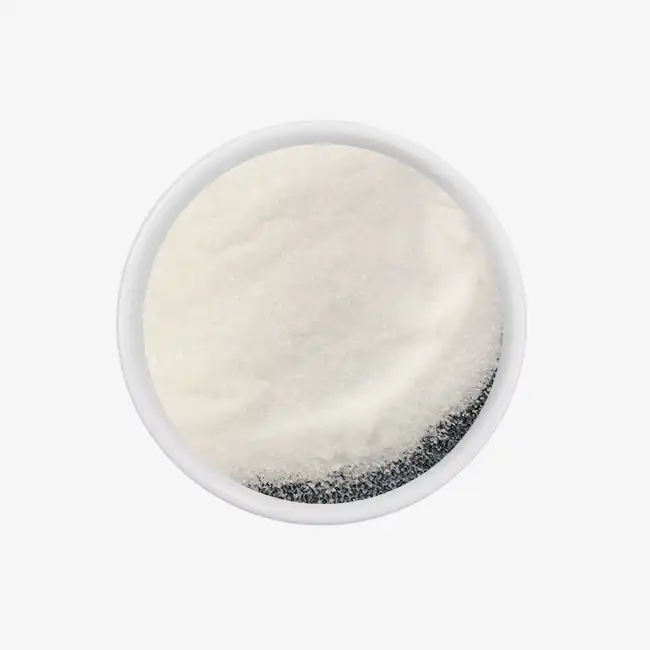
Potassium acetate (CH₃COOK) lowers the freezing point of water through collligative qualities, which stop hydrogen bonds from forming in ice crystals. When this white crystalline substance is put on a frozen runway, it dissolves quickly, making pockets of concentrated salt water that can go through ice up to 6 mm deep. The exothermic reaction gives off heat when the salt dissolves, which makes the melting process go much faster than with regular chloride-based salts. According to studies from the Federal Aviation Administration, acetate-based deicers make it 85% easier to remove ice from sidewalks compared to areas that haven't been treated.
Infrastructure Protection and Longevity
One of the most expensive problems in airport maintenance is corrosion. Sodium chloride normally breaks down alloys made of aluminium, magnesium, and cadmium, which are often found in aeroplane landing gear and electrical systems. Formulations of potassium acetate that meet SAE AMS 1431E standards show that they can prevent carbon steel from rusting at rates lower than 0.03g/m²·h, which is 90% lower than rock salt. Because it doesn't corrode, it makes runway lighting fixtures, electrical lines, and ground support equipment last longer. Airports that use deicers based on acetate say they need to fix the pavement 40% less often, which saves them a lot of money in the long run.
Environmental Advantages and Regulatory Compliance
Today, purchasing decisions are increasingly influenced by environmental responsibility and sustainable performance. Airport runway solid potassium acetate provides an eco-friendly deicing option because potassium acetate breaks down naturally through aerobic decomposition, with biological oxygen demand (BOD) levels that are significantly lower than many glycol-based alternatives. When urea-based deicers degrade, they can release harmful ammonia compounds that negatively affect aquatic ecosystems, while acetate decomposition produces naturally occurring carbon dioxide and water, making Airport runway solid potassium acetate a safer choice for aviation infrastructure and environmentally sensitive areas. Potassium acetate is generally considered an environmentally acceptable deicing material by regulatory agencies, helping airports and municipalities meet watershed protection requirements near sensitive waterways. The reduced environmental impact of Airport runway solid potassium acetate also helps lower long-term cleanup expenses for local governments and airport operators. For example, replacing chloride-based deicing products with sustainable acetate solutions can reduce stormwater treatment costs by approximately 35% while providing reliable runway ice control, corrosion protection, and improved environmental compliance.
Comparing Potassium Acetate with Traditional Runway Deicing Chemicals
Performance Benchmarking Against Common Alternatives
Usually, airport managers use a number of different deicing chemicals, each with its own pros and cons. The least expensive choice, sodium chloride, stops working below -9°C and does a lot of damage to infrastructure. Calcium chloride increases the operating temperature to -29°C, but it also pulls a lot of water, which makes surfaces slippery and causes tracking issues. Magnesium chloride works well at mild temperatures, but it makes concrete crumble faster. Urea used to be famous because it didn't corrode easily, but now it only works at -7°C and makes nitrogen chemicals that are bad for you. Aviation-grade potassium acetate works better than these other options in all important ways.
Testing for effectiveness at different temperatures shows big differences. Potassium acetate keeps working well up to -60°C, while sodium chloride stops melting ice at -9°C. This means that it can be used during polar vortex events and very cold winters in northern latitudes. Similar to how well acetate blends perform in ice penetration rates, acetate blends melt 50% faster at -20°C than calcium chloride blends. The optimal particle size distribution (bulk density 0.8–0.9 g/cm³) stops wind dispersion during jet blast conditions, so the material stays where it's put down and doesn't spread out across taxiways and decks.
Total Cost of Ownership Analysis
When potassium acetate is first bought, its prices are much higher than those of other salts, which makes budget-conscious decision-makers question the value propositions. Different results can be drawn from a full lifecycle study. Potassium acetate has better financial success over five-year planning horizons when corrosion-related fixes, environmental compliance costs, and application efficiency are all taken into account. Even though the materials are more expensive, international airports that use acetate-based systems report 28% lower winter maintenance budgets. This is because fewer workers are needed, the pavement lasts longer, and there are no more emergency rust fixes.
The rate of applications is a big part of operational economics. Because potassium acetate is hygroscopic, it can quickly absorb water and start working right away. This means that 30% less material per square metre is needed than calcium chloride to control ice in the same way. The substance works well with liquid pre-wetting systems, which makes it stick to ground surfaces better. This cuts down on bounce and scatter losses that happen with regular granular goods. These improvements in efficiency mean less space needs to be stored, less work needs to be done to move things around, and lower logistics costs during the buying and shipping cycles.
Application Methods and Best Practices for Potassium Acetate Use on Runways
Optimized Spreading Techniques and Equipment Requirements
For solid potassium acetate to be used effectively, the application equipment needs to be properly adjusted, and operators need to receive professional training. Airport runway solid potassium acetate requires accurate spreading methods to achieve reliable ice control performance while reducing material waste. Modern spreading trucks with variable-rate controllers can precisely apply the deicer based on surface temperature, ice thickness, precipitation levels, and runway conditions. For routine deicing operations, the recommended application rate is between 40 and 70 grams per square metre, while severe snow events may require an increased rate of 100 to 150 grams per square metre. Using pre-wetting technology, which combines solid granules with a 30% liquid solution, improves initial pavement contact and reduces activation time by approximately 40%, helping Airport runway solid potassium acetate(CAS NO.: 127-08-2) deliver faster melting performance.
Spreading equipment must also use compatible materials that can withstand the slightly alkaline characteristics of potassium acetate solutions. Stainless steel hopper and auger systems help maintain product purity, prevent contamination, and ensure consistent flow rates during runway treatment. For optimal distribution on runways wider than 45 meters, spinner disc systems should maintain rotational speeds between 400 and 600 RPM to achieve uniform coverage. Regular calibration and equipment inspections ensure even spreading patterns, prevent excessive application, and improve the efficiency, safety, and environmental performance of Airport runway solid potassium acetate in airport winter maintenance operations.
Storage and Handling Protocols
When chemicals are stored correctly, they stay safe and ready to use even during long winters. Potassium acetate is hygroscopic, which means it absorbs water from the air when the humidity is above 60%. Facilities must provide climate-controlled storage with enough airflow and shelter from direct rain or snow getting in. The compound comes in 25 kg woven bags or 1000 kg ton-bags that are resistant to moisture and have double-layer PE/PP covers that keep the purity standards above 99.0% content specs.
Routine handling procedures are given more weight in safety protocols than classifications of dangerous materials. There aren't many harmful effects from potassium acetate, but workers should still wear standard safety gear like gloves and eye protection when they're packing. The material should be kept away from things that don't work with it, like strong oxidisers and concentrated acids. As long as it is kept in dry, well-ventilated buildings away from heat sources and under the right conditions, the deicing will work just as well after 24 months.
Monitoring and Performance Optimization
Weather-responsive application methods keep safety margins while increasing productivity. Real-time pavement temperature sensors that are built into automated spreading systems change the rate of dosing as the storm moves through. Surface coefficient values are measured by friction tracking equipment, which sends out extra applications when readings drop below the operational limits of 0.40 for aeroplane landing requirements. After a storm, evaluations check for remaining ice adhesion and help with making calibration changes for the next weather event.
Monitoring the environment goes along with working rules. Acetate levels in storm drain overflow are regularly checked to make sure they stay below the allowed levels, which are usually less than 500 mg/L for bodies of water that receive them. By measuring biological oxygen demand, scientists can keep an eye on how quickly things break down in nearby watersheds. This shows that the environment is doing better than it did with old chloride data. These tracking systems provide proof that environmental permits are being renewed and show aircraft and environmental agencies that regulations are being followed.
Procurement Considerations for Solid Potassium Acetate in Airport Operations
Quality Certifications and Compliance Standards
The requirements for buying things must include known aircraft industry standards for materials used to melt ice on runways. SAE AMS 1431E has a lot of rules for making solid potassium acetate mixtures. These rules cover things like purity levels, particle size distribution, performance in stopping rust, and environmental effect levels. Products that meet these requirements are put through a lot of tests, such as rust sandwich tests, pH checks, heavy metal content analyses, and breakdown rate measures. Getting certification from outside testing labs proves that the rules are followed and protects airport owners from harm.
International certifications improve supply chain flexibility and ensure consistent quality across global procurement networks for Airport runway solid potassium acetate applications. Obtaining ISO 9001 quality management certification demonstrates that a manufacturer is committed to strict process controls, product consistency, and continuous improvement practices. ISO 14001 environmental management certification verifies that production methods follow sustainable principles, reduce waste generation, and support responsible chemical manufacturing. KOSHER and HALAL certifications help meet the requirements of different international markets, especially for facilities and organizations serving global operations. These certifications, together with material safety data sheets (MSDS), technical specification documents, quality inspection reports, and compliance records, provide essential information for procurement teams evaluating suppliers of Airport runway solid potassium acetate. By selecting certified manufacturers, buyers can improve product reliability, regulatory compliance, and long-term supply stability for airport deicing projects.
Supplier Evaluation and Partnership Criteria
For long-term supply agreements to work, the manufacturer's skills and reliability must be carefully evaluated. One of the most important things to think about is production capacity. Facilities that can make more than 150,000 tonnes of goods each year benefit from economies of scale and can keep up supply during peak winter demand times. By spreading out manufacturing sites across different areas, regional supply problems caused by transportation problems or localised production problems are less likely to happen. Established suppliers keep smart inventory reserves that make sure orders are filled quickly, with normal specs having wait times of 5 to 7 working days.
The ability to provide technical support sets exceptional suppliers apart from commodity vendors. Operational success is improved by responsive engineering teams that offer application guidance, equipment calibration help, and troubleshooting support within 2-hour response windows. Customisation services that meet the needs of each site, like changing the recipe to fit the local temperature or making special packaging for automated systems that move goods, give businesses a competitive edge. Joint development programs encourage new ideas for next-generation formulations that have better performance in harsh environments or at low temperatures.
Logistics Planning and Inventory Management
Strategically choosing when to buy something maximises both price and supply. When you sign a pre-season contract in the spring or summer, you can usually get better prices and be sure that your goods will be delivered when demand is highest in the winter and spot market availability drops. When planning a bulk shipment, it's important to keep in mind warehouse space limits and cash flow issues. You have to find a balance between volume savings, storage costs, and the need for working capital. Framework agreements that last more than one year set prices that can be predicted while still allowing for yearly changes in volume based on a study of past weather patterns.
To keep things in good shape while they're in transit, transportation logistics require special handling. Packaging that doesn't let moisture in keeps things from getting damp during shipping or long-term transport on land. When choosing containers, palletised layouts are favoured because they make automatic emptying easier and require less manual labour. Partnerships with international goods forwarders who know how to handle chemical operations make sure that transportation safety rules are followed across borders. Guaranteed shipping space assignments through formal deals with carriers keep supplies from stopping during times of high demand that affect many customers at once.
Making the Decision: Can Potassium Acetate Replace Salt for Your Airport's Runway Deicing Needs?
Strategic Assessment Framework
When making decisions, buyers need to evaluate potassium acetate adoption from multiple perspectives, including operational requirements, budget considerations, environmental regulations, and infrastructure protection needs. The severity of local climate conditions directly influences the value of Airport runway solid potassium acetate solutions. For example, airports that regularly experience temperatures below -15°C can quickly recognize the performance advantages of acetate-based deicing compared with traditional alternatives, thanks to its wider operating temperature range and reliable ice-melting capability. Corrosion-related costs are also affected by aircraft traffic volume, as airports with high-frequency operations face greater risks from chloride exposure that can damage landing gear, airframe components, and ground support equipment. Runway age and pavement conditions further influence the economic benefits of using Airport runway solid potassium acetate, because chloride-related concrete deterioration can accelerate surface damage and increase future repair expenses. By improving runway safety, reducing corrosion, and extending infrastructure service life, Airport runway solid potassium acetate provides long-term value for modern aviation maintenance programs.
More and more, regulatory settings require deicing options that are better for the environment. Airports that are close to protected rivers, drinking water sources, or sensitive biological areas have to follow strict rules about how much waste they can release. These rules favour biodegradable formulations. Environmental certification programs and flight authorities that require sustainability reports make people choose goods that have smaller carbon footprints and are safer for aquatic life. Because of these rules, initial cost differences are often not important, leaving potassium acetate as the only choice for facilities that want to get environmental leadership certifications.
Implementation Roadmap
To make the switch from traditional deicing agents to potassium acetate work, strategies for implementing it in stages are needed. Pilot programs that focus on certain parts of the runway or operating areas allow for limited testing without breaking safety rules for the whole airport. As a result of these tests, site-specific performance data is collected to confirm temperature effectiveness, application rate optimisation, and equipment fit in real-world operating settings. Comparing documentation to past chloride-based performance sets baseline metrics for decisions about expanded deployment.
Operator training programs make sure that workers know the differences in how to handle things and how to change their application techniques. Calibration changes for spreading equipment take into account differences in density between potassium acetate and previous materials. This keeps the equipment from applying too much or too little, which would be useless. Communication methods with flight operations, air traffic control, and airline partners let stakeholders know about important changes to deicing and any short-term changes to how things are done during the transition time. These combined execution efforts keep operations running as smoothly as possible while improving safety throughout the adoption process.
Conclusion
Some of the most challenging runway deicing requirements can be effectively addressed with potassium acetate, making Airport runway solid potassium acetate a technologically advanced and environmentally responsible solution for modern aviation operations. Its key advantages, including excellent low-temperature melting performance, reliable ice removal capability, corrosion protection for valuable airport infrastructure, and biodegradable characteristics, make it a superior alternative to traditional salt-based deicing products. Although the initial purchase cost of Airport runway solid potassium acetate may be higher than conventional options, a comprehensive lifecycle cost analysis shows that the total expenses can be significantly reduced through lower maintenance requirements, extended pavement and equipment service life, reduced corrosion damage, and easier compliance with environmental regulations. When airport operators prioritize operational efficiency, runway safety, sustainability goals, and long-term cost optimization, Airport runway solid potassium acetate delivers measurable value across critical performance areas, including winter weather reliability, infrastructure protection, and environmental management.
FAQ
Can potassium acetate damage runway lighting or pavement surfaces?
Aviation-grade potassium acetate that meets SAE AMS 1431E standards doesn't damage concrete, asphalt, or lighting fixtures that are embedded in the ground. Acetate formulations protect building stability, while chloride-based salts cause concrete to crack and electrical systems to break down. If you follow the manufacturer's instructions for the right amount of application, the surface won't get slippery for long, and the slightly alkaline pH (9.0-10.5) will still work with normal runway building materials. A lot of tests show that it doesn't have any bad effects on the sidewalk marks or the reflective glass beads that are used in surface striping systems.
How does storage humidity affect potassium acetate performance?
Because potassium acetate is hygroscopic, it easily soaks up water from the air when the humidity level is above 60%. This feature actually improves field performance by making it easier to activate quickly upon runway application, but it needs to be stored properly in climate-controlled facilities. For 24 months, products kept in double-layer PE/PP packaging that doesn't let water in will keep their chemical purity and flow characteristics. Once containers are opened, they should be quickly sealed again to keep wetness out, which could lead to caking or activation before release.
What equipment modifications are necessary for applying solid potassium acetate?
Potassium acetate can be spread with most modern vehicles with only minor changes. The slightly alkaline solution doesn't affect hoppers made of stainless steel or a coating, and normal auger and spinner disc systems do a good job of spreading the granules. The material has a mass density of 0.8 to 0.9 g/cm³, which is different from rock salt and needs to be taken into account when calibrating. Pre-wetting systems work better by mixing solid granules with liquid acetate solutions. They need spray nozzles and mixing chambers that work with each other. For material compatibility certificates and the best configuration choices for acetate-based goods, operators should talk to the equipment makers.
Partner with Zhaoyi Chemical for Your Aviation Deicing Requirements
Airport managers looking for reliable airport runway solid potassium acetate(CAS No.: 127-08-2) suppliers can work with Zhaoyi Chemical, which has been making acetate for more than 30 years. The aviation-grade formulas we make meet SAE AMS 1431E standards. They have purity levels above 99.0% and optimised particle distributions that stop wind spread during important operations. Our ISO 9001, ISO 14001, and ISO 45001 certifications show that we are dedicated to quality management, protecting the environment, and keeping workers safe. With the ability to produce up to 150,000 tonnes per year and strategic inventory stocks that allow for quick fulfilment, we can keep the supply going when winter weather calls for instant action. Get in touch with our technical team at sxzy@sxzhaoyi.com to talk about custom solutions, volume prices, and how our airport runway solid potassium acetate can help you meet your business excellence and environmental compliance goals during the tough winter months.
References
1. Society of Automotive Engineers. "SAE AMS 1431E: Solid Runway and Taxiway Deicing/Anti-icing Compound, Non-Urea Based." SAE International Standards, 2018.
2. Federal Aviation Administration. "Advisory Circular 150/5200-30D: Airport Winter Safety and Operations." U.S. Department of Transportation, 2020.
3. Transportation Research Board. "Airport Winter Safety and Operations." National Academies Press, Special Report 326, 2019.
4. Environmental Protection Agency. "Environmental Impact Assessment of Airport Deicing Operations." Office of Water Technical Report, 2017.
5. International Civil Aviation Organization. "Airport Services Manual Part 2: Pavement Surface Conditions." ICAO Doc 9137-AN/898, Fourth Edition, 2021.
6. American Society for Testing and Materials. "ASTM D7308: Standard Test Method for Determining the Deicing Performance of Freezing Point Depressants." ASTM International, 2019.

USER EVALUATE
Here is the customer's evaluation of us