



Can Potassium Acetate Reduce Snow Removal Costs for Municipalities?
Winter arrives each year with predictable challenges for municipal managers across the United States. Budgets tighten while roads demand constant attention. We've witnessed municipalities struggle with the dual burden of protecting infrastructure while maintaining public safety during severe weather events. Snow melting liquid potassium acetate(CAS NO.: 127-08-2) represents an innovative approach that addresses these concerns by delivering effective ice control with measurably lower long-term expenditures. Unlike conventional rock salt that damages concrete and contaminates watersheds, this liquid de-icing solution achieves freezing point depression to -35°C while maintaining corrosion rates below 0.03g/m²·h on carbon steel, making it a financially sound investment for forward-thinking public works departments.
Understanding Potassium Acetate and Its Physical & Chemical Properties
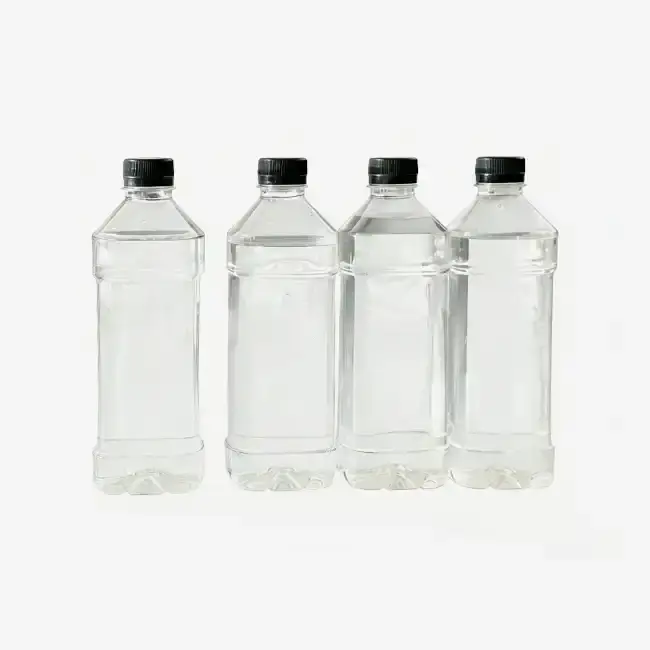
Understanding the science behind different de-icing products can help people who make decisions in cities. Potassium acetate is an organic salt that is made from acetic acid and potassium hydroxide. Its chemical formula is CH3COOK. This liquid is clear and colourless. It has a molecular weight of 98.14 and feels slightly acidic when you touch it.
Superior Low-Temperature Performance
When it comes to freezing points, this solution is different from other options. When the concentration is between 50 and 60%, the liquid still works even when the temperature outside drops below zero. In a temperature range where most solid deicers lose their effectiveness, this material works perfectly. Because it is thermally stable, the results will stay the same all winter long, without the delay that solid deicers need for breakdown.
Chemical Purity Standards
For local applications, quality control standards are extremely important for snow melting liquid potassium acetate to ensure consistent performance, safety, and environmental compatibility. The iron content remains below 0.002%, while arsenic levels are controlled below 0.0004%. Sulphate concentration limits are maintained at 0.05%, and heavy metals such as lead are kept below 0.01% to meet strict purity requirements. The chloride content limit of 0.01% helps protect metal surfaces from galvanic corrosion and ensures that snow melting liquid potassium acetate remains suitable for sensitive infrastructure, transportation facilities, and industrial equipment. These strict specifications guarantee that the product performs reliably without introducing harmful contaminants that could affect assets or operating systems. The pH value of snow melting liquid potassium acetate typically remains between 7.5 and 9.2, creating a neutral to slightly alkaline environment that reduces metal reactivity and supports corrosion protection rather than accelerating surface damage. With high purity, stable chemical properties, and reliable deicing performance, snow melting liquid potassium acetate is widely used for airports, roads, commercial properties, and environmentally sensitive winter maintenance applications.
Handling and Storage Considerations
Logistics that are useful affect choices about what to buy. The liquid comes in either 1000L IBC tanks or flexibags, which are both made to be handled by machines that are common in municipal yards. For storage purposes, buildings need to be dry, well-ventilated, and away from too much heat and wetness. Transportation rules stress that containers should be carefully unloaded to avoid damage. These reasonable needs can be easily added to the way the fleet already works, without the need for special facilities or a lot of staff training.
Why Potassium Acetate Is Effective for Snow and Ice Removal
To de-ice effectively, you need to do more than just melt the frozen water. The mechanism needs to keep working in all kinds of weather while protecting the structure of the pavement below. Acetate-based products work best because of how they react with ice crystals and road surfaces in a special way.
Freezing Point Depression Mechanism
Under normal weather conditions, water freezes at 32°F. Adding potassium acetate stops the growth of the crystal structure that makes ice. Ions that are dissolved in water make it harder for water molecules to stick together, so much lower temperatures are needed before the water can solidify. This drop in the freezing point keeps water from freezing on the roads even during long cold spells. At temperatures as low as -25°C, the snow melts at a rate of over 85% in just one hour. This makes the roads clear quickly, which lowers the risk of accidents during rush hours.
Immediate Activation Advantage
Solid de-icers used in the past have to dissolve first before they can work. This leaves a dangerous gap between using it and the ice melting. With liquid formulas, this wait is completely gone. When the solution hits the ground, it spreads out evenly and starts to work right away. Automatic spray systems on bridges and overpasses give exact dosing that gets the most coverage for the least amount of waste. Taking action right away is especially helpful when it's freezing raining and things are quickly getting worse.
Environmental Safety Profile
More than 95% of potassium acetate products are biodegradable, which means microorganisms can naturally break down the remaining compounds and reduce the risk of accumulation in soil or groundwater. snow melting liquid potassium acetate provides an environmentally responsible alternative to chloride-based salts, which can persist in the environment, contaminate drinking water sources, and negatively affect vegetation growing near roads. The organic composition of acetate-based deicing materials supports natural decomposition processes and improves environmental compatibility. With its biodegradable characteristics, low corrosion performance, and effective ice-melting capability, snow melting liquid potassium acetate helps municipalities, airports, and transportation departments meet EPA discharge requirements and watershed protection standards while maintaining safe winter operations. This sustainable deicing solution also helps protect ecosystems surrounding treated roads, parking areas, and critical infrastructure.

Infrastructure Preservation Benefits
Bridge decks are big expenses that break down quickly when they are exposed to salt. When chloride ions get into the safe alkaline environment, they oxidise the steel reinforcement bars that are buried in concrete. This corrosion makes the concrete around it expand, which cracks the concrete around it and makes the structure weak. Acetate-based de-icers keep the pH levels safe for steel while still being very good at melting ice. Bridges, parking garages, and strengthened concrete sidewalks can last for years or even decades longer because of less erosion.
Economic Analysis: Can Potassium Acetate Reduce Snow Removal Costs?
When administrators are watching their budgets, they naturally wonder if other options are better. A thorough examination of the finances shows that focusing only on the prices of materials bought hides the real cost situation. The total cost of ownership includes the cost of application labour, machine maintenance, infrastructure repairs, and cleaning up the surroundings.
Initial Material Cost Considerations
Products made from acetate cost more per unit than rock salt or calcium chloride. This difference in price is due to the more complicated production methods and better performance. However, cities and towns save a lot of money by reducing the number of applications they receive. The liquid form lets precise dosing that is matched to the weather, instead of the overspraying that can happen with granular materials. Automatic devices with sensors for the ground only use the product when it's needed, so blanket treatments are no longer necessary.
Reduced Equipment Wear and Maintenance
When spreading equipment comes into contact with chloride salts, it often deteriorates faster due to corrosion. Truck beds can rust through, hydraulic systems may develop leaks, and spray equipment can become blocked because of chemical damage. When maintenance operations switch to snow melting liquid potassium acetate, repair expenses can be significantly reduced. The low-corrosion formula of snow melting liquid potassium acetate(CAS NO.: 127-08-2) helps protect vehicle structures, spreading systems, and mechanical components over multiple winter seasons. Fleet managers can measure these cost savings by tracking repair frequency, replacement part requirements, equipment downtime, and overall service life improvements. Throughout a typical municipal budget cycle, the long-term savings generated by reduced maintenance, improved equipment durability, and fewer corrosion-related failures can outweigh the initial difference in material costs. With benefits including reliable ice control, equipment protection, and lower lifecycle expenses, snow melting liquid potassium acetate is an effective choice for municipal winter maintenance fleets.
Infrastructure Lifespan Extension
Bridge repair projects use up huge amounts of money from cities' capital funds. Taking preventative steps that delay major rebuilding by even a few years saves a lot of money in the long run. Studies from transportation offices that started using acetate de-icers show that concrete bridge decks break down much more slowly. The costs of not having to rebuild are much higher than the yearly costs of materials. Similarly, parking garages have longer useful lives when they are protected from corrosion caused by chloride.
Labor and Operational Efficiency
Liquid application systems allow deployments with just one operator where solid material spreading used to need two-person crews. Because there are fewer jobs available, extra costs are lower during storms. Installing Automated Fixed Spray Technology on key bridge approaches gets rid of the need for human application, freeing up workers to cover other parts of the route. These operational efficiencies add up over the course of several winter weather events.
How to Procure High-Quality Liquid Potassium Acetate For Municipal Use
Making sure there are reliable supply lines in place will keep winter maintenance activities going. Teams in charge of buying things have to look at providers in more than just price terms. Long-term happiness is affected by how consistent the quality is, how reliable the delivery is, and how good the technical help is.
Certification and Quality Standards
Getting ISO 9001 approval shows that a company is dedicated to using consistent output methods. Environmental management systems are covered by ISO 14001, which shows that the supplier is operating in a sustainable way. ISO 45001 is about managing health and safety at work. These foreign standards show that a group is competent in an objective way. Even though KOSHER and HALAL certifications are mostly used for food-grade products, they show that the whole facility follows strict quality control rules.
Supply Chain Reliability
Demand jumps are hard to predict when it's winter. If suppliers keep enough safety stock on hand, they can fill urgent orders when weather forecasts change quickly. Production lead times of 5 to 7 working days let us provide quick service during long cold spells. Imports in containers arrive on time because of established relationships with foreign shipping companies. Cities and towns should make sure that a provider can increase production during times of high demand without lowering quality.
Technical Support and Consultation
Suppliers with a lot of experience do more than just send chemicals. Maintenance crews can get the most out of dosing rates by following application guidance. Product testing services let cities and towns make sure that the materials supplied match the specs. Results get better every year thanks to ongoing optimisation suggestions based on data on seasonal performance. Technical support teams that are responsive and can answer questions within two hours keep operations running smoothly when questions come up.
Documentation and Compliance
Comprehensive Material Safety Data Sheets tell field workers how to handle things safely and meet OSHA standards for keeping records. With certificates of analysis for each production batch, problems with performance can be tracked back to the source. Suppliers who know how cities buy things make the hiring process go more smoothly and meet the needs of public bidding.
Comparison of Potassium Acetate with Alternative Deicing Solutions
When planning winter maintenance plans, city managers look at a number of deicing products. In each group, there are different pros and cons. By understanding these trade-offs, you can make smart choices that are in line with your budget and practical goals.
Sodium Acetate Comparison
Sodium and potassium acetates both work by lowering the freezing point in similar ways. Sodium acetate is less expensive per unit amount, but it doesn't hold up as well in very hot or cold temperatures. Because it keeps working better below -20°C, potassium acetate is better for cities in the north that are going through harsh cold spells. The potassium type is also good for farming because the leftovers add nutrients to plants growing next to roads instead of sodium, which harms the structure of the soil.
Calcium Acetate Evaluation
Calcium acetate is priced in the middle of sodium and potassium formulations in terms of price. It also has a melting point that is between these options. Some types of soil may benefit from the calcium content, but it can make stormwater runoff harder. Potassium acetate is better for watersheds that provide drinking water to cities or protect delicate aquatic ecosystems because it completely breaks down and doesn't harm the environment.
Chloride-Based Salt Analysis
Most of North America is already using sodium chloride as a technology. Its low cost makes it very popular, even though it has been shown to damage infrastructure and the environment. Below 15°F, chloride salts quickly lose their usefulness, so in colder places they need to be combined with calcium chloride or magnesium chloride. The rates of corrosion for chloride products are many times higher than those for acetate products. Long-term infrastructure maintenance highly supports acetate adoption, even though it costs more to buy at first.
Urea-Based Products
Urea briefly melts ice, but when it breaks down, it releases ammonia chemicals that hurt plants and pollute water. Urea is not good for places that care about the environment because it has high Biological Oxygen Demand and Chemical Oxygen Demand numbers. Many places have limited or banned the use of urea near rivers. It melts just as well or better than sodium acetate, and it doesn't hurt the earth in these ways.
Conclusion
Different needs always put pressure on municipal winter repair funds. When you look at the total lifetime costs instead of just the prices of the materials, you can find big ways to save money. Snow melting liquid potassium acetate(CAS NO.: 127-08-2) gives immediate operational benefits by activating quickly, working well at low temperatures, and being compatible with a wide range of applications. Long-term financial benefits come from less infrastructure corrosion, longer pavement and bridge service lives, and lower costs for equipment maintenance. Environmental benefits are in line with release permits and wetland protection laws that are getting stricter. Cities and towns that care about their budgets and infrastructure should run pilot programs that compare acetate solutions to what they're already doing to figure out how much better these solutions are for their specific needs.
FAQ
What temperature range does liquid potassium acetate remain effective?
When the right amounts are used, the fluid can melt ice down to about -35°C. Rock salt doesn't work very well below -10°C, so this result is much better than sodium chloride. The liquid form guarantees immediate activity without the waiting times that come with solid products.
How does potassium acetate impact environmental quality compared to road salt?
Over 95% biodegradability means that it can be broken down naturally by microbes without polluting the environment in the long term. Soil and groundwater will always have chloride salts in them, which kills plants and makes drinking water unsafe. The acetate mixture doesn't pose much of a threat to plants, aquatic life, or the health of the watershed.
What delivery and storage infrastructure do municipalities need?
Standard 1000L IBC tanks can be used with existing storage and fleet operations. The containers stack well and use standard lines to connect to automatic spray systems. For storage, warehouses need to be dry, well-ventilated, and not have any special climate control features other than basic weather protection.
Partner With Zhaoyi Chemical for Reliable Snow Melting Solutions
Zhaoyi Chemical has been making acetate for over 30 years and works with cities and towns all over North America. Our yearly production capacity of 150,000 tonnes makes sure that there is always a supply, even during times of high demand. Our ISO 9001, ISO 14001, and ISO 45001 certifications show that we care about quality, the environment, and the safety of our operations. We keep a safety stock just in case the weather report changes without warning and the city needs to place an emergency order.
As a reliable provider of snow melting liquid potassium acetate, we offer cheap mass pricing that is tailored to the budget cycles and buying needs of cities. Within two hours of receiving an inquiry, our technical team will provide application consultation, which will help your maintenance crews find the best dosing protocols for the conditions in your area. For your winter maintenance program, email sxzy@sxzhaoyi.com to get detailed specifications, batch testing data, and custom quotes. Our full help makes sure that acetate-based de-icing fits right into your processes.
References
1. American Public Works Association. "Winter Maintenance Operations: Best Practices for Snow and Ice Control." Washington, DC: APWA Press, 2021.
2. Transportation Research Board. "Environmental Performance of Acetate-Based Deicing Products." National Cooperative Highway Research Program Report 577, 2019.
3. Pacific Northwest Snowfighters Association. "Liquid Anti-Icing and Pre-wetting Guidelines for Winter Roadway Maintenance." Seattle, WA: PNS Publications, 2020.
4. National Association of Corrosion Engineers. "Comparative Corrosion Analysis of Highway Deicing Chemicals on Infrastructure Materials." NACE International Technical Report, 2018.
5. U.S. Environmental Protection Agency. "Best Management Practices for Winter Road Maintenance to Protect Water Quality." EPA Publication 832-F-18-003, 2018.
6. Canadian Strategic Highway Research Program. "Synthesis of Best Practices: Road Salt Management." Technical Report C-SHRP-2015, Ottawa, Ontario, 2017.

USER EVALUATE
Here is the customer's evaluation of us