



Reliable Potassium Acetate Deicer Supply for Municipal Projects
Municipalities and highway contractors need more than just deicer during winter storms that threaten the safety and continuity of infrastructure. They need a reliable partner. Deicing liquid potassium acetate(CAS NO.: 127-08-2) is a tried-and-true method for keeping important areas from freezing and stopping infrastructure from rusting. This article talks about why acetate-based deicers are now the best choice for airports, bridges, and city roads. It also talks about how to build strong supply chains that keep your business running smoothly even when the weather is bad.

Understanding Potassium Acetate Deicing Liquid
When it comes to anti-icing and deicing agents, deicing liquid potassium acetate stands out as a high-tech solution designed for places where performance and environmental responsibility meet. Unlike regular rock salt or calcium chloride, this clear, colourless liquid (CAS NO. 127-08-2) works well at temperatures as low as -60°C (-76°F), keeping runways safe and roads accessible during extreme freeze events.
Chemical Composition and Performance Characteristics
With a molecular weight of 98.14, the acetate's simple chemistry can be seen in its molecular formula CH₃COOK. High-quality deicing liquid potassium acetate mixtures usually contain between 50 and 60% potassium acetate and are balanced with rust inhibitors that protect metals and concrete structures. The specific gravity is between 1.25 and 1.30, which means that the solution can easily penetrate layers of ice and melt frozen connections between sidewalks and precipitation.
The way that acetate-based deicers work is what makes them different from other options. Deicing liquid potassium acetate does not just generate heat through exothermic dissolution; it also lowers the freezing point of water significantly, preventing ice crystals from forming before strong bonds can develop. The pH range of 7.5 to 9.2 ensures compatibility with sensitive equipment and automated spray systems, which reduces the maintenance requirements of application equipment.
Environmental Benefits and Regulatory Compliance
Environmental effects and operational efficiency are becoming more and more important to municipal procurement teams. Potassium acetate breaks down quickly without releasing harmful nitrogen compounds. This is very different from urea-based alternatives, which put a lot of stress on water systems by increasing the Biological Oxygen Demand (BOD). Acetate solutions are great for building bridges next to rivers and running airports next to marshes because of this property.
The non-chloride mixture stops the faster corrosion that happens with regular salt treatments. Concrete rebar, aeroplane aluminium alloys, and bridge steel parts keep their structural integrity over longer service lives. This means that infrastructure lasts longer and costs less to maintain. Following the SAE AMS 1435 aerospace standards and the EPA's environmental discharge limits gives you the proof you need for grant applications and regulatory reporting.
Comparing Potassium Acetate to Alternative Deicing Solutions
In order to choose the best deicer, you need to know how different chemicals work in different environments and situations. Each choice has its own pros and cons that affect both how well it works right away and how much it costs in the long run. Deicing liquid potassium acetate provides a superior alternative to traditional chlorides.
Performance Analysis Across Temperature Ranges
Most public deicing is done with sodium chloride and calcium chloride because they are easy to use and cheap to buy at first. The melting point of rock salt is below -9°C (15°F), but the melting point of calcium chloride is above -29°C (-20°F). Potassium acetate stays liquid and can deice even at -60°C, which gives operators extra time to avoid emergencies during polar vortex events or when mountain passes are closed.
Glycol-based deicers work about the same in cold weather, but they come with different safety concerns. Propylene glycol needs more of it to work as well as ethylene glycol at keeping things from freezing, and the fact that it stays in the land for a long time makes people worry that it could pollute groundwater. Acetate solutions are often required by aviation facilities because glycol's higher viscosity makes it harder to use spray equipment and infection of aeroplanes poses a safety risk.
Infrastructure Impact and Total Cost of Ownership
Chloride-based deicers speed up the deterioration of concrete, rebar, and vehicle undercarriages. According to separate studies, fixing chloride-damaged infrastructure will cost more than five times what the deicer saved in the beginning over the lifecycle of the infrastructure. The people in charge of highway bridge decks think that moving to deicing liquid potassium acetate and other non-corrosive materials will make structures last decades longer, which will completely change how they plan for capital projects.
The efficiency of the application rate has a big effect on the costs per season. Deicing liquid potassium acetate(CAS NO.: 127-08-2) provides better spreading properties and longer surface stay time, meaning that it does not need to be reapplied as often during long storm events. Automated bridge spray systems that use acetate solutions report 30–40% lower yearly usage compared to chloride programs. This improved efficiency helps offset the higher cost per gallon.
Specialized Applications Requiring Acetate Chemistry
Airport runways are the hardest places to de-ice because keeping the friction coefficient up directly affects the safety margins for landing. The Federal Aviation Administration is recommending acetate-based products more and more because they keep the texture of the ground intact and don't leave behind the slippery residue that some glycol formulas do. The fact that they don't track keeps terminals and aeroplane cabins from getting dirty.
Fixed Automated Spray Technology (FAST) systems used to protect bridge decks show how well acetate can be integrated. These systems turn on based on sensors in the pavement and apply precise treatments before a storm. Acetate's low viscosity makes sure that spray patterns and valve reliability are always the same, and the fact that it stays chemically stable in storage tanks between weather events takes away any worries about degradation.
How to Choose and Procure the Right Potassium Acetate Deicing Liquid
Setting clear quality standards and guidelines for evaluating suppliers is the first step to successful procurement. More and more, municipal purchasing offices have to find a balance between tight budgets, performance standards, and supply reliability. This makes choosing a seller more of a strategic choice than a transactional purchase of deicing liquid potassium acetate.
Quality Certification and Product Specification Verification
Professional-grade acetate deicers have labels that show they are chemically pure and made consistently. ISO 9001 certification means that quality management is done in a planned way, and ISO 14001 certification means that environmental process controls are in place. For specialised uses, extra proof is needed. For example, KOSHER and HALAL certifications make sure that production is kept separate, which is very important for places that serve a variety of communities.
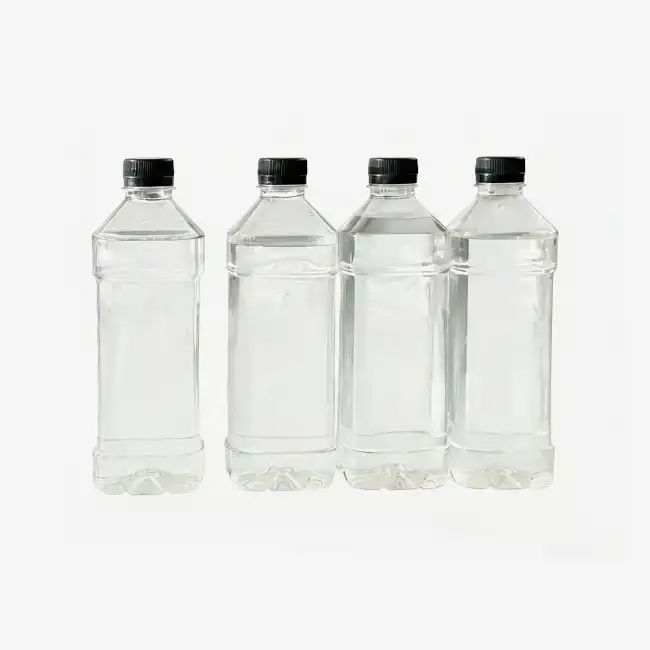
Ask for Certificates of Analysis (CoA) that show test results that are specific to each batch. Some important factors are the amount of acetate (50–60%), heavy metals (less than 0.01% lead and 0.0004% arsenic), and chloride contamination (less than 0.01%). These standards keep equipment from rusting in strange ways and make sure that melting works the way it's supposed to. Refractive index readings give concentration confirmation that can be checked in the field, so getting inspection can happen without having to wait for lab analysis.
Supplier Reliability and Supply Chain Assessment
Supply problems during busy weather events can't be tolerated by municipal winter maintenance plans. When looking at possible providers, you should think about how much they can produce compared to your seasonal needs. Manufacturers with facilities that can handle more than 150,000 tonnes of cargo a year keep inventory buffers and production flexibility that smaller businesses or broker networks can't offer.
The thirty-year history of operations at Shanxi Zhaoyi Chemical shows that the company is stable enough to meet the needs of local contracts. Production lead times of 5 to 7 working days and 24-hour expedited options give you options for how to plan, and strategic shipping partnerships make sure that containers are available when demand is high during the busiest times of the year. Different types of packaging, like 1000L IBC tanks for bulk operations and flexitanks for shipping in containers, can be used with different types of storage facilities and delivery systems.
Contract Negotiation and Long-Term Partnership Development
Multi-year supply deals keep prices stable and make sure that supplies are distributed evenly during times of lack. Minimum order quantities, flexible shipping schedules, and emergency supply methods should all be part of the frameworks for negotiations. Payment terms (FOB, CIF, DAP) have a big impact on landed costs, especially for cities and towns in the interior that have to coordinate goods.
Transactional suppliers are different from strategic partners because they don't offer technical support. Having access to application experts who know the local weather trends and how the infrastructure is set up can help you get the most out of your dilution rates, spray times, and equipment calibration. This consultation feature cuts down on waste, boosts performance, and extends the time between service gaps for equipment—value offerings that go beyond just buying products.
Best Practices for Using Potassium Acetate Deicing Liquid
To use deicing liquid potassium acetate effectively, you need to know how to apply them, what equipment will work with them, and when to use them. These techniques make ice protection work better while using less product and releasing less pollution.
Application Methodology and Rate Optimization
Anti-icing applications, which are used before it starts to rain, work better than reaction deicing applications, which are used after ice forms. Spray 20 to 40 gallons of acetate solution per lane mile one to three hours before the storm. This will make a liquid barrier that keeps ice from sticking to the pavement. This proactive approach cuts down on the need for mechanical removal and keeps traffic moving during bad weather.
Decisions about dilution are based on temperature and the amount of rain or snow. When the temperature gets close to the eutectic point, pre-mixed 50% acetate solutions work best. When the temperature stays reasonable, the solutions can be diluted to 30–40% strength, which increases supply and lowers costs. Acetate has a low viscosity, so it spreads well at conservative rates. Don't use too much of it, because too much will cause runoff instead of pavement coverage.
Equipment Compatibility and Maintenance Considerations
The acetate doesn't react badly with modern spray equipment made of stainless steel, polyethylene, or fibreglass. For long-term keeping, don't use carbon steel tanks that aren't lined because they may get a little discoloured even with rust inhibitor packages. Coverage regularity is affected by the nozzle choice; fan spray patterns work best on bridge decks while cone patterns work best on runways.
Every year, you should calibrate spray systems to keep the correct application rates as the pump parts wear out. Acetate doesn't freeze like water-based salt solutions do, which makes operations easier in cold weather. However, systems should be flushed well at the end of the season to keep crystals from forming in equipment that isn't being used. The pH-neutral formulation makes the pump seal and gasket last longer than with chloride brines, which means that maintenance needs to be done less often.
Storage Requirements and Shelf Life Management
Keep acetate solutions in places that are dry, well-ventilated, and away from heat sources and materials that won't work with them. If you store something the right way, it will last forever, but after two years, you have to re-certify the percentage and pH values to make sure they meet the requirements. The clear, colourless look lets you check the quality visually; any cloudiness or discolouration means contamination that needs to be analysed in a lab before it can be used.
The choice of container material affects the cost of storage. High-density polyethylene (HDPE) totes are easy to move around and won't rust, while stainless steel tanks are strong enough to last for decades and are used for permanent storage. Flexitanks make it easy to ship containers to places that don't have the right equipment for unloading large amounts of cargo. They do this by turning normal containers into temporary storage vehicles.
Reliable Supply and Support: Partnering with a Trusted Potassium Acetate Supplier
The success or failure of winter maintenance programs depends on how resilient the supply chain is during times of high demand for deicing liquid potassium acetate. When a seller fails, it causes more problems than just practical ones. For example, not having enough deicer on hand puts people at risk and leaves agencies open to liability claims.
Risk Factors in Deicer Procurement
The abundance of raw materials, limited shipping space, and changes in regulations are making global chemical supply lines more unstable. When you only buy from one source, you are more likely to be affected by problems with quality or production. When bad weather hits multiple areas at once, suppliers who don't have enough product gaps can't handle demand spikes.
Logistics for transportation add secret risks to the supply chain. For international suppliers, shipping acetate in containers needs special handling and customs paperwork. Import delays and currency exchange risk are eliminated by domestic makers, giving city budgets the supply predictability they need. Shanxi Zhaoyi Chemical has long-term connections with shipping companies around the world that protect delivery plans when freight markets get tight. These relationships secure container space when capacity is limited.
Supplier Evaluation Criteria
Facility inspections and quality system audits are the first steps in figuring out how well a manufacturer can do their job. Getting ISO 9001, ISO 14001, or ISO 45001 certifications shows that you take a systematic approach to things like product quality, environmental management, and worker safety. These are all signs of operational development. Depending on your needs, production capacity determines whether you are a strategic account that gets extra attention or a marginal customer that could be moved around during shortages.
References from customers of similar municipal operations show that the work is good, which isn't shown in marketing materials. Ask specifically about how they handle emergencies when demand suddenly rises, the quality of their technical support, and the accuracy of their documentation. Suppliers who back Fixed Automated Spray Technology setups can give you information about how to make the system work better that you can't get from regular chemical sellers.
Building Strategic Partnerships
When you work together with your suppliers, you can turn procurement from a one-time transaction into a strategic advantage. Share estimates of seasonal demand so that providers can plan their production schedules and keep raw materials on hand. This openness helps both parties get the most out of their goods, which lowers costs and increases supply.
Zhaoyi Chemical's expert team helps with troubleshooting, application advice, and equipment testing. This is valuable help that goes beyond just delivering products. This feature lets consultation help municipal teams find the best application rates based on the weather in the area, which cuts down on waste while keeping performance standards high. Customisation options for products meet specific operational needs that can't be met by standard catalogue items.
Conclusion
Municipal winter maintenance programs depend on having a steady supply of deicing liquid potassium acetate(CAS NO.: 127-08-2). Because they work better at low temperatures, protect infrastructure, and don't harm the environment, acetate-based solutions are the best choice for government agencies that want to manage assets for the long term while also getting things done quickly. Choosing providers with a track record of producing goods, quality certifications, and technical support skills turns procurement from a risk management exercise into a competitive edge. Shanxi Zhaoyi Chemical has been making acetate for 30 years, can produce 150,000 tonnes of it every year, and has all the quality certifications that are needed. This gives municipal operations the supply chain stability and technical relationship they need.
FAQ
What temperature range makes potassium acetate effective for municipal deicing?
At its eutectic point, which is about -60°C (-76°F), deicing liquid potassium acetate stays useful at very low and very high temperatures. For practical deicing tasks, -29°C to -35°C (-20°F to -30°F) is usually the lowest temperature at which melting can happen at an acceptable application rate. This temperature performance is much better than sodium chloride (-9°C effective limit) and calcium chloride (-29°C), giving you extra time to work when other deicers fail during very cold spells.
How does acetate-based deicer impact concrete and rebar compared to road salt?
Through electrochemical processes, chloride-based deicers speed up the scaling of concrete and the corrosion of steel support. Since acetate formulations don't have any chloride compounds, this way of breaking down isn't possible. Studies on infrastructure show that changing from chloride to acetate programs can add 15 to 25 years to the service life of bridge decks. Because it is pH-neutral, it doesn't react with acids like some other deicers do, so the roughness and structure of the ground are kept intact.
What storage conditions ensure product quality?
Acetate deicing liquid should be kept in dry, well-ventilated storage in sealed cases, away from heat sources and chemicals that don't mix. Stainless steel (304/316), high-density polyethylene, and fibreglass are all materials that can be used together. Under the right conditions, the product can stay on the shelf indefinitely, but after two years, the quantity must be checked to make sure it meets the requirements. If you store untreated carbon steel for a long time, it may get a little discoloured, even if you use rust inhibitors.
Contact Zhaoyi Chemical: Your Acetate Deicer Manufacturer
Supply partners for municipal operations should know that getting ready for winter saves neighbourhoods and infrastructure. Zhaoyi Chemical combines high-quality production with quick customer service to make sure your deicing liquid potassium acetate comes on time and with proof that it meets all of your requirements. Our expert team looks at the needs of your application and suggests the best concentrations and supply plans that balance performance with your budget. You can email sxzy@sxzhaoyi.com to talk about your seasonal needs, ask for product samples to test in the field, or look into bulk supply options. When procurement teams work with well-known deicing liquid potassium acetate suppliers, they can rest easy knowing that their winter operations are backed by 30 years of experience making chemicals and a reliable supply chain.
References
1. Transportation Research Board. (2022). Winter Maintenance Technology and Practices: Acetate-Based Deicing Chemicals. National Academies Press.
2. Federal Aviation Administration. (2021). Advisory Circular AC 150/5200-30D: Airport Winter Safety and Operations. U.S. Department of Transportation.
3. American Society for Testing and Materials. (2020). ASTM D7097: Standard Test Method for Determining the Freezing Point Depression of Aqueous Solutions. ASTM International.
4. Environmental Protection Agency. (2019). Assessing Environmental Impacts of Roadway Deicing Chemicals: Comparative Study of Chloride and Acetate Alternatives. EPA Technical Report Series.
5. National Association of Corrosion Engineers. (2021). Corrosion Effects of Deicing Chemicals on Bridge Infrastructure: Long-Term Performance Analysis. NACE International.
6. International Civil Aviation Organization. (2020). Airport Services Manual Part 2: Pavement Surface Conditions – Deicing and Anti-Icing Procedures. ICAO Technical Publications.

USER EVALUATE
Here is the customer's evaluation of us