



The Low-Corrosion Edge of Deicing Liquid Potassium Acetate
When winter comes and ice threatens operations, procurement managers have to make a tough choice: how to deice the roads in a way that keeps safety standards while protecting infrastructure. Deicing liquid potassium acetate has become the best option for businesses that care about the environment and keeping their assets in good shape. Traditional chloride-based deicers are very rough on metal surfaces and concrete buildings. This acetate-based formulation, on the other hand, melts ice very quickly at temperatures as low as -60°C without harming airports, bridge decks, or industrial equipment. This complete guide looks at why potassium acetate liquid deicers are a smart investment for B2B buyers who want to balance short-term cost savings with long-term operating efficiency.
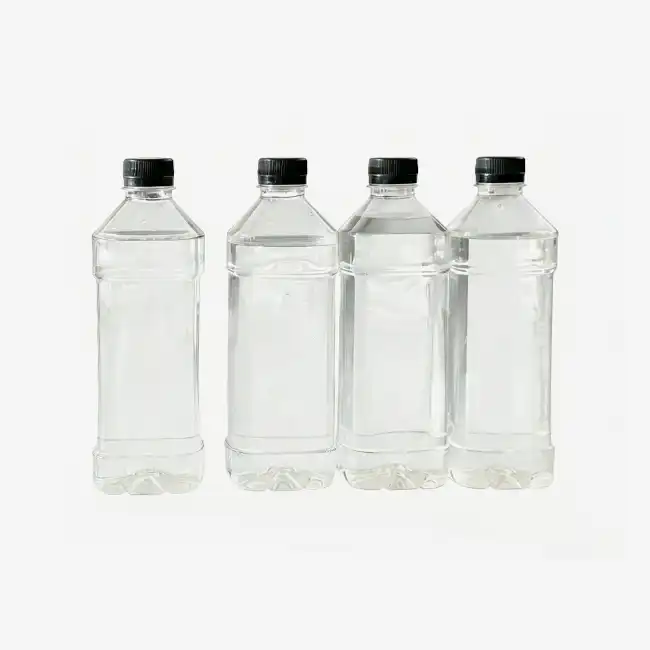
Understanding Potassium Acetate Deicing Liquid
Chemical Composition and Mechanism
The molecular weight of potassium acetate (CH₃COOK, CAS No. 127-08-2) is 98.14, and it is a clear, white liquid. It works as a strong cryogenic agent that lowers the freezing point of water through colligative qualities when mixed with water to make a deicing liquid potassium acetate solution at a strength of 50 to 60%. The acetate anions break down the hydrogen bonds between water molecules, which stops ice crystals from forming even when it is very cold. This chemical stability makes sure that the product works the same way at all temperatures, which helps airport officials and highway repair contractors with their problems.
Safety and Environmental Profile
Today, choices about what to buy are based on environmental factors. Compared to urea-based options that pollute watersheds with nitrogen, potassium acetate breaks down quickly and completely, causing almost no biological oxygen demand. The solution keeps the pH level between 7.5 and 9.2, which creates a buffering environment that protects plants around it and neutralizes any acidity that might be present. Meeting the requirements of SAE AMS 1435 for aircraft materials proves that it can be used in sensitive areas where other deicers fail safety tests. The less work that has to be done to treat runoff at municipal wastewater treatment plants is appreciated because acetate molecules naturally break down in biological processes without leaving behind any harmful residues.
Performance in Extreme Conditions
Industrial activities can't afford to be shut down because of bad weather. It is possible for potassium acetate liquid to stay fluid and melt at temperatures where glycol-based goods harden and stop working. With a specific gravity of 1.25 to 1.30 at 20°C, the solution easily cuts through layers of snow and ice, removing ice bands from the ground. Testing shows that deicing rates are higher than 80% in just one hour at -20°C, which means that the surface will clear quickly during important operating times. This dependability means that friction factors on airport runways stay the same and accident risks go down on industrial access roads.
Comparing Potassium Acetate to Other Deicing Solutions
Corrosion Potential Analysis
The most important difference is the rate of rusting. Traditional calcium chloride and magnesium chloride mixtures speed up the electrolytic corrosion of carbon steel at rates higher than 0.15g/m²·h. This causes bridge beams and vehicle undercarriages to become less stable. Testing deicing liquid potassium acetate solutions in the lab shows that they lower the rate of rusting by 80%, to less than 0.03g/m²·h for carbon steel and 0.01mm/year for concrete. Airport managers who are in charge of aluminum alloy aircraft parts really like this feature because chloride-induced corrosion of cadmium and magnesium alloys causes expensive repair cycles and safety issues.
Temperature Efficiency Comparison
Different deicing chemicals have very different melting rates. While sodium acetate solutions also have low corrosion properties, they have higher eutectic freezing points around -30°C, which makes them less useful for activities in the cold. Concerns have been raised about the toxicity and varying performance of ethylene glycol formulations, while urea-based solutions stop working below -10°C. The melting point of potassium acetate stays the same across the entire working range. It works well where other goods solidify or become thick. This wider temperature range means that products don't have to be switched based on weather estimates. This makes inventory management easier for chemical wholesalers who serve areas with a range of climates.
Long-Term Cost Justification
When procurement teams compare the starting cost to the total cost over the life of the product, they find strong economics. Protecting infrastructure from chloride attacks stretches its useful life by decades, putting off capital replacement costs that are much bigger than the yearly budget for deicing. Highway upkeep companies say that they have had to fix less spalling concrete and less corrosion damage to vehicles, which has saved money over three-year review times. When figuring out the total cost of ownership, environmental compliance costs are also taken into account. For example, when acetate runoff doesn't need to be treated as much, wastewater handling costs go down. More and more companies that use sustainability reports see these saved costs as a reason to charge more for their salt products compared to regular salt products.
Technical Usage and Application Best Practices
Concentration and Dilution Guidelines
The best application densities strike a mix between performance and cost-effectiveness. An undiluted 50–60% deicing liquid potassium acetate solution melts ice the fastest when there is a lot of it. It is usually sprayed on at a rate of 1-2 liters per square meter using truck spray systems. Anti-icing uses profit from diluting to 30–40% concentration, which creates protective walls before precipitation events while using less material. Automatic bridge deck systems have concentration monitors that change the dilution ratios based on readings of the sidewalk temperature. This makes the best use of materials while still protecting the bridge. Managers of industrial facilities who take care of outdoor equipment pads get good results when they use regular spraying equipment to apply 40% solutions.
Application Method Selection
Different types of equipment need different ways of applying applications. For deicing airport runways, high-volume spray booms are placed on special tanker trucks. The product is applied in passes that overlap to make sure all important friction zones are covered. Fixed Automated Spray Technology (FAST) systems on bridges use tip arrays that are activated by sensors that measure temperature and moisture to spray the right amount of material without any help from a person. When you mix potassium acetate liquid with solid abrasives in pre-wetting methods, the particles stick together better, which lowers scatter loss and increases material retention on sloped surfaces. To get the desired result, each method needs to be calibrated to the specifics of the object and the elements in the area.
Storage and Handling Protocols
Your investment is safe as long as the product's purity is kept up throughout the supply chain. Potassium acetate liquid can be kept for an infinitely long time if it is kept in dry, well-ventilated stores away from heat sources and materials that don't work with it. Carbon steel tanks need protection coats to keep things from interacting with them over time, while containers made of stainless steel and high-density polyethylene don't get contaminated. Standard packing in 1000L IBC tanks or flexitanks makes it easier to move large amounts of goods and lowers the cost of shipping each unit internationally. Specifications for buying should make sure that the chloride content is less than 0.01% and that the amounts of heavy metals meet strict quality standards. This will make sure that the deicing works consistently and that the environment is protected.
Procurement Considerations for Potassium Acetate Deicing Liquid
Supplier Evaluation Criteria
Comparing prices isn't the only thing you need to do to find trusted chemical providers. Manufacturers that have been around for a while and have ISO 9001, ISO 14001, or ISO 45001 certifications show that they care about quality control and the environment. Since its founding in 1988, Shanxi Zhaoyi Chemical Co., Ltd. has been making more than 150,000 tons of acetate products every year. This company is a great example of the manufacturing know-how needed for a steady supply of deicing liquid potassium acetate. KOSHER and HALAL approvals mean that the ingredients have been carefully checked and are suitable for specific uses. Buyers in controlled industries should make sure that the third party can test the goods and ask for batch-specific reports of analysis that list purity parameters and contaminant levels.
Logistics and Supply Chain Management
A good procurement process combines the supply of materials with the costs of keeping an inventory. Reliable providers keep safety stock on hand so that orders can be filled quickly. For large amounts, the normal production wait time is 5 to 7 working days. International buyers gain when suppliers keep smart ties with global shipping companies. This makes sure that ocean freight rates are fair and that there is enough space for containers during the busiest winter months. Different people's risk tolerance and transportation skills can be accommodated by flexible trade terms like FOB, CIF, and DAP. Chemical wholesalers who deal with a wide range of customers like it when sellers offer custom packaging options and help with paperwork for international transactions.
Quality Assurance and Traceability
Operational consistency depends on products that work the same way in all packages. Leading makers use batch tracking systems that connect production records to delivery paperwork. This lets problems with performance be looked into quickly if they happen. Thorough testing procedures make sure that the right amount of potassium acetate is present, that small contaminants like iron, arsenic, sulfate, and heavy metals are being monitored, and that the freezing point requirements are met. Before committing to large-volume orders, buyers should ask for free tests to make sure the product works with their current application equipment and that it performs as promised. This process of proof builds trust and sets clear goals for long-term supply partnerships.
Making the Smart Choice: Why Choose Potassium Acetate?
Infrastructure Preservation Benefits
Corrosion damage is one of the hardest things for both public and private asset owners to fix when it comes to infrastructure. The Federal Highway Administration says that the cost of rusting on highway bridges alone each year is more than a few billion dollars. Chloride deicers are thought to be the main cause of this damage. Changing to deicing liquid potassium acetate formulations directly stops this process of degradation, increasing the service life of bridge decks and lowering the number of emergency repairs that need to be done. Industrial sites that take care of steel buildings outside have measurable lower maintenance painting cycles because protective coatings stay in place without chloride destroying them. Over decades, these benefits of preservation add up to big economic gains that make the initial decisions to buy worthwhile.
Environmental Compliance Advantages
Based on estimates of their environmental effect, regulations are putting more and more limits on standard deicing chemicals. Potassium acetate options put businesses ahead of standards that are getting stricter, meeting current needs while planning for future limits. The biodegradable recipe lowers the risk of liability that comes with polluting land and waterways. Adopting acetate deicers is seen as a measurable step toward environmental goals by companies that want to get LEED certifications or make business sustainability promises. This alignment of regulations is especially helpful for airport owners and local governments that are under a lot of scrutiny from the public about how they do winter maintenance and how it affects the environment.

Future Industry Trajectory
A study of the market shows that acetate-based deicing products are becoming more popular in the shipping and manufacturing sectors. New technologies in automated application systems favor liquid formulas over solid goods. This leads to investments in infrastructure that lock in material choices for the long term. Cost-effectiveness will get even better thanks to research projects that are looking into better rust prevention packages and performance additives. When procurement workers build relationships with suppliers, they put their companies in a position to gain from ongoing product development while also getting better business terms by showing loyalty. Because potassium acetate is better at performance, better for the environment, and cheaper, it is likely to keep replacing older goods over the next ten years.
Conclusion
When choosing deicing options, you have to weigh the short-term costs against the long-term effects on the environment, infrastructure, and the dependability of operations. Deicing liquid potassium acetate is the theoretically better choice for companies that are in charge of airports, bridges, highways, and industrial sites where protecting assets is worth spending more on better performance. The proven ability to reduce rust, work in harsh environments, and be successful at high temperatures solve basic problems that plague traditional deicing methods. When procurement teams look at providers, they should give more weight to makers who can show they have the production capacity, quality standards, and technical support skills needed for a long-term relationship. There is a lot of evidence that supports clear conclusions: acetate-based deicers are smart investments that pay off in the long run by increasing asset life and lowering upkeep costs.
FAQ
Is potassium acetate safe for concrete and metal surfaces?
It is true that potassium acetate works very well with both metal and concrete surfaces. Corrosion tests show that rates for carbon steel are less than 0.03g/m²·h and for concrete they are less than 0.01mm/year, which means that the materials don't interact much. The buffered pH range stops the acidic attack that some chemical deicers cause, and the lack of chloride ions stops the electrochemical rust that hurts steel and other structure metals.
How does pricing compare to calcium chloride for bulk orders?
Even though potassium acetate costs more per gallon than common chloride salts, the total cost of ownership shows that the two are competitive. Lower costs for environmental compliance, longer machine life, and less money spent on fixing infrastructure more than make up for material premiums within normal evaluation times. When you buy in bulk from reputable companies like Zhaoyi Chemical, you can get the best prices per unit while also ensuring stable quality and on-time delivery.
What storage conditions maintain product effectiveness?
Potassium acetate liquid needs to be stored in a dry, well-ventilated building that is away from heat sources and materials that don't work with it. If the product is stored in the right containers, like stainless steel tanks, HDPE drums, or normal IBC totes, it will stay fresh for a very long time. By keeping moisture and other contaminants out, concentration and performance traits are kept the same during storage times.
Partner with Zhaoyi Chemical for Reliable Deicing Solutions
Zhaoyi Chemical can help you with your winter maintenance problems because they have been making acetate for more than 30 years. We have been making deicing liquid potassium acetate for a long time and can produce up to 150,000 tons of it every year. This means that we can give procurement managers the steady quality and stable supply they need. Our ISO-certified production centers and thorough quality tests make sure that every shipment meets strict requirements for performance, purity, and concentration. In addition to providing products, our expert team also gives application advice, tests for compatibility, and makes suggestions for optimization that are specific to your business needs. We support variable payment terms, custom packaging, and fast shipping to meet the pressing needs of the season. Email our team at sxzy@sxzhaoyi.com to talk about your deicing needs, get product samples, or start buying in bulk. Zhaoyi Chemical is ready to help you switch to better deicing options that don't cause corrosion, whether you're in charge of an airport, a highway repair program, or an industrial facility.
References
American Society for Testing and Materials. "Standard Specification for Non-Chloride Deicing Chemicals." ASTM D7346-15, 2020.
Federal Highway Administration. "Corrosion Costs and Preventive Strategies in the United States: Transportation Infrastructure." Publication FHWA-RD-01-156, 2019.
National Cooperative Highway Research Program. "Snow and Ice Control: Guidelines for Materials and Methods." NCHRP Report 577, Transportation Research Board, 2018.
SAE International. "Fluid, Generic, Deicing/Anti-Icing Runways and Taxiways." Aerospace Material Specification AMS1435, Society of Automotive Engineers, 2017.
Transportation Research Board. "Environmental Impact of Airport Pavement Deicing." Special Report 305, National Academy of Sciences, 2021.
Water Environment Federation. "Assessment of Acetate-Based Deicing Chemicals in Wastewater Treatment Systems." Technical Practice Report, WEF Press, 2020.

USER EVALUATE
Here is the customer's evaluation of us