



When to Use Solid Potassium Acetate for Snow Melting?
When ice risks the safety of infrastructure and the continuity of activities in the winter, quick action is needed. For situations where conventional chloride salts cause more problems than they solve, snow melting solid potassium acetate appears as the smart choice. When temperatures drop below -35°C and the risk of corrosion is greater than the cost, this acetate-based deicer is used more and more by city governments to protect airport runways, highway builders to protect bridge decks, and building managers to protect sensitive equipment. Strategic winter maintenance is different from reactive crisis management because you know exactly when to use this high-end option instead of more common ones.
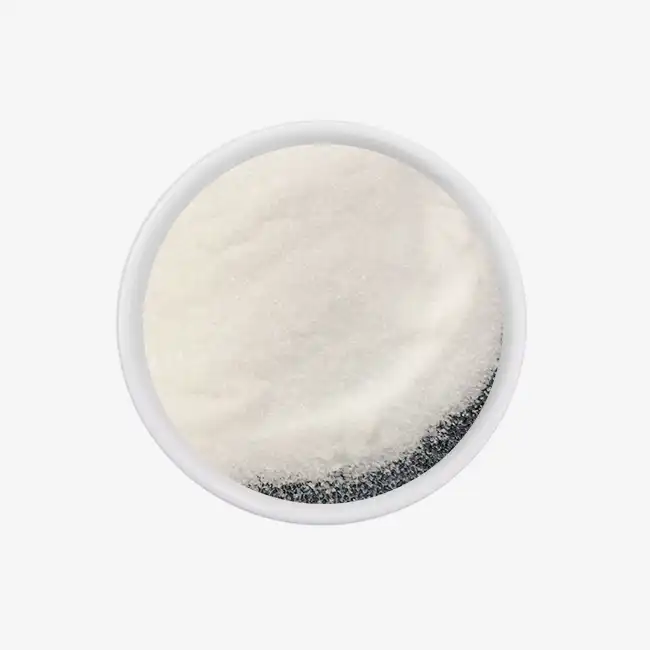
Understanding the Physical and Thermal Properties of Solid Potassium Acetate
Knowing how things react with frozen precipitation is key to knowing how deicing works. The chemical name for potassium acetate is CH₃COOK, and its CAS number is 127-08-2. It is a white solid granule that has a molecular weight of 98.14 g/mol and dissolves easily in water, acids, and alcohols. Its pure melting point is 292°C, but the magic happens at much lower temperatures because of the way solutions form and how they stick together.
How Potassium Acetate Melts Ice
When these white crystals come in touch with snow or ice, they dissolve right away and turn into a eutectic brine that can stay liquid in the lab at temperatures as low as -60°C. In normal field situations, solid potassium acetate works well down to -35°C, which is a lot better than many other choices. The exothermic dissolution process gives off heat, which speeds up the melting process more than just lowering the temperature could. This two-part process—lowering the freezing point and letting heat escape—explains why snow melting solid potassium acetate works so quickly in the first hour. Testing results show that more than 85% of the snow melts in just 60 minutes at -25°C. This is the performance level that separates effective deicers from less effective ones in harsh winter circumstances.
Hygroscopic Properties and Application Implications
Potassium acetate is hygroscopic, which means it actively pulls water from the air, turning into brine faster than chemicals that don't dissolve as easily. This quality is especially useful when it doesn't snow much and the fast formation of brine keeps the snow from sticking to the ground. When procurement managers look at winter maintenance programs, they should know that this moisture-loving material needs to be stored properly in dry, well-ventilated buildings so that it doesn't harden too quickly. However, when used correctly, it works better in the field.
Comparing Potassium Acetate with Other Common Deicing Salts
The choice of materials affects both the short-term success of operations and the long-term costs of maintaining infrastructure. Each type of deicing has its own pros and cons that buying professionals have to weigh against the needs of specific operations. Traditional sodium chloride is used a lot in urban settings because it is cheap to buy. However, it stops working well below -9°C and does a lot of damage to reinforced concrete and structural steel through rusting. Calcium chloride increases the operating temperature to about -29°C and produces a lot of exothermic heat. However, it speeds up the breaking down of concrete and leaves behind slippery leftovers that make it harder to walk on when temperatures change. Magnesium chloride is slightly better at resisting rust than calcium chloride, and it stays useful up to about -15°C. However, it still pollutes groundwater with chloride and damages plants. People who care about the environment like urea-based goods, but they break down slowly, leaving high biochemical oxygen demands in waste, and they don't work well below -7°C.
Environmental and Infrastructure Protection Advantages
Biodegradability of potassium acetate is higher than 95%, which means that it breaks down naturally without leaving harmful remains in soil or water. The acetate ion helps living systems use carbon without messing them up. This choice is compatible with stricter rules about how rainwater can be released into the environment. Corrosion tests show that chloride and acetate chemicals are very different from each other. Under the same conditions, sodium chloride corrodes carbon steel at a rate of more than 0.1 g/m²·h, but potassium acetate keeps the rate of rust below 0.03 g/m²·h. Measuring how much concrete breaks down shows similar big differences. For example, acetate-based goods only lose less than 0.01 mm of material per year, while chloride penetration and freeze-thaw cycles cause the concrete to gradually chip away. These safe qualities directly translate into lower costs over the life of the infrastructure. If bridge officials move to acetate-based deicing programs, they can significantly stretch the time between maintenance intervals. Currently, chloride exposure requires replacing corroded rebar and broken concrete every 15 to 20 years. When you spread out the extra money you spent on materials at the start over longer asset lives and fewer emergency repairs, the initial cost premium becomes almost nothing.
When to Use Solid Potassium Acetate for Snow Melting: Application Scenarios
When you use quality deicing materials strategically, you need to make sure that the product's abilities match your needs and the environment's limitations. Under certain circumstances, where its special qualities provide excessive value, snow melting solid potassium acetate supports its place in maintenance plans.
Airport Runways and Aviation Infrastructure
Materials that protect both ground and airplane systems from chemical damage are needed for aviation operations. Potassium acetate is very compatible with aerospace materials; it doesn't corrode at all on aluminum alloys, magnesium parts, and carbon composite materials that are being used more and more in current airplanes. Few options come close to this combination of low-temperature effectiveness and material safety for airport officials who are in charge of facilities in places where the temperature drops below -20°C. The FAA and other international flight officials have strict rules about how much biochemical oxygen waste from deicing runs on the runway. Formulations with potassium acetate meet these environmental standards, but options to sodium acetate may have amounts that are higher than what is allowed. Operations managers who have to balance environmental responsibility with safety needs find that acetate-based deicers get rid of the legal problems that come with chloride programs.
Historic Structures and High-Value Infrastructure
When winter safety rules clash with conservation principles, it's hard for preservation architects and structural engineers to protect historical buildings, suspension bridges, and other architecturally important structures. Chloride salts get into weak brickwork, crystallize within stone structures, and destroy historic fabric by chipping away in a way that can't be fixed. Potassium acetate's non-corrosive chemical stops this breakdown process completely. In high-stakes situations like parking garages, loading docks, and business walkways where deicers come into direct contact with exposed post-tensioned wires, rebar networks, and structural steel, the choice of material can affect who is responsible. When facility managers find rust damage, they often have to pay hundreds of thousands of dollars to fix it and risk safety issues as well. These risks can be avoided by specifying acetate-based plans from the start of the building process.
Temperature-Driven Decision Points
According to operational rules, potassium acetate should be used when predictions show that it will stay below -15°C for a long time. This is the temperature range where regular rock salt stops working very well. Highway repair workers who are in charge of mountain passes and northern route segments can save money by stockpiling acetate ahead of time. This way, they can use it when bad weather makes cheaper choices useless. Another important application case is freeze-thaw cycle. In places where the temperature changes throughout the day across the freezing point, sidewalks are constantly under stress from expanding and contracting. Potassium acetate quickly penetrates ice and melts it all the way through, reducing the number of freeze-thaw cycles by getting rid of any leftover ice layers that harden again when temperatures drop overnight.
Procurement Insights: Buying Solid Potassium Acetate for Industrial Snow Melting
Finding suppliers is only one part of successful sourcing. You also need to check the quality of the goods, coordinate transportation, and make sure the sellers do a good job. To make sure that materials are always the same and supplies are reliable, B2B buyers who are in charge of large-scale winter repair programs need systematic evaluation systems.
Critical Quality Specifications
Technical standards are what make it possible to compare suppliers in a useful way. The best snow melting solid potassium acetate should have a purity level of at least 99.0% CH₃COOK, with less than 0.05% water-insoluble substances and less than 0.2% chloride pollution. Specifications for iron content below 0.05% keep concrete and building surfaces from getting stained. This is one way that industrial-grade goods are different from lower-quality options. Third-party testing and verification separates reliable providers from those who make promises that can't be backed up. Reputable makers give safety data sheets, regulatory compliance paperwork, and certificates of analysis for each production batch that show it meets the requirements. People who want to buy something should make sure that it has ISO 9001 quality management certification, ISO 14001 environmental management compliance, and any other industry-specific approvals that are needed, like KOSHER and HALAL certifications.

Evaluating Supplier Capabilities
The size of a factory has a direct effect on how reliable the supply is during times of high demand. Companies that supply goods and have factories that can make more than 100,000 tons of goods a year can meet big city contracts and keep extra supplies on hand in case of emergencies like bad weather. With a yearly capacity of 150,000 tons, Zhaoyi Chemical is one of few producers that can meet the needs of large businesses without having to worry about allocation issues. A long history of operations gives customers trust in the quality of the product and the technical help that is available. Companies that have been making chemicals for 30 years or more have improved their production methods, quality control procedures, and customer service systems in ways that younger companies can't copy. This level of operational maturity means that wait times can be predicted (usually 5–7 working days for normal orders) and expert support can be quickly provided to solve problems that are unique to each application.
Packaging and Logistics Considerations
When buying in bulk, it's cheaper to use large-format packages, but sometimes it's easier to work with smaller pieces. Standard 25 kg plastic weave bags make it easier to move by hand and work with spreading equipment. 1000 kg ton-bags make the best use of building space and cut down on packaging waste for high-volume operations. Talking about custom packaging choices during the procurement process makes sure that the forms provided match how things are used in the real world. The terms of international shipping have a big effect on the total landing costs. When suppliers offer FOB, CIF, and DAP prices, buyers can choose the terms that work best for them in terms of transportation and risk tolerance. Established relationships with freight transport companies and promised container space during busy shipping times set providers who care about delivery reliability apart from those who don't.
Best Practices and Tips for Using Solid Potassium Acetate Effectively
The success of a material relies on both the quality of the product and how it is used. When using snow melting solid potassium acetate programs, operations teams should follow rules that make the programs as effective as possible while also keeping safety and the environment in mind.
Storage and Handling Protocols
Proper storage keeps the purity of the product from transport to distribution. To keep storage places dry, well-ventilated, and between 10°C and 30°C, with relative humidity below 60%, facilities should keep things from absorbing water and caking too soon. Keeping potassium acetate away from substances that don't work well with it, like strong oxidizers and reactive metals, removes the risk of poisoning and meets safety standards in the workplace. Material handling tools should only be used for acetate products or should be cleaned very well between chemical types. Cross-contamination with chloride-based deicers takes away the benefits of acetate that protect against rust. Regular checks of loading equipment, spreader hoppers, and storage bins are helpful for finding places where water can get in and make it hard for materials to move.
Application Rate Optimization
Dosage estimates weigh the efficiency of removing snow right away against the cost of materials and environmental concerns. Depending on the thickness of the ice, the temperature, and the amount of traffic, the usual coating rate is between 50 and 150 grams per square meter. Using liquid potassium acetate solutions for pre-wetting can cut the amount of solid material needed by 20–30% while speeding up activation by making it easier for the ice to touch the material. Calibration of mechanical spreading tools makes sure that the material is spread evenly and stops material waste from being applied too much. Modern spreader controls let workers change the rate of release based on the pavement temperature and weather in real time. Training programs that stress how to properly use tools produce measured returns by cutting down on material use without compromising safety.
Environmental Compliance and Sustainability
Monitoring the quality of waste shows care for the earth and makes sure that rules are followed. Because potassium acetate breaks down quickly, it doesn't have many effects on marine ecosystems. However, businesses that produce a lot of waste should follow basic stormwater management rules. By sending meltwater to vegetated buffer strips or holding pools, natural biological processes can break down acetate before it gets to waters that are sensitive to it. Tracking methods for application amounts, weather conditions, and noted performance produce records that can be used as proof of responsible material use. These records help with efforts to keep things better and show that environmental management is done in good faith in case the government asks about it. Being open about how deicing is done builds trust in the community and sets properly run businesses apart from those that just do winter care when it happens.
Conclusion
More and more, strategic winter maintenance programs understand that choosing the right materials isn't just about getting rid of snow; it's also about protecting infrastructure, being environmentally friendly, and keeping track of costs over time. When normal chloride salts aren't suitable due to high temperatures, assets that are susceptible to rust, or environmental issues, snow melting solid potassium acetate fills a unique but important gap. Airport operators, bridge officials, and facility managers who are in charge of protecting important assets find that acetate-based programs are more cost-effective in the long run, even though they cost more to buy the materials. To make implementation work, you need to make sure that the product's features fit your business needs, work with dependable suppliers to keep quality high, and use application standards that make the system work best while having the least impact on the environment.
FAQ
What temperature range makes potassium acetate more effective than rock salt?
Sodium chloride loses its ability to melt around -9°C, but potassium acetate stays useful down to -35°C in extreme temperatures. The increased working range of acetate is useful for tasks that need to be done in temperatures that stay below -15°C for a long time. The material's ability to absorb water and its exothermic breakdown process make it easier to activate faster, even at temperatures where rock salt technically works but doesn't work very well.
How does potassium acetate protect concrete better than traditional deicers?
Chloride ions get into the pores of concrete, reach the steel reinforcements that are buried in the concrete, and start electrochemical corrosion. This leads to the growth of expanding rust and the breaking of the concrete. Because acetate ions don't have this electrical sensitivity, the corrosion process can't happen at all. Concrete breaks down at a rate of less than 0.01 mm per year when exposed to acetate, but it breaks down more slowly when exposed to chloride. This means that the structure will last decades longer.
Can potassium acetate be used on all pavement types?
Deicers that are built on acetate don't respond badly with asphalt, concrete, brick pavers, or most architectural materials. Because the chemistry doesn't corrode, you don't have to worry about metal expansion joints, integrated sensors, or artistic elements. It is still very rare for materials to not work with acetate uses, but it is still a good idea to check with the maker before using specialty coatings or sealers on surfaces underneath.
Partner with Zhaoyi Chemical for Premium Snow Melting Solutions
Zhaoyi Chemical has been making acetate for more than 30 years and can help with difficult winter repair tasks where protecting infrastructure cannot be compromised. Our snow melting solid potassium acetate is ≥99.0% pure thanks to ISO-certified production methods. It stays effective at temperatures as low as -35°C and keeps sensitive items from rusting. As a well-known seller of snow melting solid potassium acetate, we keep our yearly capacity at 150,000 tons, so we can reliably meet urgent demand during bad weather. Get in touch with our expert team at sxzy@sxzhaoyi.com to talk about your unique business needs and find out how our biodegradable, non-corrosive formulations work better than chloride options.
References
Transportation Research Board. "Guidelines for the Selection of Snow and Ice Control Materials to Mitigate Environmental Impacts." National Cooperative Highway Research Program Report 577, 2007.
Fischel, M. "Evaluation of Selected Deicers Based on a Review of the Literature." Colorado Department of Transportation Report CDOT-DTD-R-2001-15, 2001.
Shi, X., et al. "Durability of Steel Reinforced Concrete in Chloride Environments: An Overview." Construction and Building Materials, Vol. 30, 2012, pp. 125-138.
Federal Aviation Administration. "Airport Winter Safety and Operations Advisory Circular AC 150/5200-30D." U.S. Department of Transportation, 2019.
Levelton Consultants Ltd. "Guidelines for the Selection of Snow and Ice Control Materials to Mitigate Environmental Impacts." Environment Canada Report, 2007.
American Society for Testing and Materials. "Standard Practice for Maintaining Fixed Automated Spray Technology Equipment for the Application of Deicing Chemicals." ASTM D7544-17, 2017.

USER EVALUATE
Here is the customer's evaluation of us