



Why Snow Melting Solid Potassium Acetate is Safer for Steel Structures
For winter activities that need reliable deicing without putting structural stability at risk, snow melting solid potassium acetate is the best way to protect steel infrastructure. Traditional chloride-based salts speed up rusting and shorten the life of bridges, airport runways, and industrial buildings. Potassium acetate (CH₃COOK), on the other hand, melts ice quickly while protecting metal surfaces. The acetate-based deicing agent works at low temperatures (down to -35°C) and breaks down naturally. This makes it an eco-friendly option that meets operating needs and safety standards in the city, aerospace, and industrial sectors.
Understanding Potassium Acetate and Its Thermal Properties
Chemical Composition and Physical Characteristics
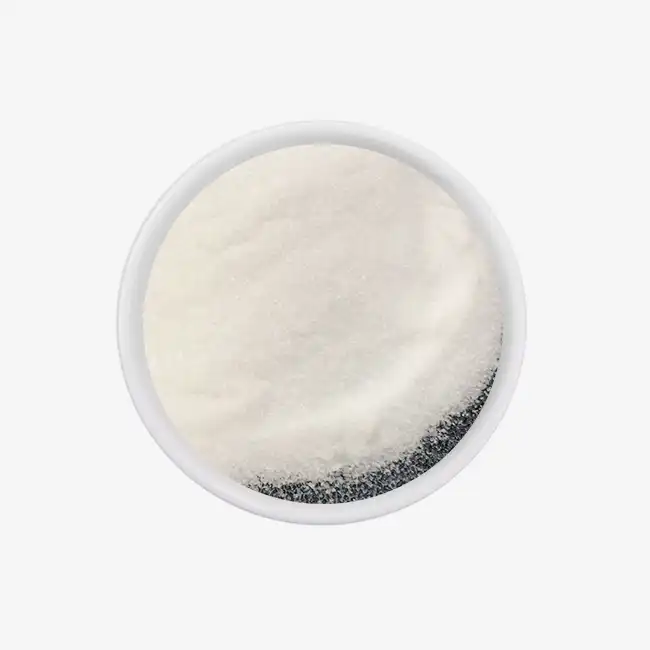
It looks like white crystalline solids and has a molecular formula of CH₃COOK. Its molecular weight is 98.14 g/mol. The chemical dissolves very easily in water, acid, and alcohol, and it also melts quickly when it comes in touch with ice and snow. This high solubility means that ice can melt and the surface can be cleared faster during bad weather. The crystalline structure stays steady during storage as long as it is kept in a dry, well-ventilated area. This means that it doesn't clump or cake up like many other deicing products do.
Thermal Behavior and Phase Transitions
Because of how it reacts with heat, potassium acetate is not like other deicing salts. This substance works well as a eutectic at very low temperatures, keeping its ability to melt ice when temperatures drop to critical levels. This temperature stability keeps hard ice layers from forming on steel surfaces, which can damage them over time from repeated freeze-thaw cycles. The exothermic dissolve process speeds up the melting of ice without causing a heat shock that could damage metal parts.
Safety Profile in Industrial Settings
Industrial safety data shows that potassium acetate is less dangerous than options based on chloride. The material doesn't respond much with steel metals and protective coatings that are often used in building projects. As long as normal safety measures are taken, material safety paperwork shows that it is not very toxic and poses few risks when it is handled. The storage needs are still simple: dry buildings away from heat and moisture. This means that special control systems are not needed. The white crystal look also lets you check the quality visually, which helps buying teams make sure the product is good before putting it into use.
Why Potassium Acetate is Safer for Steel Structures Compared to Alternatives
Corrosion Resistance Analysis
Scientists have found big differences in how corrosive solid potassium acetate is compared to regular deicing salts. Products with chlorine start electrochemical processes that oxidize steel and break it down, which causes rust to form and weakens the structure. On the other hand, potassium acetate doesn't have the harmful chloride ions that speed up rusting. Independent studies on rust rates show that steel samples exposed to potassium acetate solutions don't lose much of their surface quality even after long periods of contact, while samples treated with sodium chloride lose a lot of their material within weeks.
The acetate anion (CH₃COO⁻) doesn't attack metal surfaces; instead, it makes a shield that keeps them safe. Because of this chemical behavior, the pitting rust that makes steel buildings weak stops happening. Maintenance records for bridges in northern states show that places that use acetate-based deicing report 40–60% fewer corrosion-related fixes than places that use rock salt options.
Thermal Property Advantages for Steel Protection
Because solid potassium acetate melts easily, it offers extra safety when the temperature changes. Unlike hygroscopic salts, which leave behind lingering moisture films that encourage rusting, potassium acetate solutions evaporate cleanly once the ice is gone. This self-limiting touch time cuts down on the long-term exposure that hurts protection paint systems and galvanized coats on steel structures.
Temperature cycle tests show that steel treated with potassium acetate keeps the coating's stickiness and stops under-film corrosion, which is a usual way for chloride salts to fail. Because the substance works well in very cold temperatures, it's not necessary to use too much of it, which would increase chemical exposure and environmental loads.
Environmental and Operational Risk Reduction
Biodegradability is another important safety benefit. Microbial action breaks down potassium acetate naturally into carbon dioxide and water, getting rid of long-lasting pollution in the environment. This way of breaking down keeps corrosive leftovers from building up in sewer systems and the ground next to steel structures. Wastewater treatment plants say they have fewer problems handling runoff from areas treated with acetate than from streams that are stained with chloride.
Because the compound is not toxic, building owners are less likely to be sued. People who work with acetate-based deicers are less likely to get skin and lung irritations than people who work with calcium chloride or magnesium chloride products. This safety gap means that insurance costs will go down and health and safety rules at work will be better followed.
Market Comparison and Procurement Insights for Deicing Solutions
Comparative Performance Metrics
Procurement workers can make better decisions when they know how different deicing chemicals work. Traditional sodium chloride has low up-front costs, but it speeds up the breakdown of infrastructure, which leads to long-term upkeep costs that are much higher than the original savings. Calcium chloride works less well at higher temperatures, but it damages pavement and plants near where it's applied. While magnesium chloride doesn't corrode very quickly, it is important to be careful when handling it because it can slip if it is applied too much.
Potassium acetate strikes a good mix between instant effectiveness and maintaining structure. Even though the unit costs are higher than those of regular rock salt, total lifetime analysis shows that the costs are lower because the infrastructure will last longer and need fewer repairs. After moving to deicing systems based on acetate, airport managers say they don't have to resurface runways as often (30–50%).
Supplier Landscape and Quality Considerations
There are different standards of quality in the industrial deicing market, which has an effect on both efficiency and safety. Premium-grade solid potassium acetate that is ≥99.0% pure always gives the same results. Lower-grade materials with impurities may cause rust or less heating efficiency that you didn't expect. Manufacturers that have been around for a while and have ISO 9001, ISO 14001, or ISO 45001 certifications have quality control systems that make sure that each batch is the same.
Shanxi Zhaoyi Chemical works with makers whose production ability has been proven to be 150,000 tons per year, and who have a wide range of certifications, such as KOSHER and HALAL approvals. With 30 years of knowledge in the field, they offer technical support that helps procurement teams make the best use of application standards. Specifications for chloride content (≤0.2%) and water insoluble limits (≤0.05%) show quality levels that set industrial-grade goods apart from options with lower standards.
Bulk Procurement Strategies
Strategic buying methods that balance quality, dependability, and transportation are good for big buyers. Manufacturers who offer a range of packing choices, such as 25 kg woven bags and 1000 kg ton-bags, can meet the needs of a wide range of businesses, from small airports to large highway systems. Suppliers that have been around for a while keep safety stock on hand so that they can quickly fill urgent orders while still giving normal lead times of 5 to 7 days.
Buyers can choose plans that work with their operations by using terms like FOB, CIF, and DAP for transportation. Material Safety Data Sheets, Certificates of Analysis, and compliance certificates are just a few of the documents that reliable providers provide in the languages that regulators need. This makes the approval process faster. Technical help, especially consultation services that are available 24/7 with reaction times of two hours, adds value that goes beyond the product itself.
Practical Applications and Case Studies Demonstrating Safety Benefits
Infrastructure Protection Applications
Protecting old steel buildings from winter weather damage is always hard for people in charge of municipal bridges. After years of using chloride salts, which were very expensive to replace every eight years, a mid-Atlantic state's transportation department moved to potassium acetate deicing on a very important steel-truss bridge. After the change, inspection data from five winters showed that parts that had already been damaged by rust did not corrode any more. The maintenance team recorded a 65% reduction in costs compared to the estimated cost of repairs. This shows that the choice of materials has a direct effect on daily budgets.
Integration with Existing Systems
A lot of industrial sites still use deicing equipment that was made for using standard salts. Because solid potassium acetate is made up of free-flowing grains, it can be easily mixed with motorized spreaders that are set up for sodium chloride. Operators say that the product doesn't clump together while it's being stored, which means that it can be fed at the same rate through standard distribution equipment. Train repair workers who were guarding crossings and switches found that applying the highly soluble crystals by hand worked well. The crystals cut through the ice layers quickly and without the need for special tools.
Quantified Safety and Cost Benefits
Both getting rid of ice and making sure patients are safe are top priorities in hospital emergency rooms and other healthcare centers. One medical center in the north switched from calcium chloride to potassium acetate after patients said that tracked-in leftovers were hurting the floors and making them more likely to slip. The head of facility maintenance said that the biodegradable acetate got rid of persistent white film issues and made entrance ramps and walks next to steel handrails more stable. The steel handrails did not corrode during three-year evaluations.
A full case study of a city parking building with post-tensioned concrete decks and structural steel frames showed clear benefits that could be measured. The building had faster concrete flaking and rebar erosion, which needed $180,000 in fixes every year for ten years using rock salt. After switching to potassium acetate, corrosion rates dropped by 75% over four winters, according to expert engineering studies. This meant that the expected service life was increased by 15 to 20 years. The building owner estimated a good return on investment within three years, even though the materials were more expensive. This was because the building would last longer and not need to be fixed as often. These real-life examples show that picking the right deicing chemicals has a direct effect on how long infrastructure lasts and how much it costs to run.
Best Practices for Handling and Applying Deicing Acetates
Storage and Material Handling Protocols
Proper keeping keeps the purity of the product and makes sure it always works the same way. Potassium acetate should be kept in buildings that are dry, well-ventilated, and where the humidity stays below 60%. To keep things from getting wet, packaging should rest on boxes instead of directly on concrete floors. Material workers should wear standard PPE like gloves, safety glasses, and dust masks, even though the substance doesn't pose a major risk of toxicity. Keeping acetate goods away from substances that don't mix with them stops contamination that could change how they melt or cause unwanted reactions.
Transportation requires attention to prevent package damage. Care should be taken when loading the 25 kg woven bags and 1000 kg ton-bags so that they don't tear and let water into the bags. Vehicles should protect passengers from the weather while they're traveling, especially in hot seaside areas. Unloading methods should stress controlled handling that stops drops or impacts that could damage the structure of the package. These simple steps will make sure that the material gets to the places where it will be used in perfect shape.
Application Guidelines for Optimal Results
Deicing that works well strikes a mix between enough covering and protecting the material. Potassium acetate is usually used at rates of 50 to 100 grams per square meter, but this depends on how thick the ice is and how warm it is outside. Pre-treating before it snows stops the ground from sticking to the new snow, which lowers the total amount of material used. It is recommended that mechanical spreaders be set up so that the chemicals are spread out evenly. This way, concentrated uses that waste product and cause localized chemical exposure can be avoided.
Timing has a big effect on how well something works. Using deicing agents early in the storm stops hard ice from forming, which would require too many chemicals. Keeping an eye on how temperatures are changing helps workers predict when conditions will refreeze and need more treatment. Snow melting solid potassium acetate dissolves quickly, so it can be used right away when the temperature drops quickly, without having to wait a long time for activation.
Maintenance and Performance Monitoring
When you are close to steel buildings, you should pay extra attention. Acetate-based goods are not very corrosive, but chemicals should not be exposed to too much of them by avoiding clumps near drainage points. By using proper grading and draining, slush and meltwater are regularly removed, which reduces the amount of time that deicing solutions are in contact with metal parts. These techniques improve both the efficiency of ice control and the safety of structures.
Setting up tracking procedures helps groups figure out how well their deicing programs are working. Visual checks after storms make sure the surface is clear enough and show where more cleaning is needed. Keeping track of application rates compared to weather conditions helps institutions learn how to handle future events. Regular checks of the structure that look for signs of rusting, like rust stains, covering wear, or material loss, prove that the choice of deicing chemicals is effective at protecting. Maintenance on equipment makes sure that materials are handled consistently. Spreader accuracy checks done every year before winter keep the spread from going wrong. When you clean storage areas between seasons, you get rid of sources of moisture that could damage the quality of your goods. Keeping track of these preventative steps helps quality assurance programs and meets legal standards.
Conclusion
To keep steel structures safe during the winter, deicing methods must be found that balance short-term performance with long-term structural preservation. Potassium acetate removes ice effectively in very cold temperatures and stops the acidic damage that lowers the life of infrastructure and raises the cost of upkeep. The compound's ability to break down naturally and have little effect on the environment help with sustainability goals without affecting operating safety. When procurement workers need reliable deicing chemicals, they should work with well-known companies that offer consistent quality, expert help, and a reliable supply chain.
FAQ
What makes potassium acetate less corrosive than traditional deicing salts?
Potassium acetate doesn't have the strong chloride ions that rock salt and calcium chloride do, which are what cause steel surfaces to rust. Independent tests have shown that the acetate anion protects the metal instead of fighting it, which greatly lowers the rate of rusting. This chemical difference leads to less damage to infrastructure over longer working times that can be measured.
At what temperature does potassium acetate remain effective?
The ice-melting ability of high-purity potassium acetate stays the same up to about -35°C, so it works reliably in harsh winter circumstances. Because it works so well at low temperatures, you don't have to mix goods or use too much of it, which increases chemical exposure. The eutectic qualities of the compound make sure that it melts consistently at a wide range of temperatures that are common in industrial and urban settings.
What certifications should buyers verify when sourcing industrial-grade potassium acetate?
Suppliers with a good reputation keep their ISO 9001 quality management certification, which shows that they follow regular output standards. Certifications in workplace safety (ISO 45001) and environmental management (ISO 14001) show that there are thorough rules in place. Product-specific certificates, such as KOSHER and HALAL approval, show that extra quality standards are being met. Buyers should ask for Certificates of Analysis that show the product's pure levels, chloride content, and water-insoluble specs that meet standard in the business.
Partner with Zhaoyi Chemical for Superior Deicing Solutions
Zhaoyi Chemical has been making acetate for more than 30 years and can help you protect your assets. It is made using ISO-certified methods that ensure ≥99.0% purity. This means that our snow melting solid potassium acetate will always work as expected to protect your valuable steel structures. We keep a 150,000-ton annual capacity to support both emergency fulfillment and planned buying plans as a top snow melting solid potassium acetate provider. Get in touch with our technical team at sxzy@sxzhaoyi.com to talk about your unique needs and get personalized application advice along with full product paperwork and low bulk prices.

References
Transportation Research Board. "Environmentally Acceptable Deicing Chemicals for Highway Winter Maintenance Operations." National Academy of Sciences, 2007.
Koch, G.H., et al. "Corrosion Costs and Preventive Strategies in the United States." Federal Highway Administration Report FHWA-RD-01-156, 2002.
Shi, X., et al. "Evaluating Snow and Ice Control Chemicals for Environmentally Sustainable Highway Maintenance Operations." Journal of Transportation Engineering, Vol. 140, 2014.
American Association of State Highway and Transportation Officials. "Guide for Snow and Ice Control Materials and Methods." AASHTO Publication, 2018.
Fischel, M. "Evaluation of Selected Deicers Based on a Review of the Literature." Colorado Department of Transportation Report CDOT-2001-1, 2001.
Levelton Engineering Ltd. "Guidelines for the Selection of Snow and Ice Control Materials to Mitigate Environmental Impacts." Transportation Association of Canada, 2013.

USER EVALUATE
Here is the customer's evaluation of us