



What are the Benefits of Using Potassium Acetate as a Snow Melting Liquid?
When winter storms threaten important infrastructure, the deicing option you choose isn't just a matter of convenience; it's a pledge to safety, sustainability, and managing long-term costs. Snow melting liquid potassium acetate has become the deicer of choice for airports, highway officials, and city operators who can't risk machine failure or environmental damage. This liquid mixture melts ice right away without causing the corrosion damage that comes with regular road salts. This makes it an essential tool for businesses that need to protect sensitive surfaces and valuable assets during bad weather.
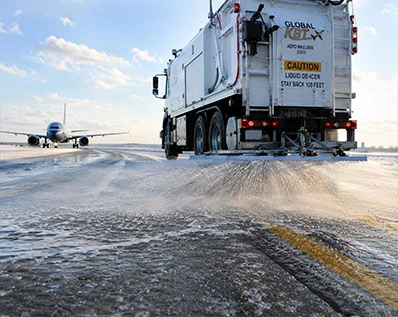
Understanding Snow Melting Liquid Potassium Acetate as an Effective Snow Melting Liquid
Chemical Properties That Drive Performance
Snow melting liquid potassium acetate (CH₃COOK, CAS 127-08-2) works by lowering the freezing point, which is a thermodynamic process in which dissolved acetate ions stop ice crystals from forming. This clear, colorless liquid has a molecular weight of 98.14 and can reach eutectic temperatures of -60°C at the best amounts. However, -35°C is usually the goal for industrial formulas. This works better than sodium acetate and calcium acetate when it's very cold and keeping fluid processes going is very important.
Safety Profile for Industrial Handling
According to safety data sheets, snow melting liquid potassium acetate is a low-hazard substance that is easy to handle. Because it is slightly acidic and has a balanced pH range of 7.5–9.2, it is less likely to irritate the skin when applied. Unlike chloride-based options that release corrosive fumes, acetate formulas don't pose as many respiratory risks. This means that maintenance crews can work safely even during long application times. This safety benefit directly leads to lower costs for personal protective equipment and easier training for casual workers.
Why Industries Choose This Compound?
Snow melting liquid potassium acetate is a top choice for procurement workers because it meets both the needs of operating reliability and legal compliance. The molecular structure stays steady even when the temperature changes, which keeps the mixture from breaking down like glycol-based goods do. Because it dissolves in water, it can go through ice completely without leaving behind particles that could damage airplane engines or pollute stormwater systems. These are issues that drive specification requirements in both the flight and environmental sectors.
Core Benefits of Using Snow Melting Liquid Potassium Acetate in Snow Melting
Environmental Responsibility Without Performance Compromise
The operational benefits of snow melting liquid potassium acetate go far beyond just melting ice. They affect every part of winter upkeep costs and caring for the environment. Knowing these benefits helps procurement teams make initial investment decisions that make sense and make long-term budget forecasts that take infrastructure maintenance into account.
With biodegradability rates above 95%, snow melting liquid potassium acetate is a better choice for the environment than chloride molecules that last a long time. Unlike sodium chloride, which builds up in the soil and contaminates groundwater with high amounts of salt, acetate ions are naturally broken down by microbes into carbon dioxide and water. This quality is very important for businesses that are close to wetlands, drinking water sources, and protected ecological zones where every chemical intake is carefully looked at for its environmental effect.
When compared to standard deicers, tests that expose plants to snow melting liquid potassium acetate show that they can handle them much better. When snow melting liquid potassium acetate drifts onto green areas, it doesn't burn the grass or hurt plants or flowers like rock salt does. This is a big difference from the drying out and chlorosis patterns seen when rock salt is used. This safety includes old trees whose roots touch treated ground. This keeps valuable investments in urban forests safe.
Infrastructure Protection and Maintenance Cost Reduction
The fact that carbon steel corrosion rates are less than 0.03g/m²·h is a huge benefit for bridge upkeep funds. Traditional chloride deicers speed up electrochemical processes that weaken steel reinforcement in concrete buildings. This causes the concrete to spall, the rebar to become exposed, and the structure to become very weak. Comparative studies show that snow melting liquid potassium acetate's non-corrosive formula stops this circle of damage, which increases the service life of bridge decks by decades.
When you look at the costs of maintaining parking structures, the effects on money become clear. If chloride gets into concrete that has been sealed with normal protective coatings, it breaks down within 5 to 7 years, needing expensive resealing and structure fixes. Facilities that use deicers based on acetate say that the layer stays intact for 12 to 15 years, and the costs of ownership are lower over that time. Also, parts made of aluminum and magnesium that are used in airplanes, signs, and light fixtures benefit from slower rusting rates. This protects expensive equipment investments.
Rapid Activation and Low-Temperature Effectiveness
The endothermic breakdown lag that comes with solid deicers is not present in liquid versions. Snow melting liquid potassium acetate breaks chemical bonds as soon as it comes in touch with frozen surfaces. At -25°C, this causes snow to melt at rates of over 85% in one hour. At airports, where runway closing windows are measured in minutes instead of hours, this speed edge is very important. Ground workers can make landing conditions safe faster, which cuts down on flight delays and boosts working throughput during bad weather.
The liquid state also makes sure that automatic spray systems cover the whole area evenly. For accurate application rates, Fixed Automated Spray Technology (FAST) installations on bridge decks need fluids with the same viscosity. Snow melting liquid potassium acetate keeps the ability to pump even when outside temperatures drop. This keeps nozzles from getting clogged and systems from breaking down, which would make automatic infrastructure useless during times of high demand. Because spray technology is so reliable, investments in it can be turned into measured gains in business efficiency.
Handling Convenience and Application Flexibility
When compared to solid materials, ready-to-use liquid formulas make transportation easier. Putting bulk solids in 1000L IBC tanks or flexitanks gets rid of the problems with dust, caking, and moisture contamination that make managing bulk solids harder. Operators like how the clean pouring features work with their current chemical transfer equipment, which means they don't have to learn how to use new equipment or how to handle chemicals in different ways.
The wide range of applications includes anti-icing tactics before cleaning and removing ice after a storm. When snow melting liquid potassium acetate is put down before it rains, it creates a barrier that keeps the pavement from bonding. This lets snow be removed mechanically, without damaging road signs and surface roughness through rough scraping. This ability to be used for two different things makes the product more useful in all kinds of weather. It also makes inventory management easier and takes up less room in repair facilities that handle a lot of different chemical products.
Comparing Snow Melting Liquid Potassium Acetate with Other Snow Melting Chemicals
Performance Against Traditional Chloride Salts
Sodium chloride is still the most affordable deicer, but it stops working at about -9°C, leaving operations open to attack during very cold spells. To -35°C, snow melting liquid potassium acetate keeps melting ice at the same rate, giving it a 26°C operating window edge. This wider range is very important for sites in the north, where cold temperatures often make it hard for regular deicers to work.
You can't say enough about how different these materials are when it comes to rust. According to tests done by a third party, chloride salts speed up the rusting of steel 8–12 times faster than acetate formulas. For bridge officials in charge of old infrastructure, this difference is the difference between maintenance plans that can be managed and emergency structural repairs that slow down traffic and put a strain on budgets. Concrete builders also know that acetate exposure protects the finish work and stops the aggregate exposure that needs expensive resurfacing.
Advantages Over Alternative Acetate Compounds
Sodium acetate is also good for the environment, but it needs to be used at higher rates to have the same effect. The bigger hydration sphere of the sodium ion makes it harder for ice to penetrate, which means that more volume is needed, which cancels out any cost savings. Because snow melting liquid potassium acetate has a smaller ionic radius and a higher charge density, it lowers the freezing point more effectively per unit mass, which improves both performance and application costs.
Calcium acetate products have trouble staying stable at different temperatures. As temperatures change, they precipitate and work less well. Snow melting liquid potassium acetate keeps the solution stable across the working temperature range. This stops crystals from forming, which jams spray nozzles and makes the sidewalk coverage uneven. For automated systems, this regularity is important because the stability of the formulation has a direct effect on the equipment's uptime and repair times.
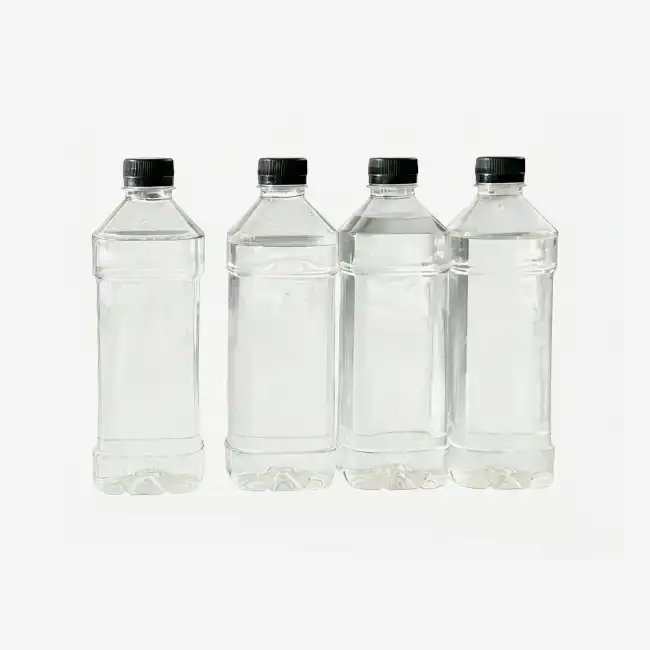
Liquid Versus Solid Formulation Considerations
Solid snow melting liquid potassium acetate goods need time to dissolve before they work, which causes delays when conditions are quickly getting worse. Liquid versions get around this problem, giving the surface action right away in line with emergency reaction guidelines. Maintenance crews can respond quickly to changing conditions because the material is ready to use right away. This makes it easier to respond when the weather is uncertain.
When storage space is limited, liquids are better because they take up less room. Solid materials seem to have volume advantages, but the special storing conditions needed to keep them from caking and absorbing water often cancel these advantages out. Standard chemical storage conditions don't change the properties of liquid goods, which makes inventory management easier and makes dealing easier for seasonal workers who don't know much about chemicals.
Procurement Considerations: How to Buy Snow Melting Liquid Potassium Acetate for Industrial Use
Evaluating Manufacturer Credentials and Certifications
Checking manufacturing standards and quality approvals is the first step in choosing a good seller. ISO 9001 certification shows that the company uses organized quality management methods to make sure that each batch is the same. This is very important when specs call for exact concentration levels for automated dosing systems. Environmental standards like ISO 14001 show that a company is using responsible production methods that are in line with its promises to sustainability. This helps with the requirements for corporate responsibility reporting.
It may not seem related to buying snow melting liquid potassium acetate deicer, but KOSHER and HALAL approvals show stricter rules for making chemicals and keeping them from getting contaminated than the basic rules for making chemicals. For these certifications, facilities must go through strict checks and process paperwork must be kept. This means that the products are much purer. Levels of impurities, especially chloride content below 0.01%, have a direct effect on how well the material resists rust and how safe it is for the environment.
When planning seasonal supplies, production capability is important. Companies that make more than 150,000 tons of goods a year show that they can expand to meet high demand during harsh winters. This capacity cushion guards against allocation gaps that force buyers to pay more for purchases made on the spot market. Established makers that have been in business for decades can offer supply consistency that seasonal contractors and younger companies can't. This makes the supply chain less vulnerable during severe weather events.
Packaging and Logistics Optimization
IBC tanks make it easier to move things around and work with the infrastructure that is already in place at repair sites for moving chemicals. The 1000-liter format strikes a good mix between being easy to move and having units that are manageable for forklifts and storage racks. Reusable tank designs cut down on packaging waste and support circular economy efforts, which have a bigger impact on ESG models used to evaluate buying.
Flexitank solutions make the most of the economics of bulk shipping by being able to handle 20-ton loads that lower the cost of freight per unit. This way of packaging works well for heavy users with a lot of needs, like regional airports and state highway offices that are in charge of large building networks. The one-time use design gets rid of the need for cleaning and returning the containers, which speeds up the buying process and lowers the administrative costs of managing containers.
Keeping snow melting liquid potassium acetate in storage is still easier than keeping dangerous chemicals in storage. Warehouses that are dry, well-ventilated, and away from heat sources are good enough without the need for special temperature control or security systems. Because they are so simple, they don't require as much money to set up and run, which means that even smaller local businesses that don't have a lot of space for chemicals can use them.
Technical Support and Supply Partnership
Technical help that is quick to respond is what sets strategic partners apart from commodity providers. Having access to formulation experts helps operations find the best dilution ratios for their application tools and temperature. Manufacturers that give consultations within two hours of a question show a commitment to customer service that is useful when troubleshooting application problems or changing practices when weather patterns aren't normal.
Sample testing programs let you make sure that a product works before you buy a lot of it. Progressive providers offer test amounts and application help to show that their products work in real-world settings. This method for lowering risk makes people more confident in the products they choose and sets performance standards that can be used to compare future purchases. This helps people make data-driven buying choices that can stand up to budget review.
Helping with inventory management by setting up safety stocks guards against supply problems during times of high demand. Suppliers who keep extra stock on hand for key accounts make sure that products are available when bad weather forces them to make emergency purchases. This service level changes supplier ties from one-way transactions to working together, which makes operations more resilient and lowers the stress of emergency reaction during a crisis.
Conclusion
Snow melting liquid potassium acetate deicers have many benefits for operations that winter maintenance workers care about, such as protecting the environment, keeping infrastructure in good shape, and making sure that the system works reliably. This detailed benefit profile takes into account the complicated needs of modern buying teams that have to balance tight budgets with safety rules and vows to sustainability. Snow melting liquid potassium acetate provides specific capabilities that standard chloride salts cannot match, making it the best option for protecting high-value infrastructure, from bridge decks that need corrosion protection to airport runways that must be free of foreign object debris.
FAQ
How should snow melting liquid potassium acetate be stored to maintain product quality?
During seasonal storage times, products stay true to their original form when kept in dry, well-ventilated buildings away from direct heat sources. Because snow melting liquid potassium acetate is chemically stable, it doesn't break down when stored for a long time, so it works the same way from season to season. Temperature changes within standard storage ranges don't affect the integrity of the formulation. This makes inventory management easier than with options that are sensitive to temperature changes. To keep concentration levels steady and stop moisture absorption, containers should stay covered until they are used.
What environmental advantages does snow melting liquid potassium acetate offer over traditional rock salt?
Because acetate molecules break down naturally, they don't pollute the environment like chloride does when it builds up in dirt and waterways. Within weeks of being used, natural microbial processes break down acetate into safe byproducts. This stops long-term damage to the environment. Plant tolerance stays much higher, which protects landscape investments and lowers the cost of replacing plants that get hurt. Testing for aquatic toxicity shows that acetate versions have little effect on sensitive species. This means that they can be used near protected waters where chloride limits apply.
At what temperature does snow melting liquid potassium acetate become ineffective?
At 50–60% concentration, commercial versions keep melting ice effective up to about -35°C, meeting practical needs in most temperature zones where people live. As the solution gets closer to its freezing point, performance slowly drops below this level. However, leftover activity continues at slower rates. Concentration changes that increase the operating range may help specialized uses in the far north. The better performance at low temperatures compared to sodium chloride gives a very important safety cushion during very cold events.
Partner with Zhaoyi Chemical for Your Snow Melting Liquid Potassium Acetate Needs
Winter upkeep needs to be reliable, and Zhaoyi Chemical has been making acetate for over 30 years, so they can do that. Our snow melting liquid potassium acetate source can produce up to 150,000 tons of it every year, so it will always be available during the busiest winter months. The ISO 9001, ISO 14001, and ISO 45001 certifications make sure that the quality standards your business needs are met. The KOSHER and HALAL certifications show that we are dedicated to making the best products possible. We have low mass prices for city governments, highway builders, and airport managers who want reliable deicing without putting infrastructure at risk. You can email our technical team at sxzy@sxzhaoyi.com to talk about your specific needs, ask for product samples, or get formulation advice that is specific to your work setting and tools.
References
Transportation Research Board. (2018). "Guidelines for the Selection of Snow and Ice Control Materials to Mitigate Environmental Impacts." National Cooperative Highway Research Program Report 577.
American Association of State Highway and Transportation Officials. (2020). "Manual of Practice for Snow and Ice Control Programs." AASHTO Technical Standards Committee Publication.
Airport Cooperative Research Program. (2019). "Aircraft and Airfield Deicing and Anti-Icing Management Strategies." ACRP Report 146, Transportation Research Board.
Shi, X., Fay, L., Gallaway, C., Volkening, K., Peterson, M. M., Pan, T., ... & Nguyen, T. A. (2019). "Sustainable Winter Road Operations." Journal of Infrastructure Systems, 25(3), 04019017.
Environmental Protection Agency. (2017). "Best Management Practices for Airport Deicing Stormwater." EPA 832-R-17-003, Office of Wastewater Management.
National Association of Corrosion Engineers. (2021). "Corrosion Effects of Deicing Chemicals on Transportation Infrastructure." NACE International Technical Committee Report TG 532.

USER EVALUATE
Here is the customer's evaluation of us