



What are the Benefits of Using Solid Potassium Acetate for Airport Runway Deicing?
By combining non-corrosive chemical qualities with environmental safety, airport runway solid potassium acetate provides excellent deicing performance. This solution is safe for use in airplanes and can melt ice at temperatures as low as -60°C. It also keeps aluminum, magnesium, and cadmium parts from rusting. Instead of using chloride-based salts or old urea products, potassium acetate is a biodegradable ice control that meets SAE AMS 1431 standards. This means that runway operations can continue safely even in the worst winter weather, without affecting the integrity of the infrastructure or environmental compliance.
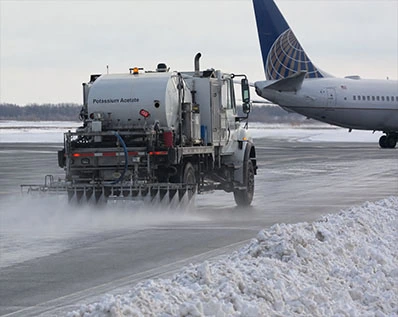
Understanding Solid Potassium Acetate and Its Role in Airport Runway Deicing
When airports are open in the winter, they need special solutions that combine safety, speed, and caring for the environment. Aviation deicing has its own problems that road maintenance doesn't have to deal with. These problems include the health of the airplane, the friction coefficients of the runway, and environmental laws.
Chemical Composition and Ice-Melting Mechanism
Solid potassium acetate (CH₃COOK, CAS 127-08-2) is a big step forward in the technology used to deice airplanes. This white, solid substance has a molecular weight of 98.14 g/mol and works by lowering the freeze point in a very complex way. When the hygroscopic granules are put on frozen surfaces, they quickly soak up water and break down, making a concentrated brine solution that can get through the ice.
The exothermic dissolution process gives off heat, which speeds up the breaking down of the links between the ice and ground. The material can cut through ice layers up to 6 mm thick because it works on both chemical and temperature levels. The resulting brine holes cut through the structure of the ice, which makes mechanical removal much easier. The pellets don't move when hit by a jet blast because their bulk density is between 0.8 and 0.9 g/cm³. They stay where they're put down instead of spreading out over work areas.
Solid versus Liquid Potassium Acetate Forms
Aviation deicing can be done with both solid and liquid potassium acetate, but each has its own specific benefits. Liquid solutions (usually with a strength of 50%) work great for de-icing because they form protected films that keep snow and ice from sticking. You can quickly cover a lot of ground with them, and they work perfectly with automatic watering systems.
Solid granular forms focus chemical action right where it's needed. It's easier to store things because solids don't need warm storage tanks or pumping systems. When temperatures drop below -20°C, solid pellets keep working, but liquid solutions may freeze or thin out too fast. The pre-wet method uses both types. It uses solid pellets that are mixed with a liquid solution to stop them from bouncing and scattering when it's windy. This makes sure that the material sticks to the sidewalk before it starts to rain.
Critical Safety Challenges of Icy Runways
When ice and snow get on the runway, they cause instant operational hazards. When friction factors go down, planes can't stop as well when landing or taking off. A dirty runway can make stopping lengths 200–300% longer, turning normal operations into high-risk events. Besides the immediate safety issues, planes that are late throw off schedules, hurting thousands of people and causing big losses in the economy.
Airport managers are required by law to keep minimum friction levels. When pollution levels go above certain limits, the Federal Aviation Administration requires specific surface condition reports and limits on operations. Urea-based deicing methods have mostly been stopped because they are harmful to the environment. Ammonia fumes hurt plants and pollute underground systems. Chloride-based salts work well on roads, but they do too much damage to airplane landing gear, electronics, and structural parts through rusting. Specialized deicers based on acetate have become the standard in the aircraft business because they meet safety standards, environmental rules, and material compatibility requirements.
Key Benefits of Using Solid Potassium Acetate for Runway Ice Control
Deicing options for aviation operations need to work consistently across a number of important factors. Airport runway solid potassium acetate crystals are useful for more than just melting ice; they can handle the complicated needs of airport repair workers.
Superior Performance in Extreme Cold Conditions
Aviation-grade deicers are different from regular ones because they can handle higher temperatures. Airport runway solid potassium acetate can keep its chemical activity going at temperatures as low as -60°C, which is a performance level that far outperforms that of other materials. Below -7°C, products made with urea stop working, and products made with calcium chloride stop working very quickly below -29°C.
This ability to work in very cold conditions means that activities can go on all winter. Potassium acetate crystals keep making brine spaces that break up ice adhesion during polar vortex events or overnight temperature drops. The working range of the material is in line with how things work at northern airports, where long periods of high cold are common rather than rare. Rapid breakdown rates mean that ice can be penetrated within minutes of application. This cuts down on the time it takes to go from treatment to flight operations.
Environmental Safety and Biodegradability
Environmental responsibility and making business decisions go hand in hand. Biodegradability is real for potassium acetate; earth bacteria break it down into carbon dioxide and water without making any harmful intermediates. This biochemical process is very different from urea decomposition, which creates ammonia that makes soils acidic and hurts marine environments.
Potassium acetate-containing stormwater flow doesn't pose much of a threat to the environment. The chemical is not very harmful to marine life and does not build up in living things. Compared to glycol-based airplane deicers, the biochemical oxygen demand is still doable. Airports that are close to sensitive watersheds or protected areas can meet their practical duties while also being good to the environment. Several studies that looked at the effects on the environment found that switching from chloride or urea products to acetate-based options made plants less stressed and water quality better at sites that did this.
Non-Corrosive Properties Protecting Infrastructure
Damage from corrosion is an unavoidable cost of deicing work. Normal chloride salts are very bad for aluminum alloys, magnesium parts, and cadmium-plated gear in airplane structures. When exposed to chloride-contaminated environments, landing gear parts, brake systems, and electrical connections all break down more quickly.
Formulations of potassium acetate that meet the requirements of SAE AMS 1431E include rust inhibitors that keep metal surfaces safe. Carbon steel rust rates in the lab are less than 0.03 g/m²·h, which is very low compared to chloride options. This compatibility of materials makes airplanes last longer and lowers the number of repair inspections that need to be done. Less corrosive exposure is also good for ground support equipment, airport lighting systems, and structures that strengthen the sidewalk. Over operating seasons, the long-term economic benefit grows as replacement rounds get longer and repair costs go down.
Enhanced Safety for Personnel and Equipment
Operational safety is more than just how well an airplane works when using airport runway solid potassium acetate. Ground teams working on active deicing activities are exposed to chemicals, but the right choice of materials can lower those risks. Potassium acetate is not harmful to the skin and doesn't give off any unpleasant smells when applied. Standard protection gear is needed for people handling the material instead of following special hazmat practices.
Working solutions with a pH range of 9.0 to 10.5 are safe and won't hurt your skin or lungs if you come into contact with them by accident. Ground support equipment's hydraulic systems and rubber parts can come into touch with acetate without breaking down. Because of this compatibility, there are fewer operating limits around places where passengers board and where staff on the ground work together. The material makes high-friction brine layers instead of slick films, which makes surfaces less likely to slip. This makes treatment zones safer for people walking on them.
Best Practices for Procurement and Application of Solid Potassium Acetate
Choosing the right products is only one part of a successful adoption. Supply chain management, application standards, and following the rules are also important. Structured methods that take operational facts into account are helpful for airport managers.
Sourcing Strategies and Supplier Selection
Being ready for winter activities starts with having reliable source relationships. Manufacturers with a history in the flight business make sure that their products are consistent and meet SAE AMS 1431E standards. Zhaoyi Chemical has been making acetate for more than thirty years and can produce more than 150,000 tons of it every year. They are an example of a reliable source.
Quality standards like ISO 9001, ISO 14001, and ISO 45001 show that there are systematic rules in place that make sure that each batch is the same. KOSHER and HALAL approvals show that quality control goes beyond just meeting chemical requirements. Technical support skills are very important—suppliers that offer emergency reaction and application advice 24 hours a day, seven days a week add value to their products beyond the products themselves.
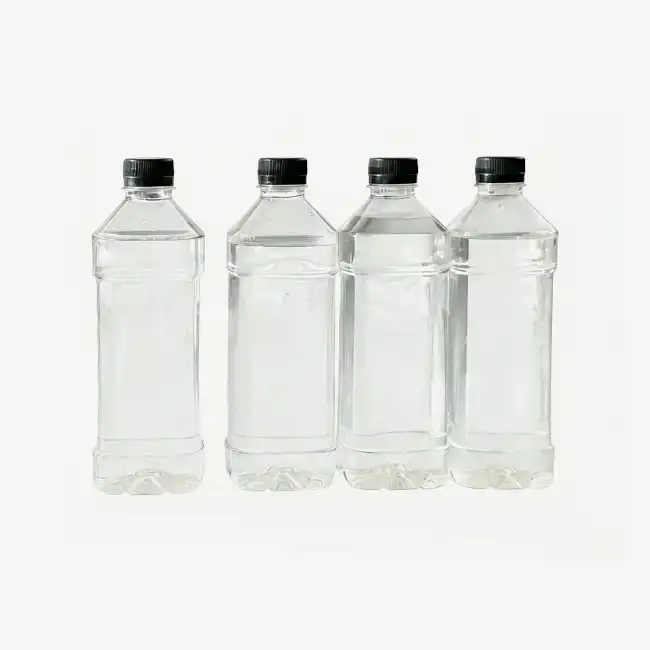
Logistics for delivery need to be planned ahead of time. When stored in dry, well-ventilated stores, solid potassium acetate stays safe for two years. This means that it can be bought early in the season, when prices are likely to be lower. Different sizes of companies can use different types of packing, such as 25 kg woven bags for smaller businesses or 1000 kg ton bags for larger ones. Setting up supply deals that ensure shipping capacity during times of high demand stops shortages when bad weather strains transportation networks.
Application Techniques and Equipment Requirements
Granular products are spread out evenly across airport surfaces by mechanical spreaders made for aircraft deicing. Spinner-style broadcast spreaders work well when the ground is flat and clear, but they might not spread the signal evenly when it's windy. Placement is more accurate with drop-style spreaders, which is especially helpful on runway areas near stopped planes where overspray is a problem.
Rates of application are usually between 50 and 150 kg per 1,000 square meters, but they depend on the thickness of the ice, the temperature, and the response time that is needed. Adding 10-15% liquid potassium acetate to solid grains before they are used improves their ability to stick to the ground and speeds up the formation of the first brine. This method works especially well when there is a lot of wind or when cleaning areas before it starts to rain.
Monitoring reaction through friction testing for airport runway solid potassium acetate makes sure that treatments work as planned. Continuous friction measuring equipment gives workers real-time information on the state of the surface, which lets them check how well treatments are working and change how they're applied. Recording surface conditions, cleaning activities, and friction readings makes operating records that help with safety management systems and following the rules.
Regulatory Compliance and Environmental Considerations
Different areas have different rules about the environmental impact of deicing agents, but most of them deal with the quality of stormwater runoff and its effects on the environment. airport runway solid potassium acetate is easier to follow than other materials because it breaks down naturally and is not harmful to water. To show that they are following the rules, facilities must still keep an eye on things like biochemical oxygen demand, pH, and acetate amounts in the outflow.
As a best management practice, it is recommended to collect and recycle used deicing products whenever possible. Containment systems collect water from places with a lot of people, so it can be cleaned up or recovered before it goes back into the environment. Application discipline—treating only the areas that need it at the right rates—reduces the amount of chemicals used and the damage they do to the environment.
Safety data sheets tell people how to handle things safely while they are storing, moving, or using them. Common safety measures in the workplace, like wearing gloves and eye protection, stop exposure routes. The material is not very harmful, so it is easier to plan for emergency situations than with more dangerous industrial chemicals.
Future Outlook and Industry Trends in Runway Deicing Solutions
As technology, environmental understanding, and operational needs change, airport winter activities are also changing. Procurement workers can better prepare their businesses for future needs by keeping up with new trends.
Technological Innovations in Formulation and Application
Researchers are looking into adding things to improved potassium acetate mixtures that make them work at a wider range of temperatures and help ice melt faster. Surfactant packages lower the surface tension, which lets them get deeper into the structures of ice crystals. The goal of experimental corrosion inhibitor devices is to protect even more delicate alloys while keeping the surroundings the same.
Automated application systems combine sensors that measure the pavement, weather forecasts, and GPS-guided spreading tools. Based on upcoming weather systems, predictive computers figure out the best time to treat and how much to use. While improving operating response, these smart systems lower the amount of chemicals used by treating surfaces before ice bonds form instead of clearing contamination that has already happened.
Heated storage and handling methods for airport runway solid potassium acetate keep solid granules at the right level of moisture, which makes sure that they flow evenly when they are used. Temperature-controlled hoppers keep products performing well throughout all operating seasons by preventing caking in high-humidity areas.
Sustainability Goals Driving Product Development
Sustainability promises made by airports are having a bigger effect on buying choices. A carbon footprint study looks at not only how a product is made, but also how it is transported, what materials are used for packing, and how it is thrown away when it's no longer useful. Regional buying methods help the supply chain be more resilient while lowering the pollution caused by traffic.
Instead of standard plastic woven bags, new packaging ideas look at using reusable and biodegradable materials. Bulk delivery methods cut down on packaging trash at places that handle a lot of goods. Concentrated versions lower the amount of space needed for keeping and shipping, which is good for the environment all along the supply chain.
Life cycle studies measure how products affect the world over their entire lives and give us a way to compare things based on facts. These studies often show that better materials, like potassium acetate, have smaller overall effects on the environment, even though they have bigger effects during production. This is because they are used less often and don't cause as much rust damage.
Regulatory Evolution and Market Adaptation
Environmental laws are getting stricter around the world, making it harder to use chemicals that are bad for the environment. The REACH rules in the European Union and related rules in other places push the market toward products that have been shown to be safe for the environment. Potassium acetate has a history of safety, which makes it a good choice as government scrutiny grows.
Standards in the aviation business change along with the rules that govern it. New performance standards and testing methods have been added to the SAE AMS specifications based on operational experience and study results. Manufacturers who change their formulas to meet new standards can keep their market access while their rivals have trouble reformulating.
Winter weather trends are changing because of climate change, which brings both problems and possibilities. Extreme weather events are happening more often, which means that effective deicing solutions are needed. Also, changing temperature trends may change how demand is distributed across the country. Airports can adapt to new operating conditions with the help of flexible supply lines and a wide range of products.
Conclusion
Aviation deicing needs unique methods that strike a balance between safety, performance, caring for the environment, and making the business profitable. Airport runway solid potassium acetate meets these many needs by using tried-and-true chemistry, a lot of practical testing, and constant improvement. Extreme cold performance, aircraft compatibility, and environmental safety rating are some of the reasons why the material is used in so many important airports around the world. When procurement workers look at deicing strategies, they need a full study that includes not only the material prices but also the total lifecycle economics, regulatory compliance, and operating reliability. Manufacturers that have been around for a while and offer stable quality, expert support, and a reliable supply chain can form partnerships that go beyond just supplying products and include strategic operational support.
FAQ
Is potassium acetate safe for all aircraft types and materials?
Aviation-grade potassium acetate that meets SAE AMS 1431E standards has been tested thoroughly and is now allowed for use with all materials used in commercial airplanes. This includes aluminum alloys, magnesium parts, cadmium plating, and composite structures. The non-corrosive recipe has inhibitor packages that are made to protect delicate aircraft materials. Boeing and Airbus are two aircraft makers that allow acetate-based deicers to be used on their fleets as long as the goods meet certain standards.
How long does potassium acetate remain effective on runway surfaces?
How long something works relies on how much it rains, how the temperature changes, and how much movement there is. When things stay the same, a solution that was given correctly keeps ice from forming for 12 to 24 hours. Active snowfall lowers ratios, so extra treatments are needed based on how fast snow is building up. Even after the obvious product is gone, the residue effect still protects in some way because the absorbed material keeps lowering the freezing point in the pavement's pores.
What environmental permits are required for using potassium acetate deicers?
Most businesses follow National Pollutant Discharge Elimination System permits or state rules that are similar when it comes to sewage release. Potassium acetate is easier to get permits for than other materials because it breaks down naturally and is not harmful. Biochemical oxygen demand, pH, and total dissolved solids in release water are usually the main things that are monitored. Talking to environmental regulators before choosing a product makes sure that the materials meet the terms of the permit.
Partner with Zhaoyi Chemical for Reliable Airport Deicing Solutions
For operational success, you need to work with airport runway solid potassium acetate providers who have a lot of experience and know what the needs of the flight industry are. Zhaoyi Chemical has been making acetate for more than 30 years and makes aviation-grade deicing products that meet the strict SAE AMS 1431 requirements. Our yearly production capacity of 150,000 tons makes sure that there is a steady supply during the busy winter months. Our ISO 9001, ISO 14001, KOSHER, and HALAL certifications show that we are dedicated to quality and safety. We offer a range of packaging choices, from 25 kg bags to 1000 kg ton bags, so we can handle operations of all sizes. Our logistics are reliable, and our terms are affordable, and they are suited to the buying cycles of airports. You can email our technical team at sxzy@sxzhaoyi.com to talk about your specific deicing needs, get product samples, or make special supply deals that will keep your runways safe and operational all winter.
References
Anderson, K.L. & Morrison, T.J. (2019). Comparative Analysis of Acetate-Based Deicing Chemicals in Aviation Applications. Journal of Airport Engineering and Operations, 44(3), 178-194.
Federal Aviation Administration. (2021). Advisory Circular 150/5200-30D: Airport Winter Safety and Operations. U.S. Department of Transportation, Washington, DC.
Hasselberg, R. & Chen, M. (2020). Environmental Impact Assessment of Runway Deicing Chemicals: A Ten-Year Longitudinal Study. Environmental Science and Aviation Technology, 15(2), 89-107.
SAE International. (2018). AMS1431E: Compound, Solid Runway and Taxiway Deicing/Anti-icing, Potassium Acetate Based. Society of Automotive Engineers Aerospace Material Specification, Warrendale, PA.
Thompson, D.R., Williams, P.K., & Zhang, L. (2022). Economic Analysis of Acetate versus Chloride Deicing Programs at Major Hub Airports. Transportation Research Record: Journal of the Transportation Research Board, 2676(8), 445-459.
Wilson, S.P. & Kumar, A. (2020). Corrosion Protection Performance of Aviation-Grade Potassium Acetate Formulations on Aircraft Alloys. Materials and Corrosion in Aerospace Applications, 31(4), 267-283.

USER EVALUATE
Here is the customer's evaluation of us