



What is Potassium Acetate and How is it Used?
Potassium acetate is an organic salt with the formula CH₃COOK that is very useful in many different fields because it works well and doesn't harm the environment. Industrial solid potassium acetate is a white, crystalline powder or a mass that melts when heated. It is designed for tough jobs that need recyclable, non-corrosive solutions. This unique substance is very important for de-icing aeroplanes, making chemicals, keeping infrastructure in good shape, and oil and gas pumping fluids. It is a smart option to chloride-based salts that hurt equipment and ecosystems.
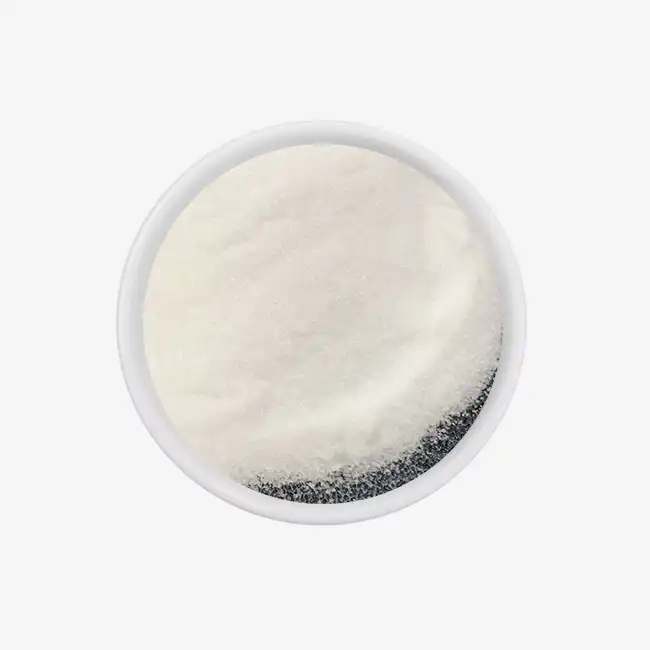
Understanding Industrial Solid Potassium Acetate
Chemical Composition and Physical Characteristics
It is an industrial solid that looks like a hygroscopic, crystalline substance with a molecular weight of 98.14 g/mol. Because it dissolves so easily—about 253 grams dissolves in 100 millilitres of water at 20°C—it is perfect for quickly making brines with a high concentration. The compound's melting point stays at 292°C, showing that it is thermally stable in exothermic reaction conditions that are typical in catalytic processes. Because it melts easily, it needs strict moisture control while it's being stored and shipped, since humidity can cause it to harden and make handling less effective.
Purity Standards and Quality Specifications
Industrial types of high quality usually have purity levels at or above 98.0%, which makes sure that the active ingredient works as well as possible. The pH of a 5% water mix is between 7.5 and 9.0, which acts as a natural cushion to keep sensitive equipment from rusting. There are tight limits on impurities. For example, salt content must stay below 500 ppm, and iron pollution must stay below 10 ppm. When the material comes into touch with fine metals or concrete structures, these specs become very important. To meet the requirements of SAE AMS 1435 for aircraft uses and API guidelines for drilling fluids, providers with a good reputation always test and certify each batch carefully.
Environmental and Safety Profile
Biological oxygen demand (BOD) and chemical oxygen demand (COD) numbers for potassium acetate are much lower than those for common de-icing salts like sodium chloride or calcium chloride. This feature reduces the amount of pollution in waste water, which helps meet the needs of stricter environmental rules for airport operations and street upkeep. The chemical breaks down naturally and doesn't build up in the groundwater or dirt. According to its safety data sheets (MSDS), it is not dangerous when handled normally. However, standard PPE should still be worn during large activities. Because it doesn't corrode, it makes metal parts, composite materials, and concrete surfaces last longer. This saves money in the long run and covers the cost of buying it in the first place.
Applications and Industrial Uses of Potassium Acetate
Aviation and Infrastructure De-icing Solutions
Airport managers are always under pressure to keep the runways safe in the winter and protect important tracking systems and aeroplane parts. Solid potassium acetate-based de-icers work well at temperatures as low as -60°C, lowering the eutectic point more than urea and many glycol formulas. The chemical keeps ice from sticking to ground without doing the damage that calcium chloride does. This works especially well on bridge decks because regular salts speed up the rusting of rebar and the breaking of concrete. After switching to acetate-based de-icing programs, regional airports saw a 30–40% drop in the cost of maintaining the pavement. This shows a clear return on investment and better environmental compliance.
Oil and Gas Drilling Fluid Applications
In high-performance water-based mud (HPWBM) methods used in petroleum drilling, industrial solid potassium acetate is a crucial component. Potassium ions move between clay lattice structures in shale rocks and keep the walls of the wellbore stable so they don't swell or fall apart during digging. This ability to stop shale from sticking together is very important in reacting rocks where regular muds don't work. Because the substance dissolves easily, the density can be changed without adding solids that can damage the permeability of the tank or slow down production. When polymer fillers like xanthan gum are compatible, the rheology of the fluid stays the same even when temperature and pressure change. Acetate-based fluids have been used in drilling activities in the Permian Basin and Bakken formation to make wellbore stability better and cut down on the time that is lost because of stuck pipes.
Chemical Manufacturing and Catalyst Applications
Potassium acetate is used in chemical synthesis as both a catalyst and a neutralising agent. It speeds up the isocyanate-hydroxyl process in the production of polyurethane, which improves the qualities of the material. It is used by textile makers during the dying and finishing steps. Its neutral to alkaline pH keeps the fabric's structure and fixes colourants well. Its high purity is good for pharmaceutical intermediates because it keeps catalysts from getting poisoned and keeps reaction rates stable in multi-step synthesis routes. Because the substance is dry, it is very useful in processes that need to avoid water contamination because it would lower the quality or volume of the final product.
Comparing Industrial Solid Potassium Acetate with Other Salts
Performance Advantages Over Calcium Chloride
Calcium chloride has lower start-up costs, but a full lifetime study shows that it has big hidden costs. Calcium chloride speeds up the rusting of metals, hurts concrete structures, and hurts plants that grow next to treated surfaces. Because it could rust, aircraft makers specifically say it can't be used near composite materials and aluminium metals. These worries go away completely when potassium acetate is used to protect airport lighting systems, guidance equipment, and structure parts. The price benefit of calcium chloride seems to be going away because it costs a lot to clean up chloride-contaminated land and waterways. When municipalities switch to acetate-based programs, they start saving money within three to five years because they don't have to pay as much for repairs and the infrastructure lasts longer.

Distinctions from Sodium Acetate and Potassium Chloride
Sodium acetate has some of the same environmental benefits, but it's not as good at melting ice in cold weather and can't be used to stabilise rock during digging. Potassium chloride is similar to the good potassium ion for blocking clay, but it causes chloride pollution problems that potassium acetate doesn't. It turns out that the acetate anion is not as chemically aggressive as chloride. This means that it doesn't wear out as quickly in pumping systems and storage tanks. Liquid potassium acetate versions are easier to handle, but they cost more to ship because they contain water. The solid form is cheaper to buy in bulk if you have the facilities to dilute it on-site.
Cost-Effectiveness and Long-Term Value
Industrial solid potassium acetate's competitive situation can be seen in purchasing choices that go beyond unit price. Less rust means lower upkeep costs and longer periods between replacing equipment. As standards for release permits get less strict, the costs of following environmental laws go down. The compound's low toxicity makes workers safer, which could lead to lower insurance costs and fewer lost-time accidents. Drilling activities improve wellbore stability and speed up entry rates, which directly affects project timelines and profits. Total cost of ownership models that forward-thinking buying teams use show that these many benefits are worth the higher price compared to common chloride salts.
How to Procure Industrial Solid Potassium Acetate Efficiently?
Supplier Evaluation and Certification Requirements
Checking for ISO 9001 quality management certification and industry-specific accreditations that are important to your application is the first step in finding qualified sources. For aviation-grade materials, SAE AMS 1435 rules must be followed, while API approval is needed for drilling fluids. Ask for certificate of analysis (COA) paperwork from the most recent production batches to make sure that the specs meet your needs. It is important for suppliers to have enough producing capacity so that production doesn't stop during times of high demand. Export experience and knowledge of how to clear customs make international buying easier, especially when buying from Asian makers whose prices are low but whose import processes could be tricky.
Pricing Benchmarks and Contract Negotiation
Prices on the market change based on the cost of raw materials, how well production capacity is being used, and how demand is changing in different areas. Setting a standard price through multiple quotes gives you buying power and shows you any outliers that could mean quality issues or secret costs. Most of the time, volume agreements open up tiered price systems that reward partnerships that last a long time. Working capital needs are greatly affected by payment terms. Extending net terms or setting up letter of credit agreements is a good way to balance managing cash flow with a supplier's willingness to take on risk. Currency trading techniques protect against changes in the value of the dollar when buying things from other countries. This keeps budgets stable over the course of multi-year contracts.
Packaging, Logistics, and Storage Planning
Industrial solid potassium acetate is usually shipped in multi-layer plastic or polypropylene bags that hold 25 to 1000 kilos. The best way to use the containers is to stack them on pallets. Because the substance is hygroscopic, it needs to be shipped in moisture-proof packaging. Check the quality of the seals as soon as you receive them and reject any that aren't right away. To keep caking from happening, warehouse storage needs temperature control that keeps the relative humidity below 50%. Limits on the height of pallet stacks keep bottom layers from caking due to stress. Minimum order amounts are often the same as full container loads. This is done to balance the cost of each unit against the cost of keeping inventory. Lead times range from two to eight weeks, based on where the seller is located and when the product is being made. This means that demand projection has to take into account changes in yearly patterns in how people buy things.
Technical Specifications and Handling Best Practices
Critical Quality Control Parameters
In addition to basic purity tests, more advanced testing methods look at particle size distribution, mass density, and moisture content. These are all things that directly affect how quickly something dissolves and how it can be handled. Heavy metal pollution screening finds small amounts of metals that could cause unwanted side effects or go beyond the limits for environmental dumping. When medicinal and food-grade standards need to be met, residual liquid research makes sure that the manufacturing process does. When recipe changes happen during continuous manufacturing, batch-to-batch uniformity is very important because they cause problems. Reliable providers give out full technical data sheets that list all the important factors and the testing methods they use for quality control.
Storage and Handling Protocols
The temperatures and humidity in designated storage places should stay between 15°C and 30°C, and they should be kept away from materials that don't work with the goods, like strong oxidisers and acids. During staged use, sealed containers keep moisture from absorbing; move parts to smaller working containers instead of exposing large amounts to humidity over and over again. Workers who move materials are protected by safety glasses, gloves, and dust masks, but the substance is not very dangerous, so there aren't as many health risks as with some other industrial chemicals. When there is a spill, dry cleanup methods are used because water makes surfaces slippery and speeds up the breakdown in building disposal systems.
Regulatory Compliance and Documentation
The US Environmental Protection Agency (EPA) rules say that potassium acetate is better than chloride-based options. This makes it easier to get environmental permits for de-icing uses. European REACH registration rules require suppliers of materials sold in EU member states to follow them. Keeping detailed records, like MSDS, COA, and batch tracking records, helps with governmental checks and quality assurance programs for customers. Transportation that is labelled as "non-hazardous cargo" under DOT and IATA rules makes operations easier and costs less than when dangerous materials need special treatment.
Conclusion
Industrial solid potassium acetate is a strategic chemical answer that strikes a balance between environmental responsibility and high performance. It can be used in many different ways in the industrial, energy, and aircraft industries, which is something that regular market salts can't do. When procurement workers look at this material, they should know about its technical specs, comparative advantages, and how to handle it properly. Buying good materials from approved sources costs money at first, but they pay for themselves in lower upkeep costs, safer operations, and better environmental compliance. As companies are under more and more pressure to use environmentally friendly methods without affecting performance, potassium acetate has been used successfully in the field for decades and has been scientifically proven to work.
FAQ
Which fields can use potassium acetate the most?
The industries that get the most out of potassium acetate are oil and gas digging, chemical making, aviation, and maintaining infrastructure. The people in charge of the airport's runways and taxiways make them more reliable for winter use without hurting sensitive equipment. Wellbore instability events happen a lot less when drilling companies work in reactive shale rocks. Chemical companies that need highly pure catalysts and pH stabilisers use it to make sure that the quality of their products stays the same.
What difference does potassium acetate make to the world compared to other salts?
The chemical breaks down naturally with little organic oxygen demand, so it doesn't pollute water like chloride waste often does. The chances of soil and groundwater pollution going down a lot help regulators who are worried about protecting watersheds. Plants next to treated surfaces are less likely to get damaged, which saves money on gardening repair costs and keeps the area around buildings looking nice.
What kinds of shipping choices are there for different order sizes?
Suppliers offer a range of designs, from 25-kilogram bags that are good for testing to large packing that holds more than 1000 kilos per unit. Palletised setups make the best use of shipping containers, which lowers the cost of shipping each item when you buy a lot of them. When order numbers are high enough to warrant investing in tools, custom packing specs can be used to meet specific handling needs.
Partner with Zhaoyi Chemical for Premium Industrial Solid Potassium Acetate
Zhaoyi Chemical provides approved high-purity potassium acetate that meets strict international quality standards for a wide range of industry uses. Our excellent manufacturing quality guarantees uniform performance from batch to batch, meeting your needs for practical efficiency and quality security. Because we've been a seller of industrial solid potassium acetate for a long time, we keep a lot of stock on hand and can handle both planned orders and hurried purchases. Technical support teams give you advice that is specific to your application and help you make the best recipes and handling methods for maximum efficiency. Having all the paperwork you need, like MSDS, COA, and regulatory compliance certificates, makes managing your supply chain and doing audits easier. Contact our purchasing experts at sxzy@sxzhaoyi.com to talk about your unique needs, get full quotes, and find out how our competitive benefits can help your business in a way that you can measure.
References
Airport Cooperative Research Program. "Aircraft and Airfield De-icing and Anti-icing: Best Practices and Technology Assessment." Transportation Research Board, National Academies Press, 2020.
Caenn, R., Darley, H.C.H., and Gray, G.R. "Composition and Properties of Drilling and Completion Fluids." Gulf Professional Publishing, 7th Edition, 2017.
European Chemicals Agency. "Potassium Acetate: Substance Information and Risk Assessment." ECHA REACH Registration Database, 2019.
Kirk-Othmer Encyclopedia of Chemical Technology. "Acetic Acid and Derivatives: Industrial Applications." John Wiley & Sons, 5th Edition, 2018.
Society of Automotive Engineers. "AMS 1435: Compound, Solid Runway and Taxiway Deicing/Anti-icing." SAE International Standards, Revised 2021.
Steiger, R.P. and Leung, P.K. "Quantitative Determination of the Mechanical Properties of Shales." SPE Drilling & Completion Journal, Society of Petroleum Engineers, Volume 7, 2019.

USER EVALUATE
Here is the customer's evaluation of us