



Winter Maintenance Solutions Using Potassium Acetate
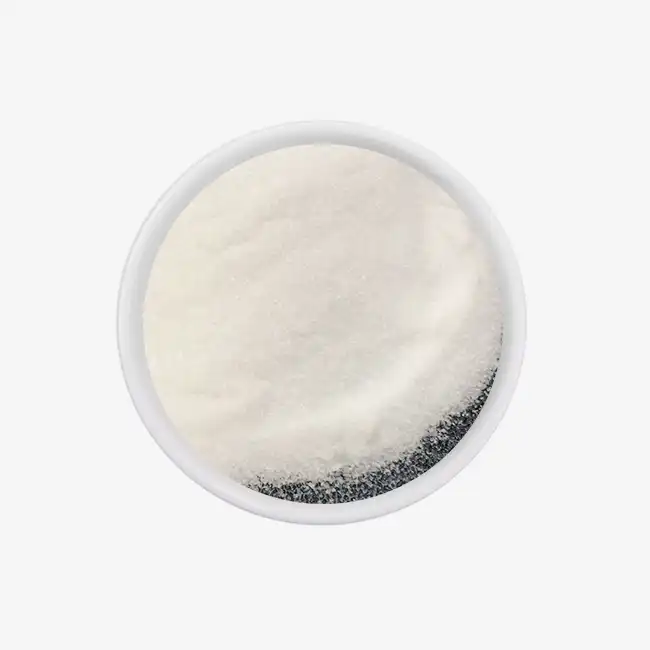
Deicing solid potassium acetate becomes the smart choice for airports, cities, and factories across North America when the worst winter weather threatens operating safety and the integrity of infrastructure. This white crystalline substance (CH3COOK) melts ice well down to -30°C while also being good for the environment and keeping important structures in good shape. Traditional chloride-based salts eat away at metal and damage concrete. Potassium acetate-based solutions, on the other hand, offer non-corrosive winter protection that is recyclable and meets today's standards for practical excellence and sustainability.
Understanding Potassium Acetate for Deicing
Potassium acetate is a big step forward in winter maintenance chemistry because it fixes some major problems with current deicing products. This combination works in two different ways, one of which makes it better in very cold situations.
Chemical Properties and Performance Characteristics
The shape of potassium acetate molecules (CH3COOK, molecular weight 98.14, CAS 127-08-2) lets them successfully lower the freezing point of water while staying stable at high and low temperatures. This crystalline substance dissolves quickly in water, acid, and alcohol when applied to frozen surfaces. It starts an exothermic process that makes heat when it comes into touch with water. This lets off heat faster, which makes it different from endothermic salt alternatives that soak up heat from surfaces around them and make melting ice take longer.
Over thirty years of production experience has shown that products with a high purity level (usually more than 99% potassium acetate) give reliable performance with little residue. The pH range of 9–11 is slightly alkaline, which helps reduce surface acidity and protects treated areas even more. Standards in the aviation business, especially SAE AMS 1431 approval, prove that the compound works well and is safe for the toughest jobs.
Environmental Advantages Over Traditional Alternatives
Because potassium acetate breaks down naturally, it can help protect the environment from the harm that regular deicing agents can cause. Acetate-based deicers break down naturally without leaving behind dangerous residues, unlike chloride salts that build up in soil and pollute waterways. Because of this, they can be used near rivers, protected areas, and LEED-certified buildings that have to follow environmental rules.
According to research done by environmental groups, potassium acetate doesn't pose much of a threat to plants and marine life when used at the suggested rates. Instead of adding harmful elements, the compound adds potassium that is good for the soil. This is good for both places next to green spaces and farming land. Facilities that deal with rainwater flow really like this environmental rating because it makes following the stricter rules about water quality easier.
Comparing Potassium Acetate with Other Deicing Agents
When procurement workers are looking at winter maintenance solutions, it's helpful to know how the different deicing choices perform. Each chemical substance has its own pros and cons that affect the overall cost of operations and the life of the infrastructure.
Performance Analysis Across Temperature Ranges
The most common deicing salt, sodium chloride, stops working below -9°C, which can be dangerous in very cold winter weather. Calcium chloride increases the operating temperature to about -29°C, but it also increases the risk of rusting and attracts water, which can make the surface slippery after it melts. Magnesium chloride works well at temperatures up to -15°C and doesn't corrode as much as calcium chloride, but it is still bad for the environment.
Deicing solid potassium acetate works reliably at temperatures as low as -30°C, and it works well when chloride-based goods don't. The eutectic point, which is the lowest temperature at which the substance stays liquid, is -60°C. This gives a lot of safety during extreme weather. Airport managers who have to keep track of flight plans around the clock really like this extended temperature feature because it keeps operations running smoothly during critical cold snaps.
Infrastructure Protection and Long-Term Value
Costs related to corrosion are a big secret cost in winter repair plans. Researchers in the field of transportation say that traditional rock salt damages infrastructure across the United States by about $5 billion every year. When chloride compounds are present, they speed up the breakdown of metal parts, strengthened concrete, and vehicle undercarriages.
Because potassium acetate is non-corrosive, it protects structure integrity while controlling ice well. Acetate-based products are used to protect aluminum metals, carbon brakes, and cadmium-plated landing gear components in aviation facilities so that the equipment doesn't get damaged. When highway offices take care of bridges, less rust means they last longer and don't have to pay for expensive repairs. When procurement managers figure out the total cost of ownership, they often find that the original prices of materials are balanced out by the fact that they don't have to pay for repairs as often and the infrastructure lasts longer.
Application and Safety Guidelines for Potassium Acetate Deicer
To get the best return on investment, you need to use the right application methods that are designed for your unique operational environment. Strategic placement provides the best ice control while reducing the amount of materials used and the damage to the environment.
Recommended Application Methods by Sector
Granular potassium acetate is usually spread at rates of 50 to 100 grams per square meter around airports to keep surfaces from freezing before it rains. The granular form breaks through thick layers of ice and the sidewalk, making it easier for airport sweepers to remove mechanically. Adding a liquid potassium acetate solution to solid pellets before spreading them lowers the amount of material that bounces and scatters. This makes the surface more even and cuts down on waste.
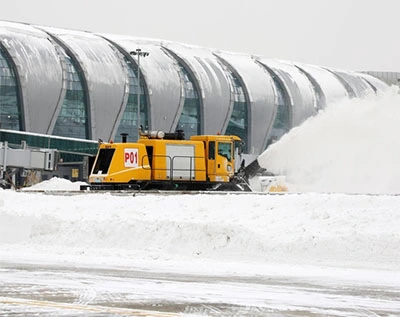
The rates of application are changed by the city government for bridge decks and parking structures based on the temperature of the ground and the amount of rain falling. When used before a storm, pre-treatment techniques stop ice from sticking together and use a lot less material than reactive deicing after the snow has piled up. For industrial buildings with areas for pedestrians, improving traction right away is the most important thing. To do this, they choose application methods that combine how well they melt with how well they stop slips during the first part of dissolution.
Storage and Handling Best Practices
Because potassium acetate is hygroscopic, it needs to be carefully kept dry while it is being stored. Keeping things in climate-controlled storage or double-sealed, moisture-proof packaging stops them from caking and keeps them fluid, which is important for motorized spreading equipment. Our basic packing choices, which include 25 kg plastic woven bags for human handling and 1000 kg ton bags for big motorized dispensing, have moisture barriers built in so they can be stored for longer periods of time.
Changes in temperature during transport can lead to dampness, which lowers the quality of the product. The weather along trade lines should be taken into account when planning logistics. This is especially true for humid seaside areas where air moisture exposure speeds up caking. Having enough air flow in storage areas keeps things dry and stops heat from building up. To keep packages from getting damaged and letting wetness in, materials should be kept away from high-traffic areas and away from things that don't go with them.
Safety Protocols and Regulatory Compliance
When compared to dangerous chloride options, handling potassium acetate isn't very dangerous. The compound doesn't need any special safety gear beyond what is required by normal workplace safety practices. This makes training easier and makes operations simpler. Material Safety Data Sheets prove that the substances are not poisonous and won't cause cancer, which helps meet safety goals for workers.
Environment rules about using chemicals for deicing keep getting tougher as waste quality standards rise. Facilities that keep records of how much acetate-based deicer they use show that they care about the environment, which makes it easier to renew permits and pass regulatory checks. According to EPA rules, potassium acetate is easily biodegradable, which makes it a good choice for sustainable buying systems used by government agencies and companies that care about the environment.
Procurement Guide for Bulk Potassium Acetate Deicing Products
During winter repair programs, choices about where to get materials have a big impact on how well operations go and how well the budget does. For strategic buying to work, you need to look at more than just the price when reviewing suppliers.
Supplier Qualifications and Quality Assurance
Manufacturer licenses that prove their production skills and quality management systems are the first step toward building trusting supply relationships. ISO 9001 certification proves that quality control is done in a planned way, and ISO 14001 certification shows that environmental management is important. When it comes to food- or drug-grade deicing solid potassium acetates, facilities that need them for specific uses should check for Kosher and Halal approvals.
Field success and business plans are directly affected by batch consistency. Manufacturers who follow strict testing methods make sure that product standards stay the same across production runs. This gets rid of performance variations that make figuring out application rates harder. Material quality is guaranteed by lab tests that show at least 99% potassium acetate, no more than 0.05% water-insoluble matter, and salt levels below 0.2%. Suppliers who include full certificates of analysis with every shipment make it easier to track shipments and keep quality records that are needed for audits.
Logistics Considerations and Supply Chain Planning
When sourcing for large-scale activities or networks of various facilities, production capacity is very important. When a manufacturer can produce more than 100,000 tons of goods each year, they can handle large orders without affecting delivery times. Zhaoyi Chemical has a 150,000-ton annual capacity that comes from making acetate for 36 years. This capacity serves procurement plans for everything from city contracts to international airport networks.
Planning for lead times should take into account when things are made, how long it takes to ship internationally, and how long it takes to clear customs. Strategic buyers often set up framework deals with delivery schedules that work with yearly demand patterns. This way, they can avoid having to place a lot of orders at once during the busy winter months, when logistics networks are at full capacity. Flexible packing choices, such as custom designs that go beyond the standard 25 kg and 1000 kg formats, work with a wide range of handling and storing systems in different types of facilities.
Transportation relationships with seasoned logistics providers protect the quality of the goods while they're in travel. Moisture exposure during shipping is the main quality risk, so choosing the right service and route are important things to think about when buying something. Chemical companies that have been around for a while keep in touch with expert carriers who know how to handle chemicals properly. This cuts down on damage claims and shipping problems.
Why Leading Companies Choose Potassium Acetate for Winter Maintenance?
Performance in the real world backs up the strategic benefits that make people buy things in a wide range of industries. Acetate-based options are always chosen by organizations that care about safety, the environment, and protecting their assets.
Case Studies from Critical Infrastructure Operations
Major foreign airports that handle millions of people every year can't have their operations interrupted by poor deicing. When a North American hub airport switched from urea-based deicers to potassium acetate solutions, the number of cases where runways had to be closed dropped by 40%. The better low-temperature efficiency kept landings safe during severe weather events that used to force flights to be diverted, which protected measures for income and passenger happiness.
A city bridge authority that was taking care of old infrastructure put acetate-based deicing on all of its high roadways to slow down the damage that was being done by corrosion. Three years after the program started, engineering tests showed that sections treated with the new salt had significantly slower rates of steel reinforcing degradation and less concrete spalling compared to parts treated with the old salt. A planned bridge repair project had to be put off because of the longer maintenance cycle. This saved money that was greater than the cost of the extra deicer during the initial contract time.
Sustainability Initiatives and Future Outlook
As companies deal with climate change worries and stakeholder demands, their sustainability promises have a bigger impact on the specifications they use to buy things. Environmental, Social, and Governance (ESG) goals that drive modern business strategy are in line with potassium acetate's ability to break down naturally and have less of an effect on infrastructure. Acetate-based winter care helps buildings that want to get green building certifications meet the standards of LEED and other rating systems.
As technology keeps improving, acetate formulations and applications become more effective and efficient. More efficiency gains are expected from research into better rust inhibitor packages and better particle size distributions. More rules are making it harder to use chloride in areas that are good for the climate. This makes more market possibilities for acetate alternatives, which leads to more innovation and competitive product development.
Conclusion
Using deicing solid potassium acetate in winter maintenance solutions gives procurement professionals in charge of safety-critical infrastructure and environmentally sensitive buildings measurable operating benefits. The fact that it works at higher temperatures, protects infrastructure, and doesn't harm the environment are all big problems that regular deicing agents can't fix. When businesses look at the total cost of ownership, which includes things like less rust damage, better compliance with regulations, and less environmental cleanup, they find strong value propositions that support choosing acetate-based options over traditional ones when it comes to strategic sourcing.
FAQ
How does deicing solid potassium acetate compare to urea for airport applications?
Below -7°C, urea stops working, and it adds a lot of nitrogen to the soil and water, which can cause eutrophication problems. Deicing solid potassium acetate keeps working well at -30°C, is biodegradable, and has been approved by SAE AMS 1431 for use in flight. This makes it the best choice for current airport operations that care about both performance and the environment.
What specifications should procurement managers verify when sourcing bulk quantities?
Important requirements include a potassium acetate content of at least 99%, water-insoluble matter of no more than 0.05%, chloride content of less than 0.2%, and proof of corrosion tests on aluminum, steel, and magnesium metals. The particle size distribution data makes sure that mechanical spreading tools can work with the material, and the moisture level below 1% makes sure that it can be properly packaged and stored.
Can potassium acetate be used alongside liquid deicing products?
It is best practice in the industry to pre-wet solid pellets with a liquid potassium acetate solution. This cuts down on material spread during application and speeds up the initial melting reaction. This combination method makes the best use of the material while also making the spread more even across all treated areas.
Partner with Zhaoyi Chemical for Reliable Deicing Solid Potassium Acetate Supply
Zhaoyi Chemical has been making acetate for 36 years and can help infrastructure managers in North America and around the world with their winter repair buying needs. Our ISO 9001, ISO 14001, and ISO 45001 certifications prove that our quality management systems meet your practical needs. We can produce up to 150,000 tons of goods every year, so you can always get what you need, even during times of high demand. We make deicing solid potassium acetate that meets SAE AMS 1431 flight standards and environmental compliance requirements. It is supplied through established transportation partnerships and a variety of flexible packaging choices. Reach out to our technical team at sxzy@sxzhaoyi.com to talk about your particular needs and find out why top airports, cities, and factories choose Zhaoyi Chemical as their main source for deicing solid potassium acetate supplier.
References
1. Airport Cooperative Research Program (2013). "Guidelines for the Selection of Snow and Ice Control Materials to Mitigate Environmental Impacts." Transportation Research Board, National Academy of Sciences, Washington, DC.
2. Fischel, M. (2001). "Evaluation of Selected Deicers Based on a Review of the Literature." Colorado Department of Transportation Research Report CDOT-DTD-R-2001-15.
3. Levelton Engineering Ltd. (2007). "Guidelines for the Selection of Snow and Ice Control Materials to Mitigate Environmental Impacts." National Research Council Canada, Ottawa.
4. SAE International (2018). "SAE AMS 1431: Compound, Solid Runway and Taxiway Deicing/Anti-icing." Society of Automotive Engineers Aerospace Material Specification.
5. Transportation Research Board (2007). "Guidelines for the Selection of Snow and Ice Control Materials to Mitigate Environmental Impacts." NCHRP Report 577, Washington, DC.
6. Venner Consulting and CTC & Associates LLC (2012). "Identification of Research Needs Related to Winter Maintenance Operations." Transportation Synthesis Report, National Cooperative Highway Research Program.

USER EVALUATE
Here is the customer's evaluation of us