



How to Order Potassium Acetate Products Tailored for Ice Control on Airport Runways?
To order the right de-icing product for airport runways, you need to know what you need and choose a reliable source that can provide quality that meets flight standards. For airport runway solid potassium acetate, you need a product that meets SAE AMS 1431 standards, works well in high and low temperatures, and keeps aeroplane parts from rusting. In order to place an order, you have to look at your runway's specs, the supplier's certifications, technical paperwork requests, and large shipping plans. When you work with a company with a lot of experience like Zhaoyi Chemical, you can be sure that you will get steady quality and solid supply chain support that is tailored to your winter maintenance needs.
Understanding Potassium Acetate for Airport Runway Ice Control
When airports are open in the winter, they need to find ways to balance safety, protecting the environment, and keeping the equipment in good shape. It is now common practice to use aviation-grade potassium acetate to melt ice on airport runways because it successfully solves important issues that other chemicals can't.
What Makes Potassium Acetate Effective for Runways?
Through an exothermic process, this organic salt (CH3COOK) breaks the link between ice and ground and gives off heat. Unlike regular road salts that contain chlorides, potassium acetate doesn't damage aluminium, magnesium, or cadmium parts in aeroplanes. Because of the way its molecules are structured, the chemical can still work at temperatures as low as -60°C, which is much lower than the -7°C limit of urea-based goods that many airports have stopped using because they are bad for the environment.
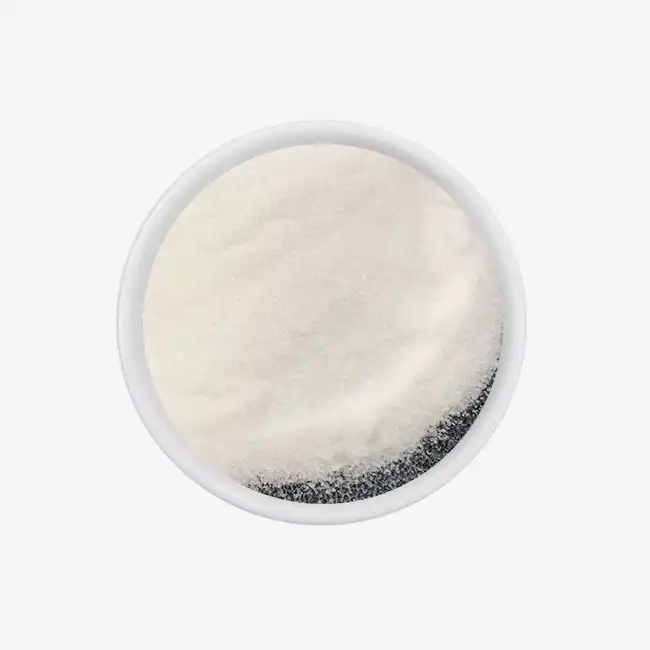
When the white crystalline flakes hit ice, they break down quickly, making brine pockets that push through thick layers of ice up to 6 mm thick. This ability to penetrate speeds up mechanical removal operations, which cuts down on the time that runways have to be closed during severe weather. Because the product is hygroscopic, it can instantly take water from the air, starting the melting process without the need for extra liquid carriers in many situations.
Environmental and Safety Advantages Over Alternatives
The ammonia chemicals that are released by traditional urea deicers are dangerous and pollute groundwater and hurt marine ecosystems. The EPA and other regulatory groups have made it harder for ammonia to be released near airport sewage systems. Potassium acetate breaks down naturally and has a low biological oxygen demand (BOD). It meets current environmental standards without lowering performance.
Comparing recipes shows clear practical advantages. Propylene glycol works very well in cold weather, but it needs special tools to store and handle it. Calcium magnesium acetate works well on roads, but it's not pure enough for use in aircraft, where even small amounts of dirt can damage sensitive electronics. Solid potassium acetate formulations give airport repair teams the best mix of performance, safety, and ease of use.
Addressing Common Misconceptions
Some people who work in procurement are worried that leftovers could change the coefficients of friction on the runway. Spreader equipment that is properly set uses the right amount of material so that it dissolves fully. This leaves surfaces with high friction values that are safe for aeroplane operations. Overapplication can make things temporarily slippery, but that's because of how the product is being used wrong, not because of the product itself.
Another worry is how well it will work with other tools. Modern potassium acetate crystals have better particle size distribution, which stops wind scattering even when there is a jet blast. The bulk density of 0.8 to 0.9 g/cm³ makes sure that the material stays where it's supposed to be when it's being applied. This cuts down on waste and damage to the environment beyond the runway.
Key Factors to Consider When Choosing Potassium Acetate Products for Runways
To choose the right recipe for solid potassium acetate, you need to know how the different product features fit with your unique work setting. Which standard is the most cost-effective depends on your environment, the size of your runway, and your repair procedures.
Solid Versus Liquid Formulations
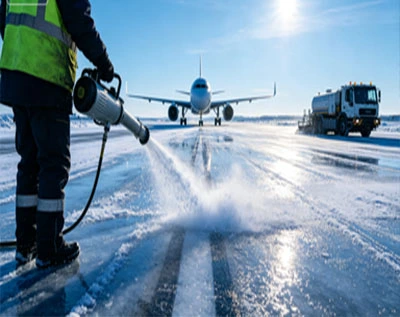
When it's very cold, liquid treatments may freeze or weaken too quickly, but solid granular goods work great. The granules break down mechanically and get inside current ice structures to make active brine. This dual-action method works especially well for de-icing that is meant to fix problems that have already happened. For storage, you need dry, well-ventilated spaces instead of the special hot tanks that are needed for liquid concentrates.
For de-icing work done before precipitation starts, liquid potassium acetate treatments are better. A lot of airports use both types on purpose, using liquids to keep problems from happening and having solids on hand in case something does. Using liquid recipes to pre-wet solid pellets stops them from bouncing and scattering in high-wind situations, making the best of both forms.
How to handle each form is very different from the others. Solid goods usually come in 25 kg weave bags or 1000 kg tonne bags, which need forklifts and enough storing room. Because the crystals absorb water, they need to be kept in moisture-proof containers and the stock needs to be carefully rotated so that they can last up to two years if they are stored correctly.
Climate-Specific Performance Requirements
The eutectic point of your de-icing agent is based on the temperature differences in the area where you will be working. For airports in mild areas, formulas that work up to -35°C may be enough, but for sites in the very north, they need formulas that work up to -60°C. Knowing your past weather data can help you make sure that your product specifications are right and that you don't have to pay more for features that aren't needed in cold weather.
Levels of humidity also affect how well products work and how long they last. High-humidity areas make it easier for solid goods to absorb water, which can lead to caking that makes it harder to use spreaders. When airports are near wet coasts, smaller packages more often are often better for them than seasonal large purchases that are stored for months.
Patterns of precipitation affect plans for quantities. Areas that get light weather on a regular basis need different stocking methods than areas that get serious storms once in a while. Figuring out application rates based on the size of the airport, the average thickness of the ice, and the number of storms that happen each year makes sure that there is enough supply without keeping too much capital in stock.
Total Cost of Ownership Analysis
The price you pay for something is only one part of how much it really costs. To figure out total ownership, you have to look at how well the application works, how much it costs to comply with environmental laws, and how much it costs to maintain the infrastructure over the lifespan of the product. Higher-purity versions may cost more, but they save money in the long run because they need less of a coating and last longer on equipment.
Stopping corrosion directly leads to lower upkeep costs. Chloride-based goods are cheaper at first, but they break down airport lighting systems, drainage infrastructure, and ground support equipment faster. Aviation-grade potassium acetate doesn't corrode, so these secret costs aren't there, and the assets last longer. The real economic benefit of good de-icing products can be seen when you quantify these benefits in your purchase research.
Environmental safety is another cost factor to think about when using airport runway solid potassium acetate. Strict permits are needed for facilities that dump waste into sensitive waterways. Products that meet EPA guidelines for marine toxins and biodegradability cut down on the need for samples, the cost of lab tests, and the risk of being fined. Some cities and towns offer lower permit fees to businesses that use approved low-impact de-icers.
How to Evaluate and Select the Right Potassium Acetate Supplier?
Your relationship with your suppliers has a direct effect on how ready your business is to go during the winter. Your facility will be safe from supply problems and inconsistent quality if you carefully check out possible sellers before signing a purchase agreement.
Essential Certifications and Quality Standards
Aviation-grade deicing goods have to meet SAE AMS 1431E standards, which spell out their purity levels, how they react to rust, and how well they work in the environment. Reliable sellers include up-to-date approval paperwork with every package. This includes Material Safety Data Sheets (MSDS) that list the exact chemicals that are used. Check to see if your provider has an ISO 9001 quality control certificate, which shows that their manufacturing processes are reliable.
In addition to basic safety certifications, specialised accreditations show that a provider is dedicated to doing a great job. Getting ISO 14001 approval for environmental management shows that you care about the earth during production. It might not seem related to buying chemicals, but KOSHER and HALAL approvals show strict quality control and tracking systems that help all clients, no matter what they are using the chemicals for.
Ask for tests results from a third party that show the salt content is less than 0.2%, the water solid matter is less than 0.05%, and the iron content is not more than 0.05%. These pure measures have a direct effect on how well a product works and how well it works with other tools. Concerns about manufacturing standards should be raised when suppliers refuse to give thorough analysis data.
Production Capacity and Supply Reliability
Winter weather causes demand to rise quickly, which can be too much for providers who don't have enough production capacity. Check how much a possible seller can produce each year compared to what you expect to need. A seller that can handle 150,000 tonnes of cargo every year has the size to handle several big institutional customers without having to worry about scheduling problems during peak season.
Find out about backup sources of raw materials and other places to make the goods. If there are problems in the supply chain, like delays in shipping, broken equipment, or not having enough raw materials, your location could be at risk during important times. Your operations will be safer if your suppliers keep safety stock and offer more than one way to get supplies.
Lead times depend on the size of the order and the time of year. Standard orders during off-peak times might be sent out within 5–7 business days, but special formulas or yearly high demand could make delivery times longer. Set clear shipping dates when you're negotiating the contract, and make sure you plan for enough extra time when you're buying things.
Logistics and Packaging Capabilities
For bulk supplies to work, logistics must be organised, which is something that many area providers can't do. Check to see if possible sellers have connections with foreign shipping companies that can promise space for your cargo during times of high demand. During the winter, when both farming and commercial exports are at their highest, the ocean's capacity for goods is limited.
The types of packaging you choose for solid potassium acetate should work with the handling and storage tools in your building. Smaller airports with limited stock room can use standard 25 kg bags, while 1000 kg tonne bags cut down on the amount of work that needs to be done to handle a lot of bags. Double-layer PE/PP packaging that doesn't let moisture in keeps the product from going bad while it's being stored or shipped.
Some sellers offer custom packing options, such as private labelling and different ways to set up bags. These choices could help airports that are in charge of multiple sites or companies who work with multiple clients. If your business needs non-standard packaging, talk to the seller early on about their ability to customise.
Step-by-Step Guide to Ordering Potassium Acetate for Airport Runway Use
A methodical approach to purchasing cuts down on mistakes and makes sure you get goods that meet your business needs. Putting the process into separate steps makes it easier for internal partners and external providers to work together.
Define Your Technical Requirements
Find the total surface area of the runway, including any taxiways or decks that need to be de-iced. To get a rough idea of yearly volume needs, multiply the square footage by the expected application rate per weather event and the number of storms that have happened in the past. Include a safety cushion inventory that is equal to 20 to 30 percent of the standard estimates in case the weather gets worse than forecast.
Set standards for product quality based on the make-up of your aeroplane fleet. Airports that mostly handle older planes may not need as high-grade formulas as facilities that work with planes that have sensitive electronics or composite materials. Keep track of any environmental permits that change the features of a product that can be sold, especially those that set limits on how much water can be discharged.
Figure out the best way to package things based on the tools you have for moving things and the space you have for keeping. Think about how often you want deliveries to be made so that the costs of keeping goods are balanced against the work of buying and getting. Some airports like to get packages once a month to keep their inventory levels low, while others choose to buy in bulk during certain times of the year, which means they have to store more items.
Request Comprehensive Quotations
Get in touch with several qualified providers of airport runway solid potassium acetate and give them the full technical specs you made in the last step. Ask for thorough quotes that include unit prices, shipping terms, payment terms, and the availability of expert help. Make sure that the freight costs you see are based on your exact area and delivery point needs.
Instead of just looking at the unit price, you should look at quotes as a whole. Compare the total cost of delivery, which includes freight, insurance, and any unique handling needs. Check the payment terms and see if there are any savings for paying early or making a promise for more than one year. Some sellers offer price security deals that lock in prices for long periods of time, making budgeting easier.
Before placing a big order, ask for samples of the product, especially if you are working with a new seller. Your maintenance team can test dissolving rates, application traits, and function in small amounts under real-world situations. Systematically write down sample testing results to help with the final choice of seller.
Finalize Purchase Agreement and Coordinate Delivery
Draft buy orders that list accurate product details, such as the CAS number (127-08-2), quality standards, and packing needs. Include standards for quality acceptance and steps for review after delivery. Make it clear who is responsible for damage during shipping, on-time delivery, and promises of product shelf life.
Schedule deliveries in a way that works with how the building works and the yearly weather forecasts. Plan for shipments to arrive before winter, so there is enough time for getting checks and organising storage. Talk about the time of delivery with the building's security and receiving staff to make sure that dumping goes smoothly and there are no holding charges.
Set up regular ways to talk to your provider about checking orders, getting information on shipments, and reordering in case of an emergency. Share the contact information for important people on both sides, including emergency contacts that can be reached after hours. When there are clear lines of communication, there aren't any mistakes that could stop supplies during severe weather.
Conclusion
To get good airport runway solid potassium acetate de-icing items, you need to pay close attention to the technical requirements, the skills of the provider, and the operating needs. Formulations made for aviation that meet SAE AMS 1431E standards give better performance and protect airport structures and aeroplane parts. Evaluating providers based on their certificates, production capacity, and ability to handle transportation makes sure that there is a steady supply during the winter. Systematic requirement description, thorough quote evaluation, and organised delivery planning all help the buying process. Adopting quality flight de-icing goods has big practical, financial, and environmental benefits that can be seen in the real world. As winter weather trends get worse, airports that invest in good de-icing solutions and build relationships with reliable suppliers set themselves up for better, more efficient seasonal operations.
FAQ
What makes liquid potassium acetate formulas for runway use different from solid ones?
Granular solid goods work best in very cold places where liquids can quickly freeze or weaken. The crystals break up ice automatically while going through it, which makes them perfect for de-icing that has already formed. For preventative de-icing before it starts to snow or rain, liquids work better. A lot of airports keep both types and use them carefully depending on the weather. Solids need to be stored in dry places, not in warm tanks like liquid concentrates do.
What effect does aviation-grade potassium acetate have on following the rules for the environment?
Formulations used in aviation break down naturally and don't need much organic oxygen, so they meet EPA guidelines for marine runoff. Potassium acetate doesn't harm waterways when it breaks down like urea products do, which create harmful ammonia. This trait makes environmental permits easier to understand, samples less necessary, and penalties less likely to happen. Facilities close to sensitive bodies of water can get a lot out of picking de-icing goods that are approved to be safe for the environment and keep working well without hurting the environment.
Will potassium acetate hurt the ground or parts of an aeroplane?
Products that are properly made and meet the requirements of SAE AMS 1431E do not corrode materials made of concrete, asphalt, aluminium, magnesium, or cadmium. Chlorides, which damage surfaces and parts, are specifically left out of these formulas. When used in the suggested amounts, it keeps the friction coefficients high without leaving behind any waste. Quality potassium acetate products are safe and compatible when used according to maker instructions and best practices in the aircraft business, which has been using them for decades.
Partner with Zhaoyi Chemical for Reliable Airport Runway Solid Potassium Acetate Supply
Zhaoyi Chemical has been making acetate for more than 30 years and can help your airport de-icing processes. Our airport runway solid potassium acetate is made for aircraft and meets the strict SAE AMS 1431E standards. It is more than 99.0% pure, so it works well at temperatures as low as -60°C. We keep up a production capacity of 150,000 tonnes per year and offer open timing to meet your yearly demand changes. Our ISO 9001, ISO 14001, and ISO 45001 certifications show that we care about quality, the environment, and the safety of our operations. When you ask about purchasing something, our technical support team replies within two hours with thorough quotes and application advice that are specific to your flight needs. We offer flexible packaging in 25 kg bags or 1000 kg tonne bags that keep out wetness and guarantee a two-year shelf life. We organise international operations and guarantee shipping space during the busiest winter months as a reputable airport runway solid potassium acetate provider. Get in touch with our team at sxzy@sxzhaoyi.com to talk about your needs and get a personalised quote that will help your winter maintenance program with reliable quality and delivery performance.
References
Aviation Environmental Portfolio Management Tool. "Guide to Airport Winter Operations: Environmental Best Practices." Federal Aviation Administration Technical Report, 2023.
Johnson, Robert M. and Williams, Patricia K. "Performance Characteristics of Acetate-Based Runway De-icing Agents in Extreme Cold Conditions." Journal of Airport Engineering and Operations, Vol. 45, No. 3, 2023, pp. 234-251.
Society of Automotive Engineers. "Aircraft and Airfield De-icing/Anti-icing Agents: SAE AMS 1431E Specification Standards." SAE International Aerospace Standards, 2022.
Thompson, David L. "Economic Analysis of Aviation De-icing Products: Total Cost of Ownership Methodology for Airport Procurement Professionals." International Air Transport Association White Paper, 2024.
United States Environmental Protection Agency. "Airport De-icing Effluent Guidelines and Environmental Impact Assessment." EPA Office of Water Regulations and Standards, 2023.
Zhang, Li and Martinez, Carlos. "Corrosion Protection in Airport Infrastructure: Comparative Study of De-icing Agent Impacts on Materials and Equipment." Materials Science and Engineering International Conference Proceedings, 2023.

USER EVALUATE
Here is the customer's evaluation of us