



Choosing the Right De-Icer: The Case for Potassium Acetate
Every winter, people who work in winter operations have to make a big choice: which de-icing agent will protect infrastructure while also meeting safety standards and environmental rules? For airports, cities, and factories in North America and Europe, deicing solid potassium acetate has become the best option out of all the options. This solid substance (CH3COOK) melts very well at temperatures as low as -30°C and is very safe for the environment. It provides operations managers with a solution that meets both short-term safety needs and long-term sustainability goals. Knowing the unique benefits of this high-tech de-icer helps buying teams make smart choices that balance cost, performance, and environmental responsibility.
Understanding Potassium Acetate as a De-Icing Solution
Chemical Composition and Physical Properties
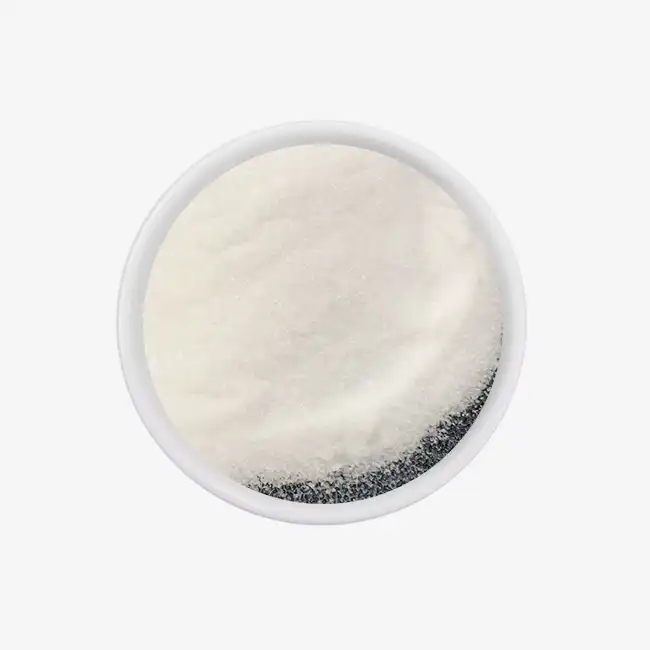
Its CAS number is 127-08-2, and it is a white crystalline salt with a molecular weight of 98.14 g/mol. The substance dissolves easily in water, alcohol, and acidic solutions. When it comes in touch with frozen surfaces, it melts quickly. The solid form is easier to work with than liquid ones, especially when it comes to store stability and precise application in controlled settings.
How Solid Form Delivers Superior Performance
It is possible for motorised spreading equipment to spread solid potassium acetate evenly across runways, taxiways, and bridge decks because it is made up of small grains. When the crystals come in touch with ice, they start an exothermic dissolving process that gives off heat. This speeds up the process of breaking the bond between the ice and the ground. This thermodynamic behaviour sets acetate-based substances apart from endothermic chloride salts, which melt by absorbing heat from the air.
Safety Protocols and Handling Requirements
The way a product is stored has a big effect on how well it works. Because potassium acetate crystals are hygroscopic, they need to be kept in dry, well-ventilated stores where the humidity level is controlled so that they don't harden. Material Safety Data Sheets tell you to keep unsuitable substances away from each other and be careful when loading. When kept properly in 25 kg weave bags or 1000 kg tonne bags, the product stays the same quality over long winters, making it ready for use when weather conditions call for quick action.
Comparing Potassium Acetate with Other De-Icing Chemicals
Knowing the differences between options helps operational managers defend investment choices to budget committees and other stakeholders who are worried about both the initial costs and the costs that will come up over time.
Performance Against Traditional Rock Salt
When it comes to basic highway uses, sodium chloride is still the cheapest choice, but its flaws become clear in tough conditions. Below -9°C, rock salt stops working, but potassium acetate can still melt ice at temperatures close to -30°C. The rates of rust tell an equally interesting story: chloride ions attack steel support bars in concrete buildings, aluminium parts for aeroplanes, and electrical wire systems with great force. Aviation officials all over the world only allow acetate-based de-icers because chloride pollution lowers the safety of aeroplanes.
Advantages Over Calcium and Magnesium Chlorides
When it comes to low temperatures, calcium chloride and magnesium chloride work better than rock salt. They can be used up to -25°C. But these hygroscopic materials leave behind slippery leftovers that last for a long time after they are first used, which raises ongoing liability issues. Concerns have also been raised about the environmental profile. Chloride flow hurts plants, pollutes groundwater sources, and builds up in soils where it stops plants from taking in nutrients for years. More and more, watershed management agencies are making it illegal to use chloride near sensitive marine environments. This means that acetate options like solid potassium acetate are not only better, they are required in many places.
Environmental Context: Why Urea Falls Short?
In the 1990s, some sites looked into urea as an environmentally better option. Although urea breaks down naturally and doesn't rust, its freezing point of -7°C is too low for harsh winter circumstances. More importantly, breaking down urea produces ammonia and nitrogen molecules that cause algae blooms in the water that receives them. This creates areas without enough oxygen, which is bad for marine life. Urea use near open waters is now limited or forbidden by regulations. This leaves acetate products as the best option for environmentally friendly uses.
Sodium Acetate as a Related Option
Many of the qualities of sodium acetate and its potassium cousin are the same, such as being biodegradable and not toxic. Choosing between sodium and potassium versions often relies on the needs of the product and the cost of getting them. Potassium acetate usually works a little better at low temperatures and releases potassium ions that are good for plants because they act as mild fertilisers instead of dangerous contaminants when they get into the ground.
Application Best Practices for Solid Potassium Acetate
To get the best return on investment, you need to know the best ways to deploy products so that they work longer and waste less.
Timing and Dosage Recommendations
The best and most cost-effective benefits come from applying anti-icing before it rains. Spreading powdered potassium acetate on the sidewalk before it's supposed to freeze rain or snow keeps the ice from sticking to it, so it can be removed mechanically with little chemical use. Anti-icing usually needs between 40 and 80 grams per square metre, while de-icing established ice layers may need between 80 and 150 grams per square metre, based on how thick the ice is and the temperature outside. When spreading equipment is calibrated, it makes sure that the material is spread evenly and doesn't fail because it's not applied enough or is applied too much, which is useless.
Equipment Considerations and Spreading Techniques
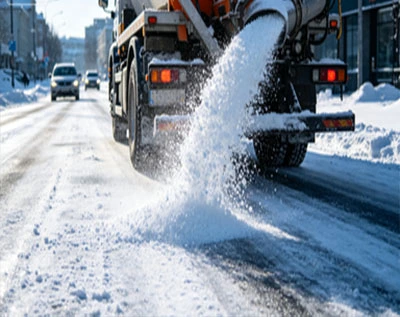
Spreaders today have GPS-guided systems that keep track of covering patterns and change release rates automatically based on the state of the surface. Solid potassium acetate that has been kept properly flows freely, so hydraulic and gravity-fed systems can work consistently without the problems that come with hygroscopic chloride products, like bridging or clogging. Pre-wetting methods, in which solid crystals are lightly coated with a liquid acetate solution before they are spread, lower bounce and scatter while speeding up the melting process at first.
Case Study: Regional Airport Operations
During the 2018–2019 winter season, a medium-sized airport in the Great Lakes area switched from de-icers based on urea to ones based on potassium acetate. The operations staff saw a 35% drop in the amount of chemicals used, and the runway became more available during important morning departure lines. Maintenance teams said that electrical switch boxes and light fixtures next to cleaned surfaces had a lot less rust. Monitoring the environment showed that the levels of acetate in the stormwater holding ponds stayed well below the levels that would be harmful to the environment. This met the needs of both the FAA and the EPA for their working requirements and release permit conditions. The head of airport operations said that solid bulk supply agreements and thorough application training were two of the most important things that made the implementation go well.
Procurement Insights for Solid Potassium Acetate
Decisions about strategic sourcing of deicing solid potassium acetate affect both the immediate readiness of operations and the long-term ability of the budget to be met.
Supplier Selection Criteria
Finding makers that keep quality standards the same across production batches is the first step to successful buying. Objective proof of ability can be found in ISO 9001 for quality management, ISO 14001 for environmental systems, and product-specific approvals like SAE AMS 1431 for aircraft uses. Suppliers that have been in business for more than a decade show steadiness that keeps supplies from being interrupted during times of high demand or when weather events put a strain on delivery networks.
Documentation Requirements for Compliance
When two businesses deal with each other, they need to exchange detailed technical information that meets the needs of many parties. Safety Data Sheets tell emergency reaction teams about dangers and how to keep spills under control. Certifications of Analysis show that each batch meets certain standards for cleanliness, salt levels, and trace metal levels. Suppliers should show that they are following the rules by giving biodegradability data and marine toxin studies to sites that have environmental permits. Food-grade uses in drug factories or food processing plants need extra Kosher and Halal certifications to make sure that production conditions meet religious dietary standards.
Logistics and Bulk Purchasing Strategies
Transportation costs are big parts of budgets, especially for places that are far from where the goods are made. Combining 20 to 25 metric tonnes of goods in standard shipping containers through container load optimisation makes freight efficient for coastal areas with intermodal access. Bulk pneumatic trucks that bring 20-ton loads straight into bin storage systems are often useful in interior locations. Annual contracts with deliveries every three months keep cash flow needs in check and make sure there are enough supplies for when the weather changes in the winter. Well-known companies keep strategic warehouse networks that cut down on wait times and allow for emergency restocking when bad weather wipes out planned inventory.
Why Potassium Acetate Is the Preferred Choice for Global B2B Clients?
Balancing Initial Investment with Lifecycle Value
When budget experts look at the unit costs of common rock salt and specialised solid potassium acetate goods, they need to take into account secondary costs that make the real cost comparisons very different. The biggest secret benefit is in maintaining infrastructure. If you don't have to fix reinforced concrete, metal fittings, and mechanical systems because of rust, you'll save so much money that it will be dwarfed by differences in chemical costs over the next three to five years. Another measurable benefit is less liability risk. This is because non-slippery leftovers and fewer environmental events lead to lower insurance rates and lower costs for following the rules.
Quality Assurance and Technical Support
Leading providers set themselves apart by offering full expert help that goes beyond just delivering products. With the help of application engineering, operations teams can find the best spreading rates and time plans for different sidewalk types and microclimates. Ongoing tracking programs keep an eye on performance data and look for ways to make materials more efficient all the time. When strange weather or operational problems happen, expert teams that are quick to respond fix problems quickly so that safety standards are met without stopping important activities.
Future Innovations in Winter Maintenance
The next step forward in managing winter activities is the merging of smart infrastructure. More and more, pavement temperature monitors, air tracking sites, and systems that can predict the weather are being used to help automatic treatment choices that make the best use of chemicals. Spreader trucks that are connected to the internet send real-time information about coverage to central management systems. This creates responsibility trails and performance paperwork that can be used to improve operations and show that they are following the rules. Potassium acetate is perfect for these precision application systems because it has consistent physical qualities and expected chemical behaviour. Reliability directly affects how well automatic decision-making works.
Sustainability Alignment with Corporate Goals
Companies that want to get LEED recognition, make carbon neutrality promises, or use complete ESG reporting systems know that operating products have a big impact on their environmental effects. Because acetate molecules break down naturally and are safe for marine life, they directly support sustainability metrics that investors, users, and government bodies are looking at more closely. Choosing to buy products that are good for the environment shows that the organization's ideals are aligned, which is good for the company's image and meets stakeholders' standards for good resource management.
Conclusion
To choose the right de-icing options, you have to weigh the needs of urgent operations with the needs of protecting assets over the long term and taking care of the environment. Deicing solid potassium acetate solves this complicated problem by working better at low temperatures, not corroding infrastructure, and being completely safe for the environment. As rules get stricter and people expect more sustainability, more and more airports, transportation officials, and factories in North America and Europe are starting to use this cutting-edge option. The substance has been shown to work at temperatures as low as -30°C. It is also biodegradable and has lower lifetime costs, making it the best choice for companies that care about both business efficiency and the environment.
FAQ
In what temperature range does potassium acetate work?
Potassium acetate melts ice much better than rock salt, which loses its usefulness below -9°C. It can melt ice at temperatures as low as -30°C (-22°F). Even lower is the eutectic point of concentrated liquids, so they work reliably during the harsh winters that are typical in northern regions.
What kind of damage does potassium acetate do to metal or concrete?
A lot of testing has shown that potassium acetate mixtures don't corrode aluminium metals, steel support, or structure concrete very much. Chloride-based products speed up rust and make concrete crack, but acetate compounds meet strict aerospace non-corrosive standards that protect expensive infrastructure and sensitive aeroplane parts.
Is it possible for solid potassium acetate to mix with other de-icing products?
Potassium acetate is still chemically friendly with most de-icing products, which makes it easy to keep track of supplies. But mixing with chloride products takes away the benefits of preventing rust that make the higher price worth it. To keep the unique benefits of acetate-based programs, facilities should keep their own application methods. This is especially important in places that are sensitive to rust.
How should businesses handle storage when it's hot outside?
Because potassium acetate is hygroscopic, it needs to be stored in a way that keeps moisture out. When kept in dry, well-ventilated buildings, sealed packaging in plastic-lined weave bags or moisture-proof tonne bags keeps the quality of the goods. Places with a lot of humidity should use double-sealed container systems and change their stock often to keep the best free-flowing qualities during application.
Partner with Zhaoyi Chemical for Reliable De-Icing Solutions
Zhaoyi Chemical has been making acetate for more than 35 years and helps with winter repair activities all over the world. Our deicing solid potassium acetate is guaranteed to be at least 99% pure, and the chloride level is kept well below 0.2% to protect your important infrastructure. We are a recognised producer of potassium acetate that has ISO 9001, ISO 14001, and ISO 45001 certifications. Our quality is the same from batch to batch, and we back it up with full Certificates of Analysis and legal paperwork. Our yearly production capacity of 150,000 tonnes ensures a steady supply of bulk goods, even during times of high demand. We also offer flexible packaging choices in 25 kg bags or 1000 kg tonne bags to meet the needs of a wide range of businesses. Our expert team is ready to help you get the most out of your de-icing program, whether you're in charge of an airport, a city's infrastructure, or an industry site that needs reliable winter safety solutions. You can email Zhaoyi Chemical at sxzy@sxzhaoyi.com to talk about your unique needs, ask for product samples, or get full application advice from our experienced winter care experts. You can get scientific information and learn why top companies in North America and Europe trust our high-performance, eco-friendly de-icing products by going to zhaoyichemical.com.
References
Transportation Research Board. "Guidelines for the Selection of Snow and Ice Control Materials to Mitigate Environmental Impacts." National Cooperative Highway Research Program Report, 2013.
Federal Aviation Administration. "Standards for Runway and Taxiway Snow and Ice Control Materials." Advisory Circular 150/5200-30D, Airport Winter Safety and Operations, 2019.
Environmental Protection Agency. "Aquatic Life Criteria for Chloride in Freshwater Ecosystems." Technical Support Document, Office of Water, 2020.
International Civil Aviation Organization. "Manual of Aircraft Ground De-icing/Anti-icing Operations." Document 9640, Fourth Edition, 2018.
American Society for Testing and Materials. "Standard Specification for Solid Acetate-Based Runway and Taxiway Deicing/Anti-icing Materials." ASTM E2842-20, 2020.
National Association of Corrosion Engineers. "Corrosion Effects of De-icing Chemicals on Transportation Infrastructure." NACE International Publication, 2017.

USER EVALUATE
Here is the customer's evaluation of us