



Where Can I Buy Potassium Acetate for De-Icing Purposes?
When bad weather in the winter risks the safety of airports, roads, and other important facilities, procurement managers need reliable sources for deicing solutions that work. Zhaoyi Chemical is a reliable company that has been making specialised acetate for over 30 years and can provide you with high-quality deicing solid potassium acetate. Our environmentally friendly formula (CH3COOK) melts ice better than other products down to -30°C and protects surfaces from rust. This makes it the first choice for airports, cities, and contractors who do winter maintenance on infrastructure and want to be effective while also being good for the environment.
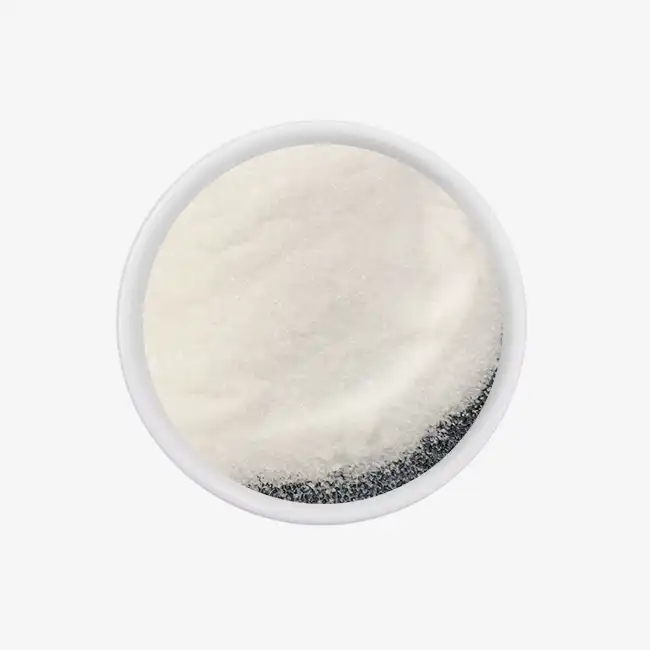
Understanding Potassium Acetate for De-Icing
Acetate-based deicers are better than regular road salts because of how they are made chemically. This is especially true in places where protecting against rust and taking care of the environment are very important. Procurement workers can make better choices that combine performance, safety, and long-term cost by understanding these basic qualities.
Chemical Properties and Ice-Melting Mechanism
The chemical formula for potassium acetate is CH3COOK. It works by lowering the freezing point, which breaks up the crystal structure of ice by affecting the bonds between water molecules. This white, crystalline product dissolves very easily in water and breaks down quickly when it comes in touch with snow or ice. During the dissolving process, the exothermic reaction gives off heat, which speeds up the melting action more than endothermic salts can. This heat edge is especially useful when temperatures drop below -20°C, which is below the point where regular deicers stop working.
The molecular weight of 98.14 g/mol helps with good coverage rates, which means that workers can get the job done with less material than with heavier chloride-based options. The acetate ion stays steady over a wide range of temperatures, so it works the same way even in harsh winter conditions without breaking down into dangerous byproducts.
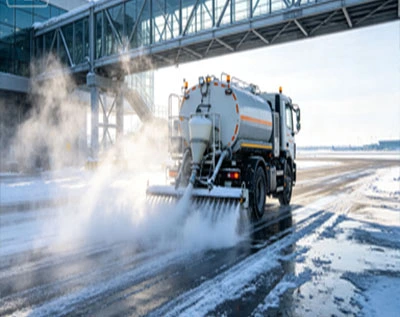
Advantages Over Traditional Deicing Salts
When you compare acetate deicers to rock salt, magnesium chloride, calcium chloride, and sodium chloride, you can see that they are much better for operations. Traditional chloride salts speed up rusting on concrete surfaces, steel reinforcing bars, and aluminium aeroplane parts. This damage builds up over time and requires expensive fixes to the infrastructure. Our potassium acetate recipe has almost no chloride (0.2%), which makes it much less likely to damage sensitive equipment and building materials.
Acetate goods are also different from regular ones because they are better for the environment. Chloride salts pollute aquifers, kill plants next to roads, and hurt marine environments when waste gets into rivers. Potassium acetate breaks down naturally and doesn't build up in dirt or water, which helps people follow the rules that are getting stricter about the environment. Local governments that take care of waterways and airport owners that are close to protected areas really like this eco-friendly character.
The substance works better at low temperatures as well. Around -9°C, rock salt stops working properly, leaving safety gaps during very cold spells. Even though calcium chloride works a little better, it still has trouble below -26°C. Even at -30°C, potassium acetate keeps its ice-melting power, so it can keep protecting you even in the worst winter conditions.
Safety Considerations and Handling Protocols
Handling things the right way keeps workers safe and makes sure products work well. Even though potassium acetate is not as dangerous as some industrial chemicals, workers should still wear the right safety gear, like gloves and eye protection, when handling it. Standard chemical safety procedures are needed because the alkaline nature (pH 9–11) can irritate the skin or eyes if they are exposed to it for a long time.
Keeping wetness out is the most important thing about storage. Because the material is hygroscopic, it easily draws water from the air, which could lead to caking that makes it harder to use. We suggest keeping goods in dry, well-ventilated stores that can control dampness as much as possible. Our packaging comes in 25 kg plastic braided bags and 1000 kg ton-bags, and they have moisture shields built in. However, companies should still keep their goods away from water sources and make sure that their product is rotated properly.
Application rates for solid potassium acetate depend on the type of surface, the amount of the ice, and the temperature. For aviation purposes, preventative deicing usually needs 50 to 100 grams per square metre, while deicing established ice may need 100 to 200 grams per square metre. Regular calibration of mechanical spreading tools is necessary to ensure even covering and avoid both useless overapplication and poor defence from underapplication.
How to Choose the Right Potassium Acetate Deicer for Your Needs?
To choose the best deicing materials, you need to look at a lot of technical specs as well as practical issues that affect the overall cost of ownership. Systematic assessment systems that match product features with practical needs are helpful for procurement pros.
Evaluating Product Specifications
Levels of purity have a direct effect on how well things work and how they affect the world. Our deicing solid potassium acetate keeps a minimum 99% CH3COOK content, which makes sure that freezing rates are reliable and that there aren't many insoluble leftovers that could block drains or leave behind noticeable deposits. A water-insoluble percentage of less than 0.05% means that the product was made well, which lowers the chance that grit will build up in storage bins or application equipment.
The way particles spread and dissolve is affected by their size distribution. It is easy for granular goods to move through motorised spreaders, which covers all treated areas evenly. Finer particles break down more quickly, but they may be blown around when they're being used. Coarser crystals, on the other hand, stay put better on slopes but act more slowly at first. It is best for both usefulness and material economy to match the properties of particles to the needs of different types of infrastructure, such as airport platforms, bridge decks, and parking structures.
Iron content limits (≤0.05%) keep concrete and architectural surfaces from getting stained, which helps keep business buildings and public facilities looking nice. This standard is especially important for uses near buildings, landmarks, or other places where discolouration could be a problem for upkeep or make the area look less professional.
Assessing Supply Chain Reliability
For bulk purchases, supply must be stable throughout the winter. By checking a supplier's production ability, you can be sure that they can meet times of high demand without running out of goods or being late with deliveries. Zhaoyi Chemical can make 150,000 tonnes of acetate products every year, which is enough to handle big local contracts, multi-airport bodies, and regional delivery networks.
During sudden weather events, lead times and transportation options become very important. When weather forecasts change and urgent needs arise, suppliers with well-planned product placement and established transportation partnerships can act quickly. Our partnerships with international shipping companies allow us to offer reliable delivery plans for all global markets. This supports just-in-time stocking strategies that cut down on storage costs while keeping operations ready.
The types of packaging should work with the operating tools and storage space at the final location. Bulk operations may like tonne bags because they reduce the amount of work needed to handle and the waste that comes from packing, while smaller maintenance teams may like 25 kg bags because they are easier to handle by hand. Custom package setups can meet specific operating needs, showing that the provider is flexible in a way that adds value to the product itself.
Verifying Certifications and Compliance
Quality management system certificates for deicing solid potassium acetate make sure that the methods used in production are always the same. ISO 9001 approval shows that there are written processes in place for quality control, tracking, and constant growth. The ISO 14001 environmental management certification shows that a company is committed to reducing the damage it does to the environment during all stages of production. The ISO 45001 certification for workplace health and safety shows that the right steps are being taken to protect workers. This lowers the risk of exposure for buyers who care about the duty of the supply chain.
In some situations, product-specific approvals are important. When deicing aeroplanes, it's often necessary to follow the AMS 1431 guidelines set by SAE International. Kosher and Halal approvals are needed for apps that come in contact with food. By knowing which licenses are relevant to your business, you can cut down your source choices to those who meet the necessary safety standards.
Documentation for testing and batch tracking make it possible to make sure that the goods supplied meet the specs that were bought. Reliable providers include certificates of analysis with every package. These certificates show the real test results for important factors like pH, salt level, and cleanliness. Being open about the test results helps quality assurance programs and gives proof for legal compliance or customer questions.
Where to Buy Solid Potassium Acetate for Deicing – Zhaoyi Chemical Solutions?
Organisations in charge of winter maintenance can gain a competitive edge by teaming up with makers who offer technical know-how, large production volumes, and customer support. We've built our name by always providing high-quality acetate goods and quick customer service.
Our Manufacturing Excellence
Since 1988, Shanxi Zhaoyi Chemical Co., Ltd. has been making acetate exclusively. In those 36 years, they have gained scientific knowledge and improved their processes. Our 27,000-square-meter building has specialised production lines with quality control standards that go above and beyond what the business needs. Before it is released, every production batch goes through a lot of tests that check not only the basic specs but also how well it works in a virtual field environment.
We have full control over quality standards because our processes are vertically integrated, from buying raw materials to packing them at the end. This way of making things gets rid of the differences that come from outsourcing processing steps. This gives consistency from batch to batch that buying teams can rely on when planning seasonal supplies.
Chemists and experts on our technical team know a lot about acetate chemistry and how it can be used for deicing. This knowledge base helps customers get advice on the best products to buy, the best rates for different uses, and which products will work with their other tools. We don't just sell chemicals; we work with customers to solve problems with winter upkeep by sharing our knowledge.
Product Range and Technical Specifications
Our dedication to efficiency and dependability is shown in the technical details of our solid potassium acetate deicing product. The product looks like white crystals and dissolves easily in water, acid, and alcohol. This makes it easy to use quickly in a variety of weather situations. The molecular makeup (CH3COOK, CAS 127-08-2) meets international chemistry standards, so it can be used with current safety paperwork and operating processes.
Some important success indicators are:
- At least 99% clarity is required to ensure consistent deicing efficiency and lower the risk of operating unpredictability due to product differences.
- Chloride content below 0.2%, which keeps infrastructure from rusting and meets release standards for sites near rivers that are sensitive to pollution.
- The iron content is limited to 0.05%, which keeps pavement and building parts around treated areas from getting ugly stains.
- Water-insoluble matter below 0.05%, which keeps waste from building up in drainage systems and application equipment that might need more upkeep.
With these specs, our product is ready for challenging uses where efficiency, protecting infrastructure, and caring for the environment all come together. Our method meets all of their needs, including those of airport owners who are responsible for million-dollar planes, bridge authorities who are protecting investments in structures, and cities and towns that are trying to find a balance between usefulness and environmental responsibility.
Ordering Process and Customer Support
We've made it easier to buy things so that both big institutional buyers and smaller companies setting up seasonal supplies can use them. The minimum order amounts are still open enough to allow for first tries, and pricing models based on volume reward bigger pledges that show a desire to work together for a long time.
The buying process starts with figuring out what you need. Our expert team helps you figure out how much you'll need each season based on the area you want to cover, the usual weather patterns, and the level of service you want. This meeting makes sure that orders are in line with what is actually needed for operations. This way, there aren't any gaps that could put people's safety at risk or extra goods that would tie up operating capital.
Support for documentation includes detailed safety data sheets, certificates of analysis, and technical notes that make it easier to follow the rules and run internal training programs. We know that buying choices affect many people, like operations managers, safety officers, and environmental compliance experts, so we give information that is tailored to the needs of each group.
Logistics planning is more than just setting up transportation. We work with our customers to set up delivery times that work with their storage needs and the seasons. This way, we can make sure that the product gets to them when they need it without causing problems with storage. Because we've shipped goods abroad before, we know how to handle customs paperwork, freight transfer plans, and coordinating deliveries. This makes it easier for buying teams to do their jobs.
Conclusion
To find dependable deicing solid potassium acetate, you have to balance scientific performance needs with factors related to the supply chain and the total cost of ownership. Because they work better at low temperatures, protect infrastructure, and are better for the environment, acetate deicers deserve to be used in professional winter maintenance programs where duty and success are most important. Zhaoyi Chemical is a key partner for companies that want to achieve business success because of our production experience, quality standards, and customer support infrastructure. Our technical specs, open buying options, and helpful approach meet all the needs of procurement professionals who are in charge of handling complicated winter operations at airports, roads, and other important infrastructure.
FAQ
In what temperature range does potassium acetate work to melt ice?
It is guaranteed that potassium acetate can melt ice down to -30°C (-22°F), which is a lot farther than rock salt (which only works to -9°C) and most chloride options. This ability to work well in low temperatures is especially useful in northern regions and high-altitude places where it gets very cold often. In a lab setting, the eutectic point (the lowest temperature at which the water-acetate solution can freeze) is around -60°C. In the field, however, -30°C is usually considered the safest working limit.
How does potassium acetate compare to calcium chloride when it comes to melting snow on runways?
Calcium chloride is cheaper to make, but it poses a big risk of rusting for aeroplane parts, especially aluminium metals and landing gear systems. The very low chloride content (≤0.2%) of potassium acetate greatly lowers this rusting risk while maintaining or even improving its ability to melt ice. Aviation officials are specifying acetate products more and more, even though they cost more per unit, because the total lifetime costs are lower for the protected formulation, which includes upkeep related to rust and replacing parts. Because acetate dissolves quickly and gives off heat, it also speeds up clearing operations, which means that planes don't have to stay on the ground as long during bad weather.
What kinds of licenses should I look for in a supplier?
ISO 9001 approval verifies quality management systems that make sure that the way products are made and how they are described are always the same. ISO 14001 shows that a company cares about the environment, and ISO 45001 talks about safety rules for the workplace. SAE AMS 1431 approval may be needed for aviation uses. Companies that work with food or medicine need to find sellers who can offer Kosher and Halal certifications for specific grades. When working with a new seller, make sure to ask for up-to-date certification papers and check their accuracy through the organisations that issued them.
Partner with Zhaoyi Chemical for Superior Deicing Solutions
It has been shown that Zhaoyi Chemical can make deicing solid potassium acetate that works well in difficult situations in business buildings, airports, and city infrastructure. Our ISO-certified production plant meets strict quality standards and offers reasonable bulk prices and open shipping schedules that help you plan your business. You can email our expert team at sxzy@sxzhaoyi.com to talk about your specific deicing needs, get full product specs, and get personalised quotes for seasonal or yearly supply deals. We offer full support, which includes application advice, safety paperwork, and supplies planning. This makes buying easier and makes sure that your winter maintenance program meets safety, performance, and environmental goals.
References
Transportation Research Board. "Guidelines for the Selection of Snow and Ice Control Materials to Mitigate Environmental Impacts." National Cooperative Highway Research Program Report 577, 2007.
Shi, X., Fay, L., Peterson, M.M., and Yang, Z. "Freeze-Thaw Damage and Chemical Change of a Portland Cement Concrete in the Presence of Diluted Deicers." Materials and Structures, Vol. 43, 2010.
Fischel, M. "Evaluation of Selected Deicers Based on a Review of the Literature." Colorado Department of Transportation Report CDOT-DTD-R-2001-15, 2001.
Federal Aviation Administration. "Standards for Specifying Construction of Airports." Advisory Circular 150/5370-10H, 2018.
Levelton Engineering Ltd. "Guidelines for the Selection of Snow and Ice Control Materials to Mitigate Environmental Impacts." Report prepared for Environment Canada, 2007.
Nixon, W.A. and DeVries, R.M. "Development of a Handbook of Best Management Practices for Road Salt in Winter Maintenance Operations." Transportation Research Record: Journal of the Transportation Research Board, No. 2055, 2008.

USER EVALUATE
Here is the customer's evaluation of us