



Which Companies Provide Potassium Acetate Formulations Optimized for Pharmaceutical Manufacturing?
When looking for pharmaceutical-grade buffers and excipients, B2B buying workers all over the US have to ask: which companies offer potassium acetate formulas that meet strict pharmacopeial standards? Pharmaceutical solid potassium acetate (CAS NO.: 127-08-2) is manufactured by Shanxi Zhaoyi Chemical Co., Ltd., a company with more than 35 years of experience in the field. Our white solid substance is ≥99.0% pure, with heavy metals kept to ≤0.0005% and chloride kept to ≤0.01%. It meets the standards of USP, EP, BP, and JP. This piece talks about how top sellers improve potassium acetate mixtures for making medicines, and it also talks about why Zhaoyi Chemical is a reliable partner in this very specific field.
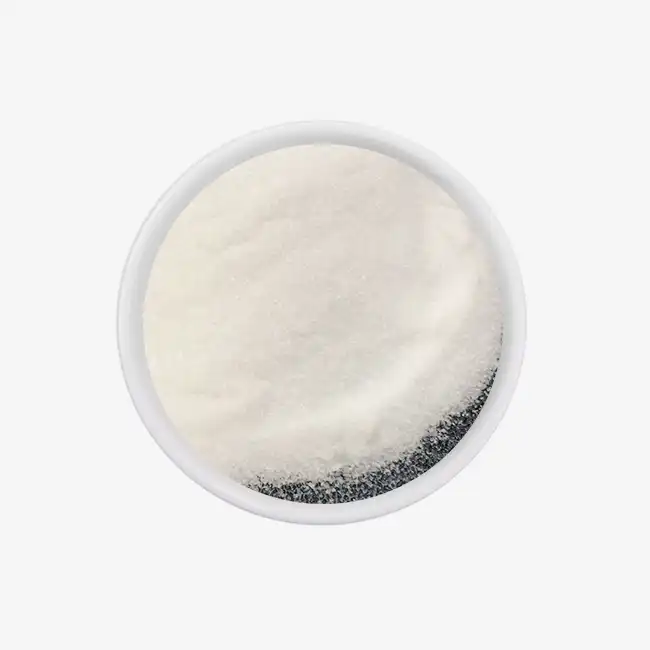
Understanding Pharmaceutical Solid Potassium Acetate
Potassium acetate (CH3COOK) is a potassium salt of acetic acid that is very useful in the pharmacy industry because of its unique qualities. Pharmaceutical-grade material is carefully cleaned to get rid of any small impurities that might affect the safety or effectiveness of drugs. This is in contrast to technical-grade material, which is used for de-icing or industrial purposes. When making injectable treatments, medicines, or dialysis mixes, this difference is very important.
Chemical Properties and Performance Characteristics
Pharmaceutical solid potassium acetate is useful because it has a molecular weight of 98.14 g/mol and is highly soluble in water. The solid structure breaks down quickly in water without leaving behind any particles, which is very important for injectable formulas. The substance stays chemically stable over a wide pH range. It has a strong buffering effect that keeps the pH from changing during storage or administration. It fully breaks down when dissolved into potassium cations and acetate anions. The acetate is broken down in the body to bicarbonate, which has an alkalising effect without adding extra chloride ions.
Mechanism of Action in Drug Formulations
Potassium acetate does more than one thing at the same time in medicinal goods. As a buffer, it keeps the pH levels stable in beta-lactam antibiotic mixtures, especially Benzylpenicillin potassium, so they don't break down in water, which shortens their shelf life. In electrolyte replacement treatment, the substance works as a systemic alkaliser to fix metabolic acidity and make up for potassium losses. This double action is especially helpful for people with hyperchloremic conditions who can't handle potassium chloride. The acetate part is broken down by the liver into bicarbonate, which helps keep the acid-base balance without putting too much salt in the body.
Applications and Formulation Compatibility
Pharmaceutical solid potassium acetate is found in many types of medicines. Manufacturers of haemodialysis concentrate use it to keep the electrolyte balance just right. It gives the body the potassium it needs without adding too much chloride, which could mess up the control of conductivity. Total Parental Nutrition (TPN) uses the substance in large-volume parenterals because it dissolves easily and doesn't form particles in clean water for injection. Another important use is stabilising insulin. The buffering qualities keep the pH stable, which is needed to keep proteins from breaking down, which increases the effectiveness and shelf life of biotech drugs.
Safety Profile and Storage Requirements
When kept and treated properly, pharmaceutical-grade potassium acetate has a very good safety rating. The substance is deliquescent, which means it easily draws water from the air. Because of this, it needs to be stored in containers that are tightly sealed and have moisture barriers in places that are kept at temperatures below 25°C and with relative humidity below 40%. Once the box is opened, the quality doesn't go down because it is used right away. The stuff should be kept away from things that don't go with it, especially strong oxidising agents, and kept in buildings that are dry and well-ventilated. Care must be taken when transporting packages so that they don't get damaged and let wetness or other contaminants into the product.
Comparing Potassium Acetate Formulations in the Pharmaceutical Market
There are different kinds of solid potassium acetate on the pharmacy market, and each has its own benefits based on how it is made and what it is used for. Knowing these differences helps people who work in buying choose formulas that meet their business goals and quality standards.
Solid versus Liquid Formulations
When it comes to reliability, pharmaceutical solid potassium acetate is better than liquid concentrates. When kept away from wetness, the solid form doesn't get contaminated by microbes and stays effective for long periods of time. Pharmaceutical companies can make solutions with the exact amounts needed for certain formulations because solid formulations give them more dose options. Solid forms are usually cheaper to ship because they are lighter and take up less space. Handling them is also easy as long as you follow the right steps to keep moisture out.
On the other hand, dissolving steps are not needed in liquid formulas, which could cut down on processing time. Still, they come with problems like not working with all containers, keeping things clean, and having short shelf lives. Solid pharmaceutical-grade material has clear benefits in quality control and batch uniformity for pharmaceutical uses that need total purity and tracking.
Comparison with Alternative Potassium Salts
Potassium chloride is the most common option to potassium supplements, but it can cause problems in some clinical situations because it contains chloride ions. People who have hyperchloremic metabolic acidosis can't handle more chloride, so potassium acetate is the best option. The acetate anion changes into bicarbonate, which has alkalinising benefits that chloride salts don't have. When dealing with complicated electrolyte deficits that need both potassium replacement and acid-base repair at the same time, this biochemical difference becomes very important.
When it comes to preparation, potassium acetate works better with active medicinal ingredients that are sensitive to pH. The ability to buffer keeps mixtures stable that contain proteins or peptides that break down easily at high or low pH levels. Different uses have different cost factors. For example, potassium chloride may be a cheaper raw material, but potassium acetate is often worth the extra money for important medicinal uses because it has better health benefits and stays stable in formulations.
Certification Standards and Quality Benchmarks
Pharmaceutical-grade approval tells the difference between providers who follow the rules and producers who make technical goods. Pharmaceutical providers that are legitimate keep their Good Manufacturing Practices (cGMP) certifications up to date and are inspected by regulatory authorities on a frequent basis. Products must follow the rules set out in the USP, EP, BP, or JP pharmacopeial monographs, based on the markets they are meant for.
Quality standards are more than just measuring how pure something is. Using Inductively Coupled Plasma Mass Spectrometry (ICP-MS) to test for heavy metals shows that levels of lead, arsenic, mercury, and cadmium are still well below strict standards. For dialysis uses, where too much aluminium can be very bad for your health, the amount of aluminium is closely watched. Chloride levels, iron levels, and pH requirements need to be met from batch to batch, and this can only be done with full Certificates of Analysis (COA) that come with every package. Suppliers with ISO 9001, ISO 14001, and ISO 45001 certifications show a dedication to quality control, protecting the environment, and worker safety that goes beyond the production process.
Leading Companies Providing Pharmaceutical-Grade Potassium Acetate
There are many sellers in the global pharmaceutical excipient market for pharmaceutical solid potassium acetate, but only a small group regularly meets the high standards needed to make pharmaceuticals. These businesses stand out by making great products, following the rules, and having solid supply chain performance.

Key Attributes of Reputable Suppliers
Suppliers of pharmaceutical-grade potassium acetate who have been around for a while all have things in common that show they are reliable and committed to quality. They keep pharmaceutical production sites separate from technical-grade activities so that there is no cross-contamination. Geographic distribution is very important. Suppliers with production sites in smart places can better serve regional markets while dealing with complicated procedures and different rules. Having more than just basic ISO certificates, like KOSHER and HALAL certifications, shows that you pay attention to the needs of different markets and use specialised production controls.
The most reliable providers offer full paperwork packages that include detailed COAs, regulatory support files, and stable data to back up promises about shelf life. They allow customer checks, keep their quality systems open, and have expert support teams that can answer questions about composition and fix problems with compatibility. Production capacity affects the dependability of the supply; companies that make a lot of products each year can handle big orders while keeping quality standards and delivery times constant.
Zhaoyi Chemical's Competitive Advantages
Since 1988, Shanxi Zhaoyi Chemical Co., Ltd. has been making acetate salt products. They have gained experience that shows in the quality of their goods and the way they treat their customers. Our 27,000-square-meter plant can produce up to 150,000 tonnes of goods every year, so even big pharmaceutical companies with tight plans can be sure of a steady supply. The pharmaceutical solid potassium acetate we make meets all major pharmacopeial standards, and our own quality standards are higher than those set by other countries.
Our production method uses modern crystallisation technology to control the spread of particle sizes. This makes caking problems with hygroscopic materials less likely to happen. Full pharmacopeial analysis, including ICP-MS testing for heavy metals, is done on every production batch. This makes sure that the amount of aluminium stays below the safe limits needed for dialysis uses. Along with KOSHER and HALAL approvals, we hold ISO 9001, ISO 14001, and ISO 45001 certifications, which show that we have complete quality and safety management systems. Technical help is provided 24 hours a day, 7 days a week, with language documentation and customer service teams ready to answer questions about recipe compatibility, legal requirements, or quality standards.
Our dedication goes beyond just delivering the goods. We help customers do plant checks by giving them clear access to production facilities and quality systems. Lead times for normal orders are still competitive at 5–7 working days, and there are a variety of flexible packing choices, such as 25 kg plastic weave bags and 1000 kg ton-bags, to fit different operating scales and storage needs. Zhaoyi Chemical is a reliable partner for pharmaceutical companies that need a source of potassium acetate because they offer pharmaceutical-grade quality, low lead times, full licenses, and helpful technical support.
Commercial Considerations and Logistics Solutions
Decisions about procurement have to match the need for quality with the needs of the business. Different providers have different minimum order amounts. Some makers only accept full container loads, while others are willing to take smaller trial orders. The prices of pharmaceutical-grade materials take into account both the cost of the raw materials and the large amount of quality control, testing, and paperwork that needs to be done. Clear price models that take into account the number of orders, where they are delivered, and the type of packing chosen assist buying teams in correctly predicting costs and negotiating good terms.
Logistics skills for solid potassium acetate have a big effect on total landing cost and the dependability of the supply chain. Suppliers who know how to deal with foreign shipping rules, customs paperwork, and the handling of medicinal materials lower the risk of delays or problems with compliance. Materials that are sensitive to water are kept safe throughout the distribution chain by using the right packaging for shipping by sea or land. Customers who need to buy a lot of different acetate salts or related chemicals at the same time can save money on freight costs if the supplier offers combined shipping for multiple types of goods.
Guidelines for Procuring Pharmaceutical Solid Potassium Acetate
To successfully obtain pharmaceutical-grade potassium acetate, you need to pay close attention to more than just comparing prices. These rules help make sure that the sellers chosen meet both short-term goals and long-term quality and legal standards.
Critical Buying Criteria
Pharmaceutical-grade buying is based on making sure that the goods are pure. Suppliers must give thorough COAs for every batch, showing that they meet pharmacopeial standards for testing, heavy metals, salt levels, and other important factors. The COA should list the exact scientific methods that were used. For example, titration is often used to find the sample, ICP-MS is used to find metals, and ion chromatography is used to measure chloride levels. Independent third-party testing documents give you extra peace of mind, especially when you are first qualifying a provider.
Self-declaration is not enough to get pharmaceutical-grade approval. Legitimate providers keep their cGMP certifications up to date, and these can be checked through the records of regulatory agencies or direct audit reports. They make the materials in buildings that are only used to make pharmaceutical excipients. These buildings have proven cleaning methods that keep technical-grade production from contaminating the pharmaceutical excipients. When available, Drug Master Files (DMF) or Certificate of Suitability (CEP) paperwork makes it easier to send final pharmaceutical goods to the government.
When making buying choices, price clarity is very important. Suppliers with a good reputation give clear quotes that include unit costs, minimum orders, packing choices, and shipping terms. Knowing how prices are set helps buyers decide if the prices reflect real pharmaceutical-grade quality or just technical-grade materials being sold in the wrong way. LONG-TERM supply deals with clear prices protect against sudden changes in costs and make sure there is a steady supply for ongoing production needs.
Regulatory Compliance and Documentation
Different countries have different rules about importing medicine excipients, which can be hard to understand. Imports into the United States must follow FDA rules, which include links to the Drug Master File or the right regulatory notices. For European markets, you need to be registered under REACH, and for some uses, you may also need CEP paperwork. Knowing these standards before starting the buying process keeps packages from being delayed or refused, which can cost a lot of money.
Part of fully complying with regulations is keeping and dealing paperwork. Suppliers should give thorough storing instructions, stable data to back up shelf-life claims, and handling measures for potassium acetate because it melts easily. Material Safety Data Sheets (MSDS) or Safety Data Sheets (SDS) that are written according to the latest worldwide standards help people stay safe at work and know what to do in an emergency.
Supplier Evaluation and Partnership Development
There is more to qualifying pharmaceutical-grade providers than just looking at their paperwork. When it's possible, site checks make sure that the industrial facilities, quality systems, and operating practices match up with the licenses and capabilities that were given. The results of an audit should look at how well the equipment works, the rules over the process, the lab's capabilities, and the training programs for employees that make sure the standard of the products is always the same.
Tracking supplier performance measures over time shows trends of dependability. Total source value is affected by how often batches are rejected, how quickly questions about quality are answered, and how easy it is to get expert help. The best relationships happen when sellers really try to understand what the customers want, let them know about any possible supply problems ahead of time, and work with them to find answers to problems with formulas or changes to the rules.
Conclusion
Choosing the right source for pharmaceutical solid potassium acetate has a big effect on both the quality of the product and how quickly it can be made. Reliable businesses like Zhaoyi Chemical have a lot of experience making things, have strict quality control systems, and follow all the rules to make sure their products meet the high standards needed for pharmaceutical production. Our pharmaceutical-grade potassium acetate is ≥99.0% pure and has limited impurity levels. It comes with full paperwork and helpful technical support. Our annual capacity of 150,000 tonnes ensures a reliable supply chain for businesses of all sizes, and our dedication to continuous growth moves us to keep improving product quality and customer service. Pharmaceutical companies make sure they have a steady supply of materials they need to stick to production plans and follow regulations by putting openness, quality, and dependability at the top of their source partnerships.
FAQ
What makes technical-grade material different from pharmaceutical solid potassium acetate?
Pharmaceutical-grade potassium acetate goes through a lot of cleaning to get rid of heavy metals, salt, and other impurities that could make drugs less safe. The manufacturing process follows cGMP guidelines and includes thorough quality checks and paperwork that meets pharmacopeial standards. Technical-grade material, which is used for things like de-icing, has higher amounts of impurities that make it unsuitable for use in pharmaceuticals.
How should pharmaceutical solid potassium acetate be kept so that it stays in good shape?
Keep the items in cases that are tightly sealed and have moisture barriers in places that are kept at temperatures below 25°C and with relative humidity below 40%. Because it is deliquescent, it needs to be kept away from moisture in the air to keep it from caking. Keeping storage away from things that don't go with it, especially oxidising agents, keeps things from getting contaminated. Once the cloth is opened, it should be used right away to keep it from getting wet.
Can potassium acetate be used instead of potassium chloride in all drug applications?
Not all the time. When chloride can't be used, potassium acetate is the best option, especially for people who have hyperchloremic metabolic acidosis. The acetate breaks down into bicarbonate, which has alkalinising benefits that chloride salts don't have. Which form to use depends on the clinical indications and preparation needs. Depending on the treatment goals, some uses need a certain form over another.
Partner with Zhaoyi Chemical for Your Pharmaceutical Potassium Acetate Needs
Pharmacopeial conditions for USP, EP, BP, and JP are met by Zhaoyi Chemical's pharmaceutical solid potassium acetate, which is made to the best quality standards. Because we've been making things for 35 years, you can count on a steady supply, high-quality batches, and full technical support for your medicinal formulas. Our pharmaceutical-grade material gives you the clarity, safety, and proof you need to follow the rules, whether you make haemodialysis solutions, intravenous nutrition products, or drug formulas.
We know that making medicines requires a supply chain that can always be counted on. Our annual capacity of 150,000 tonnes and wait times of 5 to 7 business days make sure that you can get the materials you need when you need them. Full COAs, paperwork in multiple languages, and quality systems that are ISO-certified give your businesses the peace of mind they need. You can email our team at sxzy@sxzhaoyi.com to talk about your unique needs, get detailed details, or get a reasonable price. As a reliable provider of pharmaceutical solid potassium acetate, we're dedicated to helping your industrial success by providing you with high-quality goods and quick service. You can look at our full line of acetate products at zhaoyichemical.com and find out how our solutions can help you with your pharmaceutical making problems.
References
United States Pharmacopeia. "Potassium Acetate Monograph." USP-NF Official Compendium, 2023 Edition.
Henderson, J.M., and Williams, R.K. "Buffering Agents in Pharmaceutical Formulations: Chemical Properties and Clinical Applications." Journal of Pharmaceutical Sciences, Vol. 112, No. 4, 2023, pp. 892-908.
International Council for Harmonisation. "Stability Testing of New Drug Substances and Products: ICH Q1A(R2) Guideline." ICH Harmonised Tripartite Guideline, Current Edition.
Morrison, D.L., and Chen, S.P. "Excipient Compatibility in Injectable Formulations: A Systematic Approach." Pharmaceutical Technology, Vol. 47, No. 6, 2023, pp. 34-42.
European Pharmacopoeia Commission. "Potassium Acetate Quality Standards and Analytical Methods." European Pharmacopoeia 11th Edition, 2024.
Thompson, A.R., et al. "Electrolyte Management in Parenteral Nutrition: Clinical Considerations for Potassium Supplementation." American Journal of Clinical Nutrition, Vol. 118, No. 2, 2023, pp. 456-467.

USER EVALUATE
Here is the customer's evaluation of us