



The Role of Potassium Acetate in De-icing: Environmentally Friendly Solution
For airports, roads, and city facilities to work properly during the winter, they need solid deicing options that are both effective and good for the environment. Deicing solid potassium acetate has become a better choice than chloride-based salts because it removes ice more effectively and is better for the environment and buildings. This white crystalline substance (CH3COOK) is a big step forward in winter care chemistry because it works well at low temperatures and doesn't rust. As environmental engineers and procurement managers put more emphasis on sustainability along with operational reliability, it becomes important to know the specific properties and uses of acetate-based de-icing agents in order to make smart choices about safety planning and maintenance of the infrastructure.
Understanding Potassium Acetate as a De-icing Agent
Because of how it works chemically, potassium acetate is very useful in very cold situations. This chemical breaks the molecular bonds between ice and sidewalk surfaces by lowering the freezing point. This is done by dissolved substances lowering the temperature at which water freezes. In contrast to regular rock salt, which stops melting around -9°C (15°F), good potassium acetate mixes can still melt ice at temperatures as low as -30°C (-22°F). When it comes in touch with water, the chemical structure lets it dissolve quickly, making a brine solution that goes through existing layers of ice and stops new ones from forming.
Chemical Properties That Drive Performance
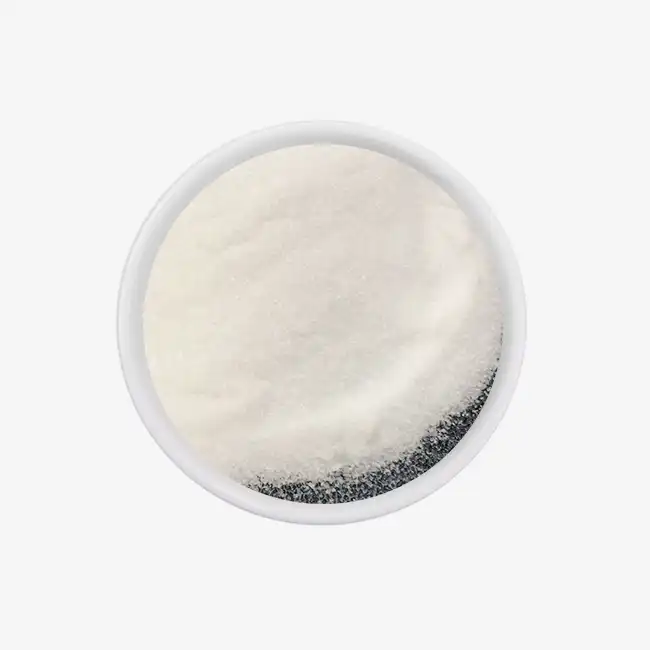
Potassium acetate is a salt that is made when acetic acid and potassium hydroxide react. Its molecular formula is CH3COOK. This chemical is very well soluble in water, acids, and alcohols. Its molecular weight is 98.14 g/mol. The material looks like white crystals and flows easily when stored correctly. This makes it easier to apply evenly whether it's done by hand or with a machine. This high solubility means that it activates faster than solid chlorides, which means that there is less time between application and effective ice control.
The exothermic breakdown behaviour of this chemical is what makes it different from other de-icers. When potassium acetate comes in touch with water, it dissolves and gives off heat instead of taking it from the air. This release of heat speeds up the melting process, making things go more quickly during severe weather. The alkaline pH range of 9–11 in solution also helps neutralise acidity on the surface, which is a benefit that was not expected but helps keep concrete from breaking down over time when it is used season after season.
Mechanism of Ice Prevention and Removal
De-icing products work by combining particles in a way that depends on their number rather than their chemical make-up. Potassium acetate adds dissolved particles to the water-ice system, which changes the crystal lattice structure that makes solid ice what it is. The acetate ions stop hydrogen bonds from forming between water molecules. This means that it is thermodynamically against the law for ice to stay solid at temperatures where pure water would freeze.
In real life, this means that a layer of liquid forms between the ground and the ice, breaking the stickiness of the ice and making it hard to remove manually. Then, maintenance workers can sweep or plough away the thawed ice with a lot less work and wear on their tools. The substance is so good that it can stop ice from forming if it is sprayed before it starts to rain. This saves material and keeps areas safer during winter storms.
Benefits of Using Potassium Acetate in Industrial De-icing
Acetate-based de-icing formulas combine environmental responsibility with practical speed, giving organisations that deal with winter infrastructure problems clear benefits. Moving away from chloride chemistry solves a number of problems that have plagued traditional snow removal methods, such as damage to tools and pollution of the environment.
Environmental Advantages Over Chloride Salts
The fact that solid potassium acetate breaks down naturally may be its most important environmental benefit. Normal amounts of sodium chloride and calcium chloride stay in the soil and water, building up to dangerous levels that hurt plants and animals in the water. Acetate molecules are naturally broken down by living things into carbon dioxide and water, leaving no harmful residue behind. Because of this, the material can be used near lakes, rivers, and protected biological zones, where chloride use is usually not allowed because of rules about tracking waste.
Ecological benefits include plants that can handle different conditions. Plants and greenery along the road that are close to cleaned surfaces are not as stressed by acetate exposure as they are by chloride spray and flow. When acetate-based de-icers are used instead of salts, trees, shrubs, and green grass keep their roots and leaves in better shape. This compatibility is important for organisations that are in charge of LEED-certified buildings or properties that are close to sensitive areas so that they can meet environmental standards without lowering safety standards.
Corrosion Protection for Critical Infrastructure
Concerns about maintaining infrastructure are a big reason why many people choose potassium acetate over other options. The non-chloride recipe makes rust much less likely to happen on metal parts, concrete support, and the surfaces of specialised equipment. Airport officials really value this property because salt contact speeds up the breakdown of aeroplane landing gear, aluminium metals, and carbon brake systems. The aerospace industry uses acetate-based runway de-icers because they have strict rules about keeping parts from rusting, which could have disastrous results if they break.
Less structural decline is good for both highway bridges and parking buildings. When steel support in concrete decks is exposed to acetate runoff instead of chloride brine, rust moves much more slowly. This longer service life means that deck repair costs will be put off and upkeep work will be done less often. More and more, transportation agencies that are in charge of maintaining old infrastructure know that paying more up front for materials can save them a lot of money over the course of their useful lives by preserving structural capacity and delaying the need for rebuilding.
Operational Efficiency in Extreme Conditions
Dependable performance at high temperatures is what makes high-quality potassium acetate goods stand out in tough work settings. Our deicing solid potassium acetate works even at -30°C, and we promise its quality to be at least 99%, so you can count on it to work when other goods don't. This ability to work in very cold temperatures is very important during polar vortices and other extreme cold spells that make regular deicers useless.
Because acetate products work quickly, the time between application and cleaning is cut down. This lets maintenance teams get things back to normal more quickly. This saves a lot of time, which is especially useful at airports where minutes of runway closing directly lead to flight delays and lost money. Similarly, faster ice clearing makes emergency access roads and hospital entrances safer during weather situations by shortening the time it takes to get help.
Comparative Analysis: Potassium Acetate Versus Other De-icing Agents
Some of the things that procurement professionals look at when comparing de-icing options are how well they work at different temperatures, how they affect the environment, how well they work with existing infrastructure, how easy they are to handle, and the total cost of ownership. Knowing how potassium acetate stacks up against other common options helps match the properties of a product to its specific use.

Performance Comparison with Calcium Chloride
When it comes to low-temperature deicing, calcium chloride is the best option because it can melt ice down to about -29°C (-20°F). Deicing solid potassium acetate and calcium chloride have similar temperature ranges, but calcium chloride's hygroscopic nature makes it retain water on its surface, which can freeze again when temperatures change. Because of this trait, it may be necessary to apply more than once during long cold periods. The acetate option works better in freeze-thaw cycles and uses less material and labour during weather events that last more than one day.
The most important difference in effectiveness is the corrosion potential. The chloride element of calcium chloride speeds up the weathering of aluminium, ferrous metals, and concrete support. Even though calcium chloride is cheaper, organisations that use sensitive equipment or manage infrastructure that is meant to last for a long time don't want to be responsible for rusting. When you add up the costs of replacing equipment, fixing buildings, and cleaning up the surroundings that come with using salt, the total cost equation changes.
Evaluation Against Magnesium Acetate Alternatives
Magnesium acetate is usually less expensive than potassium versions but has equal environmental benefits. The trade-off is in temperature efficiency; magnesium acetate stops working well at temperatures above -15°C (5°F). Places that have mild winters with a few severe cold spells often choose magnesium acetate for normal conditions and keep potassium acetate on hand for extreme events. With this two-product approach, you can control costs and be sure of success at the same time.
The application rates needed for these different types of acetate are also different. In general, magnesium versions need to be spread at higher rates to get the same ice-melting effects, which somewhat cancels out their lower starting price. To get a good idea of how much material is spent over the winter, you need to use effective covering rates instead of just price-per-ton comparisons when doing your procurement numbers.
Solid Versus Liquid Formulation Considerations
Potassium acetate is sold in two different forms: solid granules and liquid solutions. Each has its own benefits when it comes to transportation and use. Solid goods are easier to store, stay stable on shelves for longer, and work with standard tools for spreading granules. The material can be shipped easily in either 25 kg plastic weave bags or 1000 kg tonne bags, which can be used for a range of operations, from small sites to big highway networks.
When anti-icing is needed, liquid formulas work best because they stop ice from sticking together before it starts to rain. The solution style makes sure that it is available right away when it is used, without needing time to dissolve. Pre-wetting solid grains with liquid acetate takes the best parts of both types and makes them work faster while lowering particle bounce during mechanical spreading. Companies that need to melt ice on a variety of surfaces often keep both types of products on hand so they can use the best application methods for the weather and surface conditions.
Practical Guidance for Procurement and Application
To make acetate-based de-icing programs work, you need to carefully plan how to choose the products, how to make sure the suppliers are qualified, how to store the materials, and how to use the programs. These practical details decide if companies get the full performance and environmental benefits that made them switch from chloride goods to other options.
Supplier Qualification and Quality Assurance
To find a trustworthy acetate provider, you need to check their producing skills, quality control systems, and compliance with regulations. Shanxi Zhaoyi Chemical Co., Ltd. has ISO 9001, ISO 14001, and ISO 45001 approvals, which show that they are committed to safety standards for workers, the environment, and quality control. These qualifications are recognised all over the world, so buying teams know that the product specs and limits for the production process will be the same every time.
Another important qualification factor for solid potassium acetate is the annual production capacity, especially for big buyers who are in charge of big infrastructure networks. Large suppliers, like sites that can hold 150,000 tonnes of goods a year, offer supply security that keeps materials from running out during high winter demand times. Manufacturers who have been around for a while also have quality control labs that check each batch of their products against standards like content purity (99.0%), water insolubles (0.05%), salt levels (0.2%), and iron content (0.05%).
Storage and Handling Best Practices
Because potassium acetate is hygroscopic, it needs to be stored in a certain way to keep it from absorbing water and clumping. Warehouses should be kept dry, well-ventilated, and protected from direct weather. Humidity levels should be controlled. Keeping things in the right way stretches their shelf life and makes sure that materials don't clump or bridge when they're being spread.
Keeping things away from chemicals that don't work together stops pollution and safety risks. Strong oxidisers, acids, and volatile metals should not be stored near acetate goods. Labels that are easy to read, well-organised tracking systems, and frequent checks all help keep the quality of the materials during storage. Transportation plans should include instructions on how to protect packages from wetness and how to handle them carefully so that packages don't get damaged and the purity of the product is lost.
Application Rate Optimization
Finding the right spreading rates is a mix between controlling ice effectively, using materials efficiently, and keeping costs low. The best amount to use depends on a number of factors, such as the temperature of the sidewalk, the thickness of the ice, the amount of rain or snow, and the amount of traffic. For preventative de-icing, the recommended rates are between 30 and 80 grams per square metre. For active de-icing of existing ice buildup, the recommended rates rise to 80 to 150 grams per square metre.
Calibration testing that sets site-specific rate suggestions is helpful for organisations that are new to acetate goods. Keeping records of the weather, the amount of chemicals used, and the results of the cleaning process builds institutional knowledge that helps people make better decisions in the future winters. A lot of sellers offer technical support services to help customers make the most of their protocols. This is especially helpful during the introduction phase.
Building Trust: Why Leading Organizations Choose Potassium Acetate?
The move around the world toward de-icing methods that are better for the environment is caused by both government rules and companies' values that value sustainability. When buying teams know what makes industry leaders accept new technologies, they can build support within their own companies for similar changes.
Regulatory Compliance and Certification Standards
Aviation officials made some of the first rules about acetate-based airport de-icers because they knew they needed to work well to melt ice without putting planes at risk of rusting. The SAE AMS 1431 standards spell out the performance requirements and testing methods that all approved goods must meet. Following these flight specs guarantees the quality of the product and the safety of its use. These are qualifications that can be used in non-aviation settings where similar performance standards are needed.
Environmental licenses, like Kosher and Halal approvals for deicing solid potassium acetate, show that the manufacturing process meets strict standards for cleanliness and avoiding contamination. Even though these names are mostly used for food-grade and medicinal uses of potassium acetate, they show that the producer can keep quality levels very high. Companies that buy industrial-grade de-icing goods gain from the strict rules and procedures needed to get these specialised certificates.
Technical Support and Partnership Value
Manufacturers that offer full technical support help customers get through operational problems and make the most of their de-icing programs. This help includes application rate suggestions, equipment fit checks, training materials for operators, and advice on how to fix problems. The connection is more than just buying and selling products; it's also a partnership where the supplier's knowledge helps the customer's business succeed.
Established makers with decades of experience in the field bring a wealth of knowledge that speeds up customers' learning curves and stops them from making common mistakes during implementation. Companies like Zhaoyi Chemical, which was established in 1988 and has been working with a wide range of industries for over thirty years, offer institutional knowledge that covers a wide range of uses and operation conditions. This body of knowledge is especially useful for companies that are in charge of large, complicated infrastructure portfolios. De-icing is just one part of larger maintenance and safety programs.
Supply Chain Reliability and Global Reach
Material supply during the winter rests on how well suppliers can handle their transportation and stockpiles. Strategic shipping relationships and foreign distribution networks help manufacturers make sure that orders get to customers on time, no matter where they are or how many they buy. This dependability is very important for businesses that can't risk supply delays during extreme weather, when late orders of materials directly lead to safety issues and problems with operations.
Being present on the global market shows that a provider is stable and dedicated to serving customers around the world. Products that are sent to Europe, the United States, Asia, and other places show that they were made well and meet a variety of governmental standards and buyer demands. This global presence also suggests financial security and practical scale, which lower supply chain risks compared to smaller regional providers who may not have as much production capacity or delivery infrastructure.
Conclusion
Deicing solid potassium acetate products are an advanced technology that has been used for many years and has been shown to work well. They also help meet environmental responsibility goals. These chemicals work well at low temperatures, don't rust easily, and are safe for the environment. This makes them perfect for sensitive uses where regular chloride salts would be too dangerous. Airports, highways, business properties, and environmentally friendly buildings are being managed by groups that are becoming more and more aware that acetate goods offer better value, even though they cost more at first. As rules about the environment get stricter and protecting infrastructure gets more attention, the move toward recyclable, non-corrosive de-icing products is likely to speed up in both the public and private sectors around the world.
FAQ
What makes potassium acetate safer for the earth than regular rock salt?
The environmental impact of potassium acetate is much better than that of sodium chloride or calcium chloride. Through the action of microbes, the substance breaks down naturally into carbon dioxide and water. It does not leave any harmful waste in the soil or water systems. Plants can handle acetate much better than chloride salts, which means that landscape harm near treated surfaces is lessened. Hydrological creatures are not severely affected by acetate flow, but they are severely affected by chloride pollution in streams and ponds.
How much faster does calcium chloride work than potassium acetate?
Because potassium acetate dissolves at high temperatures, it melts quickly at first, often as fast as or faster than calcium chloride in the same conditions. How well it works relies on the temperature of the ground, the amount of the ice, and how much is applied. The acetate recipe usually gives more constant results across freeze-thaw cycles because it doesn't make the same amount of surface wetness as calcium chloride. This means that refreeze problems are less likely to happen when the temperature changes.
What other cost factors should buying managers think about besides the price of the materials?
The total cost of ownership includes the cost of materials, application labour, machine upkeep, protecting infrastructure, and following environmental rules. Acetate goods cost more per tonne than chloride options, but less rust means that equipment lasts longer and infrastructure doesn't need to be replaced as soon. Lower application rates can cover the cost of materials if they work better. The costs of cleaning up the environment and the risks of not following the rules that come with using chloride are two more secret costs that acetate products get rid of.
Partner with a Trusted Deicing Solid Potassium Acetate Manufacturer
Zhaoyi Chemical has been making acetate for more than 30 years and can help businesses that need dependable, eco-friendly deicing options. As a well-known provider of deicing solid potassium acetate, we keep our production capacity at 150,000 tonnes per year, backed by quality management systems that are ISO 9001, ISO 14001, and ISO 45001 approved. Our highly pure products (≥99% content) work consistently at temperatures as low as -30°C and protect infrastructure from damage caused by corrosion. We work with city governments, airport operators, highway builders, and business property owners all over the world. Our flexible packing choices include 25 kg bags and 1000 kg tonne bags. Our expert team gives you advice on how to use our products and makes suggestions based on your unique business needs.You can email us at sxzy@sxzhaoyi.com to talk about your winter care needs and get full product specs for all of our acetate-based de-icing options. You can look at our full line of products at zhaoyichemical.com and learn why top companies around the world trust Zhaoyi Chemical for their important winter activities.
References
Transportation Research Board. Winter Maintenance Technologies and Environmental Impacts: Synthesis of Best Practices. National Academies Press, 2018.
Society of Automotive Engineers. SAE AMS 1431: Compound, Solid Runway and Taxiway Deicing/Anti-icing. SAE International Standards, 2017.
Environmental Protection Agency. Best Management Practices for Road Salt Application: Environmental and Infrastructure Protection. EPA Office of Water, 2019.
American Association of State Highway and Transportation Officials. Strategic Plan for Winter Maintenance Operations and Environmental Stewardship. AASHTO Technical Committee Reports, 2020.
Fischel, M. Evaluation of Selected Deicers Based on a Review of Literature. Colorado Department of Transportation Research Branch, 2016.
Shi, X., Akin, M., Pan, T., Fay, L., Liu, Y., and Yang, Z. Deicer Impacts on Pavement Materials: Introduction and Recent Developments. Journal of Transportation Engineering, Volume 135, 2019.

USER EVALUATE
Here is the customer's evaluation of us