



Which Chemical Suppliers Provide Potassium Acetate for Pharmaceutical Applications?
Pharmaceutical companies have to make a tough choice when they need to find high-purity ingredients for making drugs: which seller can safely send pharmaceutical solid potassium acetate that meets strict USP, EP, and BP standards? Find producers that have a history of following good manufacturing practices (GMPs), getting all the necessary certifications, and having decades of experience in making things. Zhaoyi Chemical is one of only a few companies in the world that can provide pharmaceutical-grade potassium acetate (CH3COOK) that is more than 99% pure, has a heavy metal content of less than 0.0005%, and a chloride content of less than 0.01%. This white solid substance is an important systemic alkaliser and electrolyte replenisher in intravenous feeding formulations, haemodialysis concentrates, and antibiotic stabilisation uses that need potassium sources that aren't chloride.
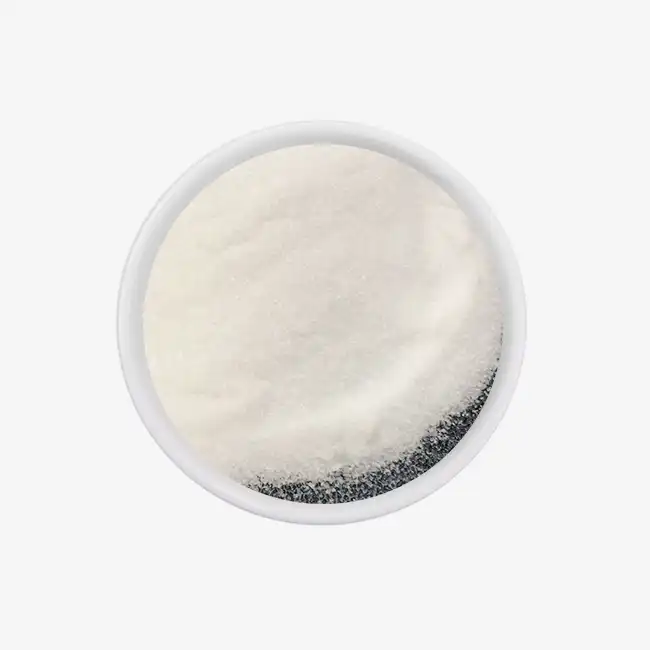
Understanding Pharmaceutical Solid Potassium Acetate
Pharmaceutical-grade potassium acetate is a special type of acetate salt that is made under much stricter conditions than scientific or industry grades. The basic chemistry qualities of this substance make it very useful for making drugs and using it in medicine.
Chemical Properties and Pharmaceutical Relevance
Potassium acetate (CAS NO. 127-08-2) has a molecular weight of 98.14 and dissolves very easily in water, acids, and alcohols. This high solubility profile makes it possible for oral products to dissolve quickly in clean water for injection. Because the substance can buffer, it can keep pH levels fixed in a wide range of medicinal products. This keeps active ingredients from breaking down because of pH. In some cases, potassium chloride can lead to hyperchloremic acidosis. Potassium acetate, on the other hand, is broken down in the body to bicarbonate, which has an alkaline effect while restoring potassium levels. Because it works in two ways, it is the best way to treat metabolic acidosis and hypokalaemia together.
Functional Benefits in Drug Formulations
Pharmaceutical-grade potassium acetate is used for more than just adding potassium to food. In the process of making haemodialysis concentrate, it adds necessary potassium ions without adding too much chloride. This lets the pH balance and conductivity of dialysate solutions be precisely controlled. When making total injectable feeding mixes, the high purity of the substance stops particles from forming, which could be fatal in injection situations. The material is very chemically stable when sterilised, and it keeps working as a buffer even after being put through many rounds of high temperature and pressure in an autoclave. Because it is stable at high temperatures, pharmaceutical companies can use it safely in clean product processes without worrying about batch integrity.
Safety Considerations and Storage Requirements
Because it melts easily, pharmaceutical solid potassium acetate needs to be handled with care. The substance actively draws moisture from the air until it dissolves. This causes caking problems that make it harder to accurately dose and move the material. For proper keeping, containers must be tightly covered and have a moisture shield. They must also be kept in controlled settings with temperatures below 25°C and relative humidity below 40%. To keep the quality of the goods, transportation rules must keep packages from being damaged by heat and wetness and keep them from being exposed to them. To keep the product from getting contaminated or reacting in dangerous ways, it needs to be kept away from substances that don't work with it, especially strong oxidisers and harmful materials. Pharmaceutical-grade potassium acetate keeps its quality standards throughout its shelf life if it is treated according to these guidelines. This helps ensure uniform performance from batch to batch in drug making.
Comparing Potassium Acetate Forms and Alternatives for Pharmaceuticals
Choosing the right type and grade of solid potassium acetate has a direct effect on how well the mixture works, how efficiently the product is made, and how well it meets legal requirements. When defining this excipient, pharmaceutical buyers have to think about a number of things.
Solid Versus Liquid Potassium Acetate
When it comes to stability and storing, solid crystalline potassium acetate is much better than liquid forms. The solid form is better at keeping out microbes and staying chemically stable for longer amounts of time when kept properly. When measuring solids, gravimetric measurement gets rid of the differences in density that make volumetric dispensing of liquid solutions less accurate. But solid materials need to be dissolved first before they can be added to liquid mixtures, which takes more time to process. Liquid potassium acetate solutions can be used right away, which cuts down on the time needed for preparation in settings where production is ongoing. Which form to use relies on how much is being made, how much space is needed for keeping, and the specific needs of the recipe. Large companies that make dialysis concentrates usually choose large solids that they can dissolve in controlled batches. On the other hand, smaller speciality pharmaceutical companies may choose solutions that have already been dissolved to make their processes more efficient.
Potassium Acetate Versus Alternative Salts
Formulators for pharmaceuticals often compare potassium acetate, potassium chloride, and sodium acetate to find the best specs. Potassium chloride is a cheaper way to get extra potassium, but it also contains chloride ions that may make some metabolic conditions worse. Sodium acetate has similar stabilising effects, but it doesn't add potassium, which is important for treating hypokalaemia. Potassium acetate is useful because it can treat both potassium shortage and metabolic acidity at the same time without adding too much chloride. There are different amounts of purity between technical grades used for de-icing and medicine grades. Heavy metal levels must be less than 5 parts per million, aluminium levels must be kept under control to ensure dialysis safety, and endotoxin levels must meet injectable standards. Technical grades have impurities that are fine for use in industry but dangerous for people.
Selection Criteria for Pharmaceutical Applications
When buying pharmaceutical solid potassium acetate, people in charge of procurement should put a number of important factors at the top of their lists. Purity must be at least 99%, and specific elements like lead, mercury, arsenic, and aluminium must have been analysed and proven to be present. The spread of particle sizes affects how quickly things dissolve and how they are handled, especially when it comes to how well they keep things from caking up while they are stored. To be suitable for injected uses, it must be proven to be sterile, have no pyrogens, and not contain any particles bigger than what is allowed. Regulatory compliance is proven by a lot of paperwork, like Material Safety Data Sheets, Certificates of Analysis, Drug Master Files, and audit reports. Suppliers should show stability from batch to batch by using statistical process control data from more than one production lot. Qualified pharmaceutical wholesalers are different from basic chemical sellers because they can provide regulatory support files and answer questions from health authorities.
How to Choose the Right Pharmaceutical Solid Potassium Acetate Supplier?
Choosing a supplier is one of the most important choices in buying pharmaceuticals because it has a direct effect on the quality of the products, compliance with regulations, and the stability of the supply chain.
Certification Standards and Quality Systems
Leading sellers of pharmaceutical excipients like pharmaceutical solid potassium acetate keep certifications that show they follow international quality standards. ISO 9001 approval checks that quality control systems are being used to make sure that product standards are always met. Following Good Manufacturing Practices, like those set out by the FDA, EMA, or ICH, makes sure that production sites meet the standards for making medicines. More approvals, like KOSHER and HALAL, make it easier for goods to get into markets in more places. In addition to basic approvals, audit results from pharmacy customers show how well a provider is doing. Companies that allow customer checks and keep their quality systems open show that they are confident in their business. How committed a provider is to quality goes beyond just following the rules on paper. The number of errors, the time it takes to take appropriate action, and efforts to make things better all the time show how committed they are.
Production Capabilities and Scale
The annual production capacity has a direct effect on supply security, especially when there are problems in the market or a rise in demand. According to Zhaoyi Chemical, they can make 150,000 tonnes of acetate every year, which is more than what smaller makers can do. Production wait times are usually between 5 and 7 working days, which lets us quickly fill orders without having to pay a lot of money to keep too much product on hand. Manufacturing plants should have multiple production lines so that there aren't any single points of failure that could stop customers from getting what they need. Environmental management systems that are approved to ISO 14001 standards show that businesses are operating responsibly and reducing legal risks. Suppliers should also keep up-to-date workplace health and safety certifications like ISO 45001, which protects the safety of workers and keeps operations running smoothly.
Packaging Flexibility and Documentation Support
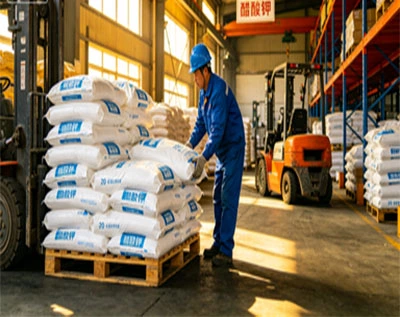
Pharmaceutical customers need packing choices that are suited to the size of their operations and the tools they use to handle the packaging. Standard 25 kg plastic weave bags work well for smaller batches and study, while 1000 kg ton-bags are the best way for makers who make a lot of products to move their materials quickly and easily. Some sellers offer special moisture-barrier packaging methods that keep food fresh longer in tough storage conditions. Pharmaceutical wholesalers are different from industrial chemical sellers because they offer documentation help. As part of every package, there should be batch-specific Certificates of Analysis showing that the specifications have been met, a full MSDS with information on health risks, and legal support documents like statements of fitness for medicinal use. Global operations are made easier by suppliers who offer technical help in multiple time zones and documents in multiple languages. This cuts down on communication delays that can affect production plans.
Procurement Strategies for Bulk Pharmaceutical Solid Potassium Acetate
Strategic buying practices keep costs low while ensuring quality and supply consistency. Pharmaceutical buyers can improve the results of their purchases in a number of ways.
Understanding Price Drivers and Negotiation Tactics
The price of potassium acetate around the world is affected by the cost of raw materials, energy, capital needed to follow rules, and changes in supply and demand. Acetic acid and potassium hydroxide are two important raw materials that affect the price, which is affected by changes in the petroleum market. Crystallisation and cleaning methods that use a lot of energy raise the cost of production, which depends on the price of energy in your area. Pharmaceutical-grade fees cover more quality control tests, paperwork, and activities needed to meet legal requirements. Volume promises are an important part of good bargaining tactics because they help sellers plan their production better and lower the cost per unit. Multi-year contracts with ways to change prices protect both sides from changes in the market and make sure there is a steady supply. Costs can go down if you negotiate payment terms, because sellers like stable cash flow that helps them handle their working capital. Buyers should ask for full price breakdowns to figure out which costs are most important and then focus their negotiating efforts on those areas.
Lead Time Management and Logistics Optimization
The process of making medicines with solid potassium acetate is very time-sensitive, and when materials aren't available, it costs a lot to stop production. Knowing how long it takes for suppliers to deliver allows for accurate planning of production and optimisation of supplies. Standard wait times for in-stock materials are 5 to 7 days, but they can take up to 4 to 6 weeks for special orders or when materials are out of stock. Building a strategic safety stock balances the costs of holding the stock against the risk of running out of it. The best amounts are chosen by how volatile demand is and how reliable supply is. Logistics of transportation have a big effect on total landing costs and the dependability of delivery. Ocean freight is cheaper for big packages, but it takes longer to get there and needs to be carefully protected from moisture while in transit. Air freight cuts down on travel time but raises costs, so it's best for urgent restocking or high-value speciality grades. Pharmaceutical transport standards say that temperature-sensitive materials must be shipped in climate-controlled containers and that all paperwork must be filled out, including statements of dangerous materials when needed.
Post-Purchase Quality Assurance
Quality control includes more than just seller certificates. It also checks arriving materials and makes sure they work right. Pharmaceutical companies should use methods like infrared spectroscopy or chromatography to check the name of materials they receive. Important impurities, like heavy metals, need to be checked by a separate lab, especially when the provider is being qualified or when problems with the composition have been found. Functional testing in real formulas proves that the material performs as specified. It also shows small differences in quality that chemistry analysis alone might miss. Setting up clear lines of contact with providers makes it possible to quickly solve problems when there are quality issues. Suppliers with technical support teams that know a lot about pharmaceutical preparation can help you figure out problems with production. Buyers don't lose money when suppliers fail to meet quality standards because of warranties and refund plans for products that don't meet standards.
Why Choose Zhaoyi Chemical for Pharmaceutical Solid Potassium Acetate?
Zhaoyi Chemical has become a well-known seller of medicinal acetate over the years by consistently delivering high-quality goods and putting the needs of customers first. The company has been around since 1988 and has over 30 years of industrial experience, mostly in the area of acetate chemistry. This gives them a level of knowledge that younger companies entering the market can't match.
Quality Control Systems and Certifications
The company's quality management system goes above and beyond basic pharmacy standards by checking and controlling things in many different ways. For quality management systems, manufacturing sites keep ISO 9001 certification, ISO 14001 certification for environmental management, and ISO 45001 certification for health and safety at work. With KOSHER and HALAL approvals, a product can be sold in a wider range of global markets. Advanced diagnostic instruments, such as ICP-MS for heavy metals analysis and full pharmacopeial testing according to USP, EP, BP, and JP methods, are used to test every output run. International pharmacopeial requirements aren't met by internal control standards. This gives customers extra safety gaps that keep them from being affected by specifications that aren't followed exactly. The company encourages customer plant checks and makes all paperwork available, showing that they are confident in business excellence. Technical support teams that speak more than one language help customers around the world understand the rules that apply to their markets.
Production Capacity and Customer Service Excellence
With a 27,000-square-meter factory that can make 150,000 tonnes of acetate every year, Zhaoyi Chemical offers supply stability that smaller providers can't promise. The company has 60 hard-working employees who are experts in acetate chemistry, medicinal uses, and following the rules. Production wait times of 5 to 7 working days allow for quick order fulfilment without forcing customers to keep too much safety stock. The company allows for flexible order numbers so that both big pharmaceutical companies and smaller speciality makers can use their services. They also offer a range of packing choices, such as 25 kg bags and 1000 kg ton-bags. Customer service includes more than just handling orders. It also includes technical advice on how to make formulations work better, help with regulatory paperwork, and quick answers to quality questions through technical support lines that are open 24/7. With this all-around service approach, Zhaoyi Chemical goes from being a simple provider to a strategic partner that helps customers succeed throughout the lifecycles of their products.
Conclusion
To find dependable providers of pharmaceutical solid potassium acetate, you need to carefully look at their quality systems, production skills, and proof that they follow all the rules. Zhaoyi Chemical is a star in these important areas because it has decades of experience making specialised products, a wide range of foreign certifications, and service that is focused on the customer. Pharmaceutical companies that need a reliable source for potassium acetate should work with well-known companies that have quality control systems that have been proven to work, flexible production options, and technical know-how that helps formulations work. Because choosing an excipient provider is so important from a business point of view, it's important to do a lot of research on not only the product specs but also the stability of the supply chain and the possibility of a long-term relationship.
FAQ
What makes potassium acetate for medicinal use different from potassium acetate for scientific use?
Pharmaceutical-grade potassium acetate is made using strict GMP methods that get rid of heavy metals like arsenic, lead, and mercury to levels below 5 parts per million. Higher levels of impurities are found in technical types used for de-icing or industrial purposes. These levels are fine for non-pharmaceutical uses but not for human treatment. Pharmaceutical grades also check the amount of endotoxin to make sure they are safe for oral use and go through batch-specific testing with full records.
Can potassium acetate be used instead of potassium chloride in all drug applications?
Potassium acetate is used in specific medical situations where chloride addition is not wanted or is not needed. It gives you extra potassium and makes your body more alkaline by changing bicarbonate into bicarbonate. This makes it perfect for healing metabolic acidosis along with hypokalaemia. But potassium chloride can still be used in situations that need extra chloride or where cost is a major concern.
How should pharmaceutical solid potassium acetate be kept so that it doesn't harden?
Because the substance melts easily, it needs to be stored in containers that are tightly sealed and have moisture barriers. It also needs to be kept in controlled settings where the relative humidity is below 40% and the temperature is below 25°C. Containers should only be opened right before they are used, and any material that is left inside should be quickly shut back up. Keeping things in the right way stops them from absorbing water, which leads to caking, and keeps their quality throughout their shelf life.
Partner with Zhaoyi Chemical for Pharmaceutical-Grade Potassium Acetate Supply
Zhaoyi Chemical provides pharmaceutical solid potassium acetate that is made under strict GMP guidelines and meets USP, EP, BP, and JP pharmacopeial standards. It is more than 99% pure and heavy metals are kept below 0.0005%. The company has been making pharmaceutical solid potassium acetate since 1988 and can reliably supply 150,000 tonnes of it each year. They also offer a variety of packing choices and wait times of 5 to 7 days. Certifications like ISO 9001, KOSHER, and HALAL prove that quality systems help make sure that world rules are followed. You can email the technical support team at sxzy@sxzhaoyi.com for help with optimising formulations and meeting legal paperwork needs. You can look at detailed product specs, ask for Certificates of Analysis, and get in touch with experts who understand your needs for pharmaceutical making at zhaoyichemical.com. Get your pharmaceutical solid potassium acetate from a partner you can trust that is dedicated to quality greatness and customer success.
References
United States Pharmacopeia. "Potassium Acetate Monograph." USP-NF Official Standards, 2023 Edition.
European Medicines Agency. "Guideline on Excipients in the Dossier for Application for Marketing Authorization of a Medicinal Product." EMA Quality Guidelines, 2022.
World Health Organization. "WHO Guidelines for the Safe Use of Pharmaceutical Excipients." Technical Report Series No. 981, 2021.
International Pharmaceutical Excipients Council. "Good Manufacturing Practices Guide for Pharmaceutical Excipients." IPEC Federation Publication, 2023.
American Society of Health-System Pharmacists. "Potassium Acetate Injectable Solution: Clinical Applications and Safety Considerations." ASHP Drug Information, 2023.
Pharmaceutical Research and Manufacturers of America. "Quality Management Systems in Pharmaceutical Excipient Manufacturing." PhRMA Technical Standards, 2022.

USER EVALUATE
Here is the customer's evaluation of us