



What Safety Precautions are Recommended When Handling Solid Potassium Acetate on Runways?
Personal protection equipment, controlled storage conditions, and skilled application methods are the main safety measures when dealing with airport runway solid potassium acetate. When handling this aviation-grade deicing material, workers must wear chemical-resistant gloves, safety goggles, and dust masks to protect their skin and lungs. To keep things from breaking down and absorbing water, storage spaces must keep the air dry, let air flow, and keep the humidity below 60%. When applying, workers should strictly follow dosing guidelines, work together with air traffic control when spreading, and keep equipment in good shape so that corrosion-related breakdowns don't happen and put runway safety at risk.
Understanding the Safety Challenges of Handling Solid Potassium Acetate on Runways
Chemical and Physical Properties Affecting Safety
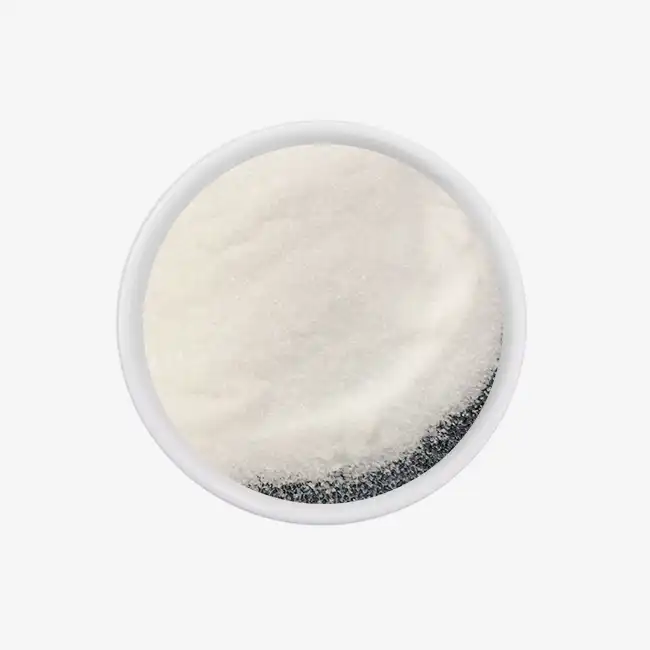
Airport runway solid potassium acetate has unique properties that change how it should be handled. The combination looks like white grains made of crystals and has a bulk density of 0.8 to 0.9 g/cm³. This is heavy enough to stop jet blast scatter while still being able to be spread. Its pH level in a 15% solution is between 9.0 and 10.5, which means it is mildly alkaline and should be taken into account when it comes into touch with skin.
The fact that the material is hygroscopic, or strongly attracted to moisture in the air, has both practical and safety benefits. This trait lets ice melt quickly, but it also means that opened containers receive moisture quickly, which could make the substance clump and flow less easily. Workers need to know that touching something wet starts exothermic processes that release heat while the material melts. This speeds up the deicing process, but it also means taking extra precautions against heat exposure during focused treatments.
Primary Exposure Risks for Personnel
The most common way to be exposed to airport runway solid potassium acetate powder is through direct skin touch. Long-term touch can irritate, dry out, or even cause mild dermatitis, especially in people who already have sensitive skin or skin problems. The substance is more likely to irritate because it has an alkaline pH, but it is not nearly as corrosive as standard runway salts.
When floating particles become stuck in the wind or during mechanical spreading operations, there is a chance that they will be breathed in. When workers breathe in crystalline dust, it may irritate their lungs, make them cough, or cause brief pain. Even though potassium acetate is not as poisonous as urea-based deicers because it doesn't contain ammonia, it is still important to keep airborne contact to a minimum when handling and applying large amounts of it.
Another problem that needs quick treatment is eye contact. If dust gets into your eyes, it can make them red, teary, and irritated. Crystalline materials and light pH can be irritating to the skin, so it's important to rinse your eyes quickly and wear eye protection when handling them.
Equipment and Infrastructure Considerations
Potassium acetate versions that meet flight standards protect aluminum, magnesium, and cadmium airplane parts from corrosion, unlike chloride-based salts that attack metals very quickly. But application equipment still needs to be maintained on a frequent basis. Spreader mechanisms, hoppers, and conveyor systems need to be checked for material buildup and rust caused by wetness on a regular basis. This is especially important at connection points and hydraulic fittings.
Potassium acetate is better for runway surfaces than other deicers because it doesn't damage them. The organic salt breaks down naturally without building up chloride ions that can get into concrete and damage steel that holds it together. This benefit to the environment means lower costs for maintaining infrastructure, though the right application rates are still needed to keep waste from building up during long cold times.
Essential Safety Precautions for Storage and Handling of Solid Potassium Acetate
Optimal Storage Conditions and Facility Requirements
Good storage of airport runway solid potassium acetate keeps both the quality of the goods and the safety of the workers. To keep things from absorbing water and breaking down too quickly, storage spaces must keep the air dry, let air flow freely, and keep the relative humidity below 60%. Temperature changes should be kept to a minimum, and the material shouldn't be exposed to direct heat sources or extreme cold that could make it hard to move.
Potassium acetate is stored away from things that can't be mixed with it, like strong oxidizers, acids, and explosive metals, in special areas. Clear marking systems show where things are stored, and first-in, first-out rules for stocking rotation keep things fresh. Ample aisle space lets forklifts move around while staying away from heating systems and electrical lines in a safe way.
The design of the building includes means to control spills, such as sealed concrete floors and drainage systems that direct any leaks away from storm drains. Regular air exchange by ventilation systems keeps working temperatures comfortable and stops dust from building up. Eyewash stations and safety showers should be placed so that they are only 10 seconds' walk from storage and working areas.
Packaging Standards and Material Handling
Aviation-grade potassium acetate comes in containers that are waterproof and made for large airport operations. Standard sizes include knitted plastic bags weighing 25 kg for human handling and ton bags weighing 1000 kg for mechanical transfer devices. The packaging has several layers that keep air out during holding periods that can last up to two years if conditions are right.
Workers should look at arriving packages for damage to the packaging, signs of moisture, or squished bags that could mean they were exposed during transport. Damaged containers need to be separated right away and their contents checked out before they can be used. Bags that haven't been opened stay closed until they're needed, and bags that have been opened are resealed with moisture-proof seals to keep the quality of the materials.
Personal Protective Equipment Requirements
Full PPE measures keep workers safe while they are handling things. Chemical-resistant gloves made of nitrile or neoprene keep your skin from touching other surfaces while you're handling bags, moving tools, or cleaning up. The gloves should go past the wrist so that they cover the forearms during times of heavy handling.
Safety glasses or face shields keep your eyes safe from flying objects and accidental splashes that happen when you open bags or move things around. Normal prescription glasses don't protect your sides well enough and can't replace proper eye protection. When working in a tight area or in a very dusty environment, full-face respirators with P95 or P100 filters protect your eyes and lungs better at the same time.
Long-sleeved shirts, long pants, and chemical-resistant safety boots with closed toes are all examples of protective clothes. Disposable coveralls are good for one-time use during long periods of handling because they keep personal clothes from getting dirty. High-visibility clothing is still needed on busy runways to make sure workers can be seen by planes and cars on the ground.
Best Practices for Safe Application of Potassium Acetate on Airport Runways
Calibrated Dosing and Application Timing
When deicing works well with airport runway solid potassium acetate, it strikes a balance between safety and material economy. Applying rates are usually between 100 and 300 pounds per thousand square feet, but this can change based on the thickness of the ice, the temperature of the ground, and the weather predictions. Before it starts to rain, pre-wet anti-icing operations use lighter rates of 50 to 100 pounds per thousand square feet to keep the ground from freezing over.
Timing applications to work with the weather trends makes them more effective while reducing damage to the environment and downtime. Meteorological data is used to make decisions, and apps are planned for short periods of time when it stops raining. When it snows a lot, spreading operations run the risk of burying materials and making them less effective. When there is a lot of wind, applications spread out and cover less ground.
Operational Coordination and Communication Protocols
Maintenance workers, air traffic control, and airline operations centers must work together seamlessly to clear the runway of ice using airport runway solid potassium acetate. Formal NOTAM (Notice to Airmen) methods let people know when runways are closed, what activities are happening on them, and when they will resume. Radio communication keeps spreader operators and tower staff in touch all the time, so they can quickly adapt to changes in how planes need to move.
Ground teams set up safety zones around busy application zones with lit barriers and signs to let vehicles know when they're coming. Spreader workers are very aware of where the planes are, how fast they are taxiing, and where the hold-short marks are. When an airplane gets close, operations stop right away, and equipment is moved away from busy surfaces and workers are put in safety zones.
Equipment Maintenance and Corrosion Prevention
Spreaders that use mechanical parts need regular upkeep that takes into account both normal wear and chemical contact. Daily checks before operation make sure the hydraulic system works, the hopper is in good shape, and the spinner device works. After an operation, the area is washed thoroughly to get rid of any leftover material. This keeps the area from absorbing moisture overnight and causing equipment to rust.
On a monthly basis, repair plans include thorough checks of weak parts like auger bearings, conveyor chains, and electrical connections. Applications that stop corrosion protect metal surfaces, especially where water tends to gather, like in cracks and connection points. Failures in the middle of the season during key operational times can be avoided by replacing worn-out parts before they break.
Calibration testing makes sure that the application rates stay the same over the life of the equipment. Electronic controls and mechanical flow meters are certified every year to make sure that their output is accurate within acceptable limits. Paying attention to the measurements stops over-application, which loses material and puts more stress on the environment, and under-application, which makes deicing less effective.

Comparative Safety Insights: Potassium Acetate vs Other Runway Deicers
Sodium Acetate and Calcium Magnesium Acetate
Different acetate formulas for airport runway solid potassium acetate alternatives have different levels of safety and effectiveness. Sodium acetate has similar non-corrosive traits but is less expensive. However, it doesn't work as well at low temperatures, so it can't be used in very cold places. The compound consistently works down to about -15°C, which means it's good for airports with mild climates but not good enough for activities in the north, where temperatures often drop below -20°C.
Calcium magnesium acetate is mostly used to melt snow and ice on roads, not in airplanes. Although it is safe for the environment and won't rust, airports can't use it as much as they'd like because it's hard to find in aviation-grade forms and doesn't melt ice as well as potassium acetate. To get similar results, the material needs to be applied at higher rates, which means that it has to be handled more often and workers are exposed for longer periods of time.
Glycol-Based Deicing Fluids
Propylene glycol and ethylene glycol mixtures are mostly used to de-ice airplanes, but they aren't used much on runways because they're expensive and bad for the environment. These liquid deicers work very well at low temperatures and don't cause much rust, but they need special tools to be used and raise the biochemical oxygen demand in stormwater flow.
Glycol liquid and airport runway solid potassium acetate have very different safety ratings. Glycols have lower risks of breathing in dust, but they can be slippery if they overspray, and they need bigger storage systems to keep them from getting into the environment. The liquid form makes it harder to store when it's freezing outside, and it needs warm spaces or additive packages to keep flowing.
Performance Under Severe Weather Conditions
Potassium acetate is the best choice for airports that have to deal with harsh winter weather because it works so well at low temperatures (it can deice up to -60°C). Because of this better performance, it is used less often than options that need to be re-treated when the temperature drops. Fewer application rounds mean that workers are exposed to less danger for fewer hours each day, which lowers the overall safety risk over the winter.
The material dissolves quickly and reacts with heat, so runways can be used again more quickly than with materials that act more slowly. This operational efficiency means that ground workers working on busy runways are exposed for shorter amounts of time. This lowers the overall risk during the winter operational season.
Emergency Response and Risk Mitigation Strategies When Working with Potassium Acetate
Immediate Response Procedures for Spills and Exposure
When there is an accident with airport runway solid potassium acetate, the spill needs to be contained right away so that the material doesn't spread and harm the environment. Dry cleanup methods work well for small messes under 25 kg. Brooms and shovels can be used to gather the material into trash cans so it can be thrown away properly or used again if the contamination is still low. Do not use water to clean up small spills because it speeds up the breakdown process and makes the area affected bigger.
Large spills that are heavier than 100 kg need organized reaction teams to set up containment lines with temporary berms or absorbent booms. For material collection, industrial vacuum systems or motorized sweepers with fine particle filters are used. The recovered material is checked for quality to see if it can be used again or if it needs to be thrown away in a different way in line with local environmental laws.
In cases of skin contact, people need to flush with lots of water right away and take off their contaminated clothes for at least 15 minutes. Workers shouldn't rub the affected areas because that could make the pain from the crystals worse. Exposure events that involve a lot of skin touch, long-term exposure, or people with sensitive skin should be looked at by a doctor.
If you get water in your eyes, you need to get medical help right away and keep the lids of your eyes open while you flush with water for at least 15 minutes. If taking out your contacts is easy and doesn't cause any extra pain, you should do it right away. All eye exposure incidents should be followed up with a medical check by a trained healthcare worker, even if the first symptoms seem mild.
Long-Term Safety Culture Development
For safety performance to last, best practices need to be made permanent through thorough training programs that include both introduction for new employees and yearly refresher classes. The topics covered in training include the qualities of materials, how to spot hazards, choosing and using the right PPE, how to operate tools, what to do in an emergency, and how to protect the environment. Practical experience in real-life situations is built through hands-on exercises that build on academic knowledge.
Documentation systems keep track of records of completed training, equipment upkeep, mishap reports, and the execution of correction actions. During reviews, these records show that the rules were followed and also provide information for efforts to keep getting better. Regular safety checks by trained staff find new risks and make sure that set rules are being followed.
Leaders show their dedication by allocating enough funds for safety gear, training programs, and building changes. When managers are involved in safety groups and incident reviews, it shows that the company cares about safety, which encourages workers to get involved in safety efforts. Recognition programs that celebrate performance goals without any incidents promote safe behaviors and urge people to stay alert.
Conclusion
To safely handle airport runway solid potassium acetate, there are strict rules about how to store it, how to apply it, how to handle an accident, and how to protect yourself. The performance of this aviation-grade deicing material is excellent, and the safety concerns are doable as long as the right safety measures are always taken. The substance is the best choice for airports that care about operating safety and environmental responsibility because it doesn't corrode, breaks down naturally, and works well in very cold temperatures. To run a winter airport successfully, you need trained workers, well-kept tools, and a company-wide dedication to safety excellence. By following the tips in this guide, airport managers can protect their employees, keep investments in infrastructure in good shape, and make sure that winter operations run smoothly so that people and planes can keep going safely.
FAQ
What personal protective equipment is mandatory when handling potassium acetate?
During all working tasks involving airport runway solid potassium acetate, workers must wear nitrile or neoprene gloves that are resistant to chemicals, safety masks or face shields, long-sleeved protection clothing, and closed-toe safety boots. When doing activities that make a lot of dust, like opening bags or mechanically spreading dust when it's windy, you need to wear a dust mask or a respirator with P95/P100 filters. For workers to be seen, high-visibility clothing is still needed on busy runways.
How should potassium acetate be stored to maintain safety and product quality?
Store in buildings that are dry, well-ventilated, and have relative humidity levels below 60%. Temperature changes should be kept to a minimum. Keep packages closed until they are needed, and use moisture-proof seals to reseal half-full bags. Keep away from things that don't work with it, like strong oxidizers and acids. Keep the space between aisles clear, use first-in, first-out inventory movement, and put emergency eyewash stations within 10 seconds of storage areas.
Does potassium acetate corrode airport equipment and runway surfaces?
Aviation-grade versions that meet SAE AMS 1431 standards have corrosion inhibitors that keep aluminum, magnesium, and cadmium parts of airplanes from rusting. The substance is much less likely to corrode than chloride-based salts. On carbon steel, rust rates of ≤0.03g/m²·h were measured. Regular care and cleaning of equipment after use keep it from getting wet and extend its useful life.
Partner with Zhaoyi Chemical for Premium Aviation Deicing Solutions
Since 1988, Zhaoyi Chemical has been a trusted airport runway solid potassium acetate supplier. They have over 30 years of experience in making specialized products. Our yearly production capacity of 150,000 tons guarantees a steady supply of bulk materials that will meet your most stringent operating needs during the winter. We keep aviation-grade formulas that meet SAE AMS 1431E standards and are backed by ISO 9001, ISO 14001, KOSHER, and HALAL certifications. Our expert team is available 24 hours a day, seven days a week, and answers questions within two hours. They can also make formulations that work better in certain climates and offer OEM packing solutions. No matter if you are in charge of a local airport, a regional facility, or an international hub, our reasonable prices and sure shipping plans will help you reach your buying goals. Get in touch with us at sxzy@sxzhaoyi.com to talk about your winter needs and feel the quality difference that comes from producing acetate exclusively.
References
Society of Automotive Engineers. "SAE AMS 1431: Potassium Acetate Solid Runway and Taxiway Deicing/Anti-icing Fluid." SAE International Standards, 2018.
Federal Aviation Administration. "Advisory Circular 150/5200-30D: Airport Winter Safety and Operations." U.S. Department of Transportation, 2020.
Transportation Research Board. "Guidelines for the Selection of Snow and Ice Control Materials to Mitigate Environmental Impacts." National Cooperative Highway Research Program Report 577, 2007.
American Conference of Governmental Industrial Hygienists. "Threshold Limit Values for Chemical Substances and Physical Agents." ACGIH Publication, 2022.
Airport Consultants Council. "Airfield Pavement De-icing and Anti-icing: Best Management Practices." Aviation Environmental Design Tool Technical Manual, 2019.
National Institute for Occupational Safety and Health. "Personal Protective Equipment for Hazardous Materials Incidents: A Selection Guide." NIOSH Publication 2014-139, Centers for Disease Control and Prevention, 2014.

USER EVALUATE
Here is the customer's evaluation of us