



Deicing Solid Potassium Acetate vs Traditional Chloride Deicers in Extreme Cold
When it gets well underneath solidifying, picking the right deicing operator is a exceptionally imperative commerce choice. Deicing solid potassium acetate is a secure, non-corrosive alternative to chloride-based deicers that is too great for the environment. It works at temperatures as moo as -30°C and ensures foundation and environments adjacent. This white crystalline compound (CH3COOK) works superior in exceptionally cold temperatures, which is why it's the to begin with choice for air terminals, interstate specialists, and individuals who run basic foundation where security, natural compliance, and long-term resource conservation can't be compromised.
The Challenge of Effective Deicing in Extreme Cold
Conditions amid the extraordinary winter months make it difficult to do trade in numerous areas. Deicing runways is a exceptionally imperative security issue for air terminals, and thruway repair specialists have to make beyond any doubt that activity remains moving on bridges and overpasses. Neighborhood governments that are in charge of stopping parts and production lines require ways to ensure both open security and their building investments.
When temperatures drop underneath solidifying, the ancient ways of deicing frequently do not work as well. Not controlling ice legitimately can lead to more issues than fair prompt security concerns. It can moreover cause costly working downtime, harm to foundation, and the plausibility of being held lawfully capable. When obtainment directors see at deicing arrangements, they have to weigh a part of things, such as how well the fabric dissolves at exceptionally tall temperatures, how it influences environments adjacent, how well it meets administrative necessities, and the add up to taken a toll of possession, which incorporates application rates and foundation upkeep costs.
When it comes to flying, the stakes are particularly tall since the conditions of the runway have a coordinate impact on flight times and traveler security. Additionally, thruway offices overseeing bridge decks confront interesting challenges as these raised structures solidify more quickly than ground-level roadways and require deicers that won't quicken the erosion of steel support bars inside concrete structures.
Understanding Deicing Solids: Potassium Acetate and Traditional Chloride Deicers
Chemical Properties of Potassium Acetate
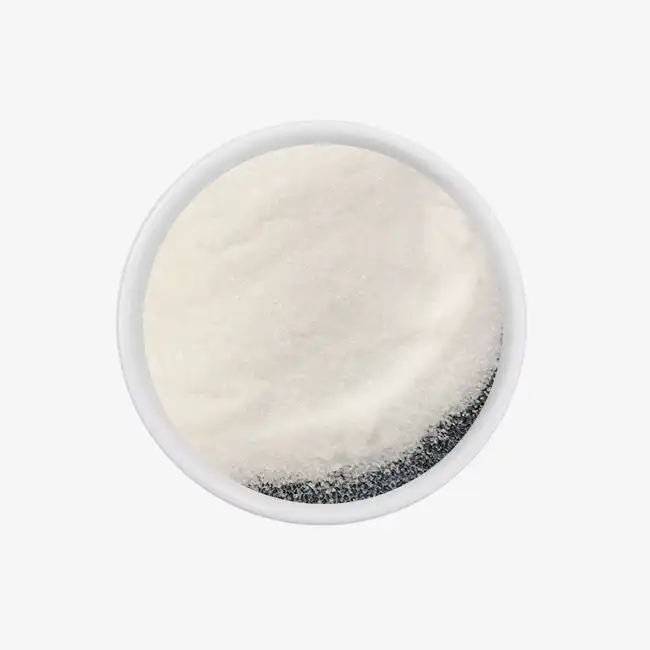
With the equation CH3COOK and the CAS number 127-08-2, potassium acetic acid derivation is a white, crystalline substance that weighs 98.14 g/mol. This substance breaks up effectively in water, corrosive, and liquor, and it dissolves rapidly when it comes in touch with ice and snow. The compound's exothermic disintegration prepare makes warm when it dissolves, which speeds up the handle compared to endothermic alternatives that take warm from their environment.
Traditional Chloride-Based Deicers
Sodium chloride (shake salt), calcium chloride, and magnesium chloride are the three primary chloride salts that are utilized in typical deicing exercises. Sodium chloride is the slightest costly choice, but it stops working at temperatures underneath -9°C. Calcium chloride increments the working temperature to approximately -26°C and makes warm when it breaks down, which makes it work way better in tolerably cold circumstances. Magnesium chloride offers comparative execution characteristics whereas claiming diminished natural affect compared to calcium chloride.
Chloride-based deicers have a part of issues, indeed in spite of the fact that they are utilized a parcel. These substances speed up the rusting of steel fortifications in asphalt, harmed auto parts, and harmed plants along the street by sullying salt splash and runoff. Since chlorides are destructive, they cause enormous long-term upkeep costs since bridge decks, stopping structures, and car armadas require to be settled or supplanted as well before long.
Key Material Differences
The main difference between chloride-based and acetate-based deicers is how they react with surfaces and surroundings. Biodegradability is maintained by deicing solid potassium acetate formulations, which break down naturally without building up in grounds or water systems. Chlorides stay in the environment for a long time and build up salt levels that hurt plant roots and pollute groundwater. When it comes to handling, potassium acetate needs to be stored in a dry environment because it absorbs water. Chloride salts are easier to store, but you need to be aware that they can damage storage and operation machinery.
Performance Comparison: Potassium Acetate vs Traditional Chloride Deicers in Extreme Conditions
Temperature Effectiveness
The most important difference between these deicing groups is how well they work in very cold conditions. If the temperature drops to -30°C, Shanxi Zhaoyi Chemical's potassium acetate will still work to melt ice even when rock salt has lost all of its usefulness. Even though the compound can reach a eutectic point as low as -60°C, most practical uses only promise performance up to -30°C to help with planning.
Alternatives based on chlorine show changing temperature limits. Standard rock salt doesn't work below -9°C, so much more of it needs to be used as the temperature gets close to that point. Calcium chloride increases the useful range to about -26°C, but as temperatures drop further, the benefits decrease. Magnesium chloride also doesn't work well in the coldest conditions, even though marketing says that it does.
Melting Speed and Duration
Potassium acetate melts faster than sodium chloride because it dissolves at a higher temperature. This is especially helpful when the weather changes quickly or when the surface needs to be cleared quickly for safety reasons. The compound dissolves completely in water, which lets ice penetrate deeply and breaks the link between ice and pavement, making it easier for plows and sweepers to remove.
Another thing to think about is how long the impact lasts. Acetate-based deicers stay active longer on treated surfaces, so they don't need to be reapplied as often during long cold spells. This trait leads to lower labor costs and less material use during winter operations, which helps to partly make up for the higher initial cost of materials.
Infrastructure Compatibility
Airport activities show how important it is for materials to be compatible with each other. Potassium acetate mixtures that meet SAE AMS 1431 standards protect carbon brake systems, aluminum alloys, and cadmium-plated parts that are widespread in airplane landing gear. Traditional chloride salts speed up the corrosion of these materials, which puts passengers at risk and costs aircraft companies a lot of money in repairs.
Similar patterns can be seen in bridge deck uses. When chloride gets into concrete buildings, it speeds up the corrosion of reinforcement bars. This causes concrete to break apart and structures to fall apart. States that use a lot of salt in the winter have to pay a lot to fix up their bridges because they break down too quickly. Acetate-based alternatives get rid of this corrosion process, which increases the useful life of infrastructure and lowers lifecycle costs even though the materials cost more per unit.
Safety, Environmental Impact, and Regulatory Considerations
Occupational Safety Profile
Handling characteristics differ substantially between these deicing categories. Potassium acetate presents minimal skin irritation risk and poses no significant inhalation hazards under normal application conditions. The material's alkaline pH (9-11) requires basic precautions during handling, though the compound lacks the aggressive characteristics of many industrial chemicals. Workers appreciate the reduced corrosive exposure compared to chloride alternatives, which can cause skin irritation and damage protective equipment over time.
Environmental Advantages
Environmental considerations increasingly drive procurement decisions as regulatory requirements tighten and sustainability commitments influence purchasing criteria. Potassium acetate biodegrades readily in soil and aquatic environments, breaking down into potassium ions and acetate that serve as carbon sources for microbial processes. This characteristic makes the material particularly suitable for applications near water bodies, protected wetlands, and environmentally sensitive areas.
Vegetation tolerance represents another significant advantage. Chloride salts damage roadside plants through direct contact spray, root zone salt accumulation, and foliar absorption of salt-contaminated mist. The resulting vegetation die-off creates erosion risks and requires expensive landscaping replacement. Acetate-based deicers eliminate these vegetation impacts, maintaining healthy plant communities along treated roadways and around airport perimeters.
Aquatic toxicity assessments consistently demonstrate deicing solid potassium acetate formulations' lower impact on fish and invertebrate species compared to chloride alternatives. This reduced toxicity matters particularly in urban watersheds where deicing runoff concentrates in storm drains discharging directly to streams and rivers. Municipalities facing strict discharge permits or operating in watersheds with impaired water quality designations benefit from acetate deicers' environmental profile.
Regulatory Framework
Regulatory considerations vary by jurisdiction and application type. Aviation operations typically mandate SAE AMS 1431-compliant products, effectively requiring acetate-based formulations for airside operations at commercial airports. This specification ensures material compatibility with aircraft systems and establishes performance standards for extreme cold effectiveness.
Highway applications face increasing regulatory scrutiny as states and provinces recognize the environmental costs of chloride overuse. Several jurisdictions have implemented maximum application rate guidelines, while others restrict chloride use near sensitive water bodies or require best management practices to minimize environmental impact. These evolving regulations favor alternative deicers with superior environmental profiles, creating procurement advantages for acetate-based products.
LEED-certified facilities and environmentally conscious commercial operations voluntarily adopt acetate deicers to support sustainability objectives. Green building standards increasingly evaluate site management practices, including winter maintenance chemical selection, making deicing product choice relevant to facility certification goals.
Procurement Insights: How to Choose and Source Potassium Acetate Deicing Solids?
Evaluating Total Cost of Ownership
Material cost represents only one component of total deicing expenses. A comprehensive cost analysis must incorporate application rates, reapplication frequency, infrastructure maintenance impacts, environmental compliance costs, and labor requirements. Acetate-based deicers typically command higher unit prices than chloride alternatives, yet their superior performance characteristics often result in competitive total cost of ownership.
Application rate differences significantly impact material consumption. The enhanced effectiveness of deicing solid potassium acetate allows lower application rates per treated area compared to rock salt, particularly in extreme cold conditions where chloride products require excessive application to achieve minimal effectiveness. Reduced application rates translate directly to lower material consumption and decreased labor costs for spreading operations.
Infrastructure preservation represents perhaps the most significant long-term cost advantage. Organizations managing extensive concrete assets—parking structures, bridge decks, airport taxiways—face substantial rehabilitation expenses when chloride exposure accelerates deterioration. The concrete protection afforded by acetate deicers extends asset service life, deferring expensive reconstruction projects and reducing lifecycle infrastructure costs.

Supplier Selection Criteria
Identifying reliable suppliers requires evaluation of several critical factors. Manufacturing capacity ensures suppliers can meet bulk order requirements during peak winter demand periods. Shanxi Zhaoyi Chemical maintains annual production capacity of 150,000 tons, providing supply security for large-scale operations and multi-facility organizations.
Quality certifications demonstrate supplier commitment to consistent product specifications. ISO 9001, ISO 14001, and ISO 45001 certifications provide assurance of quality management systems, environmental management practices, and occupational health and safety protocols. Aviation applications additionally require suppliers providing SAE AMS 1431-compliant products with documented batch testing confirming specification compliance.
Technical support capabilities distinguish suppliers in this specialized market. Reputable manufacturers provide application guidance, material compatibility information, and storage recommendations supporting successful product deployment. This technical expertise proves particularly valuable for organizations transitioning from chloride-based programs to acetate alternatives.
Packaging and Logistics Considerations
Standard packaging options include 25kg plastic woven bags for manual handling applications and 1000kg ton bags for automated spreading equipment and bulk storage operations. Packaging selection impacts handling labor requirements and storage space utilization, warranting consideration during procurement planning.
Delivery scheduling demands careful coordination. Organizations operating in regions with distinct winter seasons should plan procurement well in advance of anticipated cold weather. Lead times vary by order size, with bulk orders potentially requiring 15-day preparation periods. Strategic suppliers maintain inventory during deicing seasons, enabling rapid response to urgent requirements during unexpected weather events.
Storage infrastructure requirements reflect potassium acetate's hygroscopic nature. The material requires dry, well-ventilated warehouse space with relative humidity maintained below 65 percent to prevent caking. Proper moisture control preserves material flowability through spreading equipment and ensures consistent application rates throughout the winter season.
Conclusion
Deicing solid potassium acetate delivers superior performance in extreme cold conditions while protecting infrastructure and minimizing environmental impact. Its effectiveness at temperatures reaching -30°C, non-corrosive formulation, and biodegradable composition address the critical limitations of traditional chloride deicers. Organizations managing aviation facilities, bridge networks, and environmentally sensitive operations benefit from acetate-based solutions that balance operational effectiveness with sustainability objectives. While unit costs exceed chloride alternatives, comprehensive total cost analysis reveals competitive lifecycle economics through reduced application rates, extended infrastructure service life, and eliminated environmental remediation expenses. The compound's established track record in demanding applications provides procurement managers confidence in product reliability and performance consistency.
FAQ
Is potassium acetate safe for use near sensitive ecosystems?
Potassium acetate demonstrates excellent environmental compatibility compared to chloride alternatives. The compound biodegrades readily in soil and aquatic environments, breaking down into potassium and acetate components that integrate naturally into biological processes. This biodegradability minimizes accumulation in sensitive ecosystems. The material exhibits low aquatic toxicity, making it suitable for applications near streams, wetlands, and water bodies where runoff concerns exist. Vegetation tolerance represents another advantage, as acetate formulations avoid the plant damage commonly associated with chloride salt spray and soil contamination.
How does performance compare at temperatures below -20°C?
Potassium acetate maintains effectiveness at temperatures as low as -30°C, substantially exceeding traditional rock salt's operational threshold of approximately -9°C. The compound's eutectic point reaches -60°C, though practical applications typically specify -30°C performance guarantees. This extreme cold effectiveness ensures reliable ice melting during the coldest winter conditions when chloride alternatives lose functionality. The exothermic dissolution process generates heat during melting, accelerating ice removal even in severely cold temperatures where endothermic deicers struggle.
What are typical delivery timeframes for bulk orders?
Delivery schedules vary based on order size and seasonal demand. Spot supply during active deicing seasons enables rapid fulfillment of standard orders. Bulk purchases requiring custom packaging or exceeding standard inventory levels may require 15-day advance ordering to ensure timely delivery. Strategic procurement planning should anticipate winter season demand and place orders before cold weather arrives to avoid potential supply constraints during peak usage periods.
Partner with a Trusted Deicing Solid Potassium Acetate Manufacturer
Zhaoyi Chemical stands as an experienced deicing solid potassium acetate supplier with over 35 years of acetate production expertise. Our ISO 9001, ISO 14001, and ISO 45001 certified manufacturing facility maintains 150,000-ton annual production capacity, ensuring reliable bulk supply for demanding winter operations. We produce high-purity potassium acetate (≥99% CH3COOK content) meeting SAE AMS 1431 standards for aviation applications and providing exceptional performance for highway, infrastructure, and commercial deicing programs. Our technical team provides comprehensive application support, helping you optimize deicing operations while minimizing environmental impact and infrastructure damage. Contact our team at sxzy@sxzhaoyi.com to discuss your specific requirements, request technical specifications, and receive a customized quotation addressing your organization's deicing challenges.
References
1. Transportation Research Board. "Guidelines for the Selection of Snow and Ice Control Materials to Mitigate Environmental Impacts." National Cooperative Highway Research Program Report, 2007.
2. SAE International. "Aerospace Material Specification AMS1431: Compound, Solid Runway and Taxiway Deicing/Anti-icing." Society of Automotive Engineers, Warrendale, PA.
3. Fischel, M. "Evaluation of Selected Deicers Based on a Review of the Literature." Colorado Department of Transportation Report, 2001.
4. Shi, X., Fay, L., Peterson, M.M., and Yang, Z. "Freeze-Thaw Damage and Chemical Change of a Portland Cement Concrete in the Presence of Diluted Deicers." Materials and Structures, 2010.
5. Environment Canada. "Priority Substances List Assessment Report: Road Salts." Canadian Environmental Protection Act, 2001.
6. Airport Cooperative Research Program. "Aircraft and Airfield De/Anti-Icing Fluid Management Strategies." ACRP Synthesis Report, Transportation Research Board, Washington DC, 2012.

USER EVALUATE
Here is the customer's evaluation of us