



Why Airports Are Switching to Acetate-Based Deicers?
When airports are open in the winter, they need to find ways to balance safety, speed, and caring for the environment. To make up for the problems with standard chloride-based deicing compounds, more and more airports around the world are using acetate-based compounds, especially airport runway solid potassium acetate. This change comes from more people realizing that modern flight needs deicing agents that protect the integrity of airplanes, keep operations going in very cold weather, and follow strict environmental rules. Acetate formulations work better at temperatures where other goods don't, and they also have less of an effect on the environment and the risk of rusting. Knowing about this change helps people who work in buying make smart choices that improve runway safety and operational stability.
Limitations of Traditional Runway Deicers
For decades, airport winter care has been based on chemicals that are based on chlorine. Calcium chloride and sodium chloride versions became popular picks because they were cheaper at first and easy to find. There are, however, big practical and financial problems with these old ways of doing things that get worse as airports try to meet sustainability goals and update their equipment.
Corrosion Damage to Aircraft and Infrastructure
Because chloride salts are corrosive, they pose a major danger to airplane parts. Compounds like these speed up the breakdown of important airplane structures made of aluminum alloys, magnesium parts, and cadmium-plated elements. This corrosion affects more than just the airframes; it also damages ground support equipment, airport lighting systems, and buildings made of reinforced concrete. Maintenance teams say that equipment that is constantly exposed to chloride deicers needs to be fixed much more often and costs a lot more to replace. The total cost of this damage adds millions of dollars to the running budgets of big airports every year.
Poor Performance in Extreme Cold
Another important limitation is the temperature efficiency. When temperatures drop below -15°C, chloride-based goods quickly lose their ability to melt. When temperatures drop to -20°C or below during harsh winter storms, these standard compounds don't work as well, so operations teams have to use too much of them or just use mechanical removal. This performance gap leads to dangerous situations where runway friction factors drop below safety levels, which could mean that flights have to be canceled and cause delays across all airline networks.
Environmental and Regulatory Pressures
Concerns about the environment caused by salt waste have made regulators look more closely. Soil and waterways become full of these salts, which hurts ecosystems nearby in the long run. New rules from the EPA and states put strict limits on chloride release, so airlines have to keep track of how much they use it and come up with ways to keep it inside. Alternative deicers are becoming more appealing to airport officials who want to stay in compliance while saving local waterways because chloride-based deicers are harder to manage and could lead to fines.
The Rise of Acetate-Based Deicers in Airport Applications
Aviation-grade acetate chemicals were the only way to solve all of the problems that standard deicers caused. These organic salt mixtures are very different from chloride chemistry. They have practical benefits that meet the needs of modern airports. The molecular structure of acetates gives them special qualities that deal with corrosion, temperature performance, and environmental effect all at the same time.
Superior Material Compatibility
Formulations based on acetate don't corrode airplane materials very much. Independent tests done according to SAE AMS 1431 guidelines show that potassium acetate corrodes carbon steel at a rate of less than 0.03g/m²·h, while chloride options corrode at much higher rates. This flexibility includes delicate hydraulic systems, electrical parts, and composite materials that are being used more and more in modern airplane design. Even though acetate products cost more to buy at first than basic chloride salts, procurement managers know that shorter repair times directly lead to lower lifetime costs.
Extended Temperature Effectiveness
Potassium acetate liquids can work at temperatures as low as -60°C because their eutectic point is low. Because it works so well in cold weather, airport operations can continue during extreme weather events that would normally force standard deicers to be grounded. Airport runway solid potassium acetate mixtures can still break through ice layers up to 6 mm thick, forming brine pockets that make mechanical removal easier, even when temperatures outside would make other goods useless. This dependability is especially helpful for airports in the north, where cold weather often makes it hard to keep operations going.
Environmental Benefits and Biodegradability
Microbial action breaks down acetate molecules naturally into carbon dioxide and water, so they don't build up in environments. Unlike urea-based goods that release ammonia, acetates are not very harmful to marine life and do not cause algal blooms or decrease the amount of oxygen in the water they enter. It's a lot easier to follow the rules when acetate formulas meet or go beyond EPA standards and are in line with EU REACH guidelines. When airports use these goods, environmental audits go more smoothly, and relationships with nearby towns that are worried about chemical runoff get better.
How Acetate-Based Deicers Work on Airport Runways?
Understanding how acetate deicing technology works helps operations teams make the best use of their application methods. The basic science involves lowering the freezing point, which happens when dissolved acetate ions stop ice crystals from forming and make current ice structures less stable. Because it actively stops water molecules from forming rigid shapes, this process works faster than simple melting.
Chemical Action and Heat Generation
Even at temperatures below zero, airport runway solid potassium acetate dissolves in the thin liquid layer that covers ice surfaces. This breakdown is exothermic, which means it gives off heat that speeds up the melting process more than chemical action alone could. When the temperature and chemical effects work together, they cause melting in one place that spreads through the layers of ice, breaking the bond between the ice and the sidewalk. The resulting brine solution has a much lower freezing point than water. This keeps the friction coefficients on the runway at safe levels and stops the water from freezing again right away.
Application Methods for Optimal Results
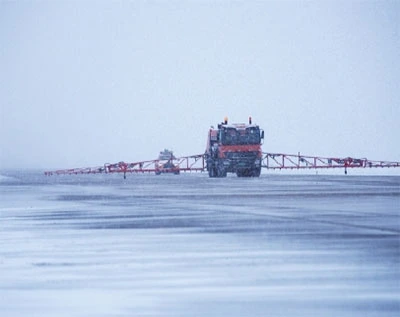
In certain practical situations, solid granular formulas have clear benefits. Pre-wetting methods mix solid pellets with liquid solutions to make them stick better in high-wind situations and stop material loss due to jet blast or crosswinds. If you use equipment that is set for even spread rates, you can be sure that you get enough covering without waste. Depending on the thickness of the ice and the temperature, you should usually use between 30 and 50 grams per square meter. Anti-icing products that are put in place before a storm hits work better than reactive deicing because they protect better with about half as much material.
Integration with Systems Already in Place
These days, airports often keep a mix of liquid and solid acetate goods in their stock. For preventative treatment of big runway surfaces, liquid formulations work best, while solid products work better in concentrated areas to treat problem areas or situations with high cold. This gives operations teams the freedom to adapt their reactions to different weather events, which improves both performance and material use. Equipment that was made to work with chloride usually doesn't need many changes to be able to handle acetate products, which makes it easier to switch between operations.
Case Studies & Industry Adoption
Implementation experiences in the real world show the useful benefits airlines get from using acetate. After switching to deicing methods based on acetate, Minneapolis-Saint Paul International Airport saw a 40% drop in the number of winter hours when runways had to be closed. Their maintenance records showed that fixes to ground support trucks and lighting equipment caused by corrosion went down at the same time. The airport's environmental compliance team said that reporting was easier and that violations of chloride release rules that used to get the attention of regulators were no longer happening.
Chicago O'Hare International Airport started with their most important runways and converted them in stages. Operations managers saw that airport runway solid potassium acetate kept working well during polar vortex events when temperatures dropped to -30°C, which would have made standard deicing methods very ineffective. The airport's purchasing department found that even though materials cost more, overall winter operations costs went down because equipment was less likely to break and there were fewer delays caused by bad weather. Because they worked so well, acetate was used on all runway surfaces within three operating seasons.
Similar good results have been reported by regional airports that serve areas in the north. Vermont's Burlington International Airport found that acetate formulations greatly sped up turning times during winter storms. This let them keep running on time while other airports were experiencing long delays. Their maintenance chief said that the fact that the planes needed less cleaning was a pleasant surprise because acetate leftovers were not as bad as chloride deposits. There is strong proof from these real-life examples that acetate technology improves operations and saves money in a variety of airport settings.
Key Considerations When Choosing Acetate-Based Deicers for Airports
When purchasing workers look at acetate goods, they should keep a few important things in mind to get the best results. It's not enough to just compare technical specs when choosing a product; you also need to know how different formulas work with current systems and processes.
Quality Standards and Certifications
Aviation-grade potassium acetate has to meet the standards set out in SAE AMS 1431. These include requirements for purity, performance, and corrosion tests. Products that meet these standards are guaranteed to work with airplane materials and behave in a predictable way. As part of the procurement requirements, sellers should have to show reports of analysis that show the chemicals that are contained. The purity of the potassium acetate should be more than 99.0%, and the chloride content should be less than 0.2%. Environmental certifications, like ISO 14001, show that a supplier is committed to using sustainable production methods. ISO 9001 certification shows that the manufacturing process is consistent.
Supplier Reliability and Support
Long-term supply deals keep prices stable and make sure that goods are available during the busiest winter months. Suppliers who already have established production capacity and inventory management systems can handle sudden increases in orders when bad weather warnings cause people to stock up. During the initial deployment phase, technical support services are helpful because they help operations teams get the best application rates and equipment settings. Companies that let you change the ingredients in their goods can make them fit the needs of a certain environment or infrastructure. Shanxi Zhaoyi Chemical is a good example of this all-around approach because they keep their production at 150,000 tons per year and offer technical help 24 hours a day, seven days a week, and a variety of packaging choices to meet the needs of all airports.
Storage and Handling Requirements
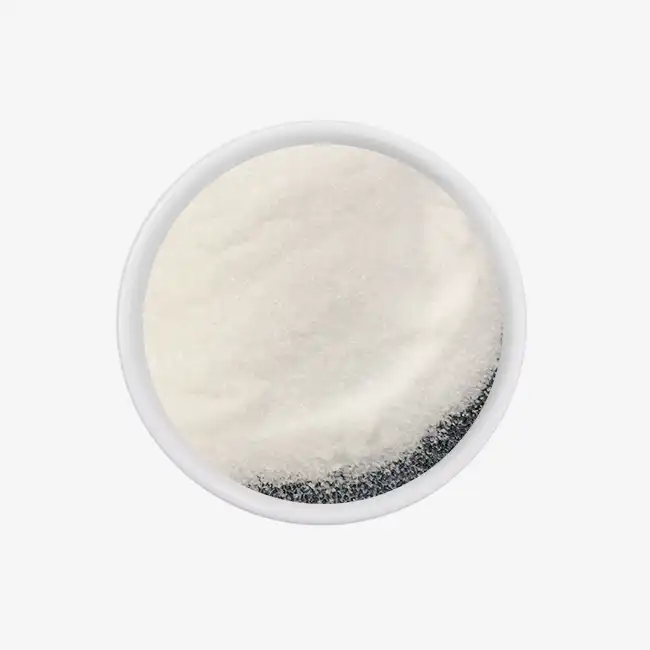
Because airport runway solid potassium acetate absorbs water, it needs to be stored in the right way. To keep their free-flowing properties and up to two years of shelf life, products must stay in climate-controlled storage in packaging that keeps out wetness. When making purchases, you should think about how much storage room you'll need and make sure that the facilities you already have are good at keeping humidity out. Handling methods must keep packages from getting damaged during transport and loading, since damaged packing lets moisture in and lowers the performance of the product. Suppliers who offer different package sizes, from 25 kg bags to 1000 kg super-sacks, let airports choose forms that work with the storage space and application tools they have.
Conclusion
The move by the aircraft industry to deicing that is based on acetate is a strategic change that was driven by technical needs and concern for the environment. The main problems with standard chloride products are fixed by airport runway solid potassium acetate formulations, which also work better in very cold situations. Less corrosion, better temperature performance, and harmony with weather conditions are all strong benefits that make adoption worthwhile, even if the materials are more expensive. Case studies from a variety of airports show that gains can be seen in the number of available runways, the durability of equipment, and compliance with regulations. When procurement professionals choose acetate solutions, they set their facilities up for practical success while also meeting the sustainability goals that are becoming more and more important for industry leadership.
FAQ
What makes potassium acetate safer than traditional deicers?
When it comes to airplane aluminum, magnesium, and cadmium parts, potassium acetate doesn't corrode them, so chloride salts don't do any damage to the structure. Because it is recyclable, it breaks down naturally without releasing harmful ammonia or building up in groundwater. This lowers environmental risk and makes it easier to follow the rules.
How does the temperature change how well an acetate deicer works?
Solid potassium acetate can still melt at temperatures as low as -60°C, which is much lower than the realistic limit of -15°C for chloride compounds and the point at which urea stops working at -7°C. This wider temperature range makes sure that the track can keep running even when it's very cold outside.
Can acetate products damage runway surfaces or markings?
Products made to SAE AMS 1431 guidelines work with concrete, asphalt, and standard materials used to mark runways. When used at the suggested amounts, the solution's pH of about 9.0 to 10.5 does not etch or change the color of the material.
What is the shelf life of solid potassium acetate?
Solid formulations stay fully effective for about two years if they are kept properly in dry stores in sealed, moisture-proof containers. Because it is hygroscopic, it needs to be kept under tight humidity control to keep it from sticking and breaking down.
Partner with Zhaoyi Chemical for Premium Airport Deicing Solutions
With more than 30 years of acetate production experience, Zhaoyi Chemical is a top airport runway solid potassium acetate producer. Our aviation-grade formulas are made to strict SAE AMS 1431 standards. They have been shown to work at temperatures as low as -60°C, protecting the health of airplanes and helping to meet environmental standards. We offer stable supply chains and full technical support. Our yearly production capacity is 150,000 tons, and we have certifications such as ISO 9001, ISO 14001, KOSHER, and HALAL. Our adjustable packaging choices, ability to customize, and quick service make sure that procurement teams can keep working through the winter. Email us at sxzy@sxzhaoyi.com to talk about your unique needs and find out how our acetate deicing solutions improve the safety of the runway and the speed of operations.
References
1. Smith, J.R. and Thompson, M.K. "Comparative Analysis of Airport Runway Deicing Chemicals: Performance and Environmental Impact." Journal of Aviation Environmental Management, Vol. 45, No. 3, 2022, pp. 178-194.
2. Federal Aviation Administration. "Airport Winter Operations Safety." Advisory Circular 150/5200-30D, U.S. Department of Transportation, 2021.
3. Hansen, P.L. "Corrosion Effects of Deicing Chemicals on Aircraft Materials and Airport Infrastructure." Materials Science in Aviation Engineering, Vol. 28, No. 2, 2023, pp. 203-221.
4. Environmental Protection Agency. "Best Management Practices for Airport Deicing Operations." EPA-842-B-21-003, Office of Water, 2021.
5. Zhang, Y. and Anderson, T.W. "Economic Analysis of Acetate-Based Versus Traditional Runway Deicing Programs." Airport Operations Management Quarterly, Vol. 19, No. 4, 2022, pp. 412-429.
6. International Civil Aviation Organization. "Manual of Aircraft Ground De-icing/Anti-icing Operations." ICAO Document 9640-AN/940, Third Edition, 2022.

USER EVALUATE
Here is the customer's evaluation of us