



Industrial Potassium Acetate Specifications and Standards
Buying managers have to make tough decisions about needs, quality standards, and how reliable the seller is when they need to buy industrial solid potassium acetate. This white, crystalline material (CH3COOK, CAS 127-08-2) is very important for making chemicals, deicing planes, and moving fluids in oil fields. When quality and legal compliance are important for your processes, you need to know the technical factors, approval standards, and performance benchmarks. Now it's not enough to just pick a product; you need to make sure it meets strict industry standards, helps your business, and doesn't harm people or the environment.
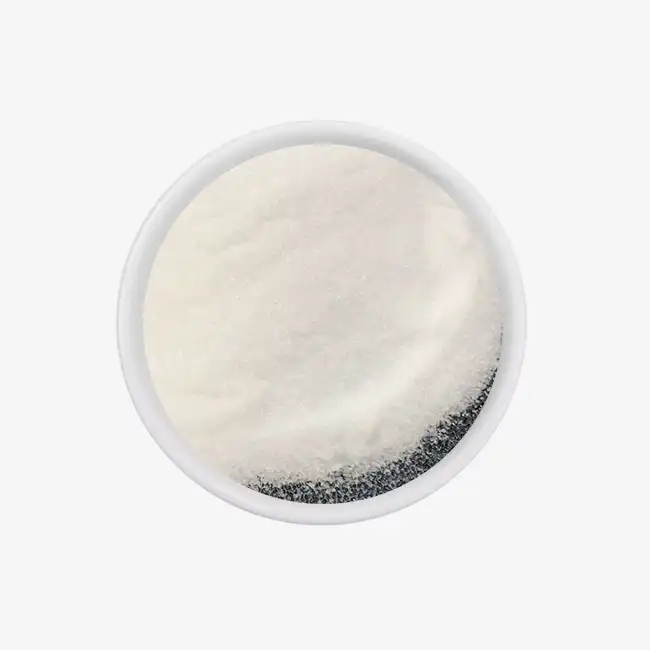
Understanding Industrial Solid Potassium Acetate
Chemical Properties and Molecular Characteristics
Because of the way its molecules are put together, industrial solid potassium acetate (CH3COOK) is useful in many fields. There are 98.14 grams of this organic salt in every mole. It is made up of soft, white crystals that dissolve very easily in water—about 253 grams per 100 milliliters at 20°C. Since it dissolves quickly, it can be used to make working solutions and concentrated brines quickly. It doesn't leave behind any leftovers that could damage precision equipment or clog application systems.
The item needs to be handled and kept carefully because it soaks up water. There is a chance that potassium acetate will stick together when it comes in contact with water in the air. It is stable at temperatures up to 292°C, so it can be used in processes where temperatures are high without breaking down. This is very helpful for drilling fluids that can get hotter than 150°C.
CH3COOK has a pH range of 7.5 to 9.0 in 5% water, which is normal to slightly alkaline compared to chemicals based on chloride. This feature keeps metal structures safe from chemical damage while still allowing them to work with fragile plastics and additives that are mixed in complex ways. Because it is broken down by metabolism, the acetate anion doesn't last as long in the world as man-made alternatives.
Safety Considerations and Material Handling
The Material Safety Data Sheets (MSDS) for potassium acetate say that it is safe to handle regularly. The OSHA Hazard Communication Standards say that the drug does not meet the standards for severe harm to the eyes, skin, or skin corrosion. But being around a lot of dust can make your lungs a little itchy, so make sure you have good air flow when you're moving a lot of stuff.
Buildings used for storage must be dry, have good air flow, and keep their relative humidity below 50%. Since it soaks up water, it needs to be put in plastic or polypropylene bags with multiple layers that keep water out. When you store things, keep them away from strong oxidizing agents and acids that don't go with them. This stops chemical processes that aren't needed. The DOT's rules for transportation don't think of potassium acetate as a dangerous substance. This makes it easier to plan and saves money on shipping compared to choices that are dangerous or harmful.
When dealing with powder forms, you should wear safety glasses, hands that can handle chemicals, and a dust mask. Stuff that has been spilled needs to be cleaned or vacuumed up so that it can be used again or put away. It's best not to get water on surfaces that could get slippery in spots where solutions could weaken them.
Environmental Profile and Sustainability
Potassium acetate is better than ice melters and drilling fluid chemicals because it is better for the earth. It has been studied that acetate ions are quickly broken down by both aerobic and anaerobic processes. Most of the time, they have half-lives of one to two days in water. This is not the same as man-made poisons that stay in the ground and water for a long time.
The LC50 readings for fish and crustaceans are higher than 1,000 mg/L, which means that it doesn't have much of an effect on aquatic species. This is a lot more pollution than what the earth normally gets from deicing water or trash from factories. When biochemical oxygen demand (BOD) and chemical oxygen demand (COD) are low, wastewater treatment systems are less stressed. This is something that places that are in charge of sewage permits should remember.
Another good thing for the land is to stop rusting. Calcium chloride or sodium chloride deicers are much more likely to damage bridge decks, airport runways, and car parts when they are used. This makes things last longer, which means less trash and raw materials are needed to fix things quickly. Research from the Transportation Research Board shows that chloride salts erode materials at rates that are 75–90% higher than those of metal alloys and reinforced concrete.
Specifications and Standard Grades Explained
Purity Classifications and Testing Protocols
For industrial solid potassium acetate, the most important part of industry standards is the assay result. Most premium types say they are ≥98.0% pure. This amount makes sure that the active ingredient works as well as it can, which means that you only need a small amount to get the results you want. There aren't many flaws in high-purity material that could mess up important processes like making drugs or keeping food fresh.
To make sure the quality of the product, testing protocols are in line with standards that are known all over the world. With perchloric acid titration, the actual amount of potassium acetate is compared to what it should be based on theory. The volumetric method is accurate to within 0.2%, which means that buying teams can trust the specs that were made public. A certain sample mass is mixed with acetic acid and then titrated with a reference solution of perchloric acid for the test. Once the test is over, a crystal violet sign will appear.
Chloride amounts below 500 parts per million (ppm) are a critical impurity limit. This can be shown with ion chromatography or silver nitrate precipitation. Pollution from chloride can speed up the breaking down of concrete and lead to stress corrosion cracks in stainless steel tools used for deicing. Keeping the iron level below 10 ppm stops medicines from turning colors and chemicals from responding in ways that aren't wanted.
If you test for solid matter, make sure the numbers are less than 0.1%. This is very important for spray nozzles, fine screens, or oil wells with thin formation rock. A fully filled fluid is put through a membrane that has already been weighed as part of the test. After that, the membrane is dried and weighed again to find out how much waste is still there. It can be hard for working solutions to focus when there are too many insolubles in the system.
Most of the time, 1.0% is the highest number that can be used for loss on drying (LOD) to find the wetness level. Potassium acetate absorbs water, which makes it hard to keep the right amount of moisture in it while it's being moved or kept. In LOD testing, a sample is cooked at 105°C until its weight stays the same. The amount of mass loss is used to find the wetness.
International Standards and Certification Requirements
By making sure the product fits ISO (International Organization for Standardization) and ASTM (American Society for Testing and Materials) guidelines, you can tell if the quality of the product is good. If a business gets ISO 9001 approval, it means they use systematic quality management. This means they keep track of papers, make sure systems work, and fix problems as soon as they arise. Every year, accredited registrars must check this license to make sure that it is still in line. This is not a one-time check.
The ASTM D1613 standard test describes how to find out if an organic liquid is basic or acidic. These tests can be used on liquids of potassium acetate. You can use ASTM E1064: Water in Organic Liquids by Karl Fischer Titration to get a good idea of how much water is in a liquid. When methods are standardized, differences between labs are taken away. This makes it possible to directly compare test results from different sources.
Standards for airplane deicing fluids are set by SAE AMS 1435. These standards can include mixes based on potassium acetate. As a flying material, you need to show that the material can lower its freeze point, work with other materials in airplanes, and meet safety standards for the environment. Airport suppliers need to show proof that they follow AMS 1435.

To use potassium acetate in food, you need extra approvals, such as FDA (Food and Drug Administration) approval under 21 CFR 184.1619, which says that it is generally accepted as safe (GRAS) for certain needs. Products that want to be labeled as Kosher or Halal must be checked by religious leaders and get a new certification every year. Having these skills helps companies that sell to the food and drug industries reach more customers.
Packaging Standards and Labeling Regulations
A lot of things are packed in 25-kilogram plastic weave bags and 1,000-kilogram flexible intermediate bulk containers (FIBCs or ton-bags). Weaved polyethylene makes up the outside of the bag to make it strong, and plastic layers inside keep out water. When you use the right heat-sealing tools and methods, wetness stays out for the normal 12 to 24 months.
As per the GHS rules, labels must have certain details. These include a product identifier (chemical name and CAS number), details about the seller, danger pictograms (if required), signal words, hazard statements, precautionary statements, and other details. Standard style makes it easy for people who don't speak the same language to know how to follow safety rules.
Containers used to ship goods across international lines must be approved by the UN, even though potassium acetate is not dangerous by itself. We use drop tests, stack loading tests, and leak-proofness checks to make sure that the package is always the same. When suppliers offer UN-certified packing, it means they care about keeping things safe during shipping.
Labels that can be tracked have batch numbers, creation dates, and times of expiration. This lets you move quickly if something is wrong with the quality. There are QR codes on more and more packages that lead to digital Certificates of Analysis (COA). These COAs give full test results for each batch without the need for paper records. When you type in data by hand, you can make mistakes. This digital way cuts down on those mistakes and makes the supply chain clearer.
Procurement Essentials for Industrial Solid Potassium Acetate
Supplier Qualification and Quality Assurance
The first thing that should be done to screen a possible provider is to look at their manufacturing skills and quality certifications. Companies that have been in business for a while use ISO 9001 quality control systems to keep an eye on the way things are made, tested, and documented. Ask for clearance papers and check with the registrars who gave them to make sure they are real. In chemistry markets, fake certificates do get around from time to time.
You can be sure that providers can meet your number needs without sacrificing quality or delivery times if they give you an idea of their production capacity. Companies that make more than 50,000 tons of goods a year tend to have more stable operations than smaller companies that might have problems with their fuel sources. Every year, Shanxi Zhaoyi Chemical can make 150,000 tons of chemicals, which helps make sure that big buying deals for industrial solid potassium acetate are safe.
You need to look at Certificates of Analysis from more than one production batch to make sure the quality is the same. If the same batch doesn't follow the same specs, look for patterns of difference that could mean there are issues with process control. When you buy from a reliable company, you get batch-specific COAs instead of general specification sheets. This lets you trace back to specific production runs.
Site checks are the best way to find new sources that you can trust. If you go to a plant, check out how they store their raw materials, keep their production tools in good shape, test their products in the lab, and keep track of their quality. Automatic control systems, standardized analysis tools, and trained staff are all very important for making sure that the quality of the products is always the same.
Pricing Structures and Volume Considerations
The cost of potassium acetate changes a great deal based on how much you buy, how you want it sent, and how clean you need it to be. This kind of material usually costs between $1,200 and $1,800 per metric ton FOB China on the open market for exports of more than 20 tons. Standards for food and medicine cost 15–25% more because they need to be checked and approved more often.
How much you have to buy is based on how much it costs to make and ship the things. A 20-foot crate can hold 20 to 25 tons of goods, which is how most international trade works. There are higher shipping and handling costs for smaller amounts, which can add $200 to $400 per ton.
People are more likely to keep big promises when prices are high. Most of the time, prices are 8 to 12 percent lower than spot rates when there are yearly supply deals for 500 tons or more. People who buy and sell can both benefit from this security. Volume-guaranteed contracts that last for more than one year save you more money and make sure there is a steady supply when the market is tight.
How you pay for something changes how much it costs. Net terms of 30 days are the norm to start with. Because of the extra costs of financing, longer payment terms may make the base price go up by 2% to 3%. There are bank fees of $500 to $1,500 for each letter of credit transaction, so they can't be used for small deals. In spite of that, they can help you get along with your providers.
Logistics and International Shipping Considerations
Most well-known brands have lead times of 5 to 7 days from the time you place your order until you get it. This includes the time it takes to ship. Moving things from China to the US by sea. Because of the Panama Canal, places on the East Coast take an extra 10–14 days and places on the West Coast take 14–18 days. It only takes three to five days to ship by air freight, but it costs 400 to 600% more.
Shipping costs change when you improve the way you package things. If you carry the 25-kilogram bags by hand, they can hold 20 tons in a 20-foot barrel. A 1,000-kilogram FIBC can hold 20 tons if it is moved by truck, but it needs to be kept in a building with moving gear. Which type of packing you pick will depend on how easily you can unload and how your things move.
Potassium acetate that comes into the United States is taxed based on its classification under the Harmonized Tariff Schedule code 2915.29.1000. The ad valorem tax rate is 3.7% right now, but it can change during trade talks and changes to tariffs. Check the current exchange rates before you finish buying things from other countries to make sure you don't go over budget.
Invoices, packing lists, bills of lading, and Certificates of Analysis are some of the papers that you need to quickly and easily get through customs. If the goods are food grade, the FDA needs a Prior Notice. If they are medicine grade, they may need links to the Drug Master File. Clearance goes faster when you work with freight forwarders who have done it before and know how to handle dangerous goods.
Conclusion
To get industrial solid potassium acetate up to par, you need to find a mix between performance goals, quality needs, and how reliable the supply chain is. It is unique because it doesn't rust, works well at low temperatures, and is safe for the environment. Because of this, it is the best choice for tough jobs where chloride chemistry doesn't work. Some of the tests that are used to make sure of quality are assay determination, impurity limits, and moisture content. When procurement workers know these tests, they can correctly evaluate sources and pick partners who will be reliable.
Costs over a person's whole life are part of the economic study, which is more than just the unit price. This is done to show that paying more for special advertising is worth it to protect infrastructure and make operations run more smoothly. It's clear that potassium acetate is better for some uses than calcium chloride and sodium acetate when you compare them. It also has lower overall costs of ownership. When looking for skilled providers, you should check their certifications, find out how much they can produce, and form transportation partnerships that ensure on-time delivery. More and more, acetate chemistry is being used in agriculture, energy, industry, and airplanes. This shows that more people are learning about its technical and environmental benefits.
FAQ
How does moisture content affect industrial solid potassium acetate performance?
How exactly something weighs, how fast it dissolves, and how stable it is when stored are all directly related to how much moisture it has. The mixture hardens too quickly when the wetness level is above 1.5%. This makes it hard to figure out the right amount while it is being made. Because it is hygroscopic, it keeps absorbing more water if the packaging breaks while it is being stored. You won't have to pay for water instead of the active ingredient if you measure the amount of wetness in the air by figuring out how much is lost when things dry out. Keeping storage areas below 50% relative humidity keeps goods that have already been opened from getting wet from the air.
What certifications should I verify when qualifying a new potassium acetate supplier?
Some of the most important licenses are ISO 9001 for quality management systems, which proves that production is planned and managed. For food and drug applications, you need proof that they have been accepted by the FDA. Depending on your customers, you may also need Kosher or Halal approval. If someone gives you a copy of a current certificate, check it with the organization that gave it. Sometimes fake papers show up in foreign trade. Green certificates, like ISO 14001, show that a service provider keeps their pollution control methods up to date. Because of this, there is less chance that a company will be shut down for environmental reasons.
Can potassium acetate solutions be mixed on-site from solid material?
Dissolving industrial solid potassium acetate to create working solutions is standard practice, reducing shipping costs associated with transporting water. Add solid material gradually to water while stirring, as dissolution generates mild heat that aids mixing. Avoid creating saturated solutions in cold conditions, as solubility decreases with temperature and material may precipitate upon cooling. Target concentrations around 50% by weight balance dissolution ease with solution density, though the compound's exceptional solubility permits concentrations up to 65% at room temperature.
Partner with Zhaoyi Chemical for Reliable Supply
We can help you get industrial solid potassium acetate from Zhaoyi Chemical. They have been making acetate for over 30 years. Our factory in Shanxi Province is ISO 9001, Kosher, and Halal certified. This means that our goods are of the best quality in the world. With 27,000 square meters of production space and the ability to make 150,000 tons per year, we offer supply security that takes away the risk of where to get materials when demand is high at certain times of the year. No matter what you need help with, our team of experts can help you find the best recipes for deicing, drilling fluids, and chemical synthesis. We have been selling industrial solid potassium acetate for a long time and can offer good prices on big orders. The potassium acetate we give is always ≥98.0% pure, which has been proven by strict testing methods. You can email us at sxzy@sxzhaoyi.com about your needs, the amount you need, and when you need it shipped. You can also visit zhaoyichemical.com to see all of our goods and get technical help.
References
1. U.S. Food and Drug Administration. 21 CFR §184.1619 Potassium Acetate. Code of Federal Regulations. Washington, DC: FDA.
2. ASTM International. ASTM E1064-22: Standard Test Method for Water in Organic Liquids by Coulometric Karl Fischer Titration. West Conshohocken, PA: ASTM International, 2022.
3. SAE International. SAE AMS1435D: Fluid, Deicing/Anti-Icing, Runways and Taxiways. Warrendale, PA: SAE International, 2017.
4. International Organization for Standardization. ISO 9001:2015 Quality Management Systems — Requirements. Geneva: ISO, 2015.
5. Transportation Research Board. Manual for the Selection of Snow and Ice Control Materials to Mitigate Environmental Impacts. Washington, DC: National Academies Press, 2007.
6. O’Neil, M. J., ed. The Merck Index: An Encyclopedia of Chemicals, Drugs, and Biologicals. 15th ed. Cambridge, UK: Royal Society of Chemistry, 2013.

USER EVALUATE
Here is the customer's evaluation of us